


In a landmark study that challenges traditional understandings of pediatric nutrition and metabolic health, researchers at University College Cork (UCC) have identified a profound link between early-life dietary choices and permanent neurological programming. The research, conducted by the APC Microbiome Ireland center, suggests that children who consume diets high in fats and sugars may undergo fundamental changes in brain structure and function that persist long after their nutritional intake has improved. These findings indicate that the "hidden scars" of a poor childhood diet could dictate eating behaviors and obesity risks well into adulthood, regardless of subsequent weight loss or lifestyle corrections.
The Neurological Blueprint of Early Nutrition
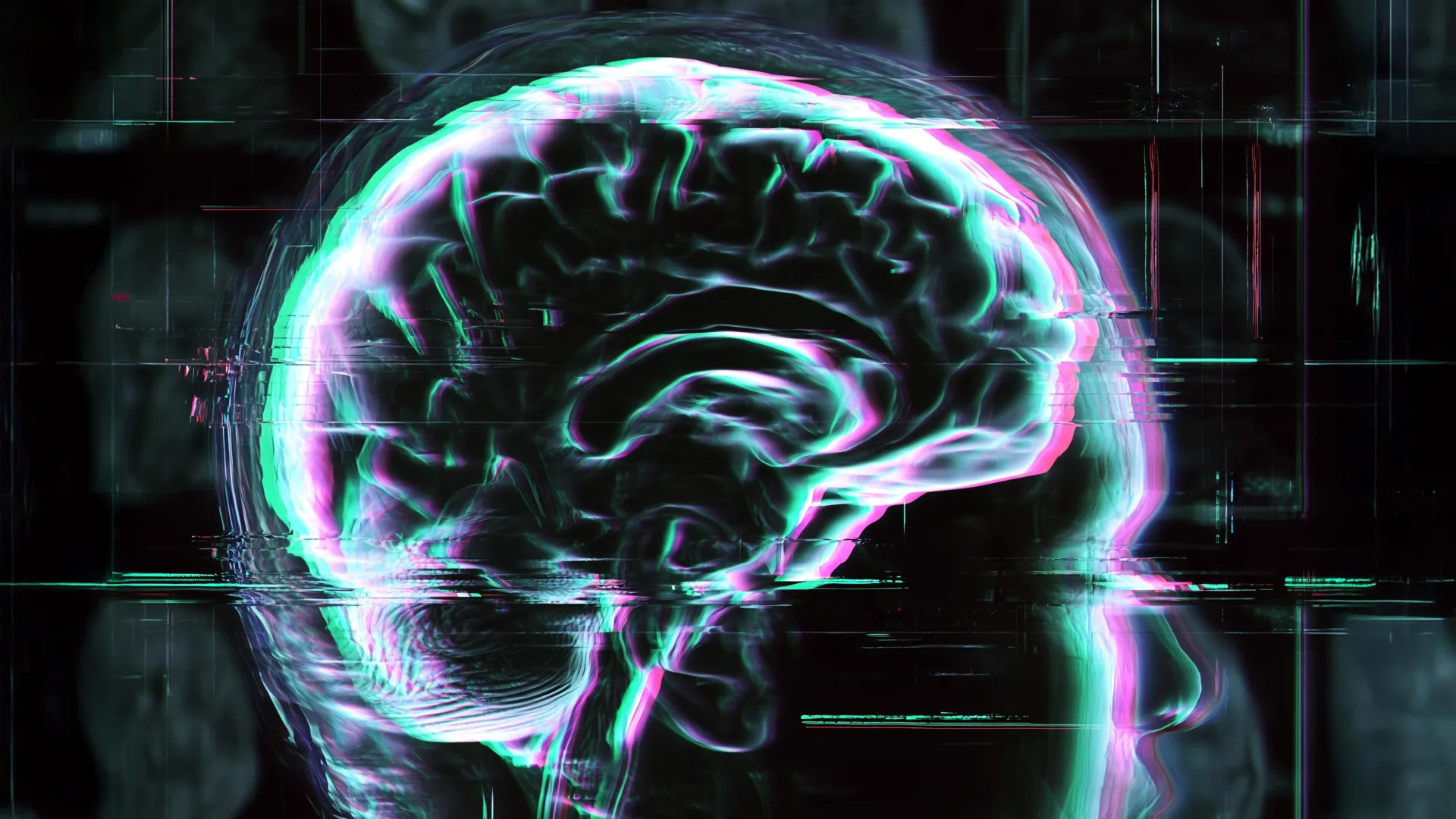
The study, recently published in the prestigious journal Nature Communications, focuses on the hypothalamus, a critical region of the brain that serves as the command center for energy balance, thirst, and appetite. By utilizing a preclinical mouse model designed to replicate the developmental stages of human childhood and adolescence, the UCC team observed that exposure to calorie-dense, nutrient-poor foods during these formative years disrupts the neural pathways responsible for signaling fullness and managing energy expenditure.
Crucially, the researchers discovered that these alterations do not simply vanish when a healthy diet is reintroduced. Even after the subjects were transitioned to a balanced nutritional regimen and their body weights returned to baseline levels, the behavioral "memory" of the high-fat, high-sugar (HFHS) diet remained. The animals continued to exhibit abnormal feeding patterns, suggesting that the brain’s appetite-regulation hardware had been effectively rewired during a critical window of neuroplasticity.
This discovery provides a biological explanation for why many individuals struggle with weight management throughout their lives. It suggests that the difficulty in maintaining a healthy weight may not be a simple failure of willpower, but rather a consequence of early-life neurological conditioning that prioritizes high-calorie consumption.
The Modern Obesogenic Environment and Its Origins
To understand the implications of the UCC study, it is necessary to examine the broader societal context of childhood nutrition. Over the past four decades, the global food landscape has undergone a radical transformation. The rise of ultra-processed foods (UPFs), characterized by high levels of refined sugars, saturated fats, and chemical additives, has created what public health experts call an "obesogenic environment."
According to data from the World Health Organization (WHO), the prevalence of overweight and obesity among children and adolescents aged 5–19 has risen dramatically from just 4% in 1975 to over 18% in recent years. In many developed nations, highly processed snacks and sugary beverages are no longer occasional treats but dietary staples. The UCC researchers noted that these foods are integrated into the fabric of childhood social life, appearing at sports events, school celebrations, and as rewards for academic achievement.
This constant exposure occurs during a period of intense brain development. The hypothalamus and the reward systems of the brain, including the dopaminergic pathways, are particularly sensitive to external stimuli during childhood. By saturating these systems with high-reward foods, the modern diet may be inadvertently training the next generation’s brains to seek out caloric density at the expense of nutritional value.
Microbiome Interventions: A New Frontier in Treatment
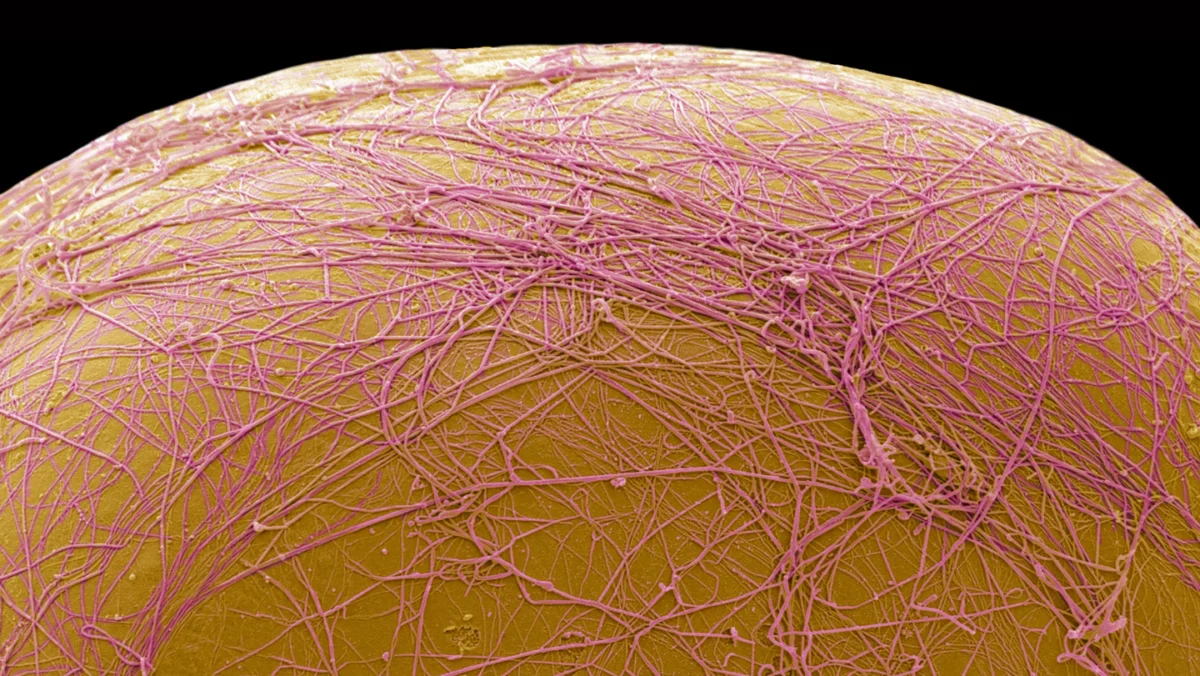
While the findings regarding permanent brain changes are sobering, the UCC study also offers a potential pathway for mitigation through the gut-brain axis. The researchers explored whether the gut microbiota—the trillions of microorganisms living in the digestive tract—could be leveraged to reverse or soften the neurological impacts of a poor early diet.
The team tested two primary interventions: a specific probiotic strain and a combination of prebiotic fibers. The results were significant:
- Bifidobacterium longum APC1472: This specific probiotic strain was found to significantly improve feeding behaviors in the subjects. Interestingly, the probiotic achieved these results with only minor alterations to the overall composition of the gut microbiome, suggesting a highly targeted interaction with the host’s metabolic signaling pathways.
- Prebiotic Fibers (FOS and GOS): The researchers utilized a combination of fructo-oligosaccharides (FOS) and galacto-oligosaccharides (GOS). These fibers, which occur naturally in foods like leeks, asparagus, onions, and bananas, serve as "fuel" for beneficial gut bacteria. The prebiotic intervention resulted in broader, more systemic changes to the microbiome, which also correlated with improved appetite regulation.
These findings suggest that while the brain’s "wiring" may be altered by a poor diet, the "software"—the biochemical signals sent from the gut to the brain—can be optimized to compensate for these changes. This opens the door for microbiota-based therapies that could be administered to children or adolescents who have been exposed to unhealthy diets, potentially preventing the onset of chronic metabolic conditions in later life.
A Chronology of Research and Discovery
The study represents the culmination of several years of interdisciplinary collaboration. The project was led by APC Microbiome Ireland at UCC, but involved contributions from the University of Seville in Spain, the University of Gothenburg in Sweden, and the Teagasc Food Research Centre in Fermoy, Ireland.
The timeline of the research reflects an evolving understanding of the gut-brain axis:
- Phase 1 (Hypothesis Development): Researchers initially sought to determine why childhood obesity so often tracks into adulthood even when dietary habits change.
- Phase 2 (Preclinical Modeling): The team established a mouse model that allowed for the isolation of early-life dietary variables from adult dietary variables.
- Phase 3 (Neurological Mapping): Using advanced imaging and molecular analysis, the team identified the specific disruptions in the hypothalamus.
- Phase 4 (Intervention Testing): The introduction of Bifidobacterium longum APC1472 and prebiotic fibers to observe their corrective potential.
- Phase 5 (Publication and Peer Review): The findings were synthesized and published in Nature Communications, providing a peer-reviewed foundation for future human clinical trials.
The funding for this extensive work was provided by Research Ireland, the Government of Ireland Postgraduate Scholarship program, and the Biostime Institute for Nutrition & Care (BINC), highlighting the international and multi-sectoral interest in pediatric gut health.
Perspectives from the Research Team
The lead investigators emphasize that the study should serve as a wake-up call for parents, educators, and policymakers. Dr. Cristina Cuesta-Martí, the first author of the study, noted that the research reveals "hidden" effects that weight alone cannot measure. This suggests that even a child who appears to be at a healthy weight could be experiencing neurological shifts that will complicate their health in the future.
Dr. Harriet Schellekens, the lead investigator, stressed the importance of early intervention. She pointed out that supporting the gut microbiota from birth is not just about digestion, but about maintaining the integrity of the brain’s feeding behavior circuits. By protecting the microbiome early on, society may be able to "innervate" children against the lure of the obesogenic environment.
Professor John F. Cryan, a world-renowned expert on the gut-brain axis and Vice President for Research & Innovation at UCC, framed the study as a bridge between fundamental science and societal solutions. According to Cryan, understanding the mechanics of how diet shapes the brain allows for the development of "innovative solutions" for some of the most pressing public health challenges of the 21st century.
Analysis: Implications for Public Health and Policy
The implications of the UCC study extend far beyond the laboratory. If early-life diet causes lasting neurological changes, then the current approach to public health—which often focuses on calorie counting and individual responsibility—may be insufficient.
1. Reevaluating Food Marketing to Children:
If the brain is being "rewired" by sugary and fatty foods, the aggressive marketing of these products to children could be viewed as a long-term public health risk. Policies that restrict the advertising of ultra-processed foods to minors may be necessary to protect the neurological development of the population.
2. Nutritional Standards in Schools:
The study reinforces the need for high-quality nutritional standards in school meal programs. If school events and sports activities continue to serve as conduits for high-sugar rewards, they may be contributing to a cycle of metabolic dysfunction that lasts a lifetime.
3. The Role of Supplementation:
The success of Bifidobacterium longum APC1472 and FOS/GOS prebiotics suggests a future where targeted "psychobiotics" or medical-grade prebiotics could be integrated into pediatric care. This could be particularly beneficial for children in "food deserts" where access to fresh, prebiotic-rich produce is limited.
4. Economic Impact:
Obesity-related illnesses, including Type 2 diabetes and cardiovascular disease, place a staggering burden on global healthcare systems. By intervening in childhood—both through better diet and microbiome support—governments could potentially save billions in long-term healthcare costs.
Conclusion: A Shift in the Nutritional Paradigm
The research from University College Cork marks a significant shift in how we perceive the relationship between food and the body. It moves the conversation away from the simple "calories in vs. calories out" model and toward a complex understanding of neurobiological programming and microbial influence.
As the scientific community continues to unravel the mysteries of the gut-brain axis, the message for the present is clear: the dietary choices made during childhood carry a weight that lasts far longer than the meal itself. Protecting the developing brain requires protecting the developing gut, ensuring that the next generation is equipped with the biological foundation necessary for a healthy life. The work of APC Microbiome Ireland provides not only a warning of the risks inherent in the modern diet but also a promising roadmap for healing the damage through the very bacteria that call our bodies home.


















Leave a Reply