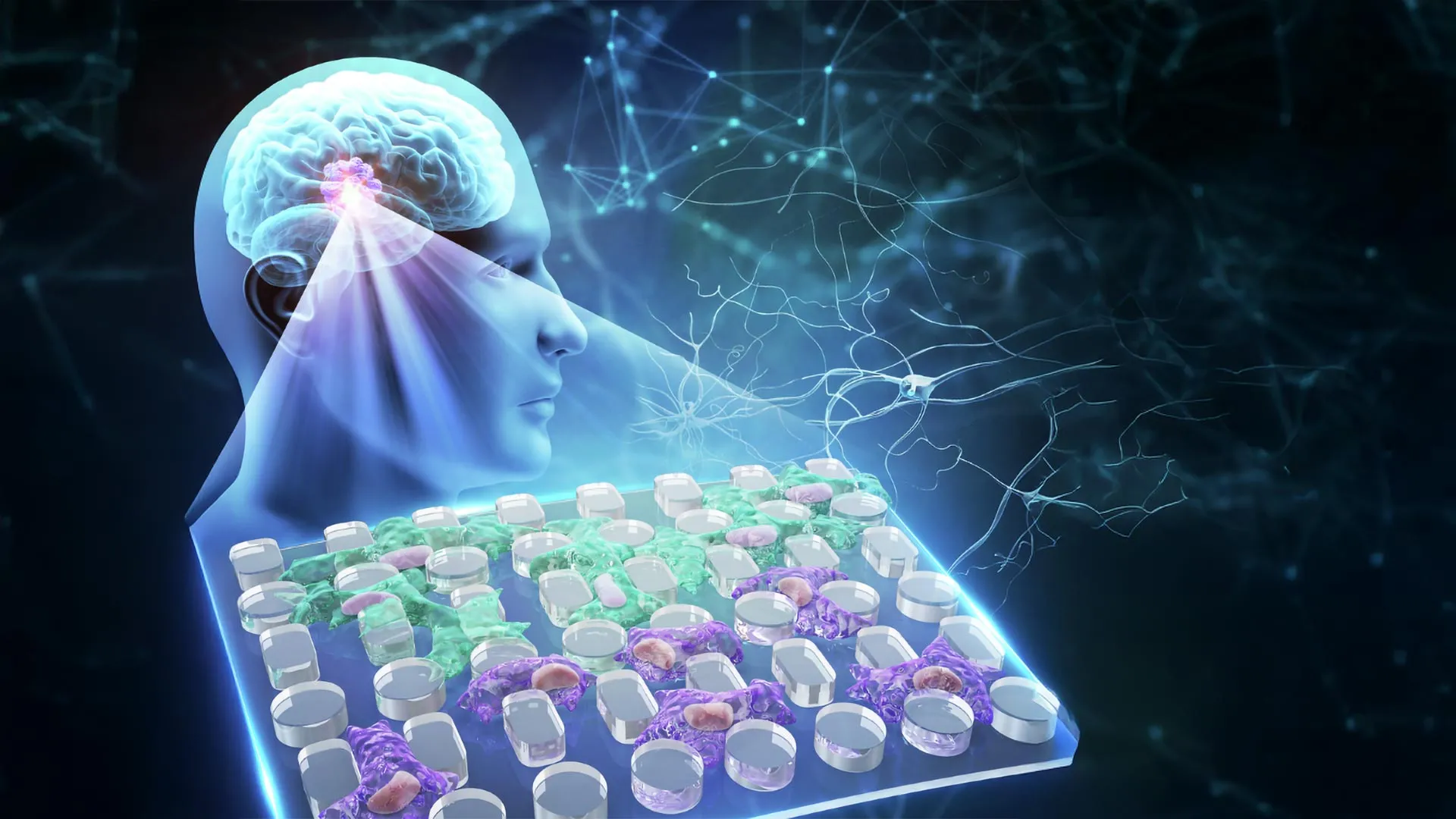
In a landmark study that shifts the current understanding of cardiovascular health, a team of international researchers has identified a specific neural circuit within the brainstem that appears to be a primary driver of high blood pressure. The study, led by Professor Julian Paton, director of Manaaki Manawa, the Centre for Heart Research at the University of Auckland, pinpoints the lateral parafacial region as a critical control center that links respiratory patterns with vascular constriction. This discovery, recently published in the prestigious journal Circulation Research, offers a transformative perspective on hypertension, suggesting that the condition may be as much a neurological issue as it is a cardiovascular one.
For decades, hypertension has been primarily managed through medications that target the kidneys, heart, or blood vessels directly. However, despite the prevalence of ACE inhibitors, beta-blockers, and diuretics, a significant portion of the global population remains resistant to traditional therapies. The identification of the lateral parafacial region provides a missing link in understanding why some individuals develop "essential hypertension"—high blood pressure with no apparent external cause—and opens the door for a new generation of "neuro-centric" treatments.
The Anatomy of a Silent Killer: Understanding the Lateral Parafacial Region
The lateral parafacial region is situated within the brainstem, often referred to as the "primitive brain" or the "reptilian brain." This area is responsible for the body’s most fundamental autonomic functions, including the regulation of heart rate, digestion, and, most notably, breathing. Under normal physiological conditions, breathing is a passive-active cycle: inhalation requires muscle contraction (the diaphragm), while exhalation is typically passive, relying on the natural elastic recoil of the lungs.
However, Professor Paton and his team discovered that the lateral parafacial region is specifically "recruited" during periods of forced exhalation. These are instances where the body must actively push air out of the lungs, such as during intense exercise, coughing, or laughing. In these scenarios, the brain triggers the abdominal muscles to contract forcefully.
The breakthrough in the Auckland study lies in the observation that in subjects with chronic hypertension, this lateral parafacial region is abnormally active even during rest. This persistent activation creates a state of "sympathetic overdrive," where the brain continuously sends signals to the nerves that constrict blood vessels. When blood vessels constrict, the heart must pump harder to move blood through a narrower space, resulting in elevated blood pressure.
Connecting the Breath to the Bloodstream
The link between respiratory mechanics and blood pressure has long been observed in clinical settings, but the underlying mechanism remained elusive until now. The research team found that the lateral parafacial region does not operate in isolation; it serves as a relay station between the respiratory system and the sympathetic nervous system.
"The lateral parafacial region is recruited into action causing us to exhale during a laugh, exercise or coughing," Professor Paton explained. "These exhalations are what we call ‘forced’ and driven by our powerful abdominal muscles. In contrast, a normal exhalation does not need these muscles to contract; it happens because the lungs are elastic."
The study’s most compelling evidence came from an experiment where researchers temporarily inactivated the lateral parafacial region in hypertensive models. Upon silencing these specific neurons, the subjects’ blood pressure dropped precipitously, returning to normal levels. This demonstrated that the region was not merely a bystander in the progression of hypertension but a fundamental driver.
"We’ve unearthed a new region of the brain that is causing high blood pressure," Paton noted. "Yes, the brain is to blame for hypertension! We discovered that, in conditions of high blood pressure, the lateral parafacial region is activated and, when our team inactivated this region, blood pressure fell to normal levels."
Global Context and the Burden of Hypertension
To understand the weight of this discovery, one must consider the global scale of the hypertension epidemic. According to the World Health Organization (WHO), an estimated 1.28 billion adults aged 30–79 years worldwide have hypertension, with the majority living in low- and middle-income countries. It is a leading cause of premature death, significantly increasing the risk of heart, brain, kidney, and other diseases.
Data from the Centers for Disease Control and Prevention (CDC) indicates that nearly half of all adults in the United States (48%, or 119 million) have hypertension or are taking medication for it. Only about one in four adults with hypertension has their condition under control. The Auckland study’s findings are particularly relevant for these "resistant" patients whose blood pressure remains high despite standard pharmacological interventions.
The discovery also sheds light on the "phenotype" of the hypertensive patient. If certain breathing patterns—specifically those involving excessive use of abdominal muscles during exhalation—are a marker for brainstem-driven hypertension, clinicians could potentially use respiratory monitoring as a diagnostic tool. Identifying abdominal breathing in hypertensive patients may help doctors pinpoint the specific neural cause of their condition, allowing for more personalized treatment plans.
The Role of Carotid Bodies: A Remote Control for the Brain
A major challenge in treating brain-related disorders is the blood-brain barrier (BBB), a highly selective semipermeable border that prevents many drugs from reaching brain tissue. Directly targeting the lateral parafacial region with medication would be difficult and could lead to widespread neurological side effects.
However, the research team identified a "workaround" by looking at how the brainstem receives its instructions. They found that the lateral parafacial region is heavily influenced by signals from the carotid bodies. These are small clusters of chemoreceptors located near the fork of the carotid artery in the neck. Their primary job is to monitor oxygen and carbon dioxide levels in the blood and signal the brain to adjust breathing accordingly.
In many hypertensive patients, particularly those with obstructive sleep apnea, the carotid bodies become hypersensitive. They send exaggerated signals to the brainstem, which in turn activates the lateral parafacial region, leading to forced exhalation patterns and increased blood pressure.
Because the carotid bodies are located outside the brain, they can be targeted by medications that do not need to cross the blood-brain barrier. This "remote" inactivation of the lateral parafacial region represents a significant pharmacological opportunity.
"Our goal is to target the carotid bodies," says Professor Paton. "We are importing a new drug that is being repurposed by us to quench carotid body activity and inactivate ‘remotely’ the lateral parafacial region safely, without needing to use a drug that penetrates the brain."
Implications for Sleep Apnea and Chronic Illness
The study has profound implications for the treatment of obstructive sleep apnea (OSA), a condition characterized by repeated interruptions in breathing during sleep. Patients with OSA often suffer from severe hypertension that is notoriously difficult to treat.
When a person with sleep apnea stops breathing, oxygen levels drop and carbon dioxide levels rise. This triggers a massive surge of activity from the carotid bodies. According to the study’s findings, this surge activates the lateral parafacial region, causing the body to struggle for breath (forced exhalation) and spiking blood pressure. Over time, this repeated nocturnal stress "rewires" the brainstem to remain in a state of high alert, leading to chronic daytime hypertension.
By targeting the carotid-parafacial pathway, researchers hope to break the cycle of oxygen deprivation and vascular constriction, providing relief for millions of sleep apnea sufferers who are at high risk for stroke and heart failure.
Chronology of the Discovery and Future Outlook
The journey to this discovery has been years in the making, involving sophisticated neural mapping and hemodynamic monitoring. The timeline of the research suggests a shift from broad observational studies to high-precision molecular biology.
- Initial Observations: Early studies in the 2000s suggested a link between the sympathetic nervous system and the brainstem, but specific regions remained unidentified.
- The Respiratory Link: Over the last decade, researchers began to notice that hypertensive patients often displayed "over-active" respiratory muscles, leading to the hypothesis that breathing and blood pressure were controlled by the same neural "circuitry."
- 2023-2024 Research Phase: Professor Paton’s team utilized advanced optogenetics and pharmacological silencing to isolate the lateral parafacial region, confirming its role in blood pressure regulation.
- Current Status: The team is now moving toward clinical trials involving the repurposing of drugs to target the carotid bodies.
The medical community has reacted with cautious optimism. Independent cardiologists note that while the study was conducted in a laboratory setting, the clarity of the mechanism is highly promising. If human trials mirror the results seen in the study, it could lead to the first entirely new class of antihypertensive drugs in decades.
Conclusion: A Paradigm Shift in Cardiovascular Medicine
The research conducted at Waipapa Taumata Rau, University of Auckland, represents a significant milestone in the fight against the "silent killer." By moving the focus from the heart and kidneys to the brainstem and the carotid bodies, Professor Paton and his colleagues have provided a new roadmap for understanding and treating hypertension.
The discovery that forced exhalation and abdominal muscle recruitment are physiological markers of a specific type of hypertension could revolutionize diagnostic procedures. Furthermore, the prospect of "remotely" controlling brainstem activity via the carotid bodies offers a safer, more targeted approach to drug therapy.
As the global burden of cardiovascular disease continues to rise, such insights into the fundamental "wiring" of the human body are essential. The lateral parafacial region, once an obscure part of the brainstem, may soon become the primary target in the quest to bring the world’s blood pressure back to healthy levels. For the billions of people living with hypertension, this research offers more than just data; it offers the hope of a more precise and effective path to health.