An international research consortium, spearheaded by the renowned Levenberg Laboratory at the Technion-Israel Institute of Technology, has unveiled a groundbreaking, three-dimensional implantable tissue flap. This innovative construct integrates muscle and fat tissues with a sophisticated hierarchical network of both blood and lymphatic vessels, offering a beacon of hope for patients grappling with significant tissue loss. Published in the esteemed journal Cell Biomaterials, this development marks a pivotal advancement in regenerative medicine, addressing critical limitations of current reconstructive surgical techniques.
Addressing a Critical Unmet Need in Reconstructive Surgery
Severe tissue loss, often a devastating consequence of traumatic injuries, extensive burns, radical tumor resections, or congenital defects, presents immense challenges for both patients and clinicians. Annually, millions worldwide suffer from conditions necessitating complex reconstructive procedures. For instance, according to the American Burn Association, hundreds of thousands of burn injuries require medical treatment each year, with a significant subset leading to extensive tissue damage. Similarly, cancer surgeries, particularly those involving head and neck, breast, or musculoskeletal tumors, frequently result in large tissue deficits. The standard of care for these complex cases has long relied on autologous tissue flaps – the surgical transfer of tissue from a healthy donor site within the patient’s own body to the damaged area. While effective in many scenarios, this approach is fraught with inherent limitations.
Autologous flaps carry the significant burden of donor site morbidity, meaning the patient endures pain, scarring, and potential functional impairment at the site from which the tissue was harvested. This can lead to prolonged recovery times, additional surgical risks, and a compromised quality of life. Furthermore, the availability of suitable donor tissue can be limited, especially in cases of extensive damage or in patients with pre-existing conditions that preclude certain donor sites. The complexity of these procedures also necessitates highly specialized surgical expertise, and even with successful transplantation, challenges remain in achieving optimal integration, vascularization, and lymphatic drainage, which are crucial for the long-term viability and functionality of the transplanted tissue. The alternative – allogeneic transplantation (tissue from another person) – is largely impractical for reconstructive purposes due to the insurmountable hurdle of immune rejection, requiring lifelong immunosuppression with its attendant risks.
The Technion Breakthrough: A Multifaceted Bioengineered Solution
The team at Technion, led by Professor Shulamit Levenberg, head of the Laboratory for Tissue Engineering and Stem Cells and a global authority in composite tissue flap development, has engineered an implant designed to overcome these long-standing obstacles. Their creation is not merely a patch of tissue but a meticulously constructed bio-assembly that closely mimics the complexity of natural human tissue. The implant comprises muscle and fat components, which are essential for restoring both form and function. Crucially, it incorporates a hierarchical network of blood vessels, ensuring immediate and robust perfusion upon implantation. This is a dramatic advantage over simpler tissue grafts that rely on the slow, often inadequate process of host vascular ingrowth, which frequently leads to central necrosis or partial graft failure.
What sets this development apart as a "first-of-its-kind" achievement is the integral inclusion of a lymphatic network within the flap. The lymphatic system is a vital, yet often overlooked, component of tissue health, responsible for draining interstitial fluids, transporting immune cells, and maintaining fluid balance. Without proper lymphatic drainage, tissues can swell (lymphedema), become susceptible to infection, and fail to integrate effectively. The Technion team’s ability to integrate this complex network alongside the blood vessels and tissue components within a single, coherent structure represents a significant leap forward in bioengineering. The complete construct is further enhanced by an arterio-venous loop, designed to connect directly to the host’s existing blood supply at the implantation site, facilitating rapid integration and ensuring continuous delivery of oxygen and nutrients while clearing metabolic waste.
A Chronology of Innovation: From Concept to Preclinical Validation
The journey to this groundbreaking implant has been a culmination of years of dedicated research and iterative development within Professor Levenberg’s laboratory. The foundational understanding of tissue engineering and stem cell biology provided the bedrock for this ambitious project. The chronology of their work can be broadly understood in several key phases:
- Conceptualization and Design (Early Research): The initial phase likely involved extensive theoretical modeling and design work, envisioning how to overcome the critical vascularization and lymphatic integration challenges that plagued previous tissue engineering efforts. This would have included exploring different biomaterials and cell types.
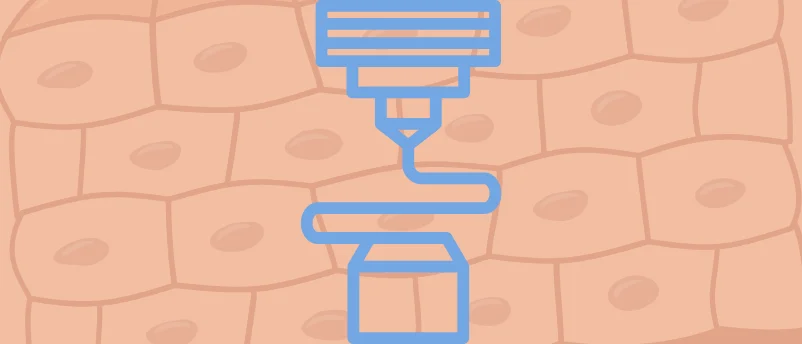
- Bio-ink Development and 3D Bioprinting Optimization: A crucial step involved developing a unique bio-ink. This proprietary material, based on components of the extracellular matrix (ECM), was engineered to mimic the natural tissue environment. The ECM provides structural support, regulates cell behavior, and promotes cell differentiation – all vital for creating functional tissues. The team optimized the 3D bioprinting process, meticulously calibrating syringes and designing printed structures to ensure precise cell placement and architectural fidelity for muscle, fat, and vascular networks.
- Vascular System Prototyping and Maturation: Recognizing the critical need for a robust vascular system, the researchers prototyped engineered blood vessels within a specialized bioreactor. These vessels were cultured under dynamic flow conditions, mimicking the natural blood flow in the body. This mechanical stimulation is essential for promoting the maturation of the endothelial cell layer, which lines blood vessels and is critical for their function and integration.
- Lymphatic Network Integration: This represented one of the most significant technical hurdles. The team devised methods to incorporate the delicate and intricate lymphatic network within the same bioprinted structure, ensuring its functionality alongside the vascular and tissue components.
- Preclinical Testing in Rodent Models (Publication Phase): The culmination of these efforts was the rigorous preclinical testing. While the engineered tissues were produced using human cells to confirm their potential for human application, the initial in vivo experiments were conducted in a rat model. The flaps were surgically implanted and directly connected to an artery and a vein at the target site.
Compelling Results from Preclinical Studies
The results from the rat model experiments were remarkably promising, demonstrating an unprecedented level of integration and functionality. The researchers observed:
- Rapid Integration: Upon connection to the host’s circulatory system, the flap showed rapid integration, signifying that the pre-vascularized network was immediately functional.
- Continuous Oxygen and Nutrient Delivery: The stable blood flow ensured that the implanted tissues received a continuous supply of oxygen and nutrients, preventing necrosis and promoting cell viability.
- Stable Blood Flow: The engineered hierarchical blood vessel network maintained stable blood flow within the flap, a testament to its structural and functional integrity.
- Normal Muscle Development: Histological and functional analyses indicated normal development of the muscle tissue within the flap, suggesting successful cellular differentiation and organization.
- Stability of Fat Cells: The fat cells within the construct also demonstrated stability, crucial for maintaining volume and aesthetic contour.
- Aesthetic and Functional Integration: Crucially, the flap became an integral part of the implantation site and surrounding tissue, not only aesthetically but also functionally. This comprehensive integration underscores the potential for restoring both appearance and performance in affected areas.
The deliberate use of human cells for the engineered tissues, despite the rat model, was a strategic decision to directly assess the feasibility and potential efficacy of this technology for future human clinical applications. This approach provides a stronger translational bridge to human trials.
The Research Team Behind the Innovation
This monumental achievement is the product of a collaborative effort involving a highly skilled and multidisciplinary team. Professor Shulamit Levenberg, with her extensive background in tissue engineering and stem cells, provided the overarching vision and leadership. She is a recognized pioneer in the field, whose work has consistently pushed the boundaries of regenerative medicine. Key contributors to this specific study included Eliana Fischer, a physician and Ph.D. student from the Technion’s Ruth and Bruce Rappaport Faculty of Medicine, whose clinical insights were invaluable, and Anna Tsukerman, a doctoral student from the Faculty of Biology with six years of experience in the biomedical industry, bringing a critical blend of academic rigor and industrial application knowledge. Their combined expertise in medicine, biology, and bioengineering was essential in navigating the complexities of creating such an advanced biological construct.
Broader Implications and Future Outlook
The implications of this breakthrough extend far beyond the laboratory. Professor Levenberg aptly summarizes the potential impact: "Our development represents a significant step toward the production of complex implantable tissues for cases involving loss of muscle and fat tissue due to injuries, burns, tumor resection and more. The technology presented in the paper may, in the future, enable the production of personalized flaps tailored to the specific characteristics of an individual patient’s injury."
This advance positions regenerative medicine closer to achieving truly personalized therapies. Imagine a future where a patient undergoing extensive tumor removal could have a custom-designed tissue flap bioprinted from their own cells, perfectly matching the contours and functional requirements of the excised tissue. This could revolutionize reconstructive surgery, leading to superior aesthetic outcomes, enhanced functional recovery, and significantly reduced patient morbidity compared to current autologous flap procedures.
- Reconstructive Surgery: This technology could transform treatment for breast reconstruction after mastectomy, facial reconstruction after trauma or cancer, and limb salvage procedures.
- Burn Treatment: For severe burn victims requiring extensive skin and soft tissue replacement, the ability to engineer large, pre-vascularized and pre-lymphaticized flaps could dramatically improve healing, reduce scarring, and prevent complications like lymphedema.
- Military Medicine: The military medical community could benefit immensely, offering advanced solutions for service members suffering from severe battlefield injuries involving significant tissue loss.
- Quality of Life: Beyond the immediate medical benefits, the psychological and social impact on patients could be profound. Restoring natural form and function can significantly improve a patient’s self-esteem, social reintegration, and overall quality of life.
The successful integration of the lymphatic system is particularly noteworthy, addressing a critical, often neglected aspect of tissue regeneration. Lymphedema, a common and debilitating complication of many surgeries and injuries, could be significantly mitigated or prevented with such engineered flaps.
The Path Forward: From Lab to Clinic
While the results are extremely promising, the journey from preclinical success to widespread clinical application is a rigorous and lengthy one. The Technion team has already initiated the next crucial step: testing the technology in large animal models. This phase is vital for validating the safety and efficacy of the implant in a physiological environment that more closely mimics human anatomy and scale. Successful outcomes in large animals will pave the way for human clinical trials, a process that typically involves multiple phases to assess safety, dosage, and efficacy in patients.
Regulatory hurdles are also a significant consideration. The development of such complex bioengineered constructs will require close collaboration with regulatory bodies to ensure that the implants meet stringent safety and quality standards before they can be approved for human use.
This breakthrough from the Technion-Israel Institute of Technology represents not just an incremental improvement but a paradigm shift in our approach to severe tissue loss. By successfully integrating all the necessary components – muscle, fat, blood vessels, and lymphatic networks – into a functional, personalized implant, Professor Levenberg and her team have laid a robust foundation for a future where engineered tissues can truly restore what has been lost, offering renewed hope and significantly improved outcomes for countless patients worldwide. The scientific community eagerly anticipates the progress of this innovative technology through its next stages of preclinical validation and into human clinical trials, heralding a new era in regenerative medicine.