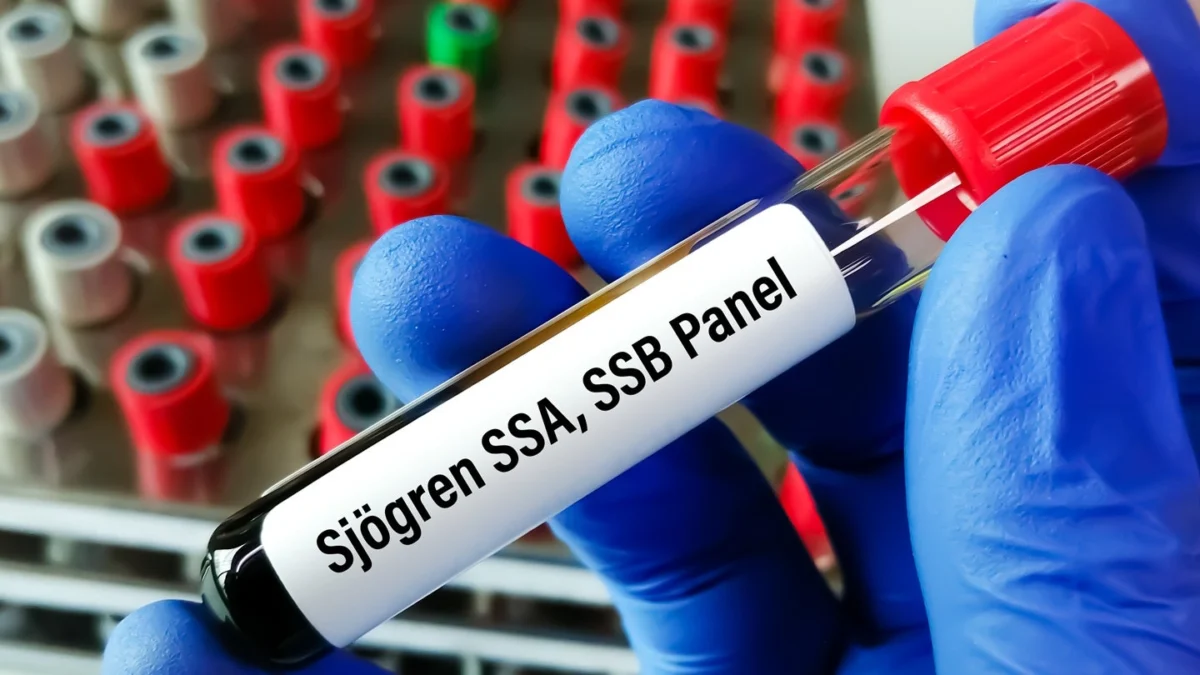
Gilead Sciences is poised to make a significant entry into the burgeoning field of T-cell engagers (TCEs) with its $2.2 billion acquisition of Ouro Medicines, a move that also deepens its strategic alliance with long-term partner Galapagos. The landmark deal, structured with an upfront payment of $1.68 billion and a commitment of up to $500 million in milestone payments, centers on Ouro’s promising BCMA/CD3-targeting TCE, gamgertamig (OM336). This investigational therapy is currently undergoing clinical development for challenging B-cell mediated autoimmune diseases, including immune thrombocytopenia (ITP) and autoimmune haemolytic anaemia (AIHA).
This acquisition represents a pivotal moment for Gilead, marking its first foray into the potent TCE platform, a class of therapeutics that has demonstrated remarkable success in oncology. The strategic rationale behind this move, according to industry analysts, is multifaceted. It aligns with Gilead’s stated objective to diversify its portfolio beyond its established stronghold in HIV therapies and strategically complements the ongoing advancements in the autoimmune space being spearheaded by its subsidiary, Kite Pharma. The integration of gamgertamig into Gilead’s pipeline is expected to accelerate the development of novel treatments for patients suffering from debilitating autoimmune conditions, where current therapeutic options often fall short of achieving sustained remission or carry significant side effects.
The acquisition, however, is not a straightforward takeover. Gilead is reportedly in advanced negotiations with Galapagos to co-develop gamgertamig, a testament to their established and fruitful long-term partnership. This collaborative approach introduces a unique layer of complexity and potential synergy to the deal. Under the proposed terms, Galapagos could assume a significant role, sharing in half of the upfront and milestone payments associated with gamgertamig, as well as contributing to the costs of registrational trials. In return for this substantial investment and shared responsibility, Galapagos would gain control of Ouro’s operating assets and employees involved in gamgertamig’s development. Furthermore, Galapagos would be positioned to receive a notable share of gamgertamig’s net sales, ranging from 20% to 23%, outside of the greater China region, should the drug successfully navigate the complex regulatory landscape and reach the market. This arrangement underscores Galapagos’ strategic pivot towards acquiring high-value, late-stage assets to bolster its pipeline.
Ouro Medicines had previously secured the ex-Greater China rights to gamgertamig from Keymed Biosciences in January 2025, laying the groundwork for its subsequent acquisition by Gilead. The company’s focus on BCMA/CD3 targeting for autoimmune indications highlights a novel application of a mechanism previously confined to cancer treatment. By redirecting TCEs, which are designed to bridge T-cells to target cells for elimination, towards the aberrant B-cells driving autoimmune pathology, Ouro and now Gilead are exploring a potentially transformative therapeutic strategy.
A Strategic Pivot for Galapagos
The proposed co-development agreement with Gilead signifies a critical step in Galapagos’ broader pipeline expansion strategy, particularly as the company undergoes a period of significant corporate restructuring. In October 2025, Galapagos made the strategic decision to shutter its cell therapy unit, signaling a deliberate departure from a therapeutic modality that has generated considerable debate and mixed results within the pharmaceutical industry. This move away from cell therapies underscores Galapagos’ commitment to focusing its resources and capital on acquiring and developing promising late-stage pipeline candidates, particularly in the immunology and oncology sectors.
With substantial cash reserves, estimated at approximately €3 billion ($3.5 billion), Galapagos is actively pursuing opportunities to acquire assets that can rapidly advance towards commercialization. This strategic focus was previously articulated by Galapagos CEO, Henry Gosebruch, who emphasized the company’s intent to leverage its financial strength to secure "late-stage" assets. This approach aims to de-risk the development pathway and accelerate the delivery of innovative treatments to patients.
Currently, Galapagos’ internal pipeline features one notable asset, GLPG3667, an oral tyrosine kinase 2 (TYK2) inhibitor. This drug is being developed for the treatment of systemic lupus erythematosus (SLE) and dermatomyositis. While GLPG3667 has demonstrated some efficacy in mid-stage trials, the results have been described as mixed, indicating the ongoing need for further validation and potentially additional therapeutic avenues. The proposed collaboration with Gilead on gamgertamig presents a significant opportunity for Galapagos to acquire a potentially groundbreaking therapy with a more advanced clinical profile, thereby diversifying its pipeline and strengthening its position in the immunology space.
T-Cell Engagers Expand Their Reach into Autoimmune Diseases
The application of T-cell engagers (TCEs) in the therapeutic landscape has historically been dominated by their successful deployment in oncology. Drugs such as Johnson & Johnson’s Tecvayli (teclistamab) and AbbVie and Genmab’s Epkinly (epcoritamab) have gained regulatory approvals for indications like multiple myeloma and B-cell lymphomas, respectively. These successes have validated the efficacy of TCEs in selectively eliminating malignant cells by harnessing the patient’s own immune system.
However, the proven success of TCEs in oncology has now catalyzed a significant shift, prompting several major pharmaceutical players to explore their potential in the complex and often chronic realm of autoimmune diseases. The underlying principle of TCEs – redirecting T-cells to target specific cell populations – is being reimagined to address the aberrant immune cells that drive autoimmune conditions.
This burgeoning trend is evident in recent strategic moves by other industry leaders. In March 2026, Sanofi entered into a substantial $1.23 billion licensing agreement with Kali Therapeutics for KT501, a trispecific antibody designed to target autoimmune diseases. This deal highlights Sanofi’s commitment to advancing novel immunotherapies for autoimmune indications. Similarly, Boehringer Ingelheim forged a significant licensing agreement with CDR-Life in November 2025, committing up to $570 million for the global rights to CDR111, a trispecific autoimmune therapy. These agreements underscore a growing industry-wide recognition of the therapeutic promise of TCEs and related bispecific/trispecific antibody formats in the autoimmune arena.
The emergence of new companies specifically focused on this therapeutic space, such as Excalipoint Therapeutics which recently secured significant seed funding, further emphasizes the robust investor interest and the perceived potential for innovation in using immune-engaging technologies to combat autoimmune disorders. This dynamic landscape suggests that the next wave of innovation in treating autoimmune diseases may well involve sophisticated immunomodulatory agents like TCEs.
Background and Chronology of the Deal
The journey leading to Gilead’s acquisition of Ouro Medicines and its potential collaboration with Galapagos can be traced through several key events and strategic decisions.
- January 2025: Ouro Medicines acquires the ex-Greater China rights to gamgertamig (OM336) from Keymed Biosciences. This pivotal licensing agreement lays the foundation for Ouro’s development program for the novel TCE.
- October 2025: Galapagos announces the closure of its cell therapy unit, signaling a strategic redirection towards acquiring late-stage pipeline assets. This decision frees up capital and management focus for new investment opportunities.
- Early 2026 (Reported): Gilead Sciences initiates discussions with Ouro Medicines regarding a potential acquisition. Concurrently, Gilead engages in late-stage negotiations with Galapagos to establish a co-development framework for gamgertamig, leveraging their existing partnership.
- Mid-2026 (Announced): Gilead Sciences formally announces its agreement to acquire Ouro Medicines for $2.2 billion, comprising an upfront payment of $1.68 billion and up to $500 million in milestone payments. The announcement also details the proposed co-development structure with Galapagos, subject to definitive agreements.
This timeline illustrates a rapid and decisive strategic execution by Gilead, capitalizing on an emerging asset and a partner with a clear strategic vision for pipeline expansion. The deal structure, particularly the inclusion of Galapagos, reflects a sophisticated approach to drug development, aiming to share risk and reward while optimizing resource allocation.
Supporting Data and Market Context
The market for autoimmune disease treatments is substantial and continues to grow, driven by increasing disease prevalence and the unmet need for more effective and targeted therapies. The global autoimmune disease market was valued at approximately $100 billion in 2023 and is projected to expand at a compound annual growth rate (CAGR) of over 6% in the coming years. This growth is fueled by advancements in understanding disease pathogenesis and the development of novel therapeutic modalities.
T-cell engagers, while new to the autoimmune space, have a proven track record of driving significant clinical responses in oncology. For instance, the market for CAR T-cell therapies, a related immunotherapy, has seen rapid expansion, with several products achieving blockbuster status. The potential for TCEs to offer a less complex and potentially more accessible alternative to CAR T-cells, particularly in autoimmune diseases, is a key driver of interest.
The BCMA target, central to gamgertamig’s mechanism, has been a focal point in multiple myeloma research, with several BCMA-targeting therapies already approved. However, its application in B-cell mediated autoimmune diseases represents a novel and potentially high-impact strategy. By targeting B-cells, which play a critical role in antibody production and immune dysregulation in many autoimmune conditions, gamgertamig aims to restore immune homeostasis.
The financial terms of the Gilead-Ouro deal, including the $2.2 billion valuation, reflect the perceived value and future potential of gamgertamig. The upfront payment of $1.68 billion indicates Gilead’s confidence in the asset’s near-term development prospects and its strategic importance. The inclusion of up to $500 million in milestone payments suggests that significant hurdles remain in clinical development and regulatory approval, but also provides a clear pathway for Ouro’s shareholders to realize additional value.
Broader Impact and Implications
The acquisition of Ouro Medicines by Gilead Sciences, coupled with the proposed co-development with Galapagos, carries significant implications for several stakeholders and the broader pharmaceutical landscape.
- For Patients: The potential of gamgertamig to offer a new therapeutic option for patients suffering from debilitating autoimmune diseases like ITP and AIHA is of paramount importance. These conditions can significantly impair quality of life and lead to serious complications. The development of a targeted therapy like a TCE could offer improved efficacy and potentially a better safety profile compared to existing broad immunosuppressants.
- For Gilead Sciences: This move signals Gilead’s ambitious strategy to diversify its therapeutic offerings and capitalize on innovative technologies. It positions Gilead as a key player in the emerging field of TCEs for autoimmune diseases, a segment with immense growth potential. The collaboration with Galapagos also highlights Gilead’s ability to forge strategic partnerships that leverage shared expertise and financial resources.
- For Galapagos: The proposed deal represents a significant opportunity for Galapagos to substantially bolster its pipeline with a late-stage asset that aligns with its strategic focus on immunology. The financial commitment and potential revenue share offer a clear path to value creation, particularly as the company undergoes its strategic restructuring. This move could accelerate Galapagos’ transition from a discovery-focused biotech to a developer and marketer of innovative therapies.
- For the Pharmaceutical Industry: The acquisition underscores the increasing trend of big pharma companies investing in novel immunotherapies and expanding their focus beyond oncology. The successful application of TCEs in autoimmune diseases could pave the way for the development of similar technologies for a wide range of immune-mediated disorders, potentially revolutionizing treatment paradigms. It also validates the investment in companies focused on niche but high-impact therapeutic areas.
- For Ouro Medicines: The acquisition provides a substantial financial return for Ouro’s investors and a validation of its scientific platform and the therapeutic potential of gamgertamig. It ensures that the development of this promising therapy will be supported by the resources and expertise of a global biopharmaceutical leader.
The successful navigation of gamgertamig through clinical trials and regulatory review will be closely watched. The potential of TCEs to address the complexities of autoimmune diseases is immense, and this deal marks a significant step forward in realizing that potential. The collaborative approach between Gilead and Galapagos suggests a commitment to pooling resources and expertise to maximize the chances of success, ultimately aiming to bring a much-needed therapeutic innovation to patients.