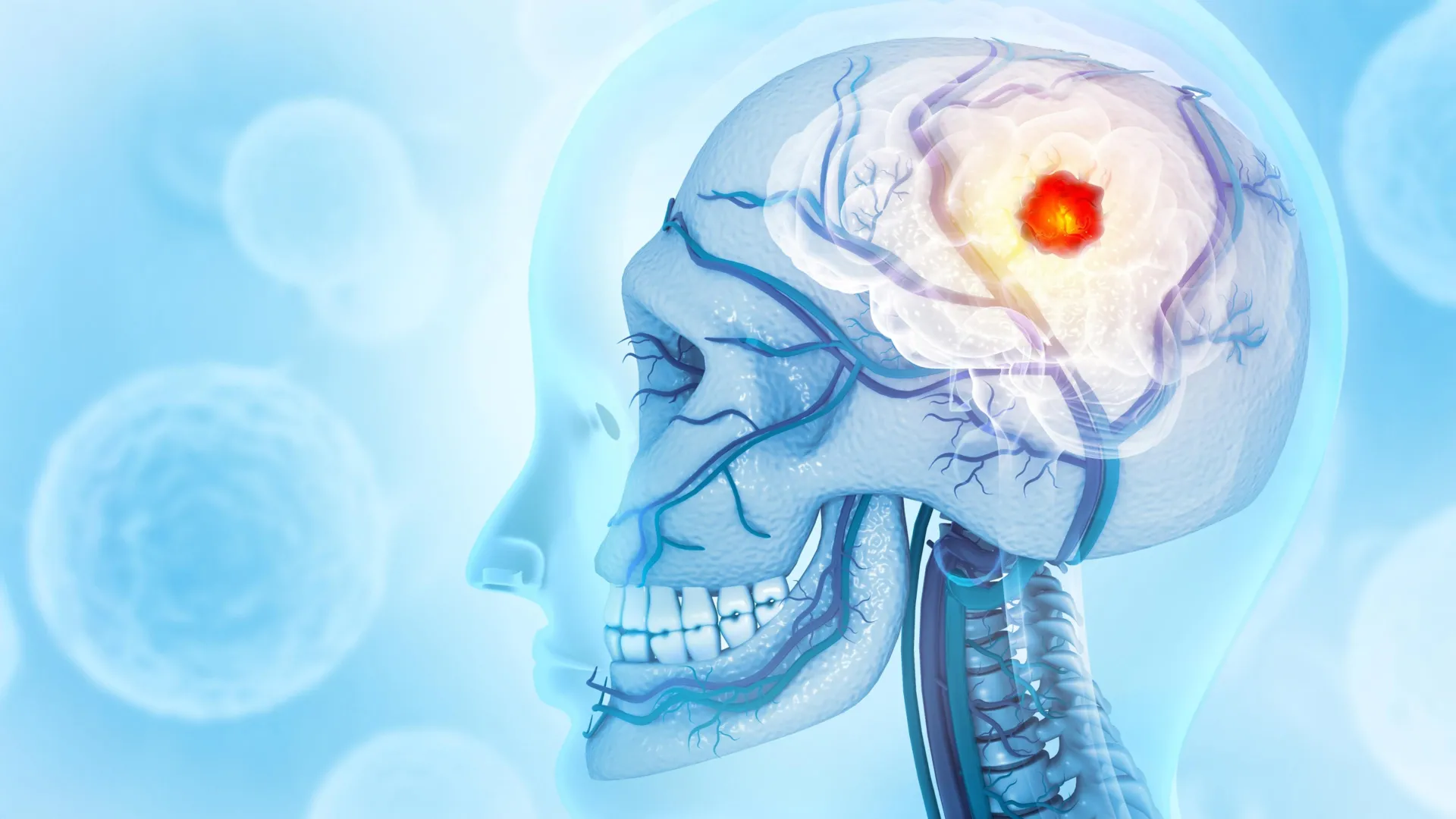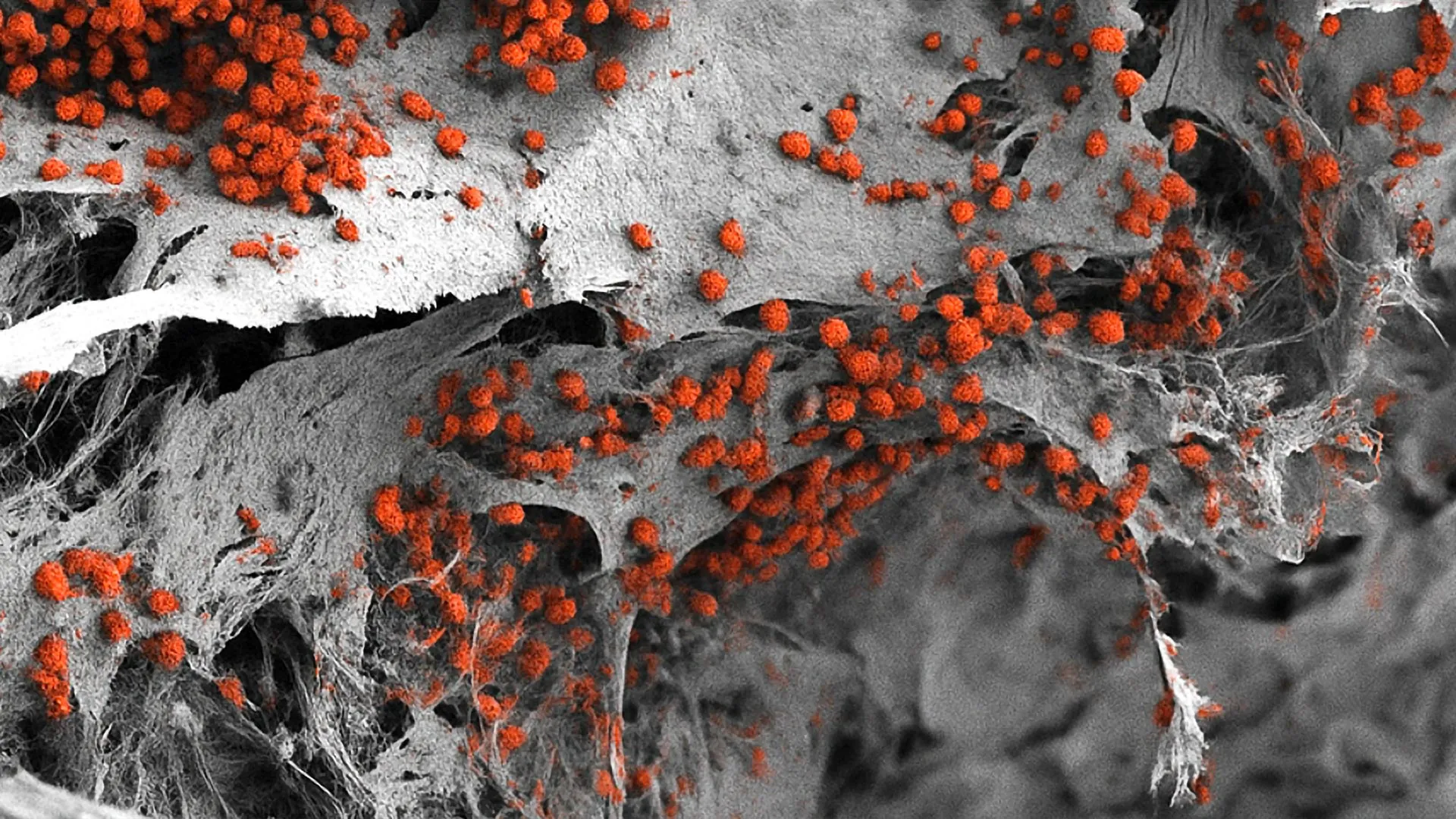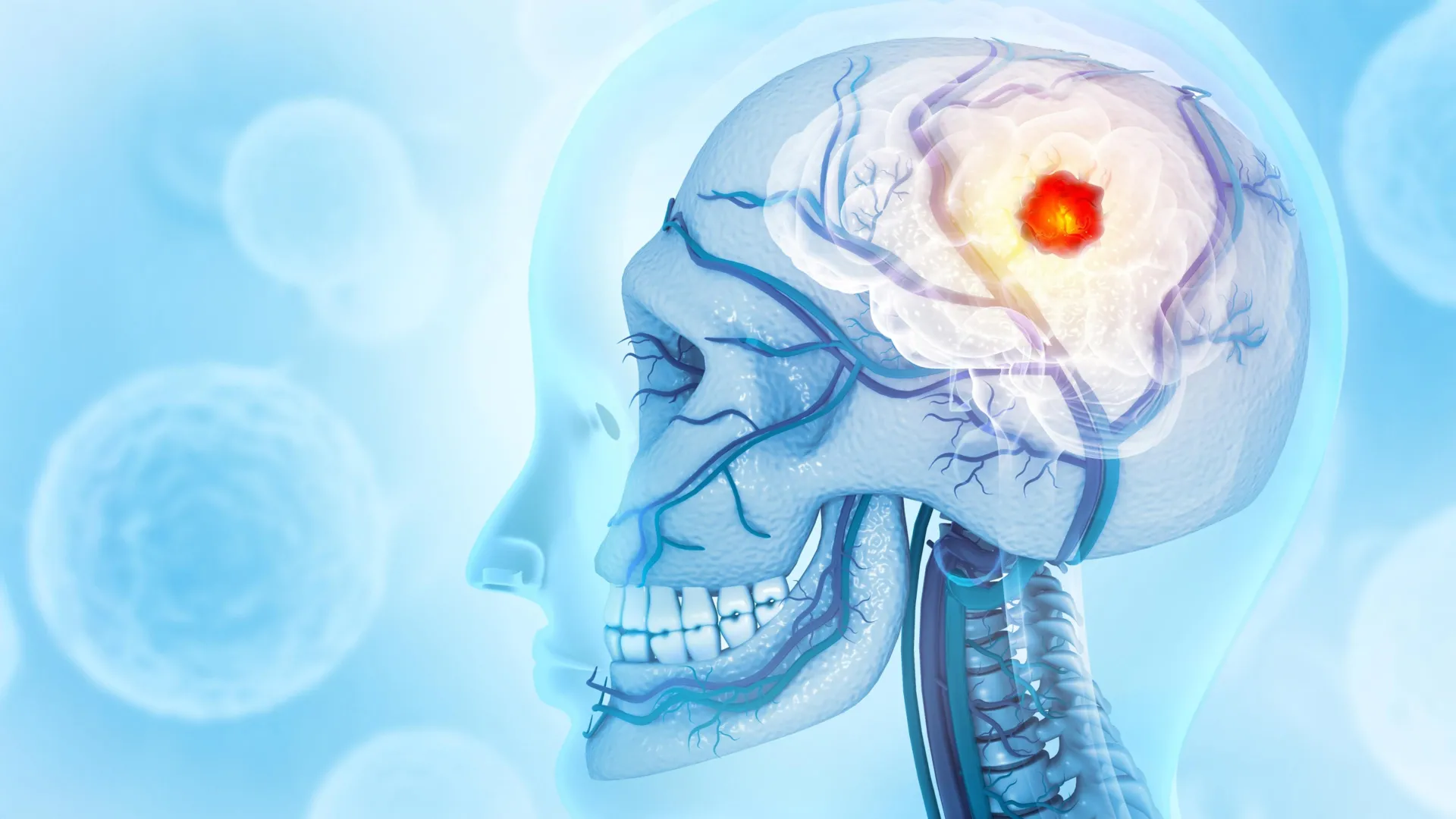
The traditional understanding of glioblastoma—a devastating and primary form of brain cancer—has long characterized the disease as a localized phenomenon, confined within the protective vault of the skull and the blood-brain barrier. However, groundbreaking research from the Montefiore Einstein Comprehensive Cancer Center (MECCC) and the Albert Einstein College of Medicine has fundamentally challenged this narrative. A study published on October 3 in the journal Nature Neuroscience reveals that glioblastoma is a systemic architect of its own environment, extending its influence far beyond the brain tissue itself. The research demonstrates that these tumors actively erode the skull, alter the biological composition of bone marrow, and manipulate the body’s immune system to facilitate their own progression. Perhaps most alarmingly, the study found that certain medications commonly prescribed to prevent bone loss may inadvertently accelerate the growth of these tumors, complicating existing treatment protocols.
A Paradigm Shift in Neuro-Oncology
Glioblastoma multiforme (GBM) remains one of the most formidable challenges in modern medicine. According to the National Cancer Institute (NCI), approximately 15,000 individuals in the United States are diagnosed with this malignancy annually. Despite decades of intensive research and the implementation of a rigorous standard of care—comprising surgical resection, radiotherapy, and temozolomide-based chemotherapy—the prognosis remains bleak. The median survival time for patients is roughly 15 months, a statistic that has seen little significant improvement in over twenty years.
The failure of localized treatments has long puzzled oncologists. "Our discovery that this notoriously hard-to-treat brain cancer interacts with the body’s immune system may help explain why current therapies—all of them dealing with glioblastoma as a local disease—have failed," stated Jinan Behnan, Ph.D., the paper’s corresponding author and assistant professor at Einstein. Dr. Behnan, who is a member of the NCI-designated MECCC, emphasized that this shift in perspective—from viewing the tumor as an isolated mass to seeing it as a systemic disruptor—could be the key to developing more effective therapeutic strategies.
The Discovery of the Skull-Brain Conduit
The foundation of this study lies in a relatively recent anatomical discovery: the existence of microscopic, extremely thin channels that connect the brain directly to the skull’s bone marrow. Historically, the skull was viewed merely as a static protective casing. However, these channels allow for a bidirectional exchange of molecules and immune cells, bypassing the more traditional circulatory routes.
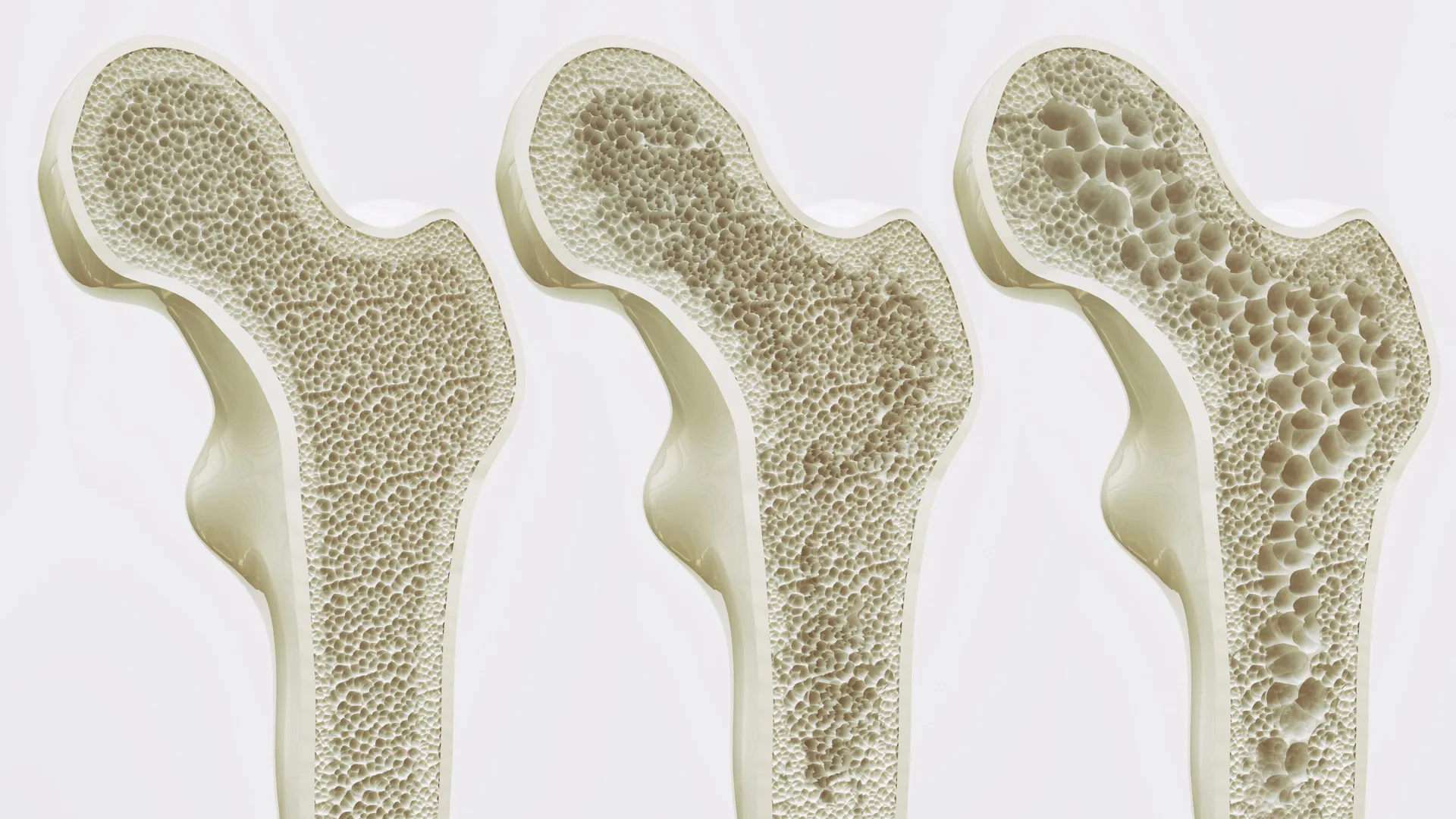
Inspired by this "back door" into the brain, Dr. Behnan and her team utilized advanced imaging tools to observe how glioblastoma interacts with these conduits. Using mouse models of the disease, the researchers observed a startling phenomenon: the presence of the tumor triggered significant erosion of the skull bone. This degradation was most pronounced along the sutures—the fibrous joints where the various bones of the skull fuse together.
Crucially, this bone loss was not a general symptom of brain distress. The researchers compared the glioblastoma models to mice that had suffered strokes, other forms of traumatic brain injury, or cancers located in other parts of the body. In those cases, the skull remained intact. The erosion was specific to glioblastoma and other highly aggressive brain tumors. To confirm the relevance to humans, the team analyzed CT scans of human glioblastoma patients, which corroborated the findings by showing similar thinning of the skull in regions corresponding to the mouse models.
The Myeloid Shift: Hijacking the Immune Reservoir
The erosion of the skull bone is not merely structural; it is functional. The study found that as the bone thins, the channels connecting the skull to the brain increase in both number and diameter. The researchers hypothesized that the tumor uses these widened pathways to send molecular signals into the skull marrow, effectively "reprogramming" the immune cell production at the source.
Using single-cell RNA sequencing, a technology that allows scientists to examine the genetic expression of individual cells, the team discovered a dramatic shift in the immune landscape of the skull marrow. In a healthy state, bone marrow produces a balanced variety of immune cells. In the presence of glioblastoma, however, this balance is skewed toward a pro-inflammatory state.
The levels of inflammatory neutrophils—cells that, while necessary for fighting acute infection, can promote tumor growth and suppress other immune responses in a cancer context—nearly doubled. Conversely, the marrow showed a near-total depletion of B cells, which are responsible for producing antibodies and maintaining long-term immune memory. This "tilt toward inflammation" creates a self-sustaining cycle: the marrow produces pro-inflammatory cells, which then migrate through the enlarged skull channels directly into the tumor, making the cancer more aggressive and resistant to treatment.
Systemic Discord: Skull vs. Femur Marrow
One of the most intriguing aspects of the study is the localized nature of the marrow’s response. While the cancer’s impact is systemic in its reach, the reaction of the bone marrow varies depending on its proximity to the tumor. The researchers compared the marrow in the skull to the marrow in the femur (thigh bone).
In the skull marrow, glioblastoma activated genes that ramped up the production of inflammatory myeloid cells. However, in the femur marrow, the tumor appeared to suppress the genes necessary for producing various immune cells. This divergence suggests that glioblastoma can exert different types of influence over the body’s various immune reservoirs, effectively "blinding" the peripheral immune system while "arming" the local immune environment around the brain to protect itself.
"This indicates the need for treatments that restore the normal balance of immune cells in the skull marrow of people with glioblastoma," noted co-author E. Richard Stanley, Ph.D., a professor at Einstein. Dr. Stanley suggested that future therapeutic strategies might involve dual-action drugs: those that suppress the production of harmful neutrophils and monocytes while simultaneously stimulating the production of beneficial T and B cells.
The Osteoporosis Drug Paradox
Given that glioblastoma causes significant bone erosion, the researchers investigated whether existing bone-strengthening medications could mitigate the damage. They tested two FDA-approved drugs commonly used to treat osteoporosis: zoledronic acid (a bisphosphonate) and denosumab (a RANKL inhibitor).
While both drugs were successful in halting the erosion of the skull bone, the results regarding tumor progression were troubling. Zoledronic acid was found to actually fuel tumor progression in certain types of glioblastoma. Furthermore, both drugs interfered with the efficacy of anti-PD-L1 immunotherapy. Immunotherapy is a burgeoning field of cancer treatment that aims to "unmask" cancer cells so the body’s T cells can attack them. By blocking the effects of these treatments, the bone-loss medications inadvertently protected the tumor from the body’s natural defenses.
This finding carries significant clinical implications. Many cancer patients are prescribed bone-strengthening agents to combat the side effects of chemotherapy or to manage bone metastases. The Einstein study suggests that for glioblastoma patients, these drugs may be counterproductive, highlighting the need for a highly nuanced approach to supportive care.
Timeline and Collaborative Effort
The study, titled "Brain Tumors Induce Widespread Disruption of Calvarial Bone and Alteration of Skull Marrow Immune Landscape," is the result of a multi-year collaborative effort involving dozens of researchers across several international institutions.
The research was spearheaded by the Montefiore Einstein Comprehensive Cancer Center, with significant contributions from the Leo M. Davidoff Department of Neurological Surgery and the Department of Microbiology & Immunology. The interdisciplinary team included experts in developmental biology, molecular biology, and neurosurgery. International collaboration was also vital, with researchers from Osaka University in Japan, Karolinska Hospital in Sweden, and the German Rheumatism Research Center in Berlin contributing to the imaging and genetic sequencing components of the study.
Implications for the Future of Brain Cancer Treatment
The findings of this study provide a new lens through which to view glioblastoma. By demonstrating that the tumor actively manipulates the skull and its marrow, the research explains why localized treatments like surgery and radiation often fail to prevent recurrence. The tumor essentially creates a "supply chain" of pro-cancer immune cells that can re-populate the brain even after the primary mass is removed.
The implications for clinical practice are twofold. First, there is an urgent need to reconsider the use of bone-density medications in patients with primary brain tumors. Second, the study opens the door for a new class of "systemic-local" therapies. Instead of only targeting the tumor, future treatments might focus on the skull-brain channels or the marrow’s immune signaling pathways to cut off the tumor’s reinforcements.
As the oncology community digests these findings, the focus will likely shift toward clinical trials that test immune-balancing agents in combination with traditional therapies. By treating glioblastoma as the complex, multi-systemic disease it is, researchers hope to finally break the 15-month survival ceiling and provide new hope for the thousands of patients diagnosed with this lethal cancer each year.