A groundbreaking preclinical study led by researchers at The Jackson Laboratory (JAX; ME, USA) has successfully utilized precision gene editing to correct a specific DNA error in mice, effectively targeting the underlying cause of Dravet syndrome, a rare, severe, and often fatal form of childhood epilepsy. The intervention, which saw a significant reduction in seizures and a marked increase in lifespan in the treated mice, offers a powerful proof of concept for a potential one-time genetic correction therapy, moving beyond current approaches that merely manage symptoms. This significant advance, achieved through adenine base editing, represents a major stride in genetic medicine, particularly in the challenging domain of restoring disease-relevant brain function with molecular precision.
Dravet Syndrome: A Devastating Neurological Disorder
Dravet syndrome is a catastrophic neurodevelopmental disorder that typically manifests in infancy or early childhood, presenting a complex array of debilitating symptoms. Characterized by drug-resistant epilepsy, patients experience frequent and prolonged seizures, often triggered by fever, alongside severe developmental impairments. The relentless nature of the seizures and the associated neurological deficits contribute to a high risk of sudden unexpected death in epilepsy (SUDEP), making it one of the most challenging pediatric epilepsies to manage. Affecting an estimated 15,000–20,000 individuals in the United States alone, according to Cathleen Lutz, Vice President of the JAX Rare Disease Translational Center (RDTC) and a co-leader of the study, Dravet syndrome presents a profound unmet medical need. Current approved therapies, while offering some relief, necessitate repeated dosing and long-term intervention, focusing primarily on symptomatic control rather than addressing the genetic root.
The molecular culprit behind Dravet syndrome in a vast majority of cases is a mutation in the SCN1A gene. This gene is crucial for producing a fully functional Nav1.1 voltage-gated sodium channel, which plays a critical role in regulating neuronal excitability, particularly in inhibitory neurons. When the SCN1A gene is mutated, as in the R613X variant targeted in this study, cells fail to produce adequate functional Nav1.1 channels. This deficiency leads to an electrophysiological imbalance within specific brain cells, causing neurons to malfunction and rendering the brain hyperexcitable and highly prone to seizures. The implications of this channelopathy are far-reaching, contributing to the severe epilepsy and cognitive challenges characteristic of the syndrome.
A New Era of Precision Genetics: Adenine Base Editing
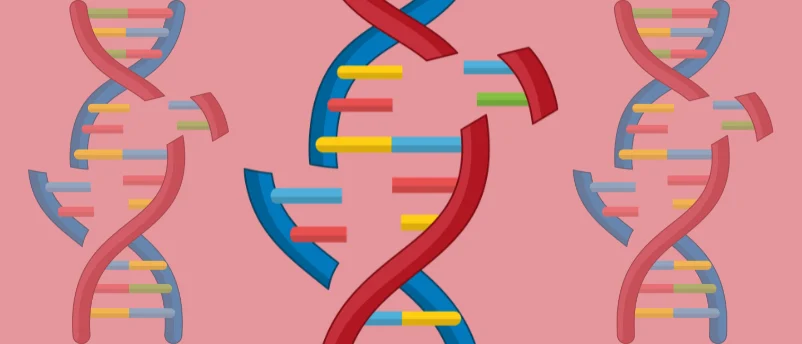
The research leveraged adenine base editing (ABE), a sophisticated precision gene-editing technique that offers unparalleled accuracy in rewriting a single DNA letter. Unlike traditional CRISPR-Cas9 systems that create double-strand breaks in the DNA helix – a process that can sometimes lead to unintended genomic rearrangements or insertions/deletions – ABE directly converts one base pair to another (e.g., A•T to G•C) without severing both DNA strands. This ‘cut-free’ approach is crucial for preserving genomic integrity and significantly reducing the risk of undesirable off-target edits, thereby enhancing the safety profile of the therapeutic strategy.
In this preclinical investigation, the base editor was delivered into the brains of very young mice, models for Dravet syndrome, via a single injection. The timing of the intervention varied, with some mice receiving the treatment on day one after birth, and others on day 12. This dual-timing strategy was critical to assess the therapeutic window, particularly considering that human patients are rarely diagnosed at birth and typically present with symptoms later in infancy or early childhood. The successful application of base editing to a neurological disorder involving specialized inhibitory neurons distributed throughout the brain marks a particularly significant achievement, given the inherent challenges of delivering gene-editing tools effectively and safely across the complex architecture of the central nervous system.
Compelling Preclinical Outcomes and Implications
The results of the study were highly encouraging. Researchers observed that nearly 60% of the mutated DNA in the treated mice was successfully corrected. Remarkably, even with this partial correction, almost all the expression of the targeted gene appeared normal. This phenomenon is attributed to the cell’s natural regulatory systems, which efficiently destroy defective messenger RNA (mRNA) transcripts produced from uncorrected genes. As Matthew Simon, a senior study director at the JAX RDTC and co-leader of the study, explained, "The advantage here is that once you correct the gene, the cell’s own regulatory systems take over again. You’re not managing a disease but restoring the biology that was always meant to be there." This intrinsic cellular mechanism amplifies the therapeutic effect of the genetic correction, requiring less than 100% editing efficiency to achieve substantial functional restoration.
As predicted by the genetic correction, the edited mice exhibited a dramatic improvement in their condition. The restoration of the SCN1A gene function led to a significant reduction in seizure frequency and severity, and critically, a substantial improvement in survival rates compared to untreated control mice. Mice that received the treatment on day one after birth showed the most pronounced survival benefit. Importantly, those treated on day 12 also experienced lasting protection into young adulthood, demonstrating that intervention after symptom onset could still be highly effective. Furthermore, the researchers meticulously assessed for unintended DNA changes or adverse effects in the brain, finding very low levels, underscoring the precision and safety of the ABE approach.

Simon emphasized the clinical relevance of the later intervention: "Most patients aren’t diagnosed at birth. They’re diagnosed after symptoms begin. So, showing that we can intervene later, at an age closer to real patients, is important. There’s been a concern that once the brain develops, it may be too late to fix these problems. Our data suggest that’s not the case." This finding offers immense hope for existing Dravet syndrome patients and their families, suggesting that even after neurological symptoms have manifested, precise genetic intervention could still yield profound therapeutic benefits, potentially reversing or significantly mitigating the disease progression.
The Accelerating Landscape of Genetic Medicine and Regulatory Support
This latest breakthrough from The Jackson Laboratory is not an isolated event but rather a testament to the growing momentum behind gene editing as a viable therapeutic platform for a range of rare diseases. The field has witnessed several landmark advances in recent years, signaling a paradigm shift in how genetic disorders are approached.
Just months prior, in February 2026, the U.S. Food and Drug Administration (FDA; MD, USA) issued its landmark ‘Plausible Mechanism Framework’ guidance. This critical regulatory document outlines an expedited pathway for individualized therapies targeting specific genetic conditions. Recognizing the inherent challenges of conducting large-scale clinical trials for ultra-rare diseases, the framework posits that for conditions with a well-characterized biological mechanism, this understanding can serve as a robust foundation for regulatory approval. This progressive stance by the FDA is expected to significantly accelerate the translation of promising gene-editing therapies, like the one for Dravet syndrome, from preclinical research to clinical application, fostering innovation in an area of immense unmet need.
The JAX team, in collaboration with pioneers like David Liu from the Broad Institute (MA, USA), has been at the forefront of this revolution. Their work builds on a long-standing partnership, which in 2025, saw the successful treatment of Baby KJ Muldoon for a rare genetic condition, a case widely celebrated as a landmark in gene therapy. More recently, in April 2026, a JAX team co-led by Lutz and collaborating with the same Broad Institute group, reported using the same base editing technology to correct mutations in mice and human patient cells for Zellweger spectrum disorder, an extremely rare and life-threatening genetic disease affecting liver function in early childhood. Furthermore, in July 2025, the team successfully fixed mutations in mice causing alternating hemiplegia of childhood (AHC), a genetic disorder that leads to life-threatening seizures in children, utilizing prime editing – a related but distinct gene-editing approach capable of rewriting short DNA sections (insertions, deletions, or replacements) rather than just single-letter corrections. These successive successes underscore the versatility and increasing maturity of gene-editing technologies and the strategic development of a "platform" approach.
Collaborative Excellence and Future Directions
The success of the Dravet syndrome study is a powerful illustration of the benefits of collaborative science, bringing together diverse expertise from leading institutions. The work builds on the established collaboration between Cathleen Lutz’s RDTC at JAX and David Liu’s pioneering gene-editing laboratory at the Broad Institute. This project further expanded to include Ethan M. Goldberg, a pediatric neurologist at Children’s Hospital of Philadelphia (CHOP; PA, USA) and director of the Epilepsy Neurogenetics Initiative, ensuring that the research was grounded in clinical relevance and patient needs. David Liu aptly concluded, "It is also a compelling example of the benefits of working collaboratively across laboratories and institutions to integrate each other’s complementary expertise into the foundation for a future treatment for a devastating rare disease."
Looking ahead, the researchers are focused on refining their approach for clinical translation. A key challenge lies in adapting the therapy for the diverse range of Dravet-causing mutations. While the current study focused on the R613X variant, Dravet syndrome patients often present with their own unique SCN1A mutations. The next step involves developing strategies to tailor the base-editing approach to address this mutational heterogeneity. This will likely involve designing custom guide RNA molecules that direct the base editor to the specific mutated site in each patient’s DNA.
The long-term vision, as articulated by Cathleen Lutz, is to establish a robust and adaptable platform for genetic medicine. This involves distinguishing between the unchanging components of the gene-editing platform (e.g., the base editor machinery itself) and those that require tailoring to each specific disease or mutation (primarily the guide molecule). The goal is to establish the overall safety and efficacy of the core platform, thereby making the adaptation to new mutations increasingly practical and efficient. "The long-term vision is to build a platform so robust and adaptable that correcting a new mutation becomes a matter of precision and speed rather than starting from scratch, ultimately expanding the reach of genetic medicine to diseases that today can only be managed," Lutz remarked.
This strategic approach promises to streamline the development process for future gene-editing therapies, potentially accelerating their journey from laboratory bench to patient bedside. While challenges remain in advancing delivery technologies for clinical application and ensuring equitable access, the preclinical success against Dravet syndrome offers profound hope. It signifies a tangible shift from merely alleviating symptoms to durably correcting the fundamental genetic errors that underpin devastating diseases, heralding a truly transformative era for patients and families living with rare genetic disorders. The medical community and patient advocacy groups alike will undoubtedly watch the continued development of this technology with immense anticipation and cautious optimism.