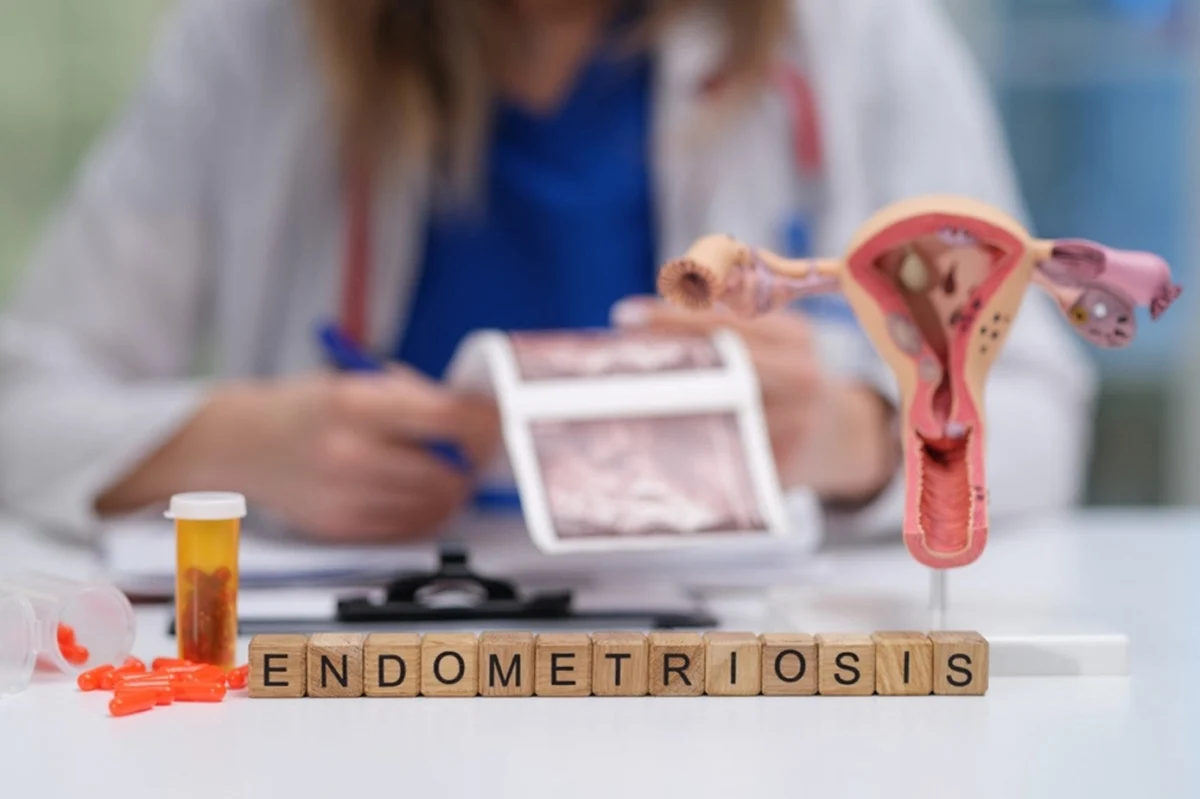
Endometriosis, a debilitating chronic inflammatory condition affecting an estimated 10% of reproductive-age women globally, continues to be plagued by a staggering diagnostic delay, with current wait times in the UK reaching an average of nine years and four months. While innovative diagnostic technologies are emerging with the potential to dramatically shorten this timeline, significant systemic barriers to their widespread implementation remain, hindering timely intervention, effective pain management, and fertility preservation for millions.
The insidious nature of endometriosis, characterized by the growth of endometrial-like tissue outside the uterine cavity, often begins with superficial peritoneal lesions – the earliest and most common form, yet notoriously difficult to detect. This diagnostic challenge is a primary contributor to the prolonged suffering experienced by patients. A recent survey conducted by Endometriosis UK for 2025 highlighted this alarming trend, indicating an increase in the average diagnosis wait time, underscoring the urgent need for more accessible and efficient diagnostic methods.
The medical community has long relied on laparoscopy, an invasive surgical procedure, as the gold standard for definitive endometriosis diagnosis. However, this method is often reserved for cases with severe symptoms due to its inherent risks and recovery period. This reliance on invasive procedures, coupled with a pervasive lack of awareness and persistent misconceptions surrounding the disease among both the public and healthcare professionals, contributes to the normalization of symptoms. Dr. Hugh Taylor, Anita O’Keeffe Young Professor of Obstetrics, Gynaecology, and Reproductive Sciences at Yale School of Medicine, elaborates on this critical issue, stating that the difficulty in objectively quantifying endometriosis-related pain further complicates diagnosis. Patients often use familial pain tolerance as a benchmark, overlooking the potentially hereditary nature of the condition.
Compounding these challenges is the frequent misdiagnosis of endometriosis. Symptoms can overlap with other gastrointestinal or urological conditions, leading patients to be referred to specialists in those fields, further extending the diagnostic odyssey. David Hail, CEO of Serac Healthcare, a UK-based biotech developing a radioligand tracer for endometriosis, notes that patients frequently compare their pain to that of family members, a metric complicated by the genetic predisposition of the disease.
The landscape for endometriosis diagnosis is, however, undergoing a significant transformation. The non-invasive diagnostic research space has witnessed a surge in momentum, with several innovative tests progressing through late-stage development. A 2025 GlobalData report projects the global endometriosis market to reach $2.5 billion by 2034, with improved diagnosis rates driven by non-invasive tests identified as a key growth catalyst. GlobalData is the parent company of Pharmaceutical Technology.
Despite this burgeoning interest from private enterprises and promising technological advancements, a critical gap exists in public funding. Dr. Taylor points out the inadequacy of National Institutes of Health (NIH) funding to significantly advance these diagnostic solutions. Conversely, Farideh Bischoff, PhD, Chief Medical Officer at HerAnova, a biotech firm developing a blood-based endometriosis test, observes a notable shift in industry focus over the past 12 months, with a growing investor appreciation for women’s health innovations. While numerous biotechs are reporting high levels of accuracy and specificity for their tests, integrating these advancements into clinical guidelines and ensuring equitable patient access remain formidable challenges.
Emerging Non-Invasive Diagnostic Technologies
The pursuit of accurate and accessible non-invasive diagnostic tools for endometriosis is gaining considerable traction. Several promising approaches are on the horizon, each employing distinct methodologies to detect the disease:
-
Radioligand Tracer Technology (Serac Healthcare): Serac Healthcare is pioneering the use of an imaging agent, the radiolabeled tracer 99mTc-maraciclatide. This agent targets $alpha$v$beta$3 integrin, a protein that is upregulated in angiogenesis, a crucial hallmark of inflammation, including in superficial peritoneal endometriosis. Early findings from the DETECT observational study (NCT05623332) suggest that maraciclatide can effectively detect this early-stage form of the disease, which often eludes detection by conventional imaging techniques like ultrasound and MRI. Full study results are anticipated imminently. The U.S. Food and Drug Administration (FDA) has granted maraciclatide Fast Track designation, and an agreement has been reached with the FDA on Serac’s Phase III trial design for regulatory approval.
-
MicroRNA-Based Saliva Test (Ziwig): The Lyon, France-based company Ziwig has developed Endotest, a diagnostic product that analyzes saliva samples for a specific signature of 109 microRNAs identified as indicative of endometriosis. In a large-scale prospective multicenter validation study involving 971 patients, Endotest demonstrated a remarkable 96.6% accuracy and 94.1% specificity for detecting the microRNA signature. The test received a CE mark in March 2022 and is currently available in Europe, including the UK (£800/$1,056), and the Middle East. In France, an early access program is underway, providing Endotest to 25,000 women across 100 hospitals, generating valuable real-world data on clinical utility and patient quality of life. Andrew Spiers, clinical lead at Ziwig, highlights the stability of saliva at room temperature for up to 30 days as a significant advantage, potentially expanding access to the test in resource-limited settings. Dr. Taylor acknowledges the promise of the microRNA diagnostic approach, noting that while currently expensive, the cost is expected to decrease with technological advancements.

-
Protein Biomarker Blood Test (Proteomics International): Proteomics International has developed PromarkerEndo, a protein-based blood test that provides a risk score for endometriosis by analyzing a panel of 10 protein biomarkers. External validation data presented at the 16th World Congress on Endometriosis in Australia, involving 436 endometriosis cases, indicated an 83% sensitivity and 95% specificity for the test. PromarkerEndo is slated for launch first in Australia, followed by the United States. Catherine Wingate, product manager at Proteomics International, confirmed these rollout plans.
-
Multi-Omics Blood Assay (HerAnova): HerAnova’s CLIA-validated HerResolve blood-based assay employs a multi-omics approach, integrating artificial intelligence (AI) to analyze data from three microRNAs, three protein biomarkers, one steroid hormone, along with the patient’s age and body mass index, to provide a diagnosis. A recent multicenter case-control study involving 298 women reported a diagnostic accuracy of 94.4% and a specificity of 97.5%. HerAnova has filed for a New York State Clinical Laboratory Evaluation Program and intends to submit to the FDA in the third quarter of 2026. The test is currently being introduced in fertility centers across the US, with Bischoff emphasizing that real-world data will be instrumental in supporting reimbursement discussions with payers.
The Road to Widespread Implementation
The path from promising diagnostic development to widespread clinical adoption is fraught with challenges. Securing reimbursement for these novel tests is a primary hurdle. Hail emphasizes that demonstrating improved quality of life and cost-effectiveness will be paramount for payers to cover these diagnostics. Dr. Taylor suggests that comparative studies highlighting the effectiveness of these non-invasive tests against laparoscopy, coupled with competitive pricing, could significantly drive uptake.
Furthermore, the integration of these new diagnostic approaches into established clinical guidelines is crucial. The recently updated American College of Obstetricians and Gynaecologists (ACOG) guidelines, while strongly recommending clinical diagnosis based on symptoms and physical examination, explicitly advise against the use of blood, urine, or endometrial biomarkers, citing insufficient demonstrated accuracy for clinical practice. Spiers expresses hope that Ziwig’s ongoing research and publications will contribute to a paradigm shift, challenging the current reliance on traditional diagnostic methods and paving the way for the inclusion of non-invasive tests in future guidelines.
The Broader Research and Development Landscape for Endometriosis
Beyond diagnostics, the R&D landscape for endometriosis treatment also faces significant obstacles. The development of disease-modifying drugs is often hampered by the necessity of baseline and follow-up laparoscopic surgery to assess therapeutic efficacy. This reliance on invasive surgical assessment can lead to recruitment challenges, often resulting in clinical trials focusing on patients with more severe disease, potentially limiting the generalizability of findings to the broader endometriosis population, including those with superficial peritoneal disease.
While pain can serve as a clinical endpoint, its subjective nature presents limitations. Hail points out that pain may not always accurately reflect active endometriosis due to factors like scarring, and it often correlates poorly with lesion size and stage.
The availability of validated, alternative diagnostic tools is seen as foundational for accelerating the development of new therapeutics. Serac Healthcare is actively engaged in discussions with major pharmaceutical companies regarding the utilization of maraciclatide in clinical studies for endometriosis therapeutics, envisioning this as a potential pathway to regulatory approval.
Looking ahead, biomarkers are poised to play a critical role as predictive tools for personalized treatment strategies. Researchers at Yale School of Medicine, including Dr. Taylor, have identified a DNA-methylation signature in circulating leukocytes that can predict responsiveness to progestin therapy in endometriosis. This discovery holds the potential to guide treatment decisions and prevent the use of inappropriate therapies.
Ultimately, the complex and heterogeneous nature of endometriosis suggests that a precision medicine approach will be essential for effective management. Bischoff elaborates that distinct patient subpopulations may exhibit unique underlying disease mechanisms, necessitating tailored therapeutic interventions. The continued advancement in both diagnostic and therapeutic research, coupled with a concerted effort to overcome systemic implementation barriers, offers a hopeful outlook for improving the lives of millions affected by this chronic and often debilitating condition.