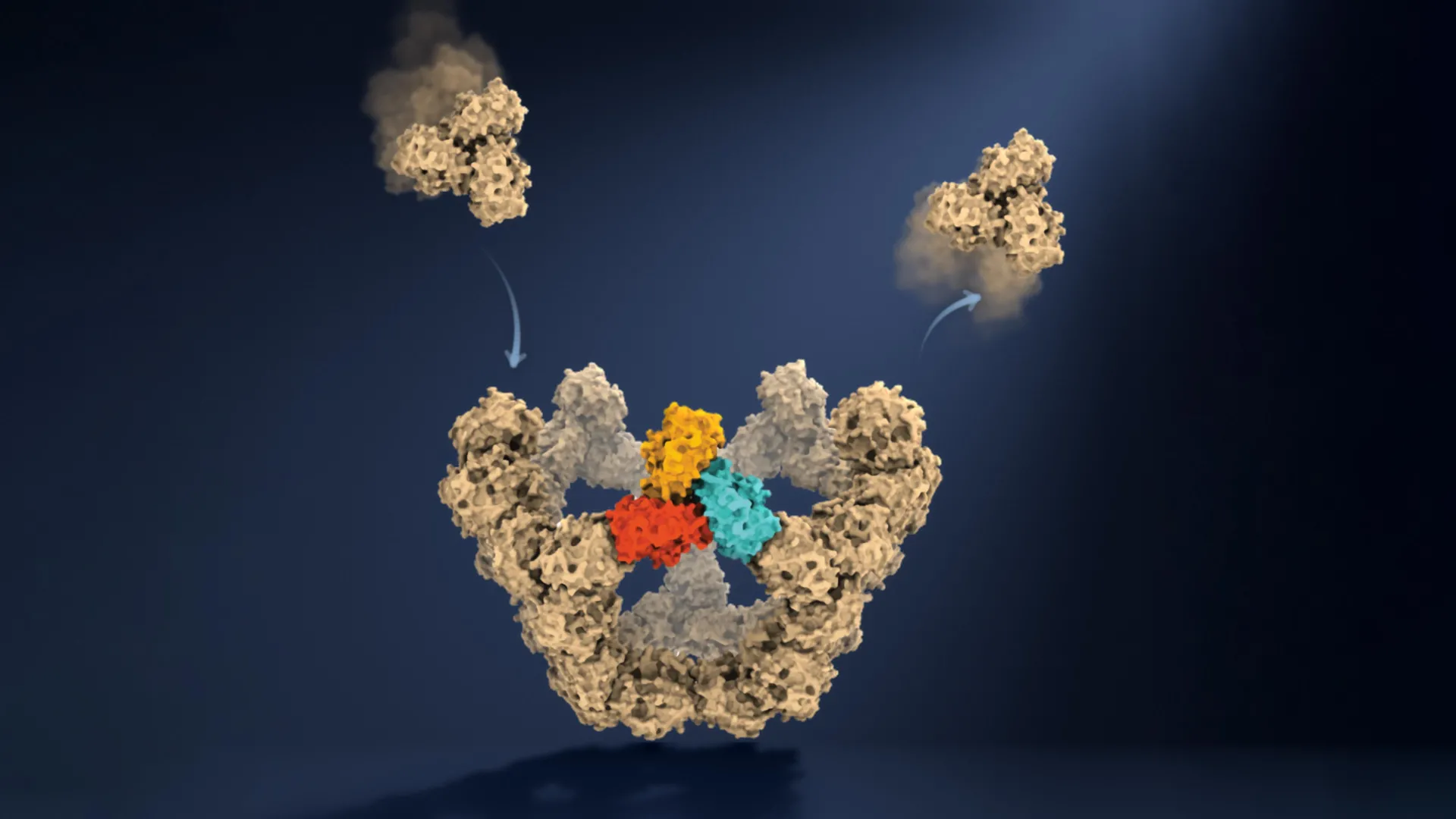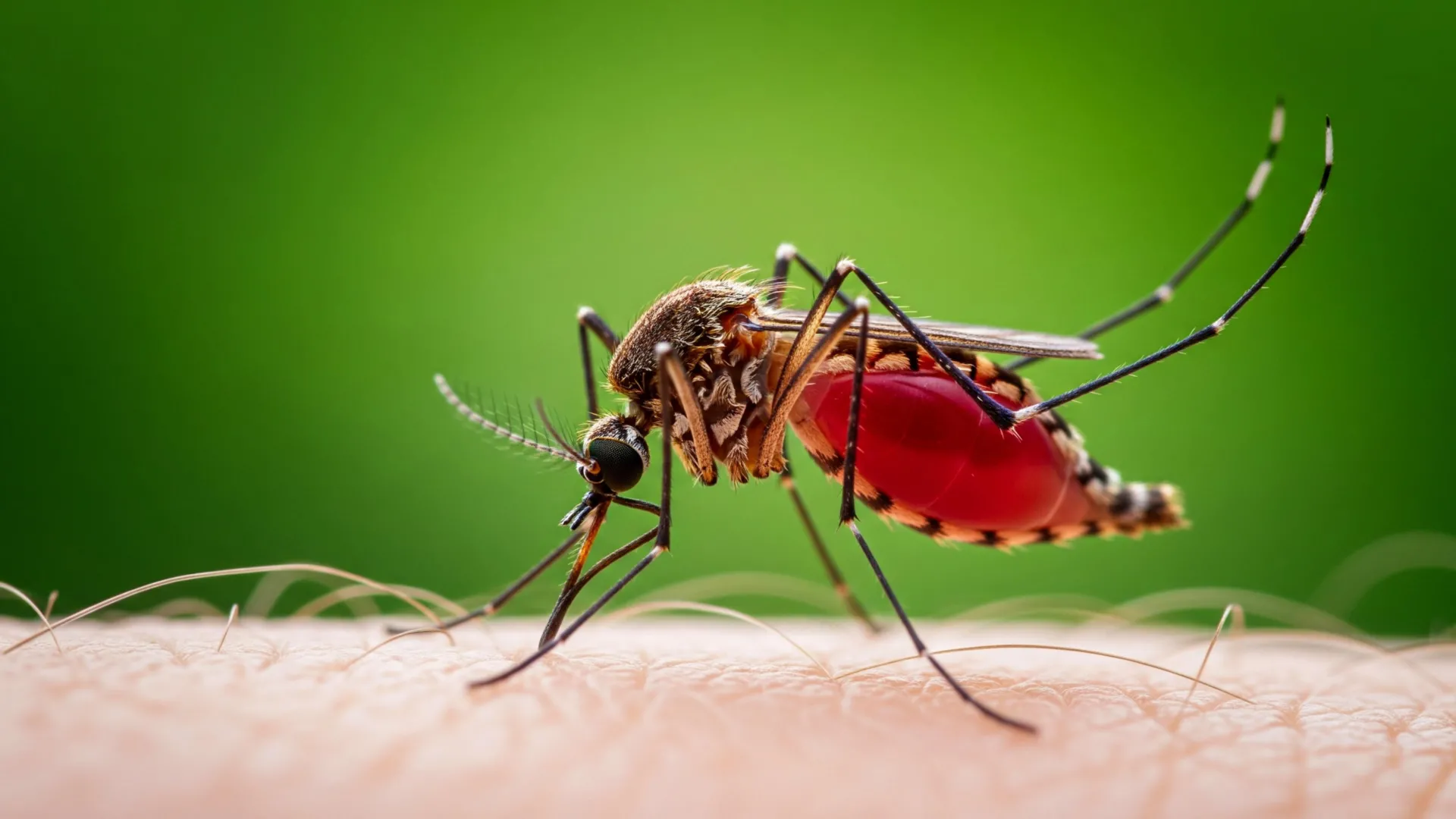
A groundbreaking discovery by researchers at the University of Utah has unveiled the intricate mechanism powering the restless movement of microscopic iron crystals within the deadly malaria parasite, Plasmodium falciparum. This revelation, published in the prestigious journal PNAS, not only sheds light on a decades-old scientific enigma but also ignites hope for novel malaria treatments and offers a compelling blueprint for future advancements in microscopic robotic technology. For years, the ceaseless, erratic dance of these iron crystals within the parasite’s cellular confines has perplexed scientists, their rapid and unpredictable motion evading standard observation techniques. However, the cessation of this energetic activity upon the parasite’s demise provided a crucial clue, suggesting a direct link between crystal motion and the parasite’s vitality.
The Long-Standing Mystery of Parasitic Crystal Dynamics
The malaria parasite, Plasmodium falciparum, is responsible for the most severe form of malaria, a disease that claims hundreds of thousands of lives annually, predominantly in sub-Saharan Africa. Within each infected red blood cell, the parasite meticulously processes hemoglobin, the oxygen-carrying protein in blood. A significant byproduct of this digestion is heme, a toxic compound that the parasite sequents into microscopic crystals. These crystals, known as hemozoin, are essentially detoxification mechanisms, sequestering the harmful heme into an inert form. While the function of hemozoin as a detoxification agent has been understood for some time, the dynamic nature of these crystals—their incessant spinning, bouncing, and colliding—has remained a profound mystery.
"People don’t talk about what they don’t understand, and because the motion of these crystals is so mysterious and bizarre, it’s been a blind spot for parasitology for decades," remarked Paul Sigala, PhD, associate professor of biochemistry at the Spencer Fox Eccles School of Medicine (SFESOM) at the University of Utah. This lack of understanding has meant that a potentially vital aspect of the parasite’s survival strategy has been overlooked by antimalarial drug development, which has historically focused on other targets. The unpredictable nature of the crystal movement made it difficult to ascertain its functional significance, leading to its marginalization in scientific discourse and research efforts.
Unraveling the Rocket-Like Propulsion System
The breakthrough came with the identification of a chemical reaction, surprisingly akin to the propulsion system used in rockets, as the driving force behind the hemozoin crystal motion. Sigala’s team meticulously investigated the energetic processes occurring within the parasite’s specialized compartment, known as the food vacuole, where the crystals reside. They discovered that the breakdown of hydrogen peroxide into water and oxygen is the critical event that imbues the crystals with their kinetic energy.
Hydrogen peroxide, a naturally occurring byproduct of the parasite’s metabolic processes, is present in abundance within the food vacuole. The decomposition of this molecule releases a significant amount of energy, which is then harnessed by the hemozoin crystals to maintain their vigorous motion. This process, while familiar in aerospace engineering for launching spacecraft, had never before been observed as a biological propulsion mechanism.
"This hydrogen peroxide decomposition has been used to power large-scale rockets," explained Erica Hastings, PhD, a postdoctoral fellow in biochemistry in the SFESOM and a key member of the research team. "But I don’t think it has ever been observed in biological systems." The elegance of this biological application lies in its efficiency and the readily available resources within the parasite’s environment. The parasite essentially weaponizes a toxic byproduct of its own metabolism to power a crucial internal process.
Experimental Validation and Chronology of Discovery
The researchers’ journey to this discovery involved a series of carefully designed experiments that provided compelling evidence for their hypothesis. Initially, the team focused on the chemical composition of the crystals, confirming their hemozoin nature, which is rich in iron. Their attention then shifted to the surrounding environment of the food vacuole.
Through advanced microscopy and biochemical analysis, they observed the presence of hydrogen peroxide. The hypothesis that this compound was involved in crystal movement gained traction when experiments demonstrated that introducing hydrogen peroxide to isolated hemozoin crystals, even outside the parasite, induced them to spin. This provided a direct causal link between the chemical and the observed motion.
A crucial step in validating the role of hydrogen peroxide was to manipulate its production. The team cultured Plasmodium falciparum parasites under low-oxygen conditions. This environmental change significantly reduced the parasite’s capacity to produce hydrogen peroxide. The results were striking: the hemozoin crystals slowed down to approximately half their usual speed, even though the parasites themselves remained otherwise healthy. This observation strongly supported the conclusion that hydrogen peroxide is indispensable for the high-speed motion of the crystals.
The timeline of this research likely spans several years, beginning with the initial observation of the peculiar crystal dynamics, followed by years of hypothesis generation, experimental design, and data analysis. The publication in PNAS marks the culmination of this rigorous scientific inquiry.
The Functional Significance: Why Crystal Motion Matters for Parasite Survival
The discovery of the propulsion mechanism raises a vital question: why does the malaria parasite invest so much energy in keeping these crystals in constant motion? Researchers have proposed two primary functional roles for this dynamic activity, both of which are critical for the parasite’s survival and its ability to evade host defenses.
One compelling theory suggests that the spinning crystals play a crucial role in managing the toxicity of hydrogen peroxide itself. As a potent oxidizing agent, hydrogen peroxide can cause significant cellular damage. The constant agitation provided by the spinning crystals may facilitate the efficient breakdown of hydrogen peroxide into harmless water and oxygen, thereby mitigating the risk of oxidative stress within the parasite’s vulnerable food vacuole. In essence, the crystals act as tiny, mobile scrubbers, neutralizing a dangerous byproduct of the parasite’s own existence.
A second proposed benefit relates to the physical properties of the hemozoin crystals and their role in heme detoxification. Sigala suggests that the movement prevents the crystals from aggregating or clumping together. If the crystals were to form larger, static masses, their surface area would be significantly reduced. This reduced surface area would impede their ability to effectively sequester and detoxify incoming heme molecules. By remaining in constant motion, the crystals maintain an optimal surface area, allowing for the continuous and efficient processing of heme, thus preventing a buildup of toxic heme within the parasite. This dynamic state ensures that the parasite can continue to digest hemoglobin and extract essential nutrients without succumbing to the toxicity of its own metabolic byproducts.
Broader Implications: New Frontiers in Medicine and Nanotechnology
The implications of this discovery extend far beyond the realm of parasitology, opening up exciting new avenues for both medical intervention and technological innovation. The identification of a self-propelled metallic nanoparticle in a biological system is a novel finding, and researchers suspect that similar mechanisms might be at play in other organisms, hinting at a broader natural phenomenon awaiting discovery.
Revolutionizing Malaria Treatment Strategies
The most immediate and significant impact lies in the potential for developing novel antimalarial drugs. The chemical propulsion system powered by hydrogen peroxide decomposition is a process unique to the malaria parasite and is not found in human cells. This stark difference makes it an exceptionally attractive target for therapeutic intervention. Drugs designed to interfere with this specific chemistry would likely have minimal side effects on the human host, a long-sought-after goal in drug development.
"If we target a drug to an area that’s very different from human cells, then it’s probably not going to have extreme side effects," emphasized Hastings. "If we can define how this parasite is different from our bodies, it gives us access to new directions for medications." By blocking the breakdown of hydrogen peroxide at the crystal surface or disrupting the interaction between the crystals and the peroxide, researchers could potentially cripple the parasite’s detoxification and nutrient processing capabilities, leading to its demise. This approach offers a fresh perspective on combating drug-resistant malaria strains, which pose an ever-increasing threat to global public health.
Inspiring the Next Generation of Microscopic Robots
Beyond medicine, the findings offer invaluable insights for the burgeoning field of nanotechnology. The self-propelled hemozoin crystals represent a biological model for engineered nanoscale robotic systems. The ability of these microscopic particles to generate their own motive force using simple chemical reactions could inspire the design of advanced micro-robots for a variety of applications.
"Nano-engineered self-propelling particles can be used for a variety of industrial and drug delivery applications, and we think there are potential insights that will come from these results," stated Sigala. Imagine microscopic robots capable of navigating the bloodstream to deliver drugs precisely to cancerous tumors, or to perform intricate surgical procedures at the cellular level. The principles governing the motion of hemozoin crystals could provide the foundational knowledge for creating such sophisticated nanomachines. The efficiency and biocompatibility inherent in this biological system offer a sustainable and potentially cost-effective blueprint for future technological advancements.
Future Research and Official Reactions
The publication of these findings in PNAS is expected to catalyze further research into the intricate workings of the malaria parasite and the broader implications for nanotechnology. Scientists worldwide will likely be eager to replicate and expand upon these results, exploring the possibility of similar mechanisms in other microorganisms and investigating the full potential of these biological propulsion systems.
While no direct "official responses" from major health organizations were cited in the original context, the scientific community’s reception to such a significant publication is typically one of enthusiastic engagement. The World Health Organization (WHO), which actively combats malaria, would undoubtedly view such research with great interest, recognizing its potential to contribute to their ongoing efforts to eradicate the disease. Funding bodies, such as the National Institutes of Health (NIH), whose grants supported this research, would see this as a prime example of impactful scientific inquiry yielding tangible benefits. The Price College of Engineering at the University of Utah and the 3i Initiative at University of Utah Health’s support further underscore the interdisciplinary nature of this breakthrough.
The research was supported by significant funding from the National Institutes of Health (grant numbers R35GM133764, R21AI185746, R35GM14749, and T32AI055434), the Utah Center for Iron & Heme Disorders (grant number U54DK110858), the Price College of Engineering at the University of Utah, and the 3i Initiative at University of Utah Health. This robust financial backing highlights the recognized importance and potential of this line of investigation.
Conclusion: A Tiny Crystal with Monumental Implications
The seemingly simple act of iron crystals spinning within a malaria parasite has, through the dedicated work of researchers at the University of Utah, revealed a profound biological mechanism with far-reaching consequences. This discovery not only demystifies a long-standing puzzle in parasitology but also provides a critical new target for antimalarial therapies, offering a glimmer of hope in the global fight against this devastating disease. Furthermore, it serves as a powerful testament to nature’s ingenuity, offering a blueprint for the development of revolutionary microscopic technologies that could reshape medicine and industry. The story of these spinning crystals is a compelling reminder that even the smallest biological components can hold the key to solving some of humanity’s greatest challenges.