A groundbreaking advancement in bee nutrition has emerged from a collaborative effort led by the University of Oxford, potentially offering a vital lifeline to struggling honeybee populations worldwide. Researchers, in partnership with the Royal Botanic Gardens Kew, the University of Greenwich, and the Technical University of Denmark, have successfully engineered a novel food supplement that precisely mimics the critical nutrient profile of natural pollen, a food source that has become increasingly scarce and nutritionally deficient for bees due to environmental pressures. Early trials have demonstrated a remarkable increase in brood production, with colonies fed the supplement yielding up to 15 times more young, a finding published in the prestigious journal Nature.
The crisis facing honeybees is multifaceted and dire. These essential pollinators, responsible for the fertilization of over 70% of major global crops, are experiencing unprecedented population declines. This phenomenon is not a sudden event but a culmination of decades of escalating environmental stressors. Intensive agricultural practices, characterized by monoculture farming and the widespread use of pesticides, have drastically reduced the floral diversity upon which bees depend. This floral simplification leads to a less varied and often nutritionally incomplete diet. Furthermore, the accelerating impacts of climate change exacerbate these issues, altering flowering times, increasing extreme weather events that destroy foraging grounds, and potentially stressing bees’ immune systems, making them more susceptible to diseases and parasites.
Traditionally, beekeepers have relied on artificial pollen substitutes, often composed of protein flours, sugars, and oils. While these substitutes provide essential calories and protein, they have consistently lacked a crucial component of natural pollen: sterols. These essential lipids play a pivotal role in the growth, development, and overall physiological well-being of bees, from larval stages through to adult life. The absence of these vital sterols in conventional artificial feeds has left many managed honeybee colonies in a state of chronic nutritional deficiency, contributing significantly to their weakened resilience and increased mortality rates.
Cracking the Code of Bee Nutrition: A Molecular Approach
The genesis of this breakthrough lies in a meticulous scientific endeavor to understand the precise nutritional requirements of honeybees. The research team undertook an exhaustive analysis of bee tissues, examining both pupae and adult bees. This complex process involved highly delicate laboratory techniques, including the dissection of individual nurse bees, to identify the specific sterols that are most vital for bee biology. Through this detailed investigation, six key sterols were identified as dominating bee physiology: 24-methylenecholesterol, campesterol, isofucosterol, β-sitosterol, cholesterol, and desmosterol. These compounds, when present in the right balance, are fundamental to a bee’s ability to grow, develop, and reproduce effectively.
Engineered Yeast: A Precision Fermentation Solution
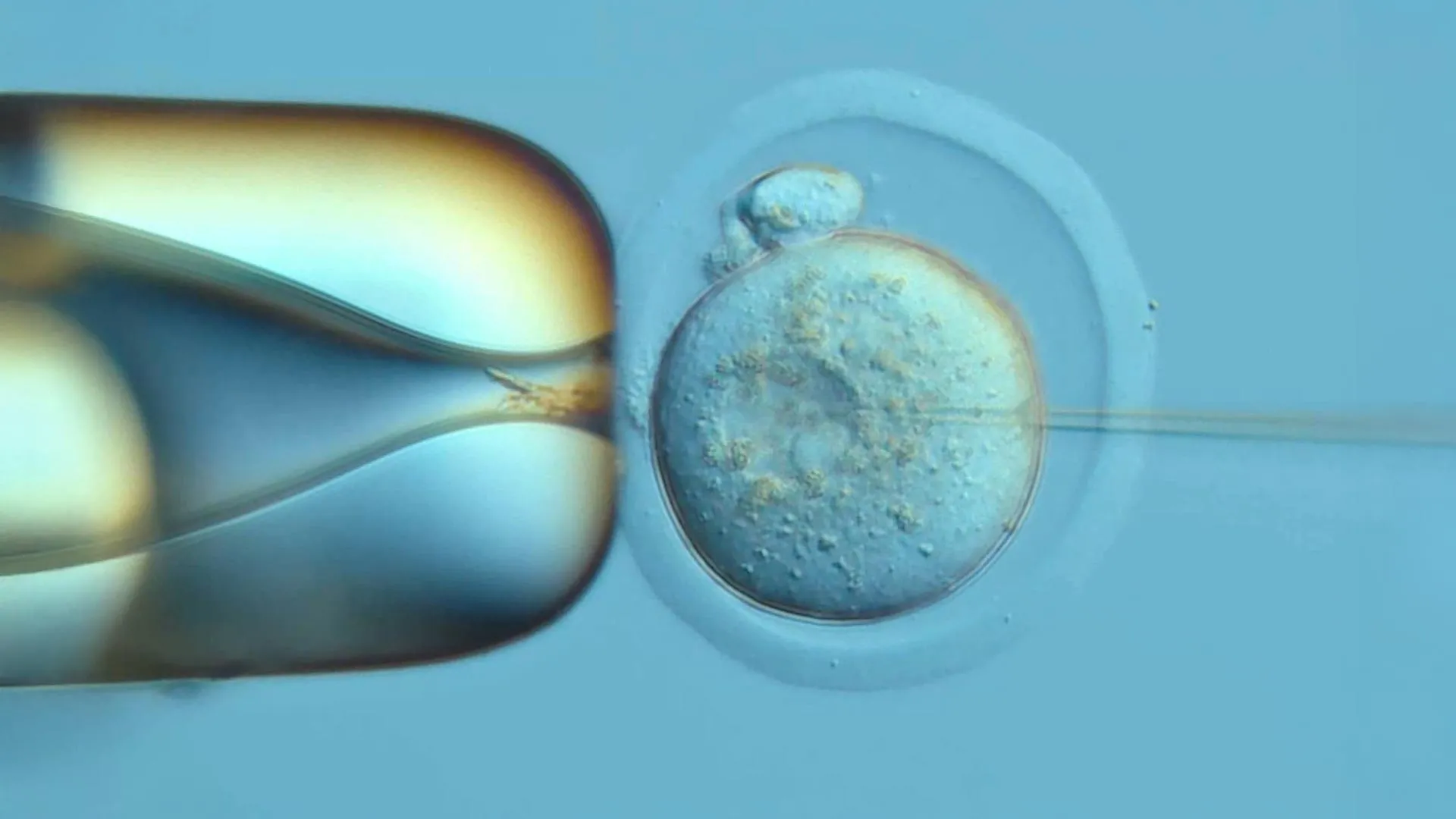
To address the critical deficiency of these sterols, the researchers turned to synthetic biology. They employed advanced genetic engineering techniques to modify the yeast species Yarrowia lipolytica. This particular yeast was chosen for its inherent capacity to produce lipids and its established safety for food applications, making it an ideal candidate for large-scale production. Using CRISPR-Cas9 gene editing technology, the scientists programmed Yarrowia lipolytica to efficiently synthesize the six identified essential sterols.
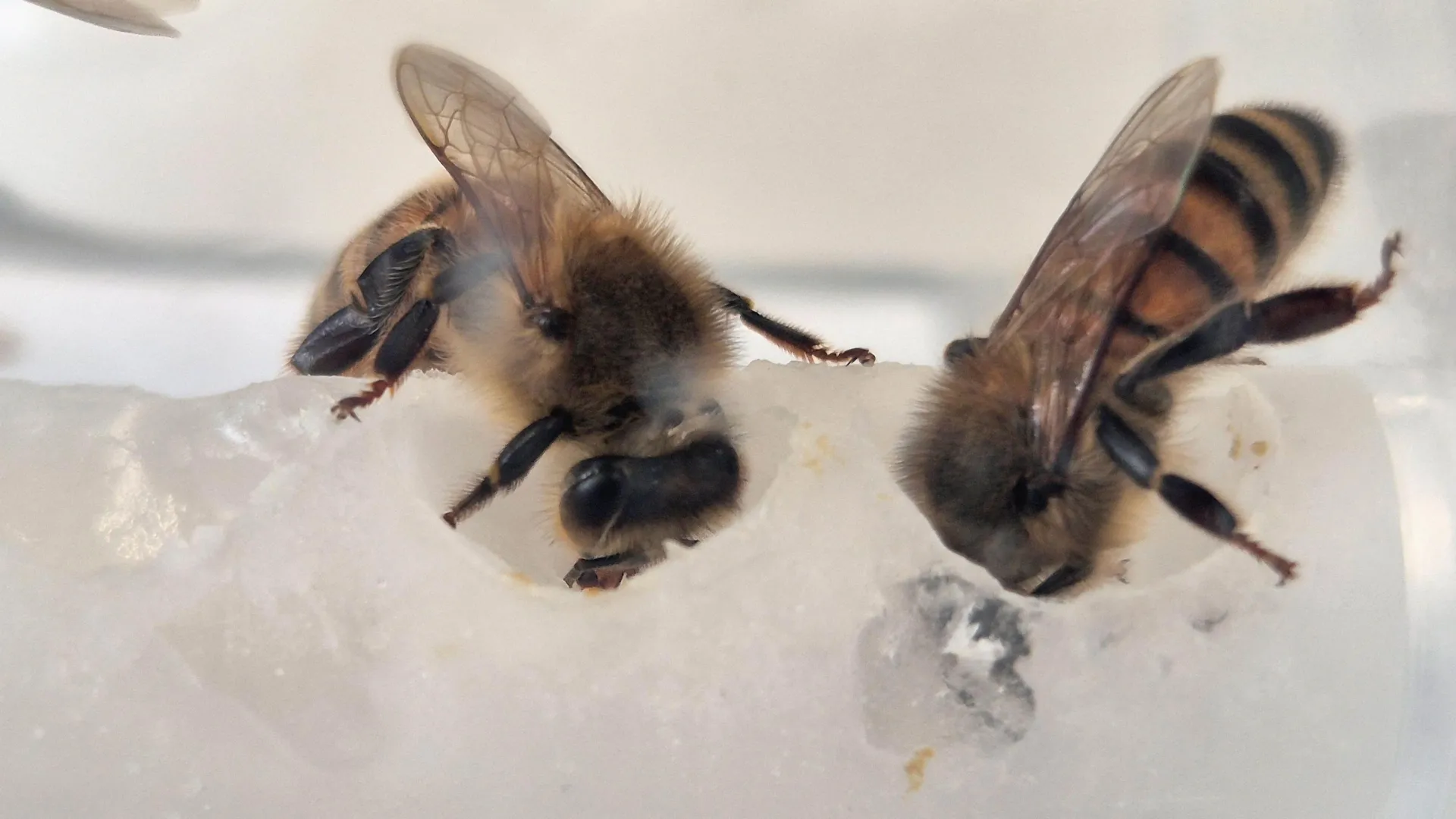
The resulting engineered yeast was then incorporated into experimental bee diets. These diets were rigorously tested over a three-month period in controlled glasshouse environments. This controlled setting was crucial to ensure that the bees consumed exclusively the experimental feed, eliminating any confounding variables from natural foraging. The supplement, in its final form, is produced by cultivating the engineered yeast in bioreactors, a process known as precision fermentation, and then drying the yeast into a fine powder. This powder can be easily mixed into feed formulations for bees.
Dramatic Results: A 15-Fold Increase in Brood Production
The findings from the controlled trials were nothing short of remarkable. Honeybee colonies that were fed the sterol-enriched diet exhibited a dramatic improvement in reproductive success. They produced an astonishing up to 15 times more larvae that successfully developed to the pupal stage compared to colonies that received standard artificial diets lacking these essential sterols.
Beyond the sheer increase in young bees, the duration of brood rearing was also significantly extended. Colonies fed the enriched diet continued to produce and raise young throughout the entire three-month study period. In stark contrast, colonies deprived of sterols saw their brood production cease after approximately 90 days, underscoring the critical, sustained role of these nutrients in reproductive cycles.
Perhaps one of the most compelling findings was the direct comparison of the nutrient profile in the larvae from the supplemented colonies to those of bees feeding on natural pollen. The research indicated a striking similarity, suggesting that the engineered supplement effectively replicates the nutritional completeness of high-quality natural pollen at a molecular level. This level of precision in replicating natural nutrition is unprecedented in bee feed development.
Expert Perspectives: A "Game Changer" for Bee Health
The implications of this research have been met with significant enthusiasm from the scientific and beekeeping communities. Professor Geraldine Wright, the senior author of the study from the University of Oxford’s Department of Biology, emphasized the power of synthetic biology in addressing ecological challenges. She highlighted that the specific sterols crucial for bee health are often not available in commercially viable quantities from natural sources, making synthetic production a vital solution.
Dr. Elynor Moore, the lead author of the study (who was at the University of Oxford during the research and is now at Delft University of Technology), drew a powerful analogy to human nutrition. She stated that the difference for bees between the sterol-enriched diet and conventional feeds is akin to the difference for humans between eating balanced meals and meals missing essential fatty acids. "Using precision fermentation, we are now able to provide bees with a tailor-made feed that is nutritionally complete at the molecular level," Dr. Moore added.
Professor Phil Stevenson of RBG Kew and the Natural Resources Institute, University of Greenwich, pointed out the broader ecological benefits. He noted that while honeybees are crucial for crop pollination, their large numbers in agricultural settings can sometimes place pressure on limited wildflower resources. The development of a complete nutritional supplement could therefore alleviate this pressure, indirectly benefiting wild bee species by reducing competition for natural pollen.
Danielle Downey, Executive Director of the honeybee research nonprofit Project Apis m., who was not affiliated with the study, lauded the discovery as a potential "game changer." She underscored the reliance of global food production on honeybees and the multitude of stressors they face. "Good nutrition is one way to improve their resilience to these threats, and in landscapes with dwindling natural forage for bees, a more complete diet supplement could be a game changer," Downey remarked. She further elaborated that the breakthrough in identifying key phytonutrients that enable sustained brood rearing has immense potential for improving colony survival and supporting the beekeeping businesses that are fundamental to food production.
Broader Impact: A Potential Turning Point for Agriculture and Biodiversity
The significance of this research extends far beyond the immediate health of honeybee colonies. Honeybees are indispensable to modern agriculture, contributing to the production of a vast array of fruits, vegetables, nuts, and seeds. The alarming decline in their populations poses a direct threat to global food security. In the United States, for instance, annual colony losses have hovered between 40% and 50% in recent years, with projections suggesting potential losses as high as 60% to 70% in the near future. This new supplement offers a pathway to bolster bee health and resilience without increasing the demand on already strained natural floral resources. It could, in essence, help to stabilize and even improve the productivity of agricultural systems that depend on bee pollination.
Furthermore, the implications for biodiversity are substantial. By providing a reliable and nutritionally complete food source, the supplement could indirectly benefit wild bee species. As Professor Stevenson noted, reduced competition for limited natural pollen resources could create a more favorable environment for native pollinators, many of which are also facing significant declines. This could contribute to a broader restoration of pollinator health and the ecosystems they inhabit.
A Scalable and Sustainable Future for Insect Farming
The technology underpinning this breakthrough also holds promise for other sectors of agriculture. The same precision fermentation techniques used to produce the sterol-rich yeast could be adapted to support the development of other farmed insects. These insects are increasingly being explored as sustainable sources of protein for animal feed and even human consumption. By ensuring optimal nutrition, the technology could enhance the efficiency and viability of insect farming, contributing to more sustainable food systems.
The Road Ahead: From Lab to Field
While the laboratory and glasshouse results are exceptionally promising, the researchers acknowledge that further validation is necessary. The next crucial step involves larger-scale field trials. These trials will aim to confirm the long-term benefits of the supplement under real-world conditions, assessing its efficacy in diverse environments and across different beekeeping operations.
If these field trials prove successful, the supplement could potentially be available to farmers and beekeepers within the next two years. This accelerated timeline reflects the urgency of the bee crisis and the robust nature of the developed technology. The potential for this breakthrough to revolutionize bee nutrition and contribute to a more sustainable agricultural future is immense, marking a significant milestone in humanity’s efforts to protect and support these vital ecological partners.