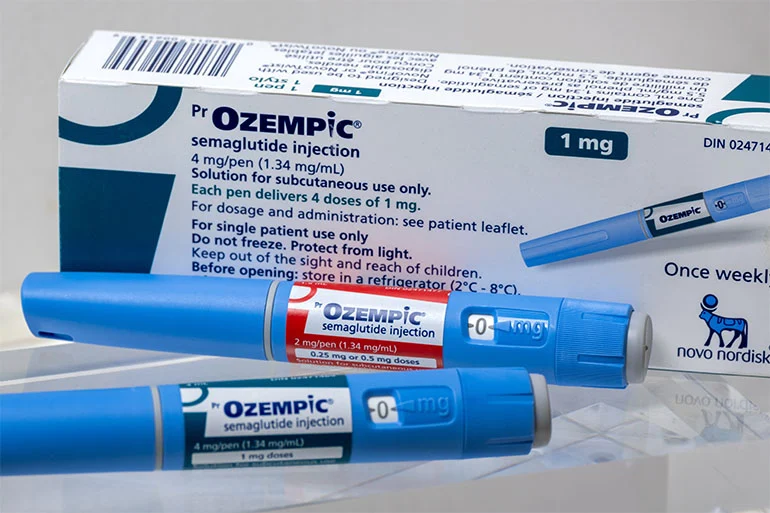
The pharmaceutical giant Novo Nordisk has initiated legal proceedings against Hims & Hers Health, Inc., alleging patent infringement related to compounded versions of its blockbuster GLP-1 receptor agonist medications, Wegovy and Ozempic. This lawsuit, filed on Monday, seeks a permanent injunction to prevent Hims from manufacturing and selling these compounded drugs, marking a significant escalation in the ongoing battle over the burgeoning market for weight loss and diabetes treatments. The action comes swiftly after Hims & Hers announced its own compounded semaglutide pill, priced considerably lower than the branded alternatives, which quickly drew scrutiny from federal regulators.
The Heart of the Dispute: Patent Infringement and Compounding
At the core of Novo Nordisk’s legal challenge is U.S. Patent No. 8,129,343, which protects the chemical structure of the semaglutide molecule itself. This patent grants Novo Nordisk exclusive rights to manufacture this specific sequence of amino acids until its expiration in December 2031. Novo Nordisk contends that by selling a pill containing semaglutide, Hims & Hers is directly infringing on this fundamental patent.
The practice of "compounding" allows licensed pharmacies to create customized medications for individual patients when an FDA-approved drug is unavailable or unsuitable. However, this practice is typically reserved for specific patient needs and is not intended for large-scale commercial production of drugs that are otherwise available. A crucial loophole often exploited by compounding pharmacies emerges when an FDA-approved drug is listed on the agency’s official drug shortage list. This provision temporarily allows compounding pharmacies to create versions of the scarce medication, even if it is patented. Hims & Hers, an online provider of health and wellness treatments, had previously leveraged this loophole to offer compounded semaglutide injections.
However, the landscape shifted significantly. The FDA officially declared the semaglutide shortage resolved in February 2025, effectively closing the legal window that had permitted widespread compounding. The FDA provided a grace period, allowing compounding pharmacies until April 22, 2025, to cease production of these compounded versions. Novo Nordisk’s lawsuit asserts that Hims & Hers’ continued offering of a semaglutide product, particularly after the shortage resolution and outside the grace period for injections, constitutes direct infringement and circumvents established regulatory pathways.
The Rise of GLP-1s and the Demand for Access
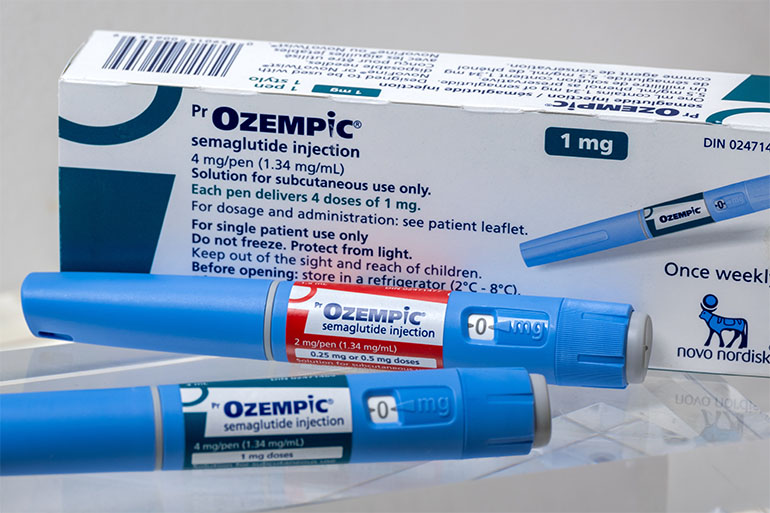
The market for GLP-1 receptor agonists like semaglutide has exploded in recent years. Ozempic, initially approved for type 2 diabetes, and Wegovy, specifically approved for chronic weight management, have become household names. Analysts project the global market for obesity drugs, largely driven by GLP-1s, to reach tens of billions of dollars annually within the next decade. This immense demand, coupled with high list prices for branded versions (Wegovy can cost over $1,300 per month without insurance), has created significant pressure for more affordable and accessible alternatives.
Novo Nordisk invests billions in research and development to bring innovative medicines to market. The development of a new drug can take over a decade and cost upwards of $2.6 billion, a figure that includes the cost of failed trials. Patent protection is designed to provide pharmaceutical companies with a period of exclusivity to recoup these substantial investments and incentivize future innovation. From Novo Nordisk’s perspective, the widespread sale of compounded "knock-offs" undermines this incentive, potentially jeopardizing future drug development.
Regulatory Scrutiny and Safety Concerns
Beyond patent infringement, Novo Nordisk has consistently raised concerns about the safety and efficacy of compounded semaglutide products. John F. Kuckelman, senior vice president, Group General Counsel, Global Legal, IP and Security at Novo Nordisk, articulated this stance in a statement: "Hims & Hers is mass marketing unapproved knock-off versions of Wegovy and Ozempic that evade the FDA’s gold standard review process – that’s dangerous and deceptive to patients, and undermines the scientific innovation and regulatory rigor in place to ensure these treatments are safe and effective."
Novo Nordisk’s internal testing has reportedly revealed alarming results, with some injectable semaglutide drugs compounded by pharmacies containing impurities of up to 86%. Such high levels of impurities could pose significant health risks to patients, ranging from allergic reactions to unknown long-term effects, and could also lead to inconsistent drug potency, rendering the treatment ineffective or even harmful. The FDA has also issued warnings about the risks associated with compounded semaglutide, highlighting that these products are not FDA-approved and may not meet the same quality, safety, and effectiveness standards as approved drugs.
The regulatory hammer fell swiftly on Hims & Hers’ latest offering. The day after Hims announced its new compounded semaglutide pill, Mike Stuart, the top lawyer for the Department of Health and Human Services (HHS), announced on X (formerly Twitter) that his office had referred Hims & Hers to the Justice Department for potential violations of the Federal Food, Drug, and Cosmetic (FD&C) Act. This act is the cornerstone of federal regulation for medications in the United States, governing their manufacture, labeling, and sale. In response to this referral, Hims & Hers posted on X that they would stop offering access to the treatment, though the legal action from Novo Nordisk followed shortly thereafter. The referral to the Justice Department suggests that federal authorities view Hims’ actions as potentially crossing the line from standard compounding into illegal manufacturing and distribution of unapproved drugs.
The Technical Battleground: Oral Delivery and SNAC Technology
The lawsuit also delves into the sophisticated science behind oral semaglutide delivery. Developing an oral version of a peptide drug like semaglutide is a significant pharmacological challenge. Peptides are typically degraded by enzymes in the gastrointestinal tract before they can be absorbed into the bloodstream, rendering them ineffective. Novo Nordisk’s FDA-approved oral semaglutide (Rybelsus) utilizes proprietary sodium N-(8-[2-hydroxybenzoyl] amino) caprylate (SNAC) technology to overcome this barrier.
SNAC technology works by creating a localized, temporary increase in pH within the stomach, which neutralizes gastric acid and inhibits pepsin activity, enzymes that would otherwise break down semaglutide. Furthermore, SNAC induces a transient, non-covalent conformational change in the semaglutide molecule, facilitating its passage through the stomach lining into the bloodstream. This complex, patented delivery system is crucial for the drug’s bioavailability and efficacy when taken orally.
Hims & Hers, in an attempt to circumvent Novo Nordisk’s SNAC patents, reportedly employed liposomal technology, using fatty bubbles to encapsulate the semaglutide. Novo Nordisk’s lawsuit explicitly challenges this approach, labeling it as "untested and unproven." According to Novo Nordisk CEO Mike Doustdar, patients using Hims’ oral semaglutide pill without the SNAC technology would essentially be "wasting their money" because, without proper protection and absorption enhancement, "the medicine just simply doesn’t work." If the liposomal technique is indeed ineffective, the active ingredient would be digested before reaching the bloodstream, rendering the medicine inert. This critical technical difference further supports the argument that Hims’ product could be considered a new, unapproved drug by the FDA, a factor that likely contributed to the HHS referral to the DOJ.
A Tumultuous History: The Novo Nordisk-Hims Relationship Timeline
The current lawsuit is not an isolated incident but the latest chapter in a protracted and often contentious relationship between Novo Nordisk and Hims & Hers, characterized by periods of aggressive competition, fleeting collaboration, and renewed legal sparring.
- May 2024: Hims & Hers publicly announced its entry into the GLP-1 market, offering compounded semaglutide injections. This move capitalized on the FDA’s drug shortage list, which at the time provided a legal avenue for compounding pharmacies to produce versions of semaglutide.
- Ten days later, also in May 2024: Novo Nordisk responded by issuing a public announcement, declaring its intent to escalate legal actions to protect patients from compounded semaglutide drugs. While Hims & Hers was not explicitly named, the timing and context clearly indicated Novo Nordisk’s firm stance against these "copycats."
- February 2025: The competitive landscape intensified with Hims & Hers running a Super Bowl commercial advertising its semaglutide injections, signaling its aggressive marketing strategy.
- The following day, February 2025: Novo Nordisk countered with a print ad in prominent newspapers like The New York Times and USA Today. The ad, featuring a vial of compounded semaglutide, cautioned patients with the tagline "Check before you inject," implicitly warning against unapproved versions. It was also in February 2025 that the FDA declared the semaglutide shortage resolved, setting the stage for future regulatory action against compounding.
- April 2025: In a surprising turn, Novo Nordisk and Hims & Hers announced a "long-term collaboration" aimed at expanding affordable access to obesity care. The partnership allowed patients to access NovoCare Pharmacy through the Hims & Hers platform, offering a bundled package of Wegovy and a Hims & Hers membership. Both companies expressed intentions to "develop a roadmap" for future collaboration.
- Less than two months later, in June 2025: The truce proved short-lived. Novo Nordisk abruptly terminated the collaboration. The reason cited by Novo Nordisk was Hims’ alleged "illegal mass compounding" of their drugs under the "false guise of personalization" and "deceptive marketing practices." This termination underscored the deep-seated disagreements regarding regulatory compliance and intellectual property.
- November 2025: Despite the acrimonious split, Hims & Hers announced during its third-quarter earnings call that it was once again in discussions with Novo Nordisk to make branded Wegovy available through its online platform. This indicated Hims’ continued interest in legitimate channels for GLP-1 access, even while pursuing compounded alternatives.
- January 2026: Novo Nordisk launched its oral Wegovy pill, a significant milestone. Notably, Hims & Hers was not included on the list of partner platforms for this launch, suggesting that any renewed collaboration discussions had not materialized into an official partnership for the new product.
- One month later (relative to original article publication): Hims & Hers announced its own compounded semaglutide pill, a move that directly led to the current legal and regulatory challenges.
- Two days after Hims’ announcement: The HHS referred Hims & Hers to the Justice Department, prompting Hims to retract its offering.
- On Monday (relative to original article publication): Novo Nordisk filed its lawsuit, seeking a permanent ban on Hims’ sale of infringing compounded versions of its drugs. The FDA’s grace period for compounded semaglutide production, set to expire on April 22, 2025, further reinforces the legal precariousness of Hims’ position regarding compounded injections, let alone a newly introduced oral version.
Broader Implications for the Pharmaceutical Industry and Patient Access
This high-stakes legal battle carries significant implications for various stakeholders. For the pharmaceutical industry, it reaffirms the importance of intellectual property protection as a cornerstone of innovation. A successful defense of its patents by Novo Nordisk would send a strong message to other companies considering similar strategies of offering compounded versions of patented drugs. Conversely, if Hims & Hers were to prevail, it could embolden compounding pharmacies and online health platforms, potentially leading to a more fractured and less regulated market for high-demand medications.
For patients, the outcome of this dispute will undoubtedly affect access and affordability of GLP-1 treatments. While compounded drugs often offer a cheaper alternative, the concerns raised by Novo Nordisk and the FDA regarding safety, purity, and efficacy are paramount. Patients need assurance that the medications they receive are safe, effective, and of high quality. The incident highlights the tension between the desire for affordable care and the need for rigorous regulatory oversight and drug safety standards.
The evolving regulatory landscape for compounded drugs is also under intense scrutiny. The FDA’s actions, particularly the resolution of the semaglutide shortage and the referral to the Justice Department, signal a stricter enforcement environment for compounding pharmacies that operate outside traditional bounds. This case may set precedents for how regulatory bodies handle the burgeoning market for compounded versions of popular, expensive drugs, especially those protected by strong patents.
As the legal proceedings unfold, the pharmaceutical industry, regulators, and patients alike will be watching closely. The resolution of this case could redefine the boundaries of drug compounding, intellectual property rights, and patient access in an era of rapidly advancing medical treatments and increasing demand for cost-effective healthcare solutions.