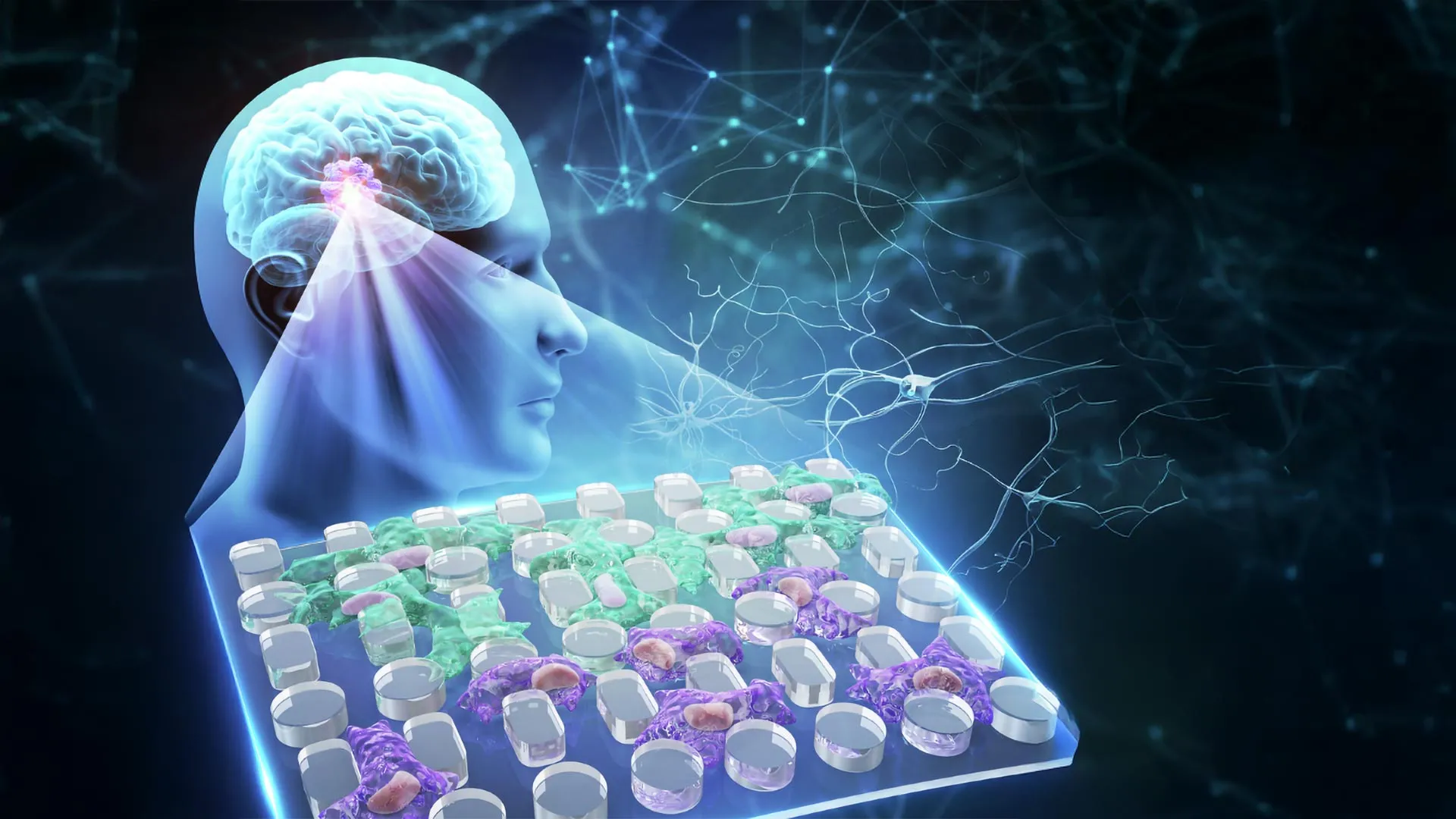
In a significant advancement for neurobiology and pain management, researchers from the University of Pennsylvania, Stanford University, and Carnegie Mellon University have developed a novel gene therapy that specifically targets the brain’s pain-processing circuits. This breakthrough, recently detailed in the journal Nature, addresses one of the most persistent challenges in modern medicine: providing robust relief for chronic pain without the debilitating side effects or the high risk of dependency associated with traditional opioid medications. By utilizing artificial intelligence to map neural pathways and implementing a localized "off switch" for pain signals, the research team has demonstrated a way to decouple pain relief from the brain’s reward systems, potentially offering a lifeline to the more than 50 million Americans currently living with chronic pain.
The Evolution of Pain Management and the Opioid Dilemma
For decades, the gold standard for treating severe and chronic pain has been the use of opioids, such as morphine and oxycodone. While these drugs are highly effective at dampening pain signals, their mechanism of action is inherently "noisy." Opioids work by binding to mu-opioid receptors distributed throughout the central nervous system. Because these receptors are present not only in pain-processing regions but also in areas of the brain responsible for reward, emotion, and respiratory control, their use frequently leads to euphoria, physical dependence, and, in many cases, lethal respiratory depression.
The clinical community has long sought a "precise volume control" for pain—a method to silence the discomfort without affecting the rest of the brain’s functions. Chronic pain is often described by clinicians as a "maladaptive" state where the nervous system remains in a high-alert phase long after an initial injury has healed. This persistent state can lead to a significant decline in quality of life, contributing to depression, anxiety, and social isolation. The newly identified gene therapy seeks to transition treatment from systemic pharmacological intervention to targeted circuit-level modulation.
AI-Driven Mapping: A New Frontier in Neurobiological Research
The development of this therapy was made possible through the integration of advanced artificial intelligence and behavioral monitoring. One of the primary hurdles in pain research has been the subjective nature of pain itself. In preclinical animal models, researchers traditionally relied on simple reflexes—such as how quickly a mouse withdraws its paw from a heat source—to measure pain. However, these reflexes do not fully capture the complex, affective experience of chronic pain.
To overcome this, the research team utilized an AI-powered system to monitor the natural behaviors of mice in real-time. By analyzing subtle changes in movement, posture, and social interaction, the AI provided a more nuanced "pain score." This high-resolution data allowed the scientists to identify the exact brain circuits that were active during pain episodes and, crucially, how those circuits changed when morphine was administered.
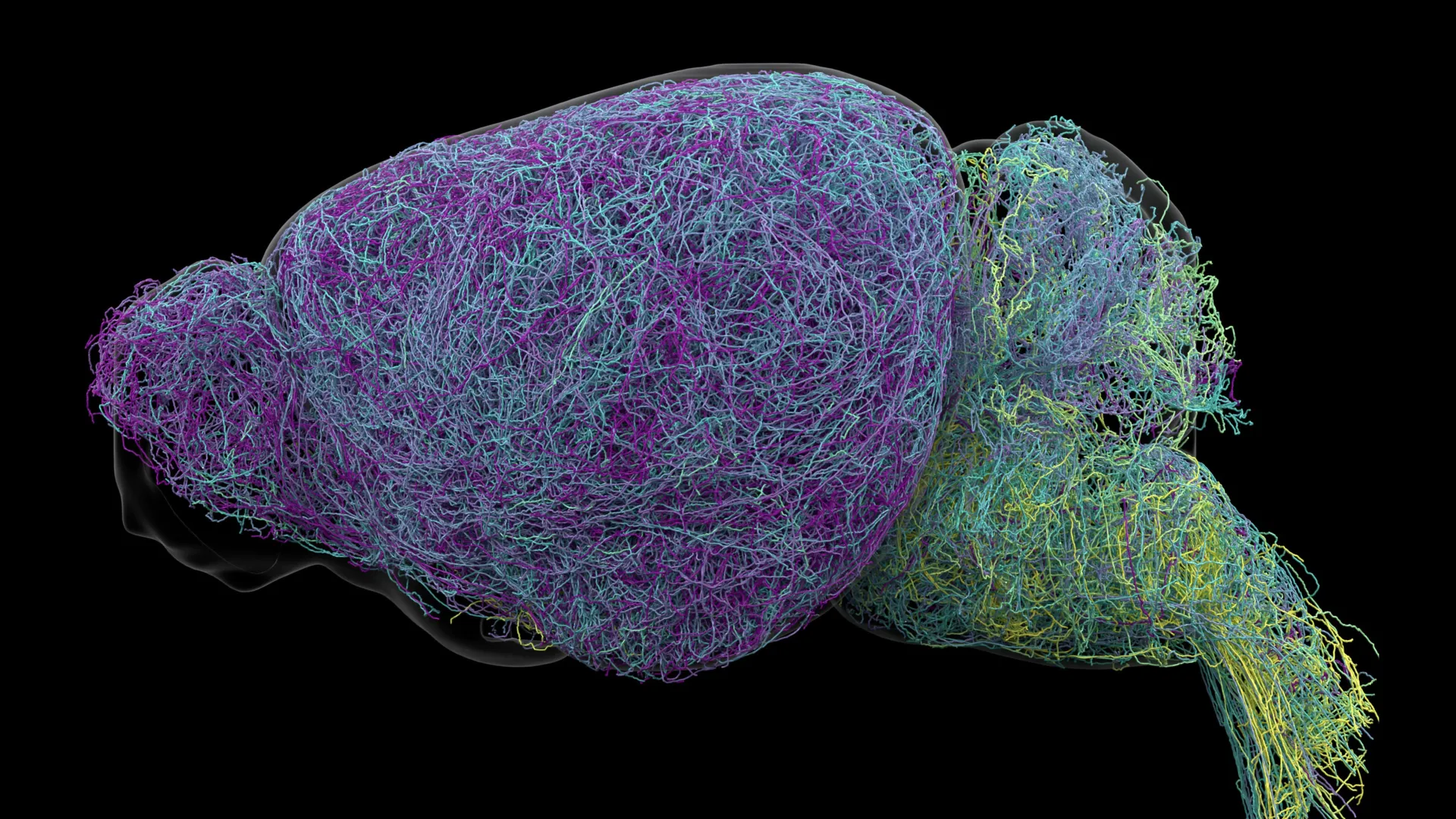
By mapping these specific circuits, the researchers were able to identify the precise neural populations responsible for pain relief. This map served as the blueprint for the gene therapy, ensuring that the treatment would only interact with the relevant pain-processing nodes while bypassing the ventral tegmental area and other regions linked to addiction and dopamine release.
Mechanism of Action: The Brain-Specific Off Switch
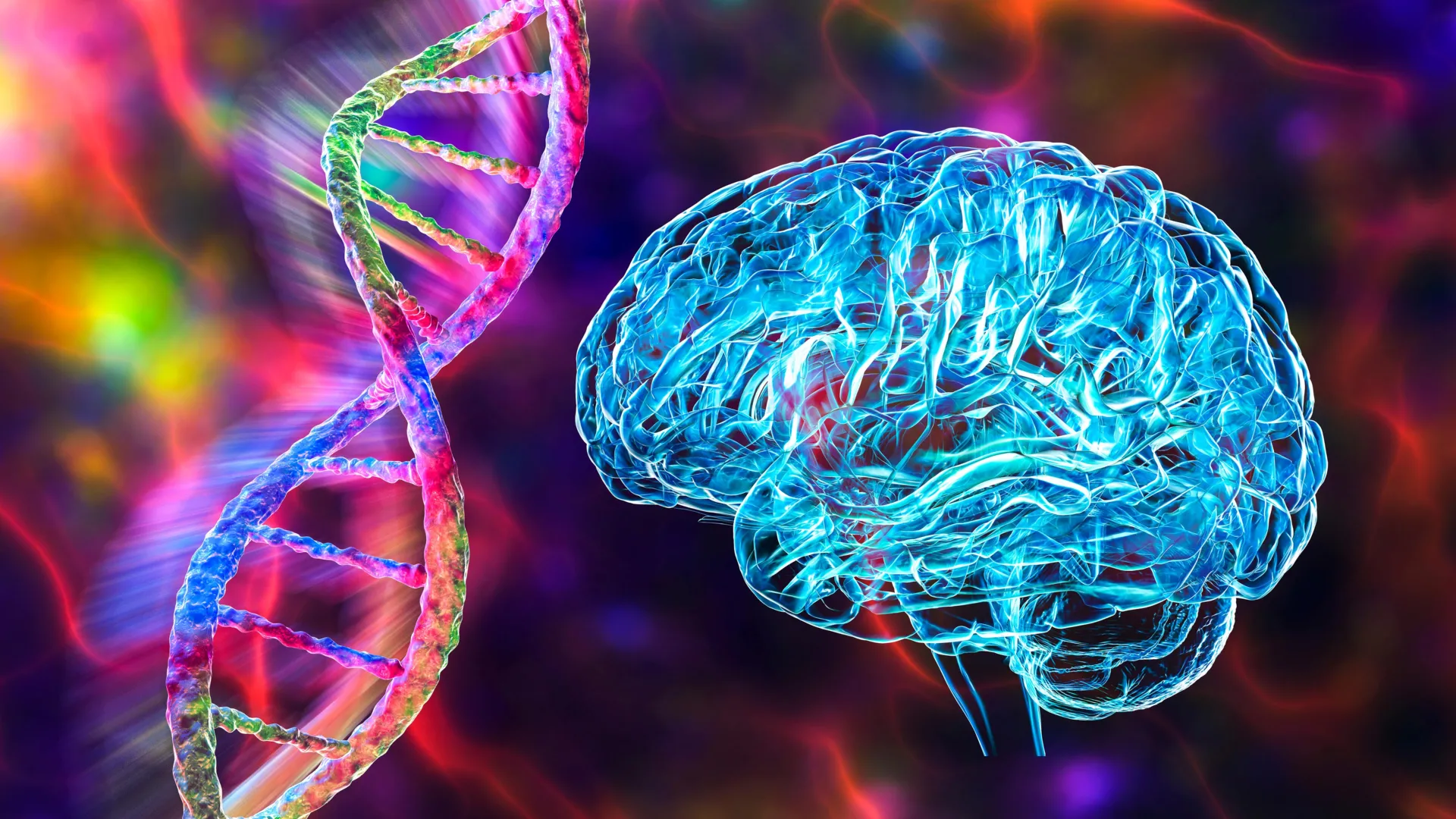
The gene therapy functions by introducing a specialized genetic sequence into the targeted brain cells. This sequence acts as a synthetic "off switch" that can be triggered to reduce the excitability of pain-processing neurons. Unlike traditional drugs that circulate through the entire bloodstream and cross the blood-brain barrier to affect the whole organ, this therapy is localized.
When the gene therapy is activated, it selectively dampens the firing of neurons in the pain circuit. In the preclinical trials, this resulted in a sustained reduction in pain-related behaviors. Most importantly, the mice did not show signs of seeking the treatment in the same way they would seek morphine, suggesting that the "reward" or "pleasure" pathways remained untouched. This distinction is critical for the development of non-addictive medicines, as it addresses the root cause of the opioid crisis: the hijacking of the brain’s natural reward system.
Dr. Gregory Corder, an assistant professor of Psychiatry and Neuroscience at the University of Pennsylvania and co-senior author of the study, emphasized the precision of the approach. "The goal was to reduce pain while lessening or eliminating the risk of addiction and dangerous side effects," Corder stated. "By targeting the precise brain circuits that morphine acts on, we believe this is a first step in offering new relief for people whose lives are upended by chronic pain."
A Chronology of Research and Development
The path to this discovery was the result of over six years of intensive cross-disciplinary work. The timeline of the project highlights the rigorous validation required for such a complex therapeutic approach:
- 2018-2019: The project received foundational support through the National Institutes of Health (NIH) New Innovator Award. Initial research focused on identifying the specific neurons in the brain that respond to both chronic pain and opioid treatment.
- 2020-2021: Researchers began developing the AI-based behavioral tracking systems. This period involved training machine learning models to distinguish between normal mouse activity and behaviors indicative of chronic distress.
- 2022-2023: The team engineered the custom genetic sequences and viral vectors used to deliver the "off switch" to the brain. Preclinical testing in mouse models began to show that the therapy could replicate morphine’s efficacy without its addictive properties.
- 2024: The findings were finalized and published in Nature, marking the formal introduction of what researchers call the world’s first CNS-targeted gene therapy for pain.
- 2025 and Beyond: The team is currently transitioning into the next phase of research, which includes safety profiling and planning for potential human clinical trials.
The Socioeconomic Urgency of Safer Pain Relief
The necessity for non-addictive pain management is underscored by the staggering statistics of the opioid epidemic. According to data cited in the research, drug-related deaths reached approximately 600,000 globally in 2019, with 80 percent of those involving opioids. In the United States, the crisis has touched nearly every community. A 2025 Pew survey highlighted the localized impact, finding that nearly half of the residents in Philadelphia knew someone struggling with opioid use disorder (OUD), and one-third had lost a connection to an overdose.
Beyond the human toll, chronic pain represents a massive economic burden. Often referred to as a "silent epidemic," it affects more than 50 million Americans—more than those affected by heart disease, cancer, and diabetes combined. The annual cost to the U.S. economy is estimated at $635 billion. This figure includes:
- Direct Medical Costs: Expenses related to physician visits, hospitalizations, surgeries, and long-term pharmacological treatments.
- Lost Productivity: Wages lost by individuals unable to work due to debilitating pain.
- Reduced Earnings: The long-term impact on career progression and household income for those living with chronic conditions.
By providing a treatment that is both effective and safe, this gene therapy could significantly reduce these costs by allowing patients to return to the workforce without the risk of falling into the cycle of addiction or suffering from the sedative side effects of traditional narcotics.
Official Responses and Clinical Implications
The scientific community has reacted to the study with cautious optimism. Michael Platt, the James S. Riepe University Professor at Penn and a collaborator on the project, noted the personal and professional significance of the work. "The journey from discovery to implementation is long, and this represents a strong first step," Platt said. "The potential to relieve suffering without fueling the opioid crisis is exciting."
While the results in mouse models are promising, the transition to human clinical trials involves several hurdles. Human brain architecture is significantly more complex than that of mice, and the delivery of gene therapy to specific brain regions requires high precision, likely involving neurosurgical techniques or advanced viral vector delivery systems.
Furthermore, the legal and ethical landscape of gene therapy is still evolving. Some authors of the study have already filed a provisional patent application through the University of Pennsylvania and Stanford University for the custom sequences used in the therapy (Patent Application No. 63/383,462). This suggests a clear path toward commercialization and the eventual development of a pharmaceutical product.
Analysis of Future Prospects
The implications of this study extend beyond pain management. The successful use of AI to map behavioral "fingerprints" to specific neural circuits could be applied to other neurological and psychiatric disorders, such as depression, PTSD, or obsessive-compulsive disorder. If scientists can identify the "volume control" for other maladaptive brain states, a new era of circuit-specific medicine may be on the horizon.
In the immediate future, the research team will focus on long-term safety studies. They must ensure that the "off switch" does not interfere with essential sensations or lead to unintended changes in brain plasticity over time. If these safety profiles are confirmed, the therapy could move into Phase I clinical trials, potentially changing the landscape of pain medicine within the next decade.
As the United States continues to grapple with the dual challenges of a chronic pain epidemic and an opioid crisis, the University of Pennsylvania’s research offers a blueprint for a future where relief does not come at the cost of safety. By leveraging the precision of genetic engineering and the analytical power of artificial intelligence, medicine may finally be able to turn down the volume on pain without silencing the patient’s quality of life.