A groundbreaking study led by researchers at the University of Arizona has unveiled a startling reality about Earth’s biodiversity: for every recognized vertebrate species, there are, on average, two additional species that have eluded scientific detection. These "cryptic" species, while appearing virtually indistinguishable from their known counterparts, possess distinct genetic makeup, suggesting that the true extent of global vertebrate diversity is significantly underestimated. The findings carry profound implications for conservation efforts, highlighting the urgent need to identify and protect a vast, undocumented realm of life.
The Silent Proliferation of Hidden Life
The research, published in a leading scientific journal, provides compelling evidence that our current inventories of vertebrate species are merely scratching the surface. "Each species that you and I can see and recognize as distinct may actually be hiding two different species, on average," stated John Wiens, senior author of the paper and a distinguished professor in the University of Arizona’s Department of Ecology and Evolutionary Biology. "This means that across vertebrates, there may be twice as many species as we previously thought, and many of these hidden species could already be at risk of extinction." This revelation challenges long-held assumptions in taxonomy and ecology, suggesting a far more complex tapestry of life than previously understood.
Traditionally, the classification of animal species has relied heavily on observable physical characteristics, or morphology. Differences in coloration, body shape, scale patterns, or skeletal structure have served as the primary differentiators between species. For example, the subtle variations in markings or body build have historically been crucial in distinguishing between different snake species. However, the advent of advanced genetic analysis has begun to expose the limitations of purely morphological classifications.
Cryptic species represent a significant challenge to this traditional approach. While they may be morphologically identical, genetic sequencing reveals that they represent separate evolutionary lineages, meaning their DNA tells a story of divergence that is not visible to the naked eye. "Many of these cryptic species have likely been evolving separately for a million years or more," Wiens explained. "So, their DNA tells us that they’ve been distinct for a long time, even if they look identical." This genetic divergence signifies independent evolutionary trajectories, underscoring their status as unique biological entities.
A Pervasive Phenomenon Across the Vertebrate Tree
What has particularly surprised the research team is the widespread nature of this phenomenon. The pattern of hidden diversity appears to be remarkably consistent across major vertebrate groups. "On average, morphologically based species of fishes, birds, mammals, reptiles, amphibians and other vertebrate groups all seemed to be hiding around two cryptic species," Wiens elaborated. This suggests that the issue is not confined to a few unusual cases but is a fundamental characteristic of vertebrate evolution.
The accumulating wealth of genetic data, made more accessible and affordable by advances in molecular sequencing technologies, has been instrumental in these discoveries. Researchers worldwide have repeatedly encountered previously unrecognized species during genetic studies of populations. This trend has become so prevalent that it prompted the comprehensive analysis undertaken by the University of Arizona team.
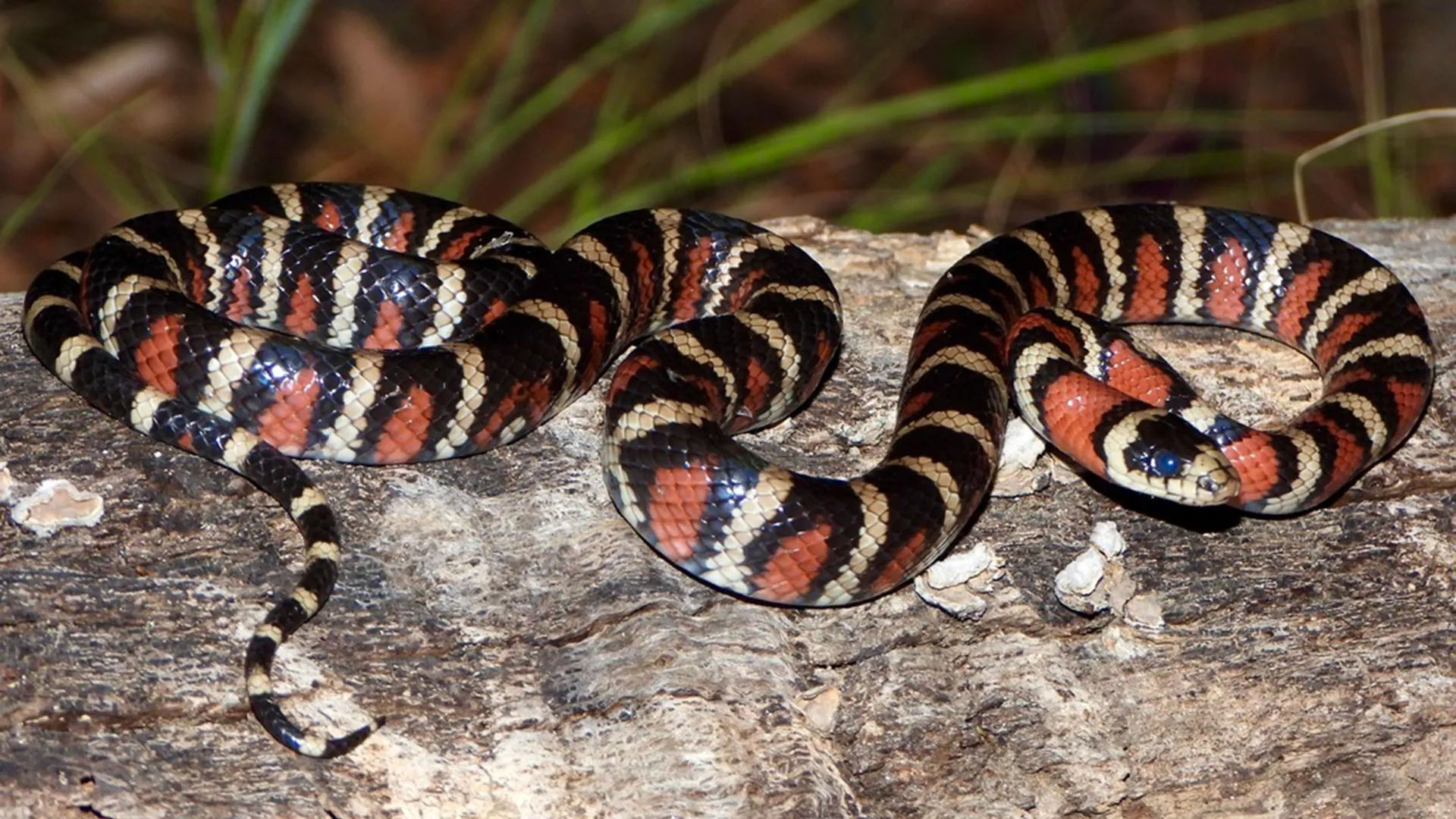
A compelling illustration of this hidden diversity comes from the state of Arizona itself. For an extended period, the Arizona mountain kingsnake (Lampropeltis pyromelana) was considered a single species, as individuals across its range exhibited similar physical appearances. However, a pivotal molecular study conducted in 2011 revealed a significant genetic distinction between populations in northern and southern Arizona. This genetic evidence led to the reclassification of the southern population as a distinct species, Lampropeltis knoblochi, while the northern snakes retained the original designation.
"If you compare those two mountain kingsnakes, they all look pretty much the same with their red, black and yellow-white stripes," noted Yinpeng Zhang, a graduate student in the Department of Ecology and Evolutionary Biology and the paper’s first author. "But the molecular data show that there are distinct but cryptic northern and southern species." This case exemplifies how subtle genetic differences can represent significant evolutionary divergence, even when morphological distinctions are negligible.
The Genesis of the Study: A Systematic Exploration
The impetus for this comprehensive investigation originated from Zhang’s observations several years prior. He noticed a recurring pattern in numerous taxonomy studies: the consistent discovery of genetically distinct species that were visually indistinguishable from known species. This led him to question the overall prevalence of this phenomenon across the entire spectrum of vertebrate life. Recognizing that no systematic examination had been conducted, the team embarked on a mission to quantify this hidden biodiversity.
To address this question, the research team undertook an ambitious endeavor: compiling and analyzing findings from over three hundred published studies conducted globally. This extensive meta-analysis allowed them to synthesize a vast body of genetic and morphological data, providing a robust statistical foundation for their conclusions.
Zhang highlighted the often-incidental nature of cryptic species discovery: "There aren’t many research groups focused purely on cryptic species. Most people discover them as a byproduct of other biodiversity or taxonomy studies rather than as the main goal." This suggests that many more cryptic species likely remain undiscovered, awaiting identification through broader taxonomic and ecological research. The study not only quantified the prevalence of cryptic species but also evaluated various methodologies employed in their estimation, offering valuable guidance for future research endeavors in this critical field.
Conservation Urgency: The Peril of the Undocumented
The implications of this research extend far beyond academic curiosity and the intricacies of species classification. The identification of cryptic species fundamentally alters our understanding of species distribution and population sizes, with direct consequences for conservation. When a single, broadly distributed species is revealed to be composed of multiple distinct cryptic species, each new species often occupies a significantly smaller geographic range. This reduction in range size dramatically increases a species’ vulnerability to threats.
"People have generally found that the smaller a species’ range size is, the more likely that species is to go extinct," Wiens stated. This correlation underscores the immediate conservation risks associated with newly recognized cryptic species. Their previously assumed widespread distribution may have masked their precarious status.
Wiens emphasizes that the formal description and naming of these cryptic species are not merely taxonomic exercises but are critical prerequisites for their effective protection. "Even though hundreds of molecular studies have uncovered hundreds of cryptic species, very few have been formally described or named," he noted. "That leaves these species without official recognition or legal protection." Without official designation, these species cannot be included in conservation assessments, habitat protection plans, or regulatory frameworks designed to safeguard endangered wildlife.
The practical ramifications are also significant. Zhang pointed out that conservation programs, which often aim to bolster populations, could inadvertently harm cryptic species if they are not properly identified. "Hidden diversity is an important consideration to make in our conservation efforts," Zhang asserted. Misidentifying distinct cryptic species could lead to ill-conceived breeding programs, potentially introducing genetic incompatibilities or even leading to hybridization, which could dilute the unique genetic heritage of each lineage.
For the researchers, the overarching takeaway is clear and urgent: "If we don’t know a species exists, then we can’t protect it," Wiens concluded. This sentiment encapsulates the core challenge posed by cryptic species – their very invisibility hinders our ability to act as stewards of biodiversity.
Future Directions and Broader Implications
The University of Arizona study represents a significant step forward in our understanding of global biodiversity. It not only provides a robust estimate of the number of undocumented vertebrate species but also underscores the critical role of genetic research in modern taxonomy. The findings are expected to galvanize further research into cryptic species across a wider array of taxa, not limited to vertebrates.
Conservation organizations and policymakers will need to grapple with the implications of this research. Incorporating genetic data into biodiversity assessments and conservation planning will become increasingly vital. The development of rapid and cost-effective genetic screening methods for newly discovered populations could expedite the process of identifying and prioritizing cryptic species for protection.
Furthermore, the study implicitly calls for increased funding and support for taxonomic research, particularly that which integrates molecular techniques. The traditional paradigm of biodiversity discovery may be shifting, with genetics now playing a central role in revealing the true richness of life on Earth.
The challenge ahead is immense. With an estimated two-thirds of vertebrate species potentially remaining undiscovered in plain sight, the task of cataloging, understanding, and protecting them is a monumental undertaking. However, the University of Arizona study provides a crucial roadmap, illuminating the path forward and emphasizing that a deeper, genetically informed understanding of life is essential for its preservation. The unseen majority of Earth’s vertebrates awaits discovery, and with it, the imperative to ensure their survival before they vanish without ever having been known.