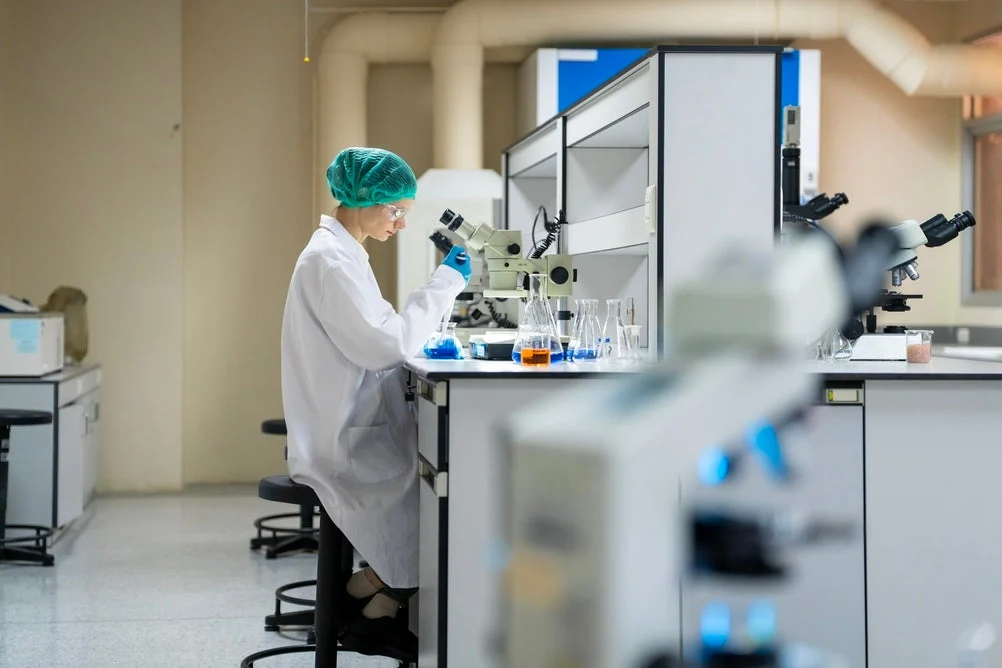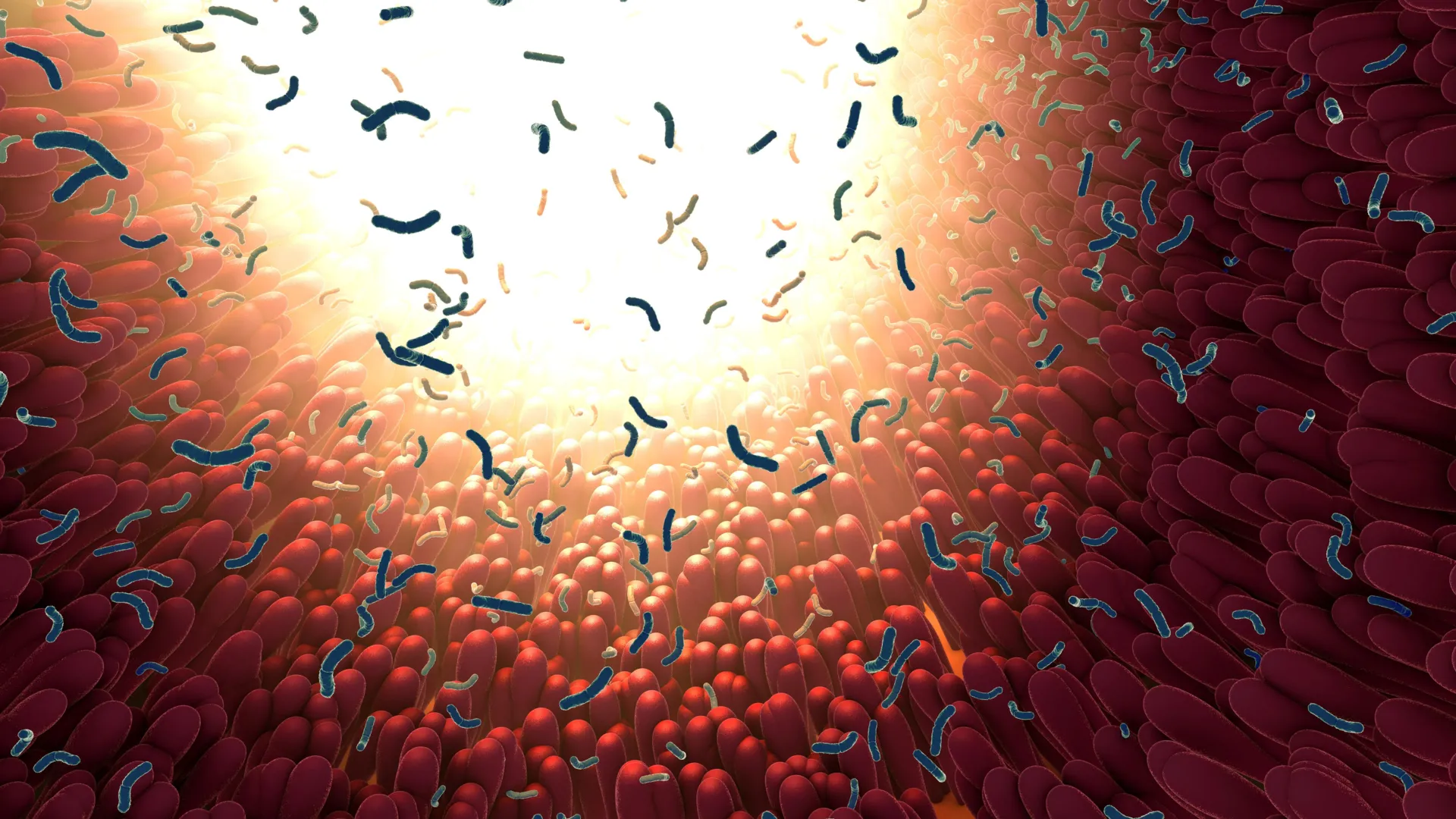
Huntington, WV – In a groundbreaking discovery that could reshape our understanding of aging and chronic illness, researchers at the Marshall University Joan C. Edwards School of Medicine have identified microscopic particles originating in the gut as significant contributors to inflammation and the development of age-related diseases. This pioneering work, published in the esteemed journal Aging Cell, sheds new light on the intricate interplay between gut health, metabolic function, immune system resilience, and even the physiological stressors that impact sleep.
The study zeroes in on gut luminal exosomes, minuscule vesicles that cells utilize as a sophisticated communication network, ferrying proteins and genetic material throughout the body. The research team found that exosomes harvested from older animal models harbored molecular signals directly linked to insulin resistance, pervasive inflammation, and compromised integrity of the gut lining. Crucially, when these aged exosomes were introduced into younger animals, they induced similar detrimental metabolic and inflammatory changes, suggesting a direct causal link. Conversely, exosomes from young animals, when transferred to older subjects, demonstrated a remarkable ability to mitigate several age-associated metabolic dysfunctions. These findings strongly indicate that the gut environment itself is not merely a passive bystander but an active participant in the genesis and progression of diseases commonly associated with the aging process.
The Gut Barrier: A Crucial Nexus in Chronic Inflammation
The research posits that gut exosomes possess the inherent capacity to directly influence disease pathogenesis. A compromised gut barrier, often referred to as "leaky gut," allows inflammatory molecules and other harmful substances to permeate the intestinal wall and enter the bloodstream. This systemic leakage can act as a persistent trigger for chronic inflammation, a well-established risk factor for a cascade of serious health issues, including cardiovascular disease, metabolic syndrome, and neurodegenerative disorders.
"This study provides critical clarification on how the physiological stressors inherently linked to biological aging can indeed accelerate the biological processes that drive aging and disease," stated Abdelnaby Khalyfa, M.Sc., Ph.D., a distinguished professor of biomedical sciences at the Joan C. Edwards School of Medicine and the study’s lead author. "A deep comprehension of these underlying mechanisms is absolutely paramount for the identification of novel therapeutic targets and for ultimately enhancing the long-term health outcomes for patients grappling with age-related conditions."
Unraveling the Complexities of Aging and Disease
This seminal research reinforces the growing scientific consensus that aging is a systemic phenomenon, affecting multiple bodily systems concurrently. Metabolism, immune responses, and cellular communication pathways are all intrinsically interwoven and susceptible to the cumulative effects of time. The Marshall University team has successfully identified specific molecular signatures within these exosomes, which hold immense potential for future diagnostic tools, enabling earlier detection and a more profound understanding of age-related ailments. Furthermore, these molecular markers could pave the way for the development of targeted therapeutic interventions.
The implications of these findings extend beyond the immediate scope of aging. The researchers highlighted that their discoveries may also be relevant to other chronic conditions characterized by prolonged physiological stress, particularly those diseases that share underlying biological pathways with the aging process. This suggests a unifying principle in the body’s response to sustained stress and the subsequent development of chronic pathology.
Background and Chronology of the Research
The research leading to this significant publication likely spanned several years, involving meticulous experimental design, data collection, and analysis. While a precise timeline of the study’s inception and execution is not detailed in the initial report, such investigations typically commence with a hypothesis, followed by preliminary studies to validate the core concept.
The initial phase would likely have involved establishing robust animal models that mimic aspects of aging, allowing researchers to observe changes in gut exosomes. The identification of exosomes as communication vehicles in cellular biology has been a focus of research for decades, with significant advancements in their characterization and functional analysis occurring in the past 15-20 years. The specific focus on gut luminal exosomes and their role in age-related inflammation represents a more recent and specialized area of inquiry.
The core experiments would have involved:
- Exosome Isolation and Characterization: Techniques to isolate exosomes from the gut lumen of both young and old animals. This would include purification processes and molecular analysis (e.g., proteomics, RNA sequencing) to identify the cargo within these exosomes.
- In Vitro Studies: Potentially, experiments using cell cultures to assess the direct impact of aged exosomes on gut barrier cells or immune cells.
- In Vivo Transfer Studies: The critical experiments where exosomes from one age group were transferred to the other. This is a key step in establishing causality.
- Metabolic and Inflammatory Assays: Comprehensive analysis of the recipient animals to measure indicators of insulin resistance, inflammation markers (e.g., cytokines), gut barrier permeability, and other metabolic parameters.
The publication in Aging Cell, a peer-reviewed journal, signifies that the research has undergone rigorous scrutiny by independent experts in the field, validating its scientific merit and significance. The funding sources, detailed in the report, suggest a multi-faceted support structure, common for complex biological research projects. Unrestricted start-up support for Dr. Khalyfa from the Joan C. Edwards School of Medicine indicates institutional commitment to fostering new research directions. The involvement of NIH grants and the West Virginia IDeA Network of Biomedical Research Excellence (WV-INBRE) points to broader federal and state support for biomedical research infrastructure and innovation.
Supporting Data and Methodological Insights
While the original report focuses on the qualitative findings, a more comprehensive news article would benefit from referencing the types of quantitative data that would have been generated. For instance, researchers likely measured:
- Exosome Concentration and Size Distribution: Using techniques like nanoparticle tracking analysis (NTA).
- Molecular Cargo Analysis: Quantifying specific proteins (e.g., inflammatory cytokines, metabolic enzymes) and RNA species within the exosomes using mass spectrometry and RNA sequencing.
- Gut Barrier Permeability Markers: Measuring serum levels of molecules like lipopolysaccharide (LPS) or zonulin, which are indicators of increased intestinal permeability.
- Inflammatory Markers: Quantifying systemic inflammatory cytokines (e.g., TNF-alpha, IL-6, IL-1beta) in blood serum using ELISA or multiplex assays.
- Metabolic Parameters: Measuring blood glucose levels, insulin sensitivity (e.g., using glucose tolerance tests), lipid profiles, and markers of oxidative stress.
- Gene Expression Analysis: In target tissues of recipient animals, to understand how exosomal cargo influences cellular pathways.
The use of animal models is standard practice in preclinical research to understand complex biological processes before human trials. The specific choice of animal model (e.g., mice, rats) and their age stratification would be critical to the study’s design. The researchers’ careful methodology in isolating and characterizing the exosomes, and then conducting controlled transfer experiments, is crucial for establishing the observed cause-and-effect relationships.
Broader Impact and Implications for Public Health
The implications of this research are far-reaching. If the findings are translatable to humans, they could revolutionize how we approach the prevention and treatment of age-related diseases.
- Preventive Strategies: Understanding the role of gut exosomes could lead to the development of novel dietary interventions, prebiotics, or probiotics specifically designed to modulate the composition and function of gut exosomes. This could involve promoting the production of beneficial exosomes or inhibiting the release of detrimental ones.
- Therapeutic Targets: The specific molecular signals identified within the exosomes could become targets for pharmaceutical interventions. Drugs could be developed to block the action of pro-inflammatory exosomal cargo or to enhance the delivery of anti-inflammatory or reparative molecules.
- Biomarker Development: The exosomal cargo could serve as early diagnostic biomarkers for individuals at high risk of developing age-related diseases, allowing for earlier intervention and potentially personalized treatment plans.
- Metabolic Syndrome and Obesity: Given the link to insulin resistance, this research has significant implications for understanding and treating metabolic syndrome, type 2 diabetes, and obesity, which are increasingly prevalent global health challenges.
- Neurological Health: Emerging research links gut health to brain function. This study’s findings on inflammation and metabolic dysfunction could have indirect implications for neurodegenerative diseases like Alzheimer’s and Parkinson’s, which are often associated with chronic inflammation.
- Sleep and Biological Stress: The mention of sleep-related biological stress is particularly intriguing. Chronic inflammation and metabolic dysregulation are known to disrupt sleep patterns, and vice versa. This research may offer a new pathway to understand and address these interconnected issues.
Future Directions and Official Responses
While the study represents a significant leap forward, further research is undoubtedly needed to fully elucidate the mechanisms and translate these findings into clinical applications. Future studies may focus on:
- Human Studies: Validating these findings in human cohorts, correlating exosome profiles in the gut with age-related disease progression.
- Mechanism Elucidation: Delving deeper into how specific exosomal molecules interact with target cells and tissues.
- Intervention Trials: Designing and conducting clinical trials to test the efficacy of interventions aimed at modulating gut exosome function.
- Longitudinal Studies: Tracking individuals over time to understand how changes in gut exosome profiles correlate with the development of chronic diseases.
The researchers themselves, including Dr. Khalyfa, Dr. Trupti Joshi, and Dr. David Gozal from Marshall University, along with Lyu Zhen from the University of Missouri, are likely to continue their investigations in this promising area. Their ongoing work will be crucial in building upon this foundational discovery. The scientific community will be keenly observing their next steps, as will public health organizations and the pharmaceutical industry, all of whom stand to benefit from advancements in understanding and combating age-related diseases. The potential for improved quality of life and reduced healthcare burdens associated with aging underscores the profound significance of this research originating from the Joan C. Edwards School of Medicine.