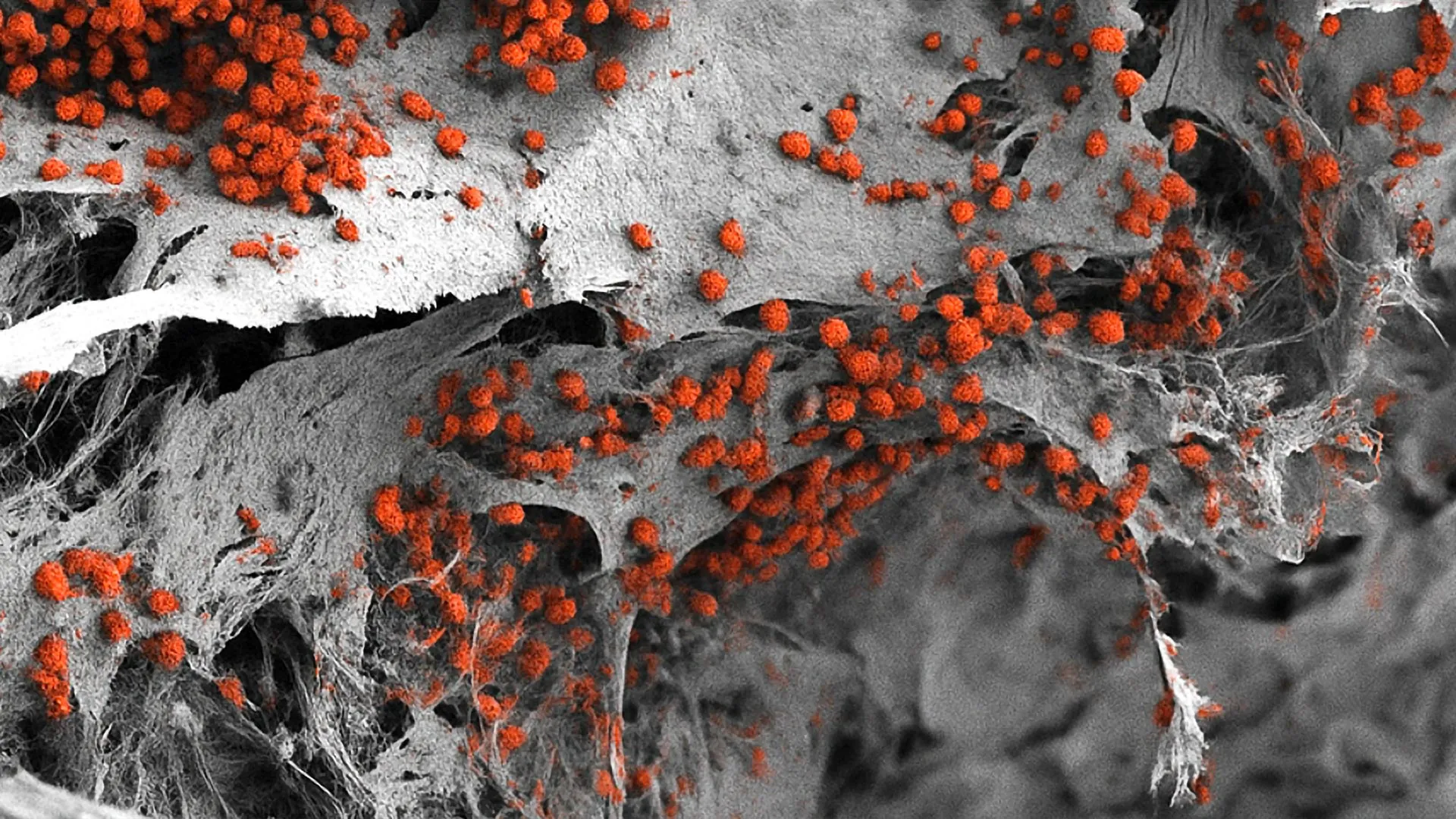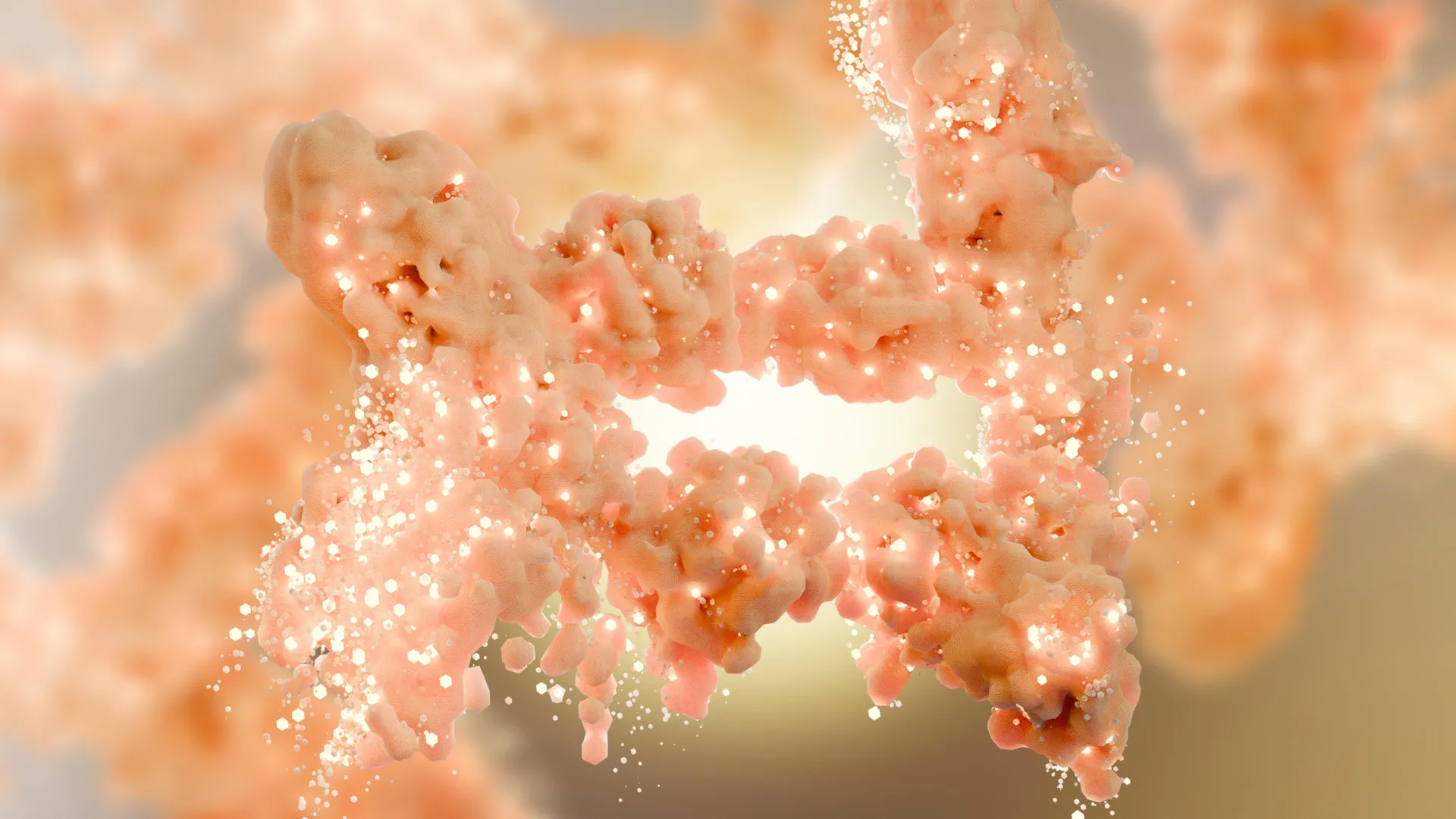
In a landmark study that bridges four decades of biological mystery with cutting-edge structural chemistry, a research team led by Yale University has successfully mapped the molecular mechanism that prevents sperm from fusing with an egg. The discovery, centered on a naturally occurring antibody found in mammals, provides the most detailed look yet at the physical barriers to fertilization. By identifying exactly how the biological "handshake" between a sperm cell and an egg is interrupted, the findings, published in the journal Proceedings of the National Academy of Sciences (PNAS), establish a dual-purpose foundation for the future of reproductive medicine: high-precision treatments for immuno-infertility and the development of non-hormonal male contraceptives.
The research focuses on the interaction between two vital proteins: IZUMO1, located on the surface of the sperm, and JUNO, a receptor located on the egg’s membrane. For decades, scientists have known that the bonding of these two proteins is the essential "lock and key" mechanism required for fertilization to occur. However, the Yale-led team has now revealed how a specific antisperm antibody, known as OBF13, physically obstructs this connection, effectively "jamming the lock" and preventing the creation of a zygote.
The Molecular Architecture of Fertilization
To understand the breakthrough, it is necessary to examine the fundamental biology of mammalian reproduction. For fertilization to be successful, a sperm cell must not only reach the egg but must also recognize it, adhere to its surface, and eventually fuse its genetic material with that of the egg. This process is governed by a series of complex protein-to-protein interactions.
In 2005, a team led by Masahito Ikawa at Osaka University—who is also a co-author of this new Yale study—discovered IZUMO1, naming it after a Japanese shrine dedicated to marriage. It was identified as the first protein on the sperm surface known to be essential for fusion. Nearly a decade later, in 2014, researchers identified its counterpart on the egg, a receptor named JUNO (after the Roman goddess of fertility and marriage). When IZUMO1 meets JUNO, they form a stable complex that facilitates the fusion of the two cells.
Despite this knowledge, the medical community has struggled to explain why some individuals possess all the necessary biological components for fertility yet remain unable to conceive. This phenomenon, often categorized under "unexplained infertility" or "immuno-infertility," frequently involves the presence of antisperm antibodies (ASAs) that prevent the IZUMO1-JUNO bond from forming.
The Forty-Year Mystery of OBF13
The Yale-led study centered its investigation on OBF13, a monoclonal antibody first discovered 40 years ago at Osaka University. Since its initial identification in the early 1980s, OBF13 has been a subject of intense interest because of its potent ability to block fertilization in rodent models. While it was known that OBF13 targeted the sperm cell, the precise "how" and "where" remained elusive for four decades.
Steven Tang, an assistant professor of molecular biophysics and biochemistry in Yale’s Faculty of Arts and Sciences and the study’s corresponding author, noted that the lack of high-resolution structural data had previously stalled progress. To solve this, the team utilized X-ray crystallography, a technique that allows scientists to visualize the three-dimensional structure of molecules at an atomic level. By analyzing the crystal structure of IZUMO1 as it interacted with OBF13, the researchers observed a dramatic reconfiguration.
The study revealed that OBF13 does not simply sit on the sperm; it attaches itself with high affinity, physically altering the landscape of the IZUMO1 protein. This attachment ensures that the sperm can no longer "fit" into the JUNO receptor on the egg. Furthermore, the team identified a high-affinity variant of OBF13 that acts as an even more potent blocker, providing a blueprint for how synthetic inhibitors might be designed in a laboratory setting.
A Chronology of Discovery in Reproductive Biology
The path to this discovery has been marked by several decades of incremental breakthroughs in the field of reproductive science:
- 1984: Researchers at Osaka University first isolate the OBF13 antibody and observe its ability to inhibit fertilization in mice, though the molecular target remains unknown.
- 2005: The protein IZUMO1 is identified on the sperm membrane, proving to be the first essential factor for gamete fusion.
- 2014: The receptor JUNO is identified on the egg surface, completing the understanding of the primary sperm-egg binding pair.
- 2016–2022: Advances in cryo-electron microscopy and X-ray crystallography allow for more detailed imaging of protein complexes.
- 2024: The Yale-led team publishes the first anti-sperm antibody-antigen complex structure, finally explaining the 40-year-old mystery of OBF13.
Supporting Data: The Impact of Infertility
The implications of this research are grounded in the sobering statistics of reproductive health. According to the Centers for Disease Control and Prevention (CDC), approximately 9% of men and 11% of women of reproductive age in the United States experience fertility problems. On a global scale, the World Health Organization (WHO) reports that roughly 1 in 6 people are affected by infertility in their lifetime.
A significant subset of these cases involves immunological factors. In these instances, the immune system mistakenly identifies sperm as a foreign invader, producing antibodies that attack or neutralize them. Before the Yale study, diagnosing the specific mechanism of this "immuno-infertility" was difficult. By identifying the exact amino acid sites on JUNO that define its binding capability with IZUMO1, the researchers have provided a diagnostic target. They discovered that even in the presence of OBF13, certain sites on the JUNO receptor could still be accessed to facilitate fertilization, suggesting that targeted therapies could one day "bypass" the interference of antibodies.
Implications for Non-Hormonal Contraception
While the study offers hope for those wishing to conceive, its secondary application is equally transformative: the development of a male contraceptive. For decades, the burden of pharmacological contraception has fallen largely on women, primarily through hormonal methods such as "the pill," patches, or intrauterine devices (IUDs). These methods, while effective, often carry side effects ranging from mood swings and weight gain to more serious risks like blood clots.
The search for a "male pill" has long been hindered by the difficulty of suppressing the production of millions of sperm daily without altering testosterone levels or causing permanent infertility. The Yale study points toward a different approach: rather than stopping sperm production, a drug could simply "mask" the IZUMO1 protein, mimicking the action of the OBF13 antibody.
"We provide high-resolution information that will open avenues for discovering IZUMO1 regulators," said Steven Tang. This information allows for the design of small-molecule inhibitors—essentially drugs that can be taken orally to temporarily block the sperm’s ability to recognize an egg. Because this method targets a specific protein interaction rather than systemic hormones, it would theoretically have fewer side effects and would be rapidly reversible.
Institutional Support and Technological Collaboration
The success of the study was a result of a massive inter-institutional effort. The research involved a collaboration between Yale University and Osaka University, with Yonggang Lu serving as the first author and Masahito Ikawa as the co-author.
The technical execution of the study relied heavily on the SLAC National Accelerator Laboratory in California. Supported by the U.S. Department of Energy’s Office of Science, the SLAC facility provided the high-intensity X-ray beams necessary to map the complex protein structures. Funding was provided by a diverse group of stakeholders, including the National Institutes of Health (NIH), the David Sokal Innovation Award of the Male Contraception Initiative, the Japan Society for the Promotion of Science, and the Takeda Science Foundation.
This broad base of support reflects the global importance of the research. The Male Contraception Initiative, in particular, has highlighted the study as a critical step toward diversifying reproductive health options for men, an area of medicine that has seen little innovation since the development of the vasectomy and the condom.
Fact-Based Analysis: The Road Ahead
While the mapping of the OBF13-IZUMO1 complex is a significant scientific milestone, the transition from a laboratory discovery to a clinical treatment will require several more years of development. The researchers have successfully identified the "target," but the next phase involves "drug screening"—finding or creating molecules that can safely and effectively mimic or block these interactions in humans.
One of the most promising aspects of the study is the identification of key amino acid sites on the JUNO receptor. This structural "map" allows scientists to see exactly which parts of the protein are essential for binding. For infertility patients, this could lead to "decoy" treatments that soak up harmful antibodies, leaving the real IZUMO1 proteins free to bind with the egg. For contraception, it provides a specific "pocket" on the protein where a drug could be designed to fit perfectly, preventing any other interaction.
The discovery also sheds light on the evolutionary biology of mammals. The fact that such a mechanism exists naturally suggests that the body has inherent ways of regulating fertility that science is only beginning to understand. As the research moves into the next phase of animal trials and eventually human clinical trials, the focus will remain on the safety and specificity of these molecular interventions.
Conclusion: A New Era in Reproductive Science
The Yale-led discovery marks the beginning of a new chapter in reproductive biophysics. By resolving the 40-year mystery of how the OBF13 antibody prevents fertilization, the team has turned a biological obstacle into a scientific tool. Whether used to help a couple overcome immuno-infertility or to provide a man with a reliable, non-hormonal contraceptive, the high-resolution data provided by Tang and his colleagues offers a path toward more personalized and effective reproductive healthcare.
As Steven Tang summarized, the work provides the "first anti-sperm antibody-antigen complex structure," a breakthrough that will serve as the reference point for all future research into the IZUMO1-JUNO connection. In the complex world of molecular biology, sometimes the best way to move forward is to look closely at the very things that hold us back.