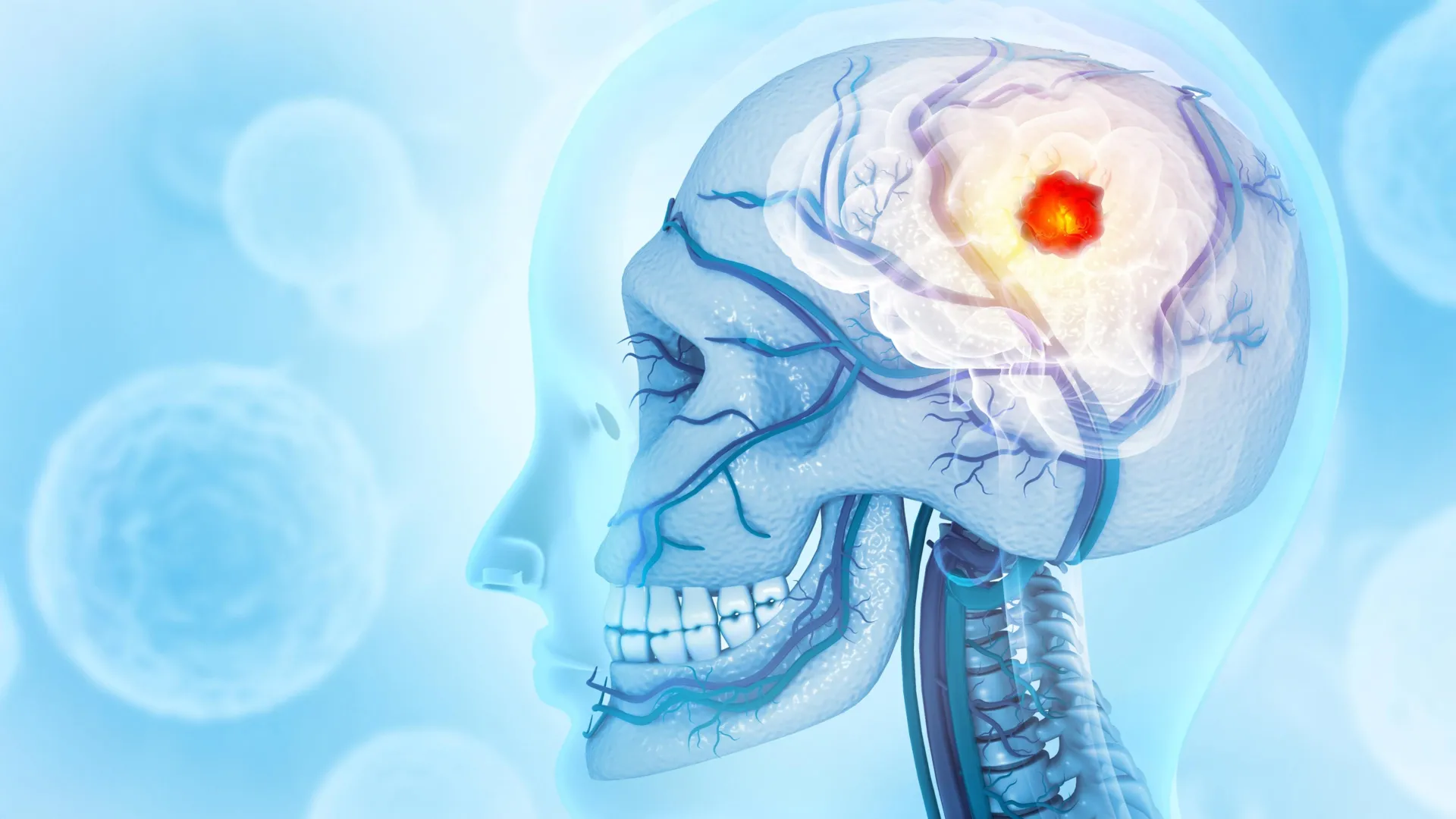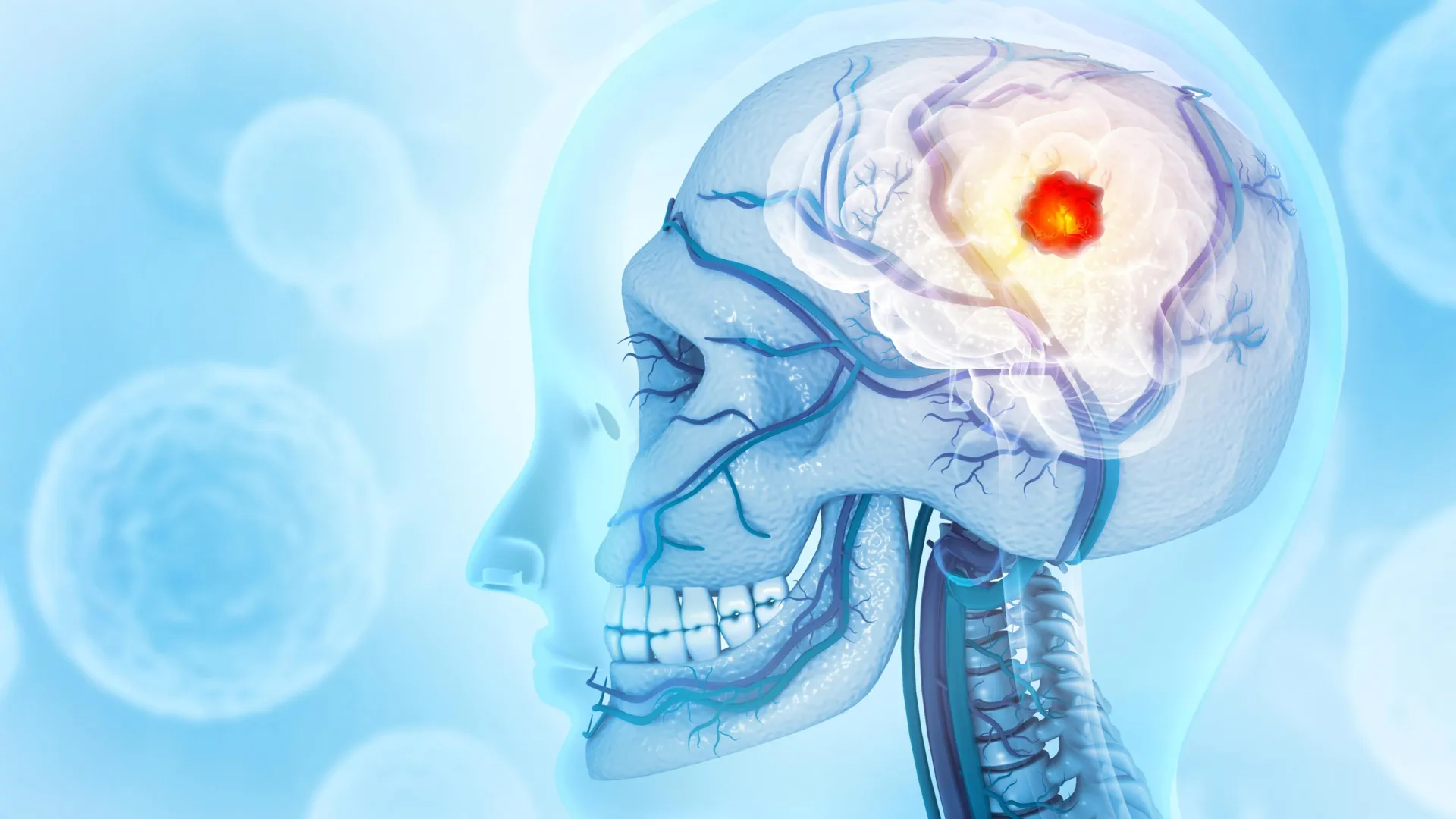
In a landmark study published on October 3 in the journal Nature Neuroscience, researchers from the Montefiore Einstein Comprehensive Cancer Center (MECCC) and the Albert Einstein College of Medicine have fundamentally challenged the medical community’s understanding of glioblastoma. Long regarded as a localized, albeit highly aggressive, malignancy confined within the blood-brain barrier, glioblastoma has now been shown to exert a systemic influence that extends into the skeletal structure and the body’s primary immune-cell manufacturing sites. The study reveals that this lethal form of brain cancer actively erodes the skull, reconfigures the immune landscape of the bone marrow, and paradoxically becomes more aggressive when treated with certain common bone-loss medications.
This discovery provides a potential explanation for why decades of therapeutic interventions, which have focused almost exclusively on the brain as an isolated site, have largely failed to improve long-term patient outcomes. By demonstrating that glioblastoma "communicates" with the skull and alters the production of immune cells, the research team has opened a new frontier in neuro-oncology that prioritizes the systemic environment of the tumor over its localized mass.
The Stagnation of Glioblastoma Prognostics
Glioblastoma multiforme (GBM) remains the most common and deadliest primary brain tumor in adults. According to data from the National Cancer Institute (NCI), approximately 15,000 individuals in the United States receive a glioblastoma diagnosis annually. Despite advancements in surgical precision, neuro-imaging, and molecularly targeted therapies, the clinical prognosis has remained stubbornly grim for decades.
The current standard of care—the "Stupp Protocol"—was established in 2005 and involves maximal safe surgical resection followed by a combination of radiation therapy and the chemotherapy drug temozolomide. Even with this rigorous intervention, the median survival time for patients is approximately 15 months, with a five-year survival rate of less than 7%. The recurrence of the tumor is nearly universal, often occurring within centimeters of the original site. The MECCC study suggests that this recurrence and resistance to treatment may be fueled by a "supply chain" of pro-inflammatory cells originating from the skull marrow, a factor that has been overlooked in traditional oncology.
Uncovering the Skull-Brain Connection
The research, led by corresponding author Jinan Behnan, Ph.D., an assistant professor at Einstein and a member of the NCI-designated MECCC, was prompted by recent anatomical discoveries. Historically, the skull was viewed as a static, protective casing for the brain. However, recent neurological research has identified a network of microscopic, vascularized channels that bridge the gap between the brain’s outer surface (the dura mater) and the marrow of the skull bones.
These channels serve as a direct conduit for the exchange of molecular signals and immune cells. Dr. Behnan’s team hypothesized that glioblastoma might exploit these channels to manipulate the immune system at its source. To test this, the researchers utilized advanced imaging and mouse models of two distinct glioblastoma types.
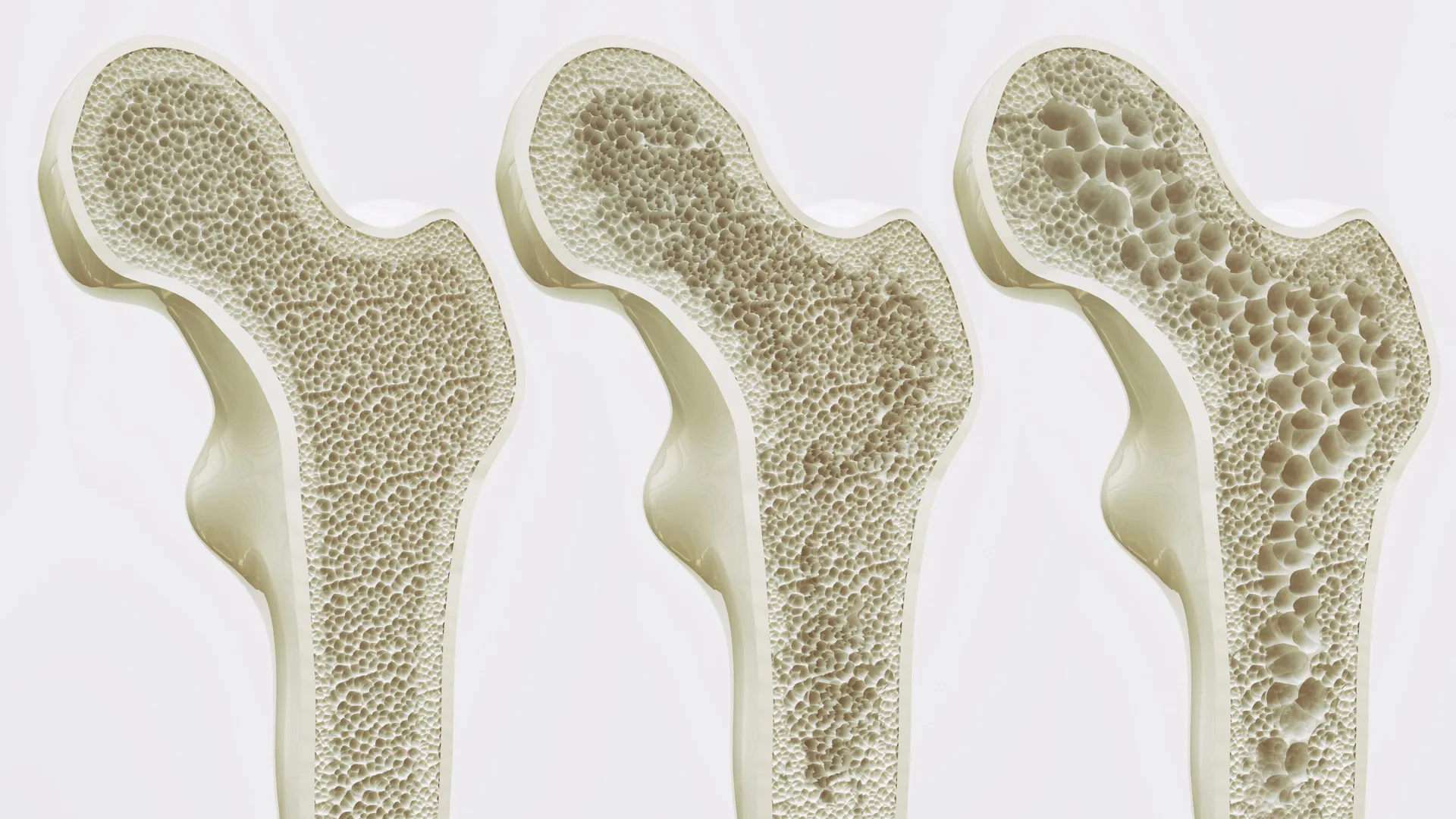
Their observations were striking: the presence of the tumor led to significant erosion of the skull bone. This degradation was most pronounced along the sutures—the fibrous joints where the bones of the skull fuse. Crucially, this phenomenon was unique to glioblastoma. When the researchers induced strokes or other types of brain injuries in mice, or introduced cancers that originated elsewhere in the body, the skull remained intact. This suggests that glioblastoma secretes specific signaling molecules that actively target and dissolve bone tissue to expand its influence.
Translating Findings from Mice to Humans
To ensure the clinical relevance of their findings, the Einstein team conducted a retrospective analysis of CT scans from human patients diagnosed with glioblastoma. The results mirrored the animal models. Human patients exhibited significant thinning of the skull in the same regions observed in the mice, particularly near the tumor site and along the cranial sutures.
The erosion of the bone was not merely a side effect of the cancer; it served a functional purpose for the tumor’s progression. The researchers found that as the bone thinned, the channels connecting the brain to the marrow increased in both number and diameter. This physical expansion effectively "opened the gates," allowing for an unprecedented level of crosstalk between the malignancy and the skull’s internal marrow.
The Reprogramming of Skull Marrow
The most significant finding of the study involves the immunological shift within the skull marrow. Using single-cell RNA sequencing—a high-resolution technology that allows scientists to see which genes are turned on in individual cells—the team mapped the immune landscape of the marrow in the presence of glioblastoma.
They discovered that the tumor sends molecular instructions through the cranial channels to "reprogram" the marrow. Under normal conditions, the marrow produces a balanced variety of immune cells, including B cells (which produce antibodies) and T cells (which attack pathogens and tumors). However, glioblastoma shifts this balance toward a pro-inflammatory state.
In the affected skull marrow, the researchers found:
- A Surge in Myeloid Cells: The levels of inflammatory neutrophils nearly doubled. These cells, while necessary for fighting acute infections, can be hijacked by tumors to promote growth and suppress more effective immune responses.
- The Depletion of B Cells: Several types of antibody-producing B cells were nearly eliminated from the skull marrow, stripping the body of a critical defensive layer.
- Local vs. Systemic Divergence: In a fascinating twist, the researchers compared the marrow in the skull to the marrow in the femur (thigh bone). While the skull marrow became a "factory" for pro-inflammatory cells, the femur marrow showed a suppression of genes required for immune cell production. This indicates that glioblastoma manages its environment with surgical precision, stimulating inflammation near the tumor while inducing a state of systemic immune exhaustion elsewhere.
"The skull-to-brain channels allow an influx of these numerous pro-inflammatory cells from the skull marrow to the tumor, rendering the glioblastoma increasingly aggressive," explained co-author E. Richard Stanley, Ph.D. This influx creates a "vicious cycle" where the tumor recruits the very cells it needs to resist treatment.
The Osteoporosis Drug Paradox
Given the observed bone erosion, the researchers investigated whether preventing this bone loss could slow the progression of the cancer. They administered two FDA-approved drugs commonly used to treat osteoporosis and bone metastases: zoledronic acid (a bisphosphonate) and denosumab (a RANKL inhibitor).
While both drugs successfully halted the erosion of the skull bone, the results regarding the tumor itself were alarming. In one type of glioblastoma, zoledronic acid actually accelerated the progression of the disease. Furthermore, both drugs were found to interfere with the efficacy of immunotherapy.
Specifically, the bone-protecting drugs blocked the beneficial effects of anti-PD-L1 therapy. Anti-PD-L1 is a class of checkpoint inhibitors designed to "take the brakes off" the immune system, allowing T cells to recognize and kill cancer cells. By stabilizing the bone but failing to address—or even exacerbating—the underlying immune imbalance in the marrow, the osteoporosis medications inadvertently shielded the tumor from the body’s natural defenses.
This finding carries immediate implications for clinical practice, as many cancer patients are prescribed these medications to manage bone density loss caused by chemotherapy or long-term corticosteroid use (such as dexamethasone, which is frequently used to reduce brain swelling in glioblastoma patients).
Chronology of the Research and Future Implications
The study represents years of interdisciplinary collaboration involving experts in neurological surgery, microbiology, immunology, and developmental biology. The timeline of the research reflects a shift in the field of oncology:
- Phase 1 (Anatomical Discovery): Building on 2018-2021 studies that first identified the skull-brain channels.
- Phase 2 (Hypothesis Testing): Using mouse models at Einstein to observe the physical changes in the skull during tumor growth.
- Phase 3 (Genomic Mapping): Utilizing single-cell RNA sequencing to identify the specific immune cells being manipulated.
- Phase 4 (Human Validation): Confirming the mouse data with human CT scans and clinical records.
- Phase 5 (Pharmacological Testing): Testing the impact of existing bone drugs on the tumor-immune axis.
The implications of this research are profound. It suggests that future glioblastoma therapies must look "outside the brain." Dr. Behnan and her team argue for a dual-track treatment strategy: one that continues to target the tumor mass within the brain, and another that restores the immunological health of the skull marrow.
"This indicates the need for treatments that restore the normal balance of immune cells in the skull marrow," Dr. Stanley noted. Potential future strategies include the development of drugs that can suppress the production of pro-inflammatory neutrophils and monocytes while simultaneously boosting the production of T and B cells within the cranial marrow.
Conclusion and Scientific Analysis
The findings published in Nature Neuroscience mark a pivotal moment in the fight against glioblastoma. By proving that the skull is not a passive bystander but an active participant in the pathology of brain cancer, the MECCC and Einstein researchers have provided a new roadmap for drug development.
The study also serves as a cautionary tale regarding the "repurposing" of drugs. While zoledronic acid and denosumab are effective for their intended use in bone health, their interaction with the unique microenvironment of the brain and skull marrow can lead to unintended consequences.
As the medical community moves toward a more holistic, systemic view of cancer, the focus will likely shift to "marrow-protective" therapies. If scientists can learn to close the "supply lines" of inflammatory cells coming from the skull, they may finally be able to make glioblastoma vulnerable to the modern arsenal of immunotherapies that have already revolutionized the treatment of other aggressive cancers, such as melanoma and lung cancer. For now, the research provides a sobering reminder of the complexity of the human body and the sophisticated ways in which the most lethal cancers exploit its natural pathways to survive.