


Eli Lilly and Company, a global leader in pharmaceutical innovation, has announced a significant strategic alliance with Profluent, an artificial intelligence (AI) driven biotechnology firm. This collaboration aims to accelerate the discovery and development of novel recombinases, a class of enzymes critical for precise, large-scale gene editing. The partnership signifies a major step forward in the quest to tackle complex genetic diseases by enabling more sophisticated and efficient manipulation of DNA. This agreement marks the second substantial deal for Eli Lilly this week, underscoring its aggressive strategy to bolster its pipeline and embrace cutting-edge biotechnologies.
The financial terms of the agreement include an undisclosed upfront payment to Profluent, along with dedicated funding for its research and development initiatives. The deal also positions Profluent to potentially receive up to $2.25 billion in development and commercial milestone payments. Furthermore, Profluent stands to earn tiered royalties on net sales should any of the collaboratively developed recombinases successfully reach the market, reflecting the long-term value and potential of this partnership.
Unlocking Kilobase-Scale DNA Editing with AI
At the core of this collaboration is the shared vision of leveraging AI to engineer highly specific recombinases capable of precise, kilobase-scale DNA editing. Traditional gene editing technologies, such as CRISPR-Cas9 and base editing, have revolutionized the field, but they often operate at a smaller scale or with limitations in targeting specific genomic loci with the required precision for certain complex genetic disorders. Recombinases, on the other hand, are naturally occurring enzymes that can recognize specific DNA sequences and facilitate precise DNA rearrangement, deletion, or insertion. By employing AI, Profluent aims to design and optimize custom recombinases that can target virtually any genomic location with unparalleled accuracy.
"Kilobase-scale DNA editing is the ‘holy grail’ in genetic medicine," stated Ali Madani, co-founder and CEO of Profluent. "AI is the only technology that can truly unlock the potential of designer recombinases for any location in the genome. This partnership with Eli Lilly will allow us to translate our AI-driven platform into tangible therapeutic solutions for patients with severe unmet needs."
The significance of kilobase-scale editing lies in its potential to address the inherent heterogeneity of genetic diseases. Many genetic disorders are caused by a wide spectrum of mutations across different patients. The ability to precisely edit large segments of DNA could enable therapeutic interventions that are more effective across a broader patient population, moving beyond the one-size-fits-all approach often necessitated by current gene editing methods. This could lead to more personalized and impactful treatments for conditions that have historically been challenging to address.
Strategic Expansion and Dealmaking Spree
Eli Lilly’s pursuit of advanced gene editing capabilities is not a new endeavor. This latest pact with Profluent follows closely on the heels of another significant deal announced earlier this week, reinforcing the company’s commitment to strategic expansion and pipeline diversification. In January 2026, Eli Lilly forged a $1.12 billion collaboration with Seamless Therapeutics, a German biotech firm, specifically to develop recombinase-based therapies targeting hearing loss. This prior agreement highlights a growing focus within Eli Lilly on the therapeutic potential of recombinase technology.
Beyond the realm of recombinases, Eli Lilly has been actively investing in other cutting-edge gene editing ventures. The company, alongside Johnson & Johnson, participated in an $85 million financing round for Stylus Medicine, an emerging in vivo gene editing startup focused on developing therapies for cancer. This demonstrates Lilly’s broad interest in innovative gene editing modalities across different therapeutic areas.
The Profluent deal is part of a larger, ambitious dealmaking spree undertaken by Eli Lilly in the early months of 2026. The pharmaceutical giant has committed approximately $21 billion to acquire six biotechnology companies, spanning critical therapeutic areas such as oncology, immunology, and cardiovascular diseases. Most recently, Eli Lilly finalized the acquisition of Ajax Therapeutics, a specialist in Janus kinase (JAK) inhibitors, for $2.3 billion. This acquisition is expected to significantly enhance Lilly’s presence in the blood cancer market.
This aggressive acquisition and partnership strategy is not unique to Eli Lilly. It mirrors a broader trend across the pharmaceutical industry, where companies are actively seeking to replenish their research and development pipelines. The looming threat of patent expirations for blockbuster drugs is a primary driver for these strategic moves, compelling pharmaceutical giants to invest heavily in novel therapies and technologies to ensure sustained growth and market leadership.

The Power of Recombinases in Gene Therapy
Recombinases are enzymes that catalyze the process of DNA recombination, a fundamental biological mechanism. In the context of gene therapy, engineered recombinases can be designed to recognize specific DNA sequences, known as recombination sites. Once these sites are in place, the recombinase can precisely cut and paste DNA fragments, allowing for the insertion, deletion, or inversion of genetic material. This precision is paramount for therapeutic applications, as errors in gene editing can have severe consequences.
The advantage of recombinases over some other gene editing tools lies in their ability to mediate large-scale genomic alterations. While nucleases like Cas9 create double-strand breaks that are then repaired by cellular mechanisms, which can sometimes lead to unpredictable outcomes, recombinases facilitate a more controlled and predictable integration or excision of DNA. This characteristic is particularly valuable for correcting large genetic defects or for inserting entire therapeutic genes into specific locations within the genome.
Profluent’s AI platform plays a crucial role in this process. By analyzing vast datasets of protein sequences, DNA structures, and enzymatic activities, their AI can predict and design novel protein structures with desired functionalities. This allows for the rapid generation of a diverse library of potential recombinases, which can then be screened and optimized for specificity, efficiency, and safety. This AI-driven approach significantly accelerates the discovery timeline compared to traditional, empirical methods.
Broader Implications for Genetic Medicine
The partnership between Eli Lilly and Profluent has far-reaching implications for the future of genetic medicine. By enabling precise, large-scale gene editing, this collaboration has the potential to unlock new therapeutic avenues for a wide range of genetic disorders that are currently untreatable or have limited treatment options.
- Rare Genetic Diseases: Many rare genetic diseases are caused by point mutations or small insertions/deletions. However, some conditions involve larger deletions or complex rearrangements of DNA that are difficult to address with current gene editing tools. Kilobase-scale editing could offer solutions for these more complex genetic defects.
- Multigenic Disorders: Diseases influenced by multiple genes, such as certain forms of cancer, cardiovascular disease, and neurological disorders, could potentially benefit from therapies that precisely modulate multiple genetic loci simultaneously or sequentially.
- Enhanced Gene Therapy Delivery: Precise integration of therapeutic genes into the genome at safe harbor sites can improve the safety and efficacy of gene therapies, ensuring consistent gene expression and minimizing off-target effects.
- Accelerated Drug Discovery: The ability to rapidly engineer bespoke recombinases for specific genomic targets could also accelerate the development of preclinical models for genetic diseases, providing researchers with more accurate tools to study disease mechanisms and test potential therapies.
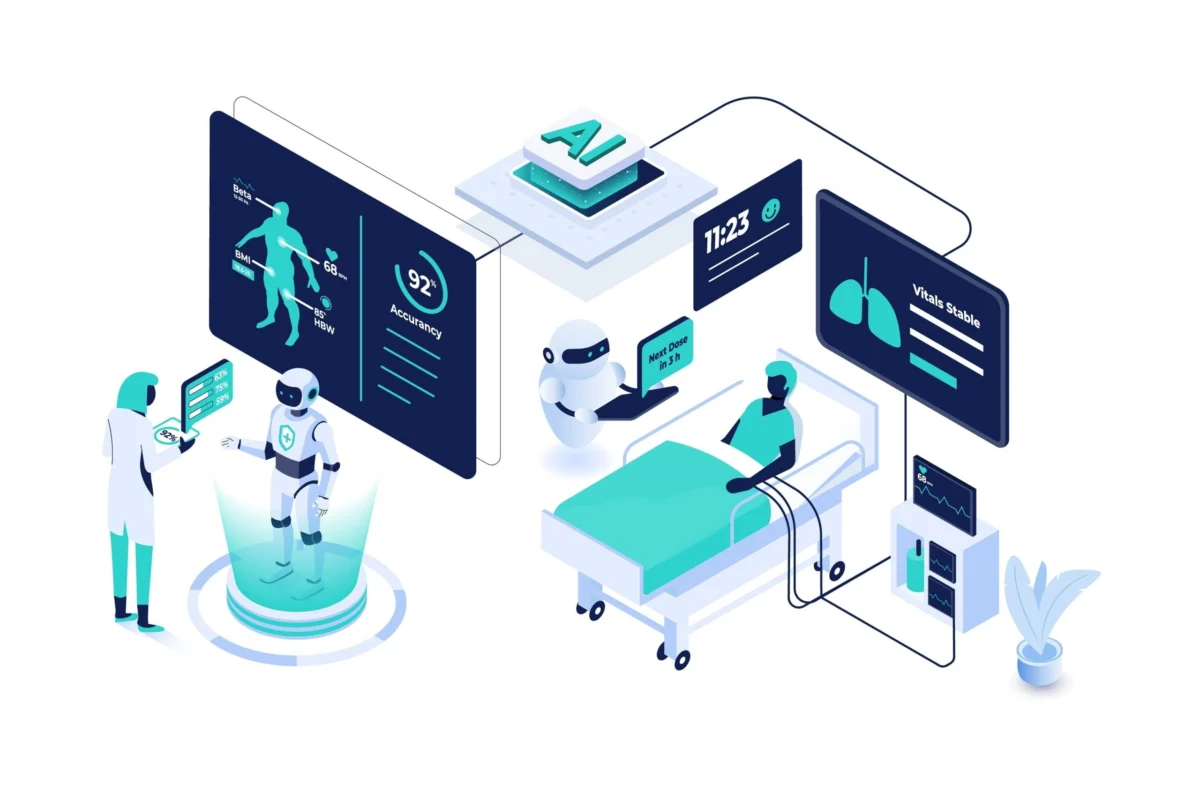
The collaboration also underscores the growing importance of AI in pharmaceutical research and development. The ability of AI to analyze complex biological data, predict molecular interactions, and design novel biomolecules is transforming how new drugs and therapies are discovered and developed. Eli Lilly’s investment in this AI-driven approach signifies a commitment to staying at the forefront of technological innovation in the pharmaceutical landscape.
Regulatory and Ethical Considerations
As gene editing technologies advance, regulatory bodies and ethical frameworks are continuously evolving. The precise nature of recombinase-based editing, particularly when targeting large genomic regions, will necessitate rigorous safety assessments and clear regulatory pathways. Eli Lilly and Profluent will undoubtedly be working closely with regulatory agencies to ensure that any developed therapies meet the highest standards of safety and efficacy.
The potential for widespread application of gene editing technologies also raises important ethical considerations regarding germline editing, equitable access to therapies, and the long-term societal impacts of genetic interventions. While this partnership is focused on somatic gene editing (targeting non-reproductive cells), ongoing dialogue and responsible innovation are crucial as the field progresses.
In conclusion, the alliance between Eli Lilly and Profluent represents a pivotal moment in the pursuit of advanced gene editing solutions. By harnessing the power of AI to engineer sophisticated recombinases, this partnership aims to unlock new therapeutic possibilities for diseases with severe unmet needs, potentially reshaping the landscape of genetic medicine and offering renewed hope to patients worldwide. The strategic alignment of Eli Lilly’s extensive development and commercialization capabilities with Profluent’s cutting-edge AI platform sets the stage for significant advancements in precision medicine.
















Leave a Reply