

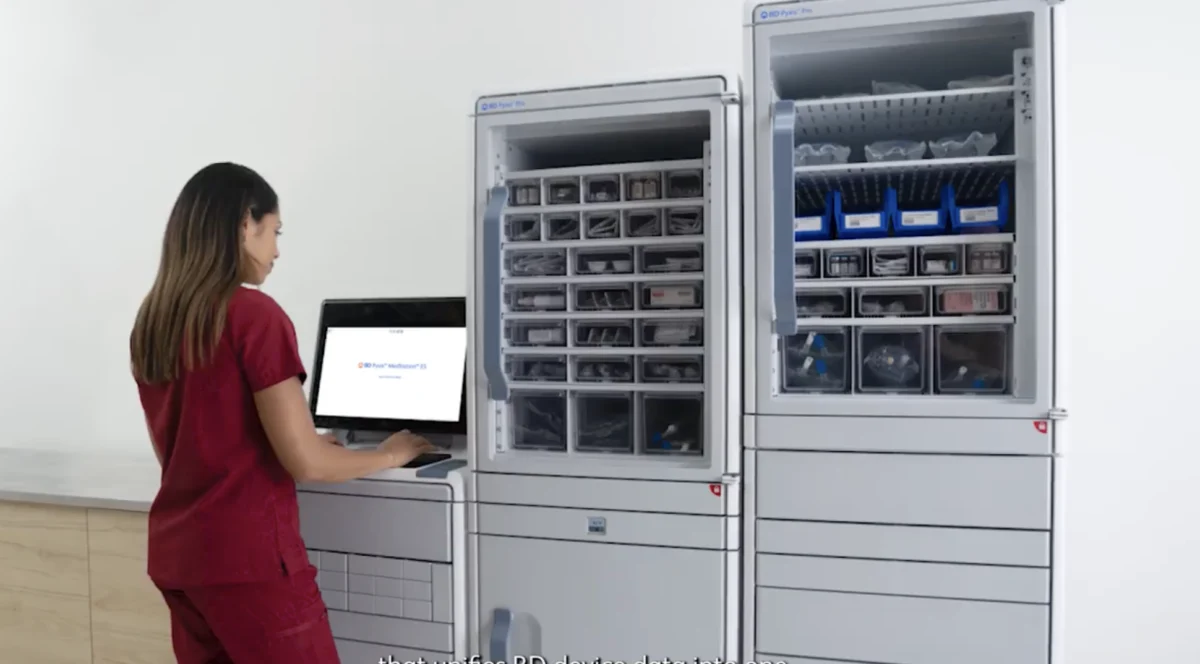
BD, a global leader in medical technology, has announced a landmark partnership with Wellstar Health System, one of Georgia’s largest non-profit healthcare providers, to implement an advanced, AI-enabled medication management platform across Wellstar’s extensive network of hospitals and care facilities. This collaboration marks a significant step forward in integrating artificial intelligence into critical healthcare workflows, aiming to enhance patient safety, operational efficiency, and clinical accuracy from the pharmacy to the patient’s bedside.
The innovative initiative brings together BD’s established medication dispensing and infusion technologies with its cutting-edge AI-powered analytics platform, BD Incada. The integrated system is designed to provide Wellstar with an unprecedented level of real-time visibility into medication availability, optimize inventory management, and streamline the complex processes involved in medication administration. This holistic approach is poised to set new standards for medication safety and efficiency within the healthcare industry.
The Nexus of Technology: Integrating Dispensing, Infusion, and AI
At the heart of this partnership lies the seamless integration of several sophisticated BD technologies. BD’s Pyxis Pro medication dispensing technologies, widely recognized for their role in automated medication management within hospitals, form the initial layer. These systems ensure secure storage and precise dispensing of medications, reducing the risk of manual errors and improving access for clinical staff.
Complementing Pyxis Pro are the BD Alaris Infusion Systems, which are critical for accurate and safe intravenous medication delivery. A key feature of this integration is the Alaris EMR Interoperability, allowing clinicians to utilize barcode scanning to transmit infusion orders directly from the electronic medical record (EMR) to the infusion pump. Crucially, this system also sends real-time infusion status updates back into the EMR, creating a closed-loop communication system that enhances safety and documentation accuracy. This interoperability minimizes transcription errors and provides clinicians with immediate, comprehensive patient information, allowing for more informed decision-making.
The transformative element of this collaboration is the introduction of BD Incada, which injects AI-enabled analytics and natural-language querying capabilities into enterprise medication inventory management. BD Incada is designed to process vast amounts of data, offering Wellstar customizable dashboards and on-demand inventory insights. This means that hospital administrators and pharmacy staff can query the system using natural language, receiving instant, actionable data on medication stock levels, usage patterns, and potential shortages. This intelligent layer moves beyond traditional inventory systems, providing predictive insights and empowering proactive decision-making.
Addressing Critical Challenges in Modern Healthcare
Medication management has historically been one of the most labor-intensive and error-prone areas within healthcare. Hospitals grapple with a myriad of challenges, including high labor costs, the persistent threat of medication errors, and the increasing complexity of managing drug shortages and supply chain disruptions. The partnership between BD and Wellstar directly targets these critical pain points.
The Scourge of Medication Errors
Medication errors represent a significant threat to patient safety worldwide. According to the World Health Organization (WHO), unsafe medication practices and medication errors are a leading cause of injury and avoidable harm in healthcare systems across the globe. Estimates suggest that medication errors contribute to thousands of deaths annually and incur billions of dollars in healthcare costs. Such errors can occur at any stage of the medication process—prescribing, transcribing, dispensing, administering, and monitoring—and can result from a variety of factors, including human fatigue, communication breakdowns, and complex drug regimens.
The integrated BD system aims to significantly mitigate these risks. By automating dispensing, ensuring EMR interoperability for infusion systems, and providing real-time inventory visibility, the potential for manual errors at multiple points in the medication pathway is substantially reduced. Barcode scanning at the point of administration, for instance, serves as a crucial final check, verifying that the right medication, in the right dose, is given to the right patient at the right time. This multi-layered validation process is paramount to improving patient outcomes.
Soaring Labor Costs and Operational Inefficiencies
The financial burden associated with medication management in hospitals has been steadily rising. A recent survey by Vizient, a leading healthcare performance improvement company, revealed a stark increase in hospital labor costs tied to managing drug shortages. Between 2019 and 2024, these costs nearly tripled, escalating from $359 million to an astounding $894 million annually. This exponential rise underscores the immense pressure on hospital budgets and the critical need for more efficient solutions.

Traditional medication management often involves extensive manual processes, from counting inventory and ordering supplies to physically tracking medications within the hospital. These tasks consume valuable time from highly skilled pharmacists, nurses, and other healthcare professionals, diverting them from direct patient care. By automating inventory tracking, providing real-time data, and enabling natural-language queries, BD Incada can drastically reduce the administrative burden. This frees up clinical staff to focus on their primary responsibilities, ultimately enhancing the quality of care and optimizing resource allocation. The ability to quickly ascertain medication availability and predict demand also reduces the need for emergency orders and associated rush fees, further contributing to cost savings.
Navigating Drug Shortages and Supply Chain Volatility
The healthcare industry has faced unprecedented supply chain challenges in recent years, with drug shortages becoming a persistent and critical issue. These shortages can disrupt patient care, force clinicians to use alternative treatments, and create immense stress for healthcare providers. The traditional methods of tracking and managing medication inventory are often reactive, making it difficult for hospitals to anticipate and mitigate the impact of shortages effectively.
BD Incada’s AI-enabled analytics offer a proactive solution to this problem. By analyzing historical data, current usage patterns, and external supply chain information, the system can provide predictive insights into potential shortages. This real-time visibility allows Wellstar to make informed decisions about procurement, allocation, and even potential rationing in extreme circumstances. The ability to monitor metrics related to Incada’s performance and continuously improve medication safety outcomes, as highlighted by Susan Wright, Pharm.D., vice president of pharmacy services at Wellstar Health, is crucial for maintaining resilience in the face of supply chain volatility.
BD Incada: A Differentiated AI Approach
BD Incada’s natural-language interface represents a sophisticated application of AI, but one that is carefully designed for the specific, high-stakes environment of healthcare operations. It works differently from a general-purpose large language model (LLM), which might be prone to "hallucinations" or generating plausible but incorrect information. Instead, Incada is purpose-built to translate user questions into structured queries against a governed dataset of hospital operational and inventory data.
Omar Ahmed, SVP R&D, Connected Care Segment at BD, elaborated on this nuanced approach. "The BD Incada natural language query is a layered system where a large language model translates user questions into structured queries using a governed semantic layer that maps business terms to data," Ahmed explained. This semantic layer ensures that the AI understands healthcare-specific terminology accurately.
Crucially, the system incorporates multiple validation layers between the user’s question and the returned answer. These layers include schema checks, access controls, and rule-based or statistical guardrails, all designed to ensure the accuracy and reliability of the information. Ahmed emphasized that BD employs "further training and safety guardrails to ensure that the plain-language answers delivered to users are precise and reliable." This rigorous validation architecture is essential in a field where precision can directly impact patient safety and operational integrity.
Strategic Positioning: Operational Insights vs. Clinical Decision Support
A critical aspect of BD Incada’s design and deployment strategy is its deliberate focus on operational data, inventory, and workflow optimization, rather than direct patient-specific recommendations. This strategic positioning reflects a careful navigation of the complex regulatory landscape surrounding AI in healthcare.
Ahmed clarified that BD is focusing first on areas where insights are descriptive and general, rather than prescriptive for individual patients. "BD will draw a clear boundary by avoiding patient-level recommendations, requiring human oversight, and limiting early use cases to informational insights rather than prescriptive clinical guidance," he stated. This approach is vital because software functions that directly influence patient care decisions can fall under the purview of FDA medical-device oversight, which involves a significantly more stringent regulatory pathway.
By initially concentrating on administrative and logistical optimizations, BD can deploy Incada more rapidly, demonstrate its value in improving efficiency and safety, and build trust within the healthcare community. This measured approach allows for continuous refinement and validation of the technology in a lower-risk context, while still delivering substantial benefits to hospital operations. The company’s transparency about these boundaries is crucial for fostering confidence among users and regulators alike.
Wellstar Health System’s Commitment to Innovation
Wellstar Health System’s decision to partner with BD underscores its deep commitment to leveraging advanced technologies to enhance patient care. As a leading non-profit healthcare provider in Georgia, Wellstar operates a vast network that includes hospitals, health parks, medical centers, and various other care facilities. Their mission to deliver world-class healthcare is intrinsically linked to adopting innovative solutions that empower their clinical teams and improve patient outcomes.
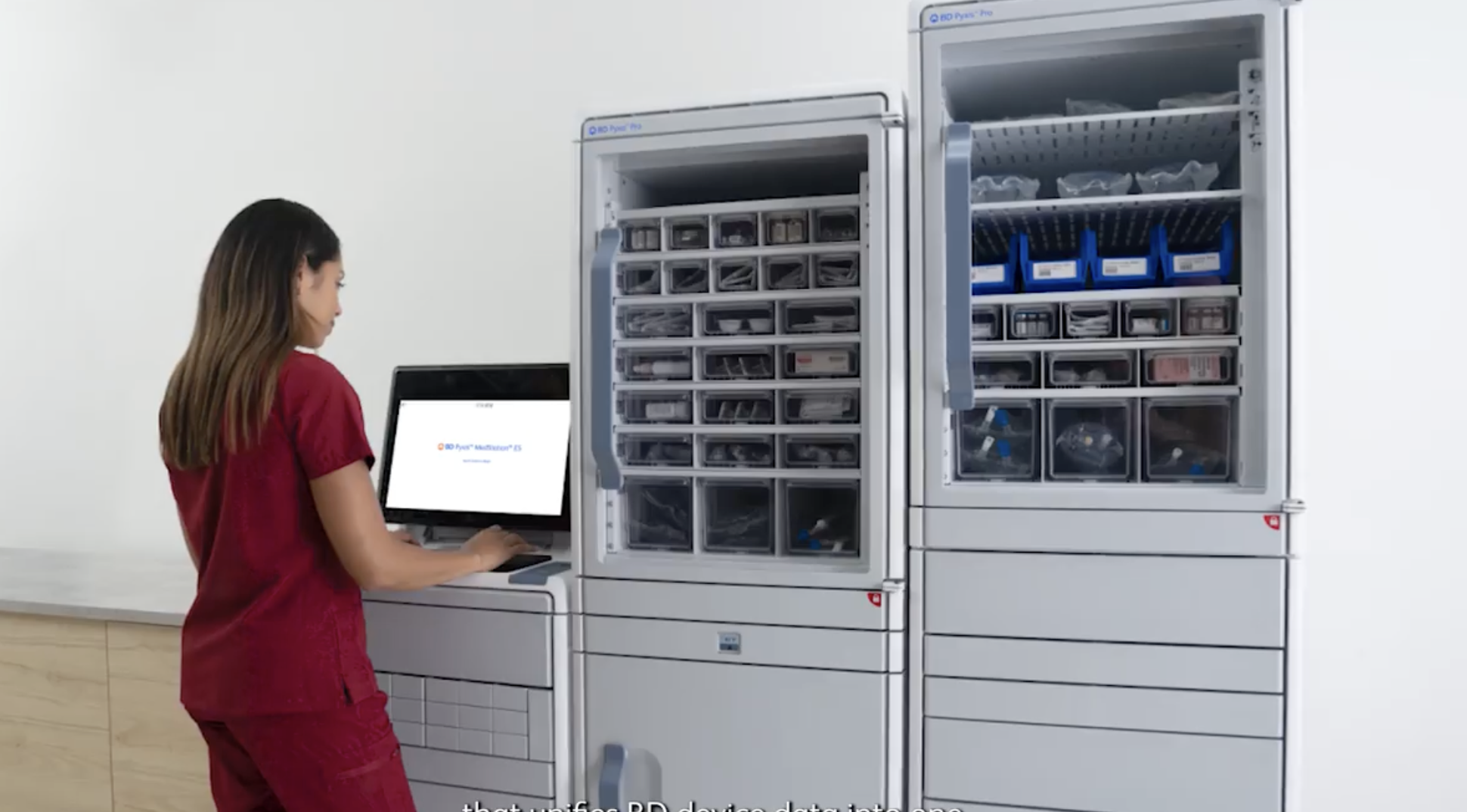
Susan Wright’s statement, "Wellstar uses advanced technologies, including the AI-powered tools by BD, to supercharge our team members’ ability to deliver the highest levels of clinical care, safety, quality and patient experience," highlights the system’s proactive stance. Wellstar recognizes that technology, particularly AI, can augment human capabilities, allowing healthcare professionals to perform their duties with greater accuracy and efficiency. The emphasis on accuracy, critical thinking, local oversight, and decision-making, supported by validation layers like barcode scanning and EMR cross-checks, demonstrates a comprehensive strategy where technology serves as an enabler, not a replacement, for human expertise.
Furthermore, Wellstar actively contributes to the Strategic Development Council for BD’s Medication Management Solutions business. This involvement signifies a collaborative relationship where Wellstar executives share their invaluable expertise across various domains, including enterprise pharmacy operations, medication safety, nursing, and informatics. This level of engagement ensures that BD’s solutions are developed with direct input from frontline healthcare providers, making them more practical, effective, and tailored to real-world hospital environments.
Broader Impact and the Future of Healthcare Technology
The partnership between BD and Wellstar is more than just an agreement between two entities; it represents a significant milestone in the broader evolution of healthcare technology. Its implications extend across several critical dimensions:
Enhanced Patient Safety and Outcomes
The most profound impact of this integrated AI-powered system will be on patient safety. By minimizing medication errors through automation, interoperability, and intelligent validation, hospitals can reduce adverse drug events, improve treatment efficacy, and ultimately lead to better patient outcomes. A safer medication environment fosters greater trust between patients and providers and reduces the emotional and financial toll of preventable errors.
Operational Streamlining and Cost Efficiency
The ability to optimize medication inventory, predict shortages, and automate numerous manual tasks translates directly into substantial operational efficiencies and cost savings. Reduced labor costs, minimized waste dueenergetic, improved resource allocation, and a more resilient supply chain all contribute to a healthier financial outlook for healthcare systems. This allows hospitals to reinvest savings into other critical areas of patient care and facility improvements.
Empowering the Healthcare Workforce
By automating routine and time-consuming tasks, the BD-Wellstar initiative empowers pharmacists, nurses, and other clinicians to dedicate more time to direct patient care, complex clinical decision-making, and professional development. This not only improves job satisfaction but also leverages the specialized skills of healthcare professionals more effectively, leading to higher quality care delivery.
Accelerating Data-Driven Healthcare
The deployment of BD Incada represents a significant step towards truly data-driven healthcare operations. The ability to query vast datasets using natural language makes complex data accessible and actionable for a wider range of stakeholders. This fosters a culture of continuous improvement, where insights derived from real-time data inform strategic decisions, optimize workflows, and enhance overall organizational performance.
The AI Revolution in Medicine
This partnership underscores the accelerating trend of AI integration across all facets of medicine. While clinical AI for diagnostics and treatment is still evolving, operational AI, as demonstrated here, is proving its immediate value in improving the foundational processes of healthcare. This initiative could serve as a blueprint for other healthcare systems looking to harness AI to solve persistent operational challenges, paving the way for wider adoption of intelligent systems in hospital management.
Looking ahead, the success of this collaboration at Wellstar could inspire similar implementations across the country and globally. As healthcare systems seek innovative ways to improve efficiency, enhance safety, and manage costs in an increasingly complex environment, AI-powered medication management solutions like BD Incada are poised to become indispensable tools. The BD-Wellstar partnership is not just about technology; it’s about pioneering a future where intelligent systems work seamlessly with human expertise to deliver safer, more efficient, and higher-quality patient care.
















Leave a Reply