

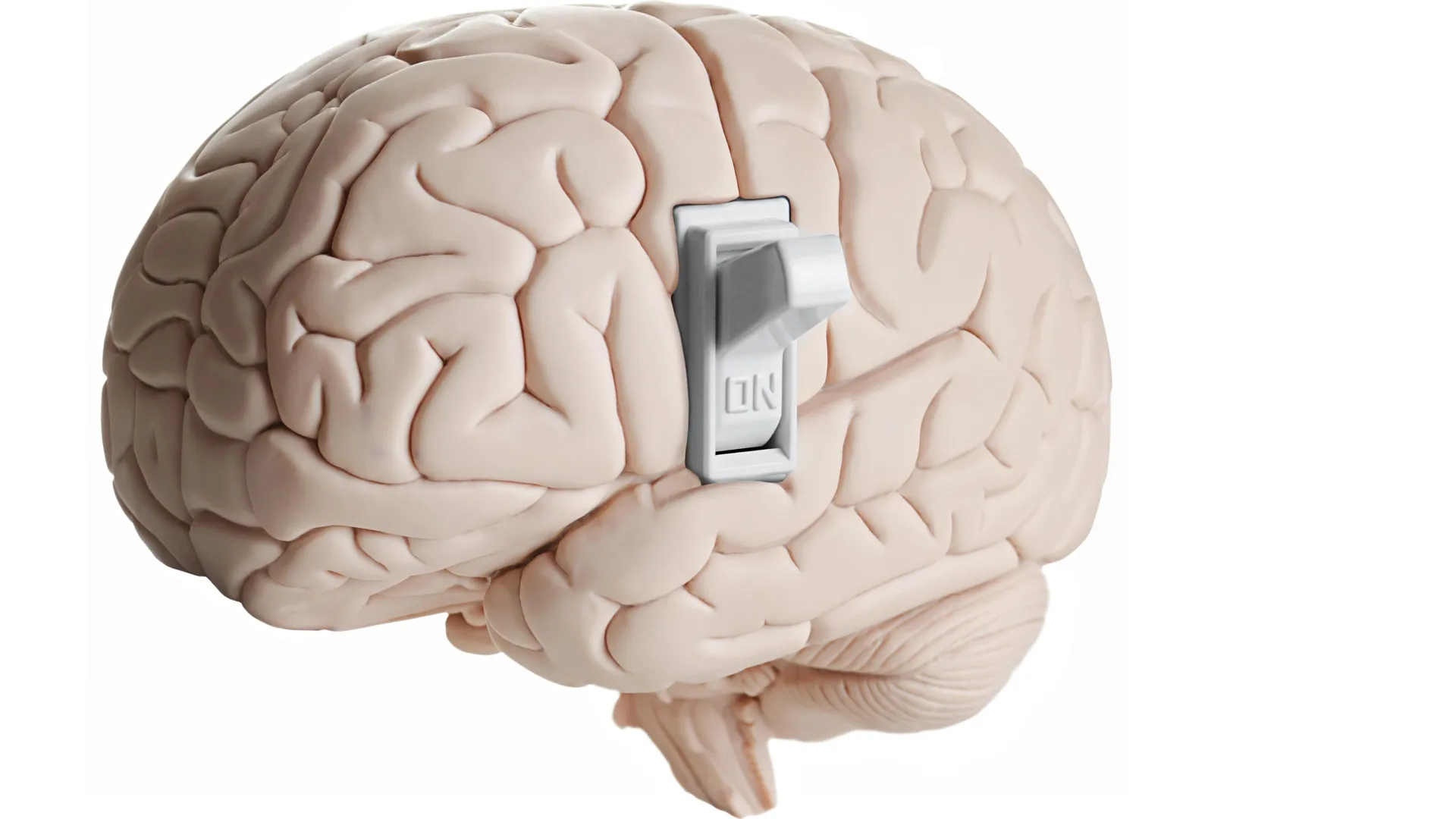
The scientific understanding of how the human brain regulates hunger and satiety has undergone a fundamental shift following the publication of a landmark study in the Proceedings of the National Academy of Sciences on April 6, 2026. For decades, the prevailing neurological consensus held that neurons, the primary signaling cells of the nervous system, were almost exclusively responsible for monitoring nutrient levels and triggering the urge to eat or the sensation of fullness. However, new evidence suggests that astrocytes—star-shaped cells long dismissed as mere "support staff" for neurons—play a central and active role in the complex communication circuits that govern appetite.
The research, led by a collaborative team from the University of Concepción in Chile and the University of Maryland (UMD), has identified a previously unknown signaling pathway within the hypothalamus. This region of the brain serves as the central command center for homeostasis, regulating everything from body temperature to metabolic rate. The discovery that astrocytes act as essential intermediaries in glucose sensing could pave the way for a new generation of treatments for obesity, type 2 diabetes, and various eating disorders.
A Shift in the Neuroscientific Paradigm
The study challenges the traditional "neuron-centric" view of brain function. While neurons are responsible for the rapid-fire electrical impulses that allow for thought and movement, they do not operate in a vacuum. Glial cells, which include astrocytes, make up approximately half of the mass of the human brain. Historically, these cells were thought to provide only structural support, metabolic fuel, and waste removal for neurons.
"People tend to immediately think of neurons when they think about how the brain works," said Ricardo Araneda, a professor in the Department of Biology at the University of Maryland and one of the study’s corresponding authors. "But we’re finding that astrocytes, what we used to think of as just secondary support cells, are also participating in how our brains regulate how much we eat. This research changes how we think about these communication circuits."
By identifying the astrocyte as a "middleman" in the appetite-regulation process, the research team has added a new layer of complexity to the hypothalamic circuit. This discovery suggests that metabolic disorders may not only be the result of neuronal dysfunction but could also stem from "miscommunications" within the glial network.
Decoding the Tanycyte-Astrocyte Pathway
The biological process of sensing "fullness" begins with specialized cells called tanycytes. These cells are located along the walls of the third ventricle, a fluid-filled cavity deep within the brain. Tanycytes are uniquely positioned to monitor the chemical composition of the cerebrospinal fluid, specifically looking for glucose—the primary sugar used by the body for energy.
When an individual consumes a meal, blood glucose levels rise, which is subsequently reflected in the cerebrospinal fluid. The research team observed that tanycytes detect this increase and begin processing the glucose, converting it into lactate. This lactate is then released into the surrounding brain tissue.
Previously, scientists hypothesized that this lactate traveled directly to the neurons responsible for suppressing appetite. However, the 2026 study reveals a more intricate chain reaction. The lactate released by tanycytes is first detected by neighboring astrocytes via a specific receptor known as HCAR1 (Hydroxycarboxylic Acid Receptor 1).
Once the lactate binds to the HCAR1 receptor, the astrocyte becomes "activated." In response, the astrocyte releases glutamate, a major excitatory neurotransmitter. It is this glutamate signal that finally reaches the Pro-opiomelanocortin (POMC) neurons—the specific cells in the hypothalamus that signal the body to stop eating.
"What surprised us was the complexity of it," Araneda noted. "To put it simply, we found that tanycytes ‘talk’ to astrocytes, and then astrocytes ‘talk’ to neurons."
The Dual Mechanism: Balancing Hunger and Satiety
The study further explored how this pathway influences the delicate balance between hunger-promoting and hunger-suppressing signals. The hypothalamus contains two primary, opposing populations of neurons: the POMC neurons, which signal satiety (fullness), and the AgRP (Agouti-related protein) neurons, which stimulate hunger.
During their experiments, the researchers introduced glucose into a single tanycyte and used advanced imaging to monitor the response of the surrounding network. They observed that even a localized change in one tanycyte triggered a widespread wave of activity across multiple neighboring astrocytes. This suggests that the brain has a built-in amplification system to ensure that the "fullness" signal is robust and clear.
Furthermore, the data suggests a potential "dual effect" of lactate. While lactate uses astrocytes to activate the POMC "fullness" neurons, it may simultaneously act through a more direct route to inhibit the AgRP "hunger" neurons. This two-pronged approach—simultaneously hitting the "brakes" on hunger and the "gas" on satiety—highlights the efficiency of the brain’s metabolic regulation.
A Decade of International Cooperation
The findings published in PNAS are the culmination of nearly ten years of rigorous scientific inquiry. The project was a high-level collaboration between Professor Araneda’s laboratory at the University of Maryland and the laboratory of María de los Ángeles García-Robles at the University of Concepción, who served as the project’s principal investigator.
The bridge between these two institutions was facilitated by Sergio López, the study’s lead author and a doctoral student co-mentored by both Araneda and García-Robles. López conducted critical experiments during an intensive eight-month research residency at the Maryland campus, utilizing specialized equipment to map the interactions between different cell types in real-time.
The research was supported by a diverse array of international funding bodies, including Chile’s National Fund for Scientific and Technological Development (FONDECYT), the Millennium Institute of Neuroscience in Valparaíso, and the U.S. National Institutes of Health (NIH). This level of cross-border cooperation underscores the global importance of finding new solutions to metabolic health crises.
Implications for the Global Obesity Crisis
The discovery of the HCAR1 signaling pathway in astrocytes comes at a critical time for global public health. According to data from the World Health Organization (WHO), more than 1 billion people worldwide are living with obesity, a condition that significantly increases the risk of cardiovascular disease, diabetes, and certain cancers.
While current blockbuster medications like semaglutide (Ozempic, Wegovy) and tirzepatide (Mounjaro) have revolutionized weight management, they primarily work by mimicking GLP-1 hormones produced in the gut to slow digestion and signal the brainstem. The discovery of the astrocyte-mediated HCAR1 pathway offers a different, more central target within the brain’s hypothalamus.
"We now have a different mechanism where we might be able to target astrocytes or specifically this HCAR1 receptor," Araneda explained. "It would be a novel target that may complement existing therapies… and improve the lives of many who suffer from obesity and other appetite-related conditions."
Medical analysts suggest that a drug targeting the HCAR1 receptor could potentially be used in combination with GLP-1 agonists to provide a more comprehensive treatment for patients who are resistant to current therapies. By addressing the "central" sensing mechanism in the brain alongside the "peripheral" signals from the gut, clinicians may be able to achieve better long-term outcomes for weight maintenance.
Future Research and Clinical Development
While the study’s results are groundbreaking, the researchers emphasize that the work was conducted using animal models. However, because the fundamental architecture of the hypothalamus, tanycytes, and astrocytes is conserved across all mammals, there is a high degree of confidence that the same mechanism exists in humans.
The next phase of the research will involve testing whether pharmacological manipulation of the HCAR1 receptor can directly change eating behavior and body weight in vivo. Scientists will also investigate whether this pathway becomes impaired in individuals with chronic obesity, potentially explaining why the "fullness" signal often fails in those with metabolic dysfunction.
If future trials are successful, the development of HCAR1-targeted medications could begin within the next several years. Such drugs would represent the first class of metabolic treatments specifically designed to modulate glial cell activity rather than just neuronal or hormonal pathways.
The study, titled "Tanycyte-derived lactate activates astrocytic HCAR1 to modulate glutamatergic signaling and POMC neuron excitability," stands as a testament to the evolving nature of neuroscience. By looking beyond the neuron, researchers have uncovered a hidden conversation within the brain that dictates one of the most fundamental aspects of human survival: the decision of when, and how much, to eat.















Leave a Reply