

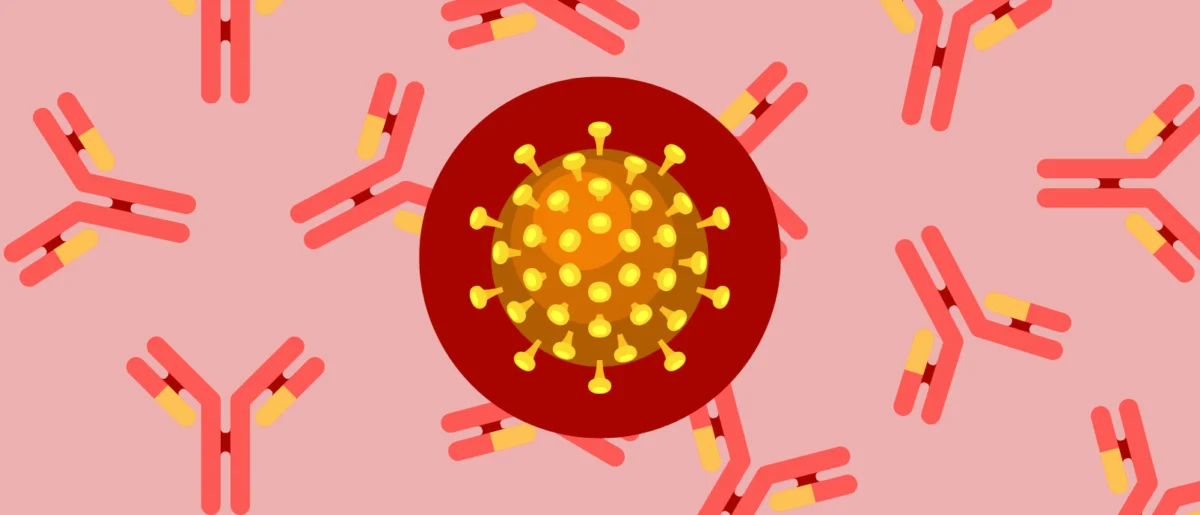
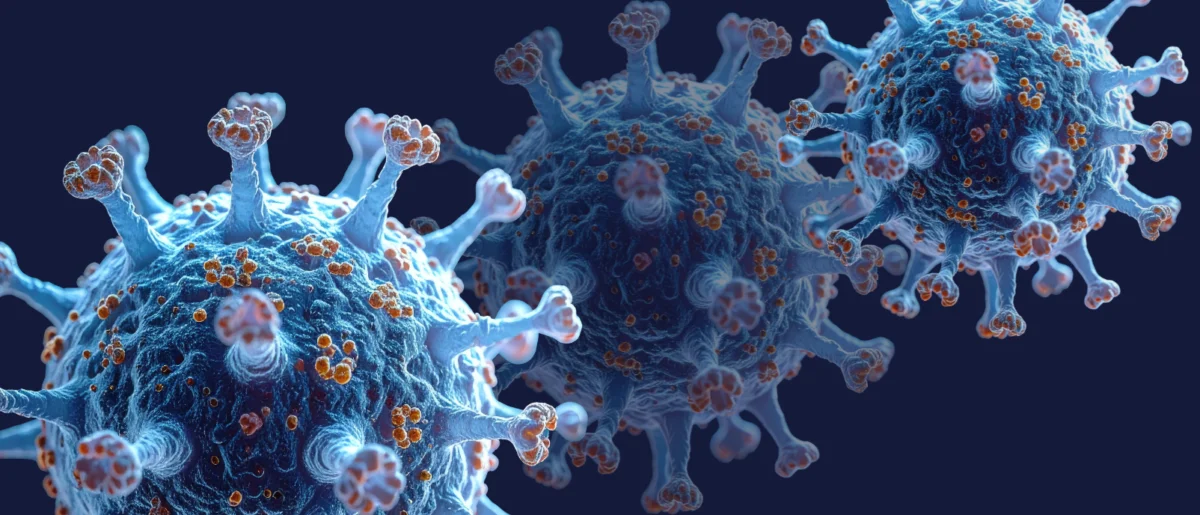
In a groundbreaking development that promises to reshape the global fight against measles, scientists at the La Jolla Institute for Immunology (LJI) in California, USA, have successfully discovered and characterized human antibodies with the remarkable potential to both prevent and treat measles virus infection. This pioneering research marks the first time human antibodies capable of neutralizing the highly contagious measles virus have been fully detailed, offering a beacon of hope for vulnerable populations worldwide. The newly identified antibodies target and bind to key sites on the measles virus, effectively blocking its entry into host cells and halting the infection process.
The significance of this discovery cannot be overstated, particularly as global vaccination rates have faltered in recent years, leading to a resurgence of measles outbreaks across continents. For millions of individuals unable to receive the standard measles vaccine, this new panel of human antibodies could form the basis for desperately needed medical therapies. Early preclinical studies, conducted in a rodent model of measles infection, demonstrated extraordinary efficacy: an infusion of these antibodies resulted in a staggering 500-fold reduction in viral load.
"These antibodies work as prophylaxis – to protect from initial infection – and they work after viral exposure as a treatment to fight measles infection," explained Dr. Erica Ollmann Saphire, who spearheaded the transformative study at LJI. Dr. Saphire, a renowned expert in structural immunology, articulated the profound potential, stating, "It may be possible to give someone an infusion of these antibodies and deliver the immune response they wish they had." This concept of passive immunity provides a critical shield, especially for those at highest risk.
The Urgent and Growing Need for Measles Therapies
Measles, caused by the measles virus (MeV), a member of the Paramyxoviridae family, remains one of the most contagious infectious diseases known to humankind. Before the advent of the measles vaccine in the 1960s, measles was a ubiquitous childhood illness, responsible for millions of deaths annually worldwide. The introduction of the highly effective and safe measles-mumps-rubella (MMR) vaccine dramatically reduced its incidence, leading to ambitious goals of global eradication. However, the last decade has witnessed a concerning erosion of these gains.
Globally, the World Health Organization (WHO) and the U.S. Centers for Disease Control and Prevention (CDC) have reported alarming increases in measles cases. For instance, in 2019, the world experienced the highest number of reported measles cases in over two decades, with major outbreaks spanning Europe, Africa, and parts of the Americas. While there was a temporary dip during the initial COVID-19 pandemic due to lockdowns, cases have again surged as routine immunisation programs faced disruptions and vaccine hesitancy gained traction. The WHO estimated that measles vaccination averted over 23 million deaths between 2000 and 2018, underscoring the vaccine’s critical role. The recent decline in vaccination coverage, however, has pushed many regions below the critical 95% threshold required for robust "herd immunity," a phenomenon where a sufficient proportion of the population is immune, thereby protecting those who cannot be vaccinated.
This sharp rise in measles cases creates an especially perilous environment for millions who cannot receive the live, weakened virus contained in the standard measles vaccine. Such vulnerable groups include:
- Immunocompromised individuals: Patients undergoing chemotherapy, organ transplant recipients on immunosuppressants, individuals with HIV/AIDS, or those with primary immunodeficiencies. For these patients, a live-attenuated vaccine poses a significant health risk.
- Pregnant women: Measles infection during pregnancy can lead to severe complications for both mother and fetus, including miscarriage, premature birth, and low birth weight. The vaccine is contraindicated during pregnancy.
- Very young infants: Infants must typically wait until they are 12 months old to receive their first dose of the MMR vaccine, and often are not fully vaccinated until age six. Their immature immune systems make them highly susceptible to severe measles complications.
As Dr. Saphire highlighted, "The very same people who can’t be vaccinated or can’t be vaccinated yet, are the same people for whom a measles virus infection would be the most severe – or be lethal." Until recently, these groups were largely protected by the widespread community immunity provided by high vaccination rates. However, with the weakening of herd immunity, the risk of exposure for unvaccinated individuals has substantially increased, leading to severe illness, hospitalization, and even death. Complications of measles can be devastating, ranging from pneumonia and ear infections to potentially fatal encephalitis and subacute sclerosing panencephalitis (SSPE), a rare but progressive neurodegenerative disorder that develops years after initial infection.
Currently, there are no specific antiviral treatments for measles. Medical care for infected patients is largely supportive, focusing on managing symptoms and preventing secondary bacterial infections. The absence of a targeted therapy has made the LJI team’s discovery of monoclonal antibody therapies a potential game-changer in managing and mitigating the impact of this resurgent disease.
Unraveling Measles’ Vulnerabilities: A Scientific Quest
The journey to develop a measles-specific therapy required a deep understanding of how human antibodies interact with the virus. The LJI researchers, under Dr. Saphire’s leadership, embarked on this quest using advanced imaging techniques. Their methodical approach began with a focus on structural biology, aiming to visualize the precise points where antibodies could neutralize the virus.
A crucial tool in their arsenal was cryo-electron microscopy (cryo-EM), a revolutionary imaging technique that allows scientists to visualize biological molecules, such as viruses and antibodies, at near-atomic resolution. This method involves rapidly freezing samples to preserve their natural state, then imaging them with an electron microscope. The resulting 2D images are then computationally combined to reconstruct highly detailed 3D structures. Cryo-EM has transformed structural biology, enabling unprecedented insights into viral mechanisms and antibody interactions.
The LJI team first applied cryo-EM to study mouse antibodies that target the measles virus. Their initial findings, published in Nature Communications, provided the world’s first detailed glimpses of how antibodies bind to the measles virus. This seminal work revealed, in exquisite detail, the specific vulnerabilities of the virus. The mouse antibodies were observed to latch onto a critical component of the measles virus called the fusion (F) protein. This protein plays a pivotal role in the viral life cycle by mediating the fusion of the viral envelope with the host cell membrane, a necessary step for the virus to enter and infect a cell. By targeting the F protein, these antibodies effectively blocked the virus from initiating infection.
The critical question then became: could human antibodies achieve the same, or even greater, neutralizing effect? To answer this, the researchers turned their attention to human samples. They analyzed blood from a clinical research volunteer who had been vaccinated against measles many years prior, and whose immune system had, therefore, generated a robust antibody response. From this single blood sample, the scientists meticulously isolated a panel of human antibodies. Some of these antibodies were found to bind to the F protein, mirroring the mouse antibodies, while others targeted a second key viral component: the attachment protein, known as the Hemagglutinin (H) protein. The H protein is responsible for the initial attachment of the virus to receptors on the surface of host cells.

Following isolation, the team again utilized cryo-EM to capture stunning 3D images of these human antibodies bound in complex with the measles virus. The structural analysis not only confirmed the binding sites but also elucidated the exceptional potency of these human antibodies. Dawid Zyla, a study co-first author, remarked on their power, sharing that "We found that these antibodies are exceptionally potent. Two orders of magnitude better than comparable molecules reported at conferences." This high potency is a critical factor for developing effective therapeutic agents.
Further investigation into the mechanism of action revealed a sophisticated strategy employed by these antibodies. The measles virus is known for its ability to undergo significant conformational changes – essentially, it’s a shape-shifter. When the virus encounters a human cell, its viral machinery unfolds and rearranges to facilitate fusion with the host cell membrane. The LJI study demonstrated that the antibodies targeting the F protein work by "locking" this protein in a specific conformation, preventing it from undergoing the necessary shape-shifting. With its fusion protein immobilized, the virus is rendered unable to fuse with and infect host cells, effectively disarming it.
Preclinical Validation and the Path Forward
With the powerful human antibodies identified and their mechanisms understood, the next crucial step was to test their efficacy in a living system. This preclinical research was carried out in collaboration with scientists at The Ohio State University (OH, USA), who utilized cotton rats as an animal model for measles infection. Cotton rats are a well-established and relevant model for studying human respiratory viruses, including measles, due to their susceptibility to infection and their ability to mimic aspects of human disease progression.
The experiments were designed to evaluate the antibodies’ potential both as a prophylactic measure (given before exposure) and as a treatment (given after infection). The results were highly encouraging: all four lead antibodies tested significantly reduced the viral load when administered either prior to measles exposure or within 24 to 48 hours post-infection. One antibody, designated 3A12, which specifically binds to a site on the F protein, proved particularly effective, rendering the circulating virus actually undetectable in the cotton rat model. This finding suggests a robust capacity for clearance of the virus from the system.
While further work, including extensive clinical trials in humans, is still required, these preclinical results provide compelling evidence that these antibodies are promising tools in the global effort to combat measles. The detailed structural images of the antibody-virus complexes provide the foundational blueprints needed for the rational design and development of the world’s first before- or after-exposure treatment for measles virus. Dr. Saphire’s concluding sentiment encapsulates the team’s optimism: "Now we know what we’re aiming for, and we have the antibodies we need."
Monoclonal Antibodies: A New Paradigm for Measles Defense
The development of monoclonal antibody (mAb) therapies represents a significant advancement in modern medicine, offering targeted and potent interventions for a range of diseases, including infectious diseases, cancer, and autoimmune disorders. Unlike vaccines, which stimulate the body’s immune system to produce its own antibodies (active immunity), mAb therapies provide "passive immunity" by directly administering pre-formed antibodies. This offers immediate, though temporary, protection or therapeutic effect.
Monoclonal antibodies are already widely used in clinical practice. For instance, infants at high risk for severe respiratory syncytial virus (RSV) infection routinely receive palivizumab, an RSV-specific mAb, to prevent severe disease. More recently, mAbs played a vital role in early treatments for COVID-19 and have been developed for diseases like Ebola. The advantages of mAb therapy for measles are clear:
- Immediate Protection: Unlike vaccines, which require time for the immune system to mount a response, mAbs offer immediate protection, making them ideal for post-exposure prophylaxis or for individuals needing urgent defense.
- Safety for Vulnerable Groups: As mAbs do not contain live virus, they are safe for immunocompromised individuals, pregnant women, and very young infants who cannot receive the live-attenuated vaccine. This addresses a critical unmet medical need.
- Targeted Action: These antibodies are highly specific, designed to bind only to the measles virus, minimizing off-target effects.
It is crucial to emphasize that while this monoclonal antibody therapy represents a monumental step forward, it is intended to complement, not replace, existing vaccination strategies. Vaccination remains the cornerstone of measles prevention, providing long-lasting, active immunity to the vast majority of the population. However, for those instances where vaccination is not possible or effective, or for emergency situations, a mAb therapy could serve as a vital lifeline.
Broader Implications and The Road Ahead
The implications of LJI’s discovery extend far beyond the laboratory. If successfully translated into a clinically approved therapy, these human antibodies could have a profound impact on global public health.
- Saving Lives and Preventing Morbidity: The therapy could significantly reduce measles-related mortality and severe complications, especially in low-income countries where access to vaccines may be challenging and outbreaks are frequent and devastating.
- Bridging Protection Gaps: It would offer a crucial safety net for the most vulnerable segments of the population who are currently unprotected, effectively closing a significant gap in global health security.
- Emergency Response: In the event of an outbreak, a mAb therapy could be rapidly deployed for post-exposure prophylaxis, helping to contain spread and protect exposed individuals before they develop symptoms.
- Impact on Healthcare Systems: By reducing the incidence of severe measles cases, the therapy could alleviate the burden on healthcare systems, particularly during large outbreaks that strain hospital resources.
The path from preclinical success to widespread clinical availability is rigorous and lengthy. The next steps will involve extensive preclinical development, followed by a series of human clinical trials (Phase 1, 2, and 3) to assess safety, dosage, and efficacy in diverse populations. Regulatory approval from agencies like the U.S. Food and Drug Administration (FDA) and the European Medicines Agency (EMA) will be required. Furthermore, challenges related to manufacturing scalability, cost-effectiveness, and equitable global distribution will need to be addressed to ensure that this life-saving therapy reaches those who need it most, regardless of their geographic or socioeconomic status.
In conclusion, the pioneering work by scientists at the La Jolla Institute for Immunology marks a pivotal moment in the ongoing battle against measles. By discovering and characterizing highly potent human antibodies capable of neutralizing the measles virus, they have laid the groundwork for the world’s first specific prophylactic and therapeutic treatment for this ancient and resurgent disease. This breakthrough offers immense hope for protecting the most vulnerable populations, reinforcing public health defenses, and ultimately moving closer to a world where the devastating impact of measles is a relic of the past, rather than a present threat.












Leave a Reply