

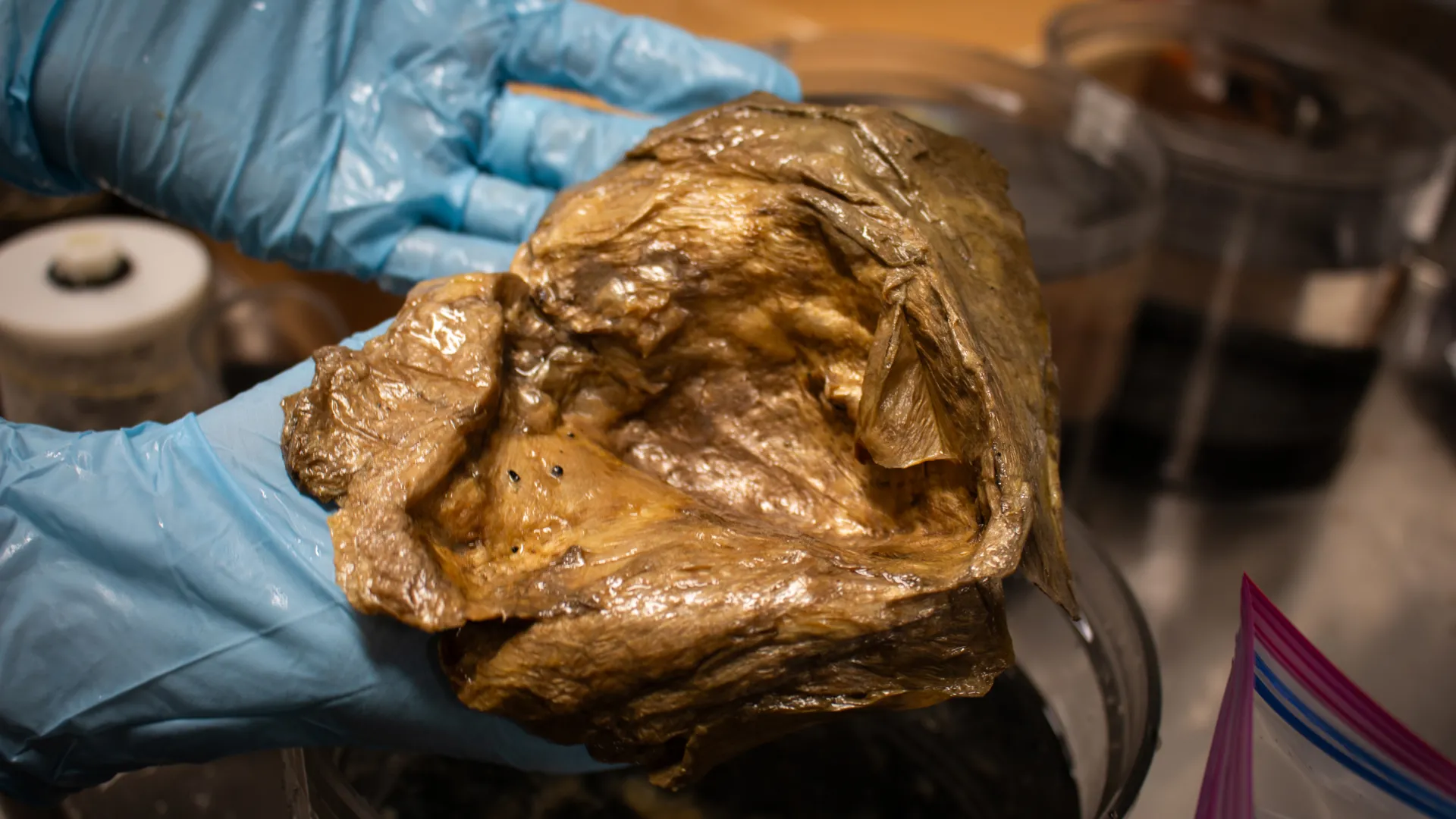
A perplexing golden object, dubbed the "golden orb," that captivated the scientific community and the public following its collection during a 2023 National Oceanic and Atmospheric Administration (NOAA) expedition has finally been identified. More than two years after its discovery, researchers have definitively determined that the enigmatic specimen is the calcified base of a giant deep-sea anemone, Relicanthus daphneae. This revelation concludes a significant scientific investigation that highlights the persistent mysteries of the deep ocean and the evolving capabilities of marine biology research.
A Deep-Sea Enigma Emerges from the Abyss
The initial encounter with the "golden orb" occurred on June 10, 2023, during a NOAA Ocean Exploration mission aboard the NOAA Ship Okeanos Explorer. The remotely operated vehicle (ROV) Deep Discoverer was meticulously surveying the seafloor at a staggering depth of 3,250 meters (approximately 10,660 feet, or over two miles) in the Gulf of Alaska. Amidst the rocky terrain, the ROV’s high-definition cameras captured an unusual sight: a rounded, golden-hued object resting on a rock, distinguished by a small, prominent opening. Its appearance was unlike any known marine organism or geological formation encountered by the experienced expedition team, immediately sparking a cascade of questions and intense curiosity.
Initial hypotheses ranged from an unusual egg case to a rare type of sponge, or even an entirely undocumented species. The presence of the opening further fueled speculation, with some scientists wondering if it indicated an organism that had recently exited or entered the structure. The object’s unique morphology and striking color set it apart from the myriad of discoveries typically made during deep-sea explorations, a field where encountering novel life forms is common, but rarely are they so visually distinct and immediately unclassifiable.
To facilitate in-depth analysis, the research team carefully collected the "golden orb" using the ROV’s suction sampler. The precious specimen was then meticulously preserved and transported to the Smithsonian National Museum of Natural History (NMNH) in Washington, D.C., a world-renowned institution for natural history research and specimen preservation. There, it entered the hands of leading zoologists and geneticists, marking the beginning of a prolonged and intricate scientific endeavor.
The Two-Year Journey of Scientific Sleuthing
The process of unraveling the "golden orb’s" identity proved to be far more complex than initially anticipated. Unlike many marine specimens that can be identified through established taxonomic keys or comparison with existing databases, this particular object presented a unique challenge. Dr. Allen Collins, a zoologist and director of NOAA Fisheries’ National Systematics Laboratory, located within the Smithsonian NMNH, described the situation as a "special case."
"We work on hundreds of different samples, and I suspected that our routine processes would clarify the mystery," Dr. Collins stated in a retrospective commentary. "But this turned into a special case that required focused efforts and expertise of several different individuals. This was a complex mystery that required morphological, genetic, deep-sea, and bioinformatics expertise to solve."
The investigation adopted an integrative taxonomic approach, a multidisciplinary methodology that combines detailed physical examination with advanced genetic analysis. Early microscopic scrutiny revealed that the object lacked typical features of many animal groups. Instead, its structure was characterized by fibrous layers that were densely packed with cnidocytes – specialized stinging cells characteristic of cnidarians, the phylum that encompasses jellyfish, corals, and anemones. This initial finding narrowed the possibilities but still left the specific identity ambiguous.
Further detailed analysis by Abigail Reft, a scientist at the National Systematics Lab, focused on identifying the precise type of stinging cells. Her research pinpointed the presence of spirocysts, a type of cnidocyte that is unique to the Hexacorallia subgroup of cnidarians. This subgroup includes stony corals and sea anemones. Crucially, this finding prompted researchers to investigate similarities with other deep-sea specimens.
The team’s diligence led them to examine a similar, albeit less visually striking, object that had been collected in 2021 during an expedition aboard the Schmidt Ocean Institute’s Research Vessel Falkor. This earlier discovery, also from deep waters, exhibited matching cellular structures, suggesting a potential connection and reinforcing the cnidarian hypothesis. This cross-referencing of specimens across different expeditions proved to be a pivotal step in the investigation.
Unlocking the Genetic Code: Whole-Genome Sequencing Provides the Breakthrough
Despite the promising morphological clues, initial attempts at DNA barcoding, a common method for species identification using short genetic markers, proved inconclusive. Researchers hypothesized that the sample might have been contaminated with genetic material from various microscopic organisms inhabiting the deep-sea environment, obscuring the true source of the DNA. This challenge necessitated a more robust and comprehensive genetic analysis.
The scientific team then opted for whole-genome sequencing, a technique that maps the entire genetic makeup of an organism. This advanced approach provided a far more detailed and definitive genetic profile. The whole-genome sequencing confirmed the presence of animal DNA and, more importantly, revealed a strong genetic match to a known species: the giant deep-sea anemone, Relicanthus daphneae.
To further solidify these findings, the researchers sequenced the mitochondrial genomes from both the 2023 "golden orb" specimen and the 2021 comparative sample. The results showed that their mitochondrial DNA was nearly identical to a pre-existing reference genome for Relicanthus daphneae. This overwhelming genetic evidence provided the conclusive answer that morphological analysis alone could not deliver.
The Identity Revealed: Not an Orb, But an Anemone’s Foundation
With the combined evidence from morphology and genetics, the scientific consensus was clear: the "golden orb" was not an egg, a sponge, or a novel creature. It was, in fact, a remnant structure from a giant deep-sea anemone. Specifically, it was identified as the calcified base of the anemone, the robust anchor that would have firmly attached the organism to rocky substrates on the seafloor.
The golden hue is likely a result of mineral deposition and the unique chemical environment of the deep ocean, coupled with the natural composition of the anemone’s tissue and its calcified matrix. The small opening observed was probably a natural feature of the base’s structure or possibly a point of detachment from the anemone’s main body.
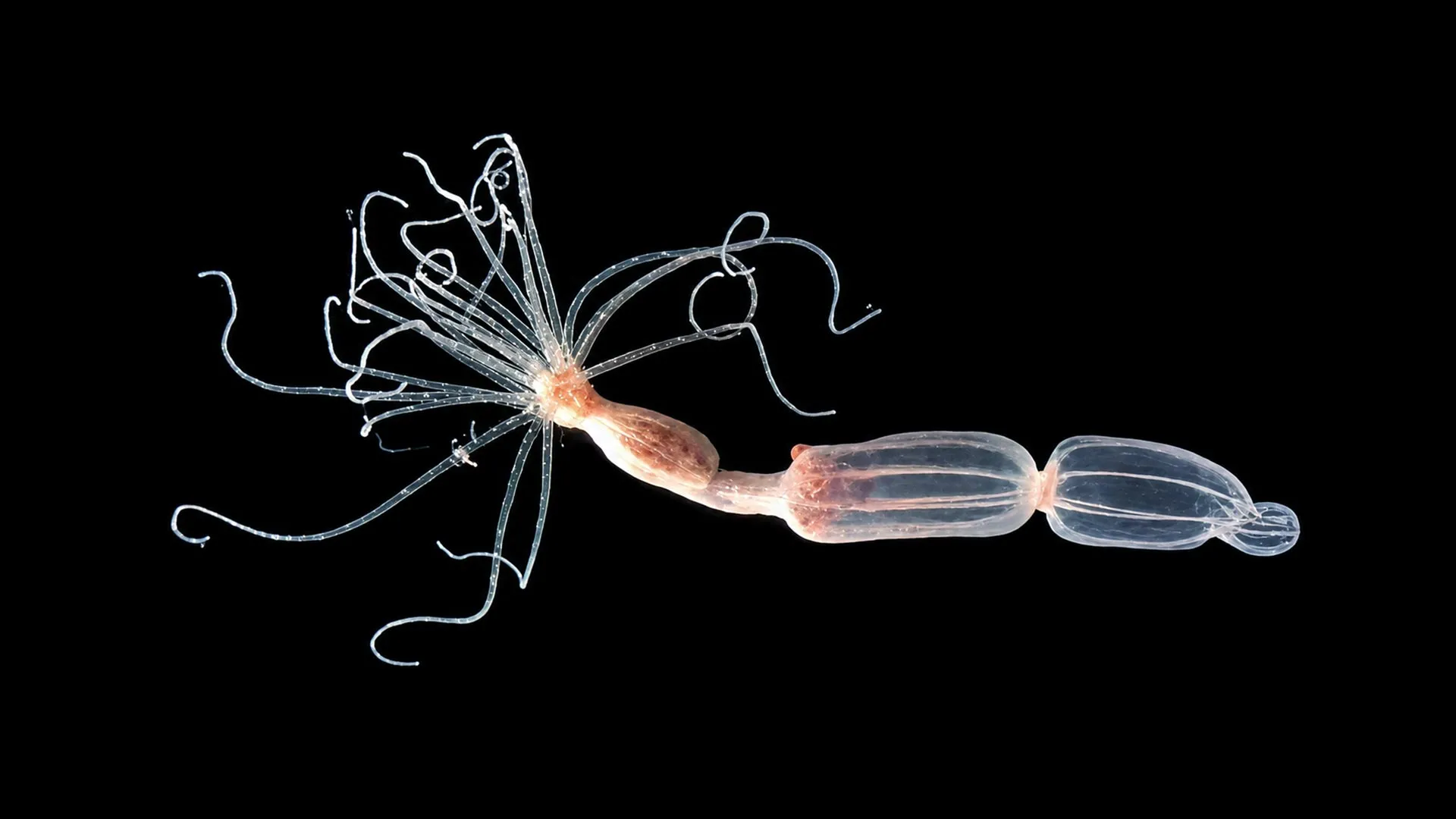
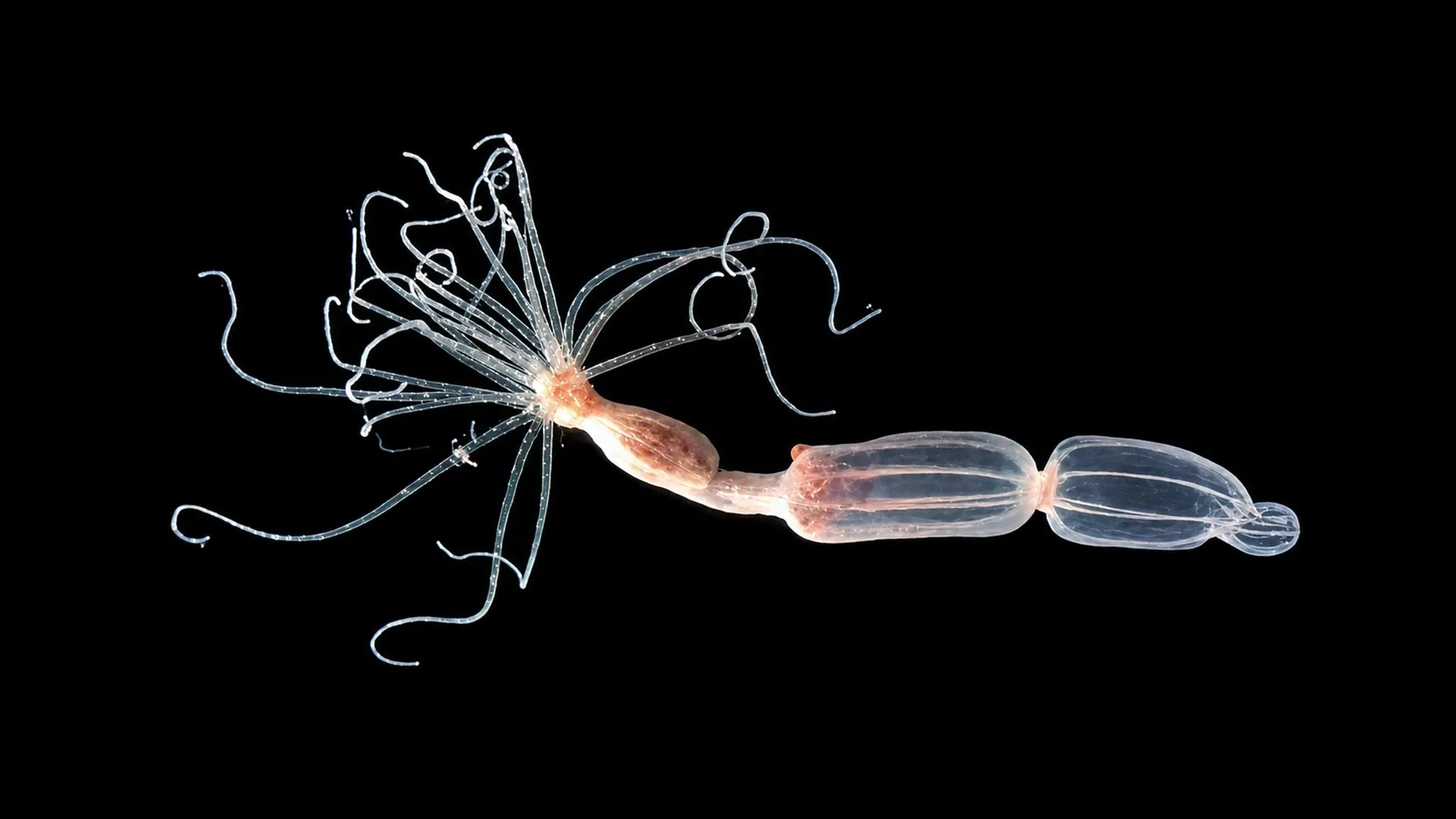
Relicanthus daphneae is a relatively recently described species, first identified in the early 2000s. These anemones are known for their impressive size, with some individuals reaching lengths of over 2 meters (approximately 6.5 feet). They are sessile, meaning they attach themselves to the seafloor and remain in place. Their discovery and continued study underscore the unique adaptations required for survival in the extreme pressures, low temperatures, and perpetual darkness of the abyssal zone.
Implications and the Vastness of the Undiscovered
The successful identification of the "golden orb" is a testament to the advancements in marine scientific research, particularly in the fields of genetic sequencing and bioinformatics. It also serves as a potent reminder of how much remains unknown about the planet’s largest and least explored habitat: the deep ocean.
CAPT William Mowitt, acting director of NOAA Ocean Exploration, emphasized the significance of such discoveries. "So often in deep ocean exploration, we find these captivating mysteries, like the ‘golden orb’," he stated. "With advanced techniques like DNA sequencing, we are able to solve more and more of them. This is why we keep exploring – to unlock the secrets of the deep and better understand how the ocean and its resources can drive economic growth, strengthen our national security, and sustain our planet."
The Gulf of Alaska, like many deep-sea regions, is an environment of immense biodiversity, with countless species likely yet to be discovered and cataloged. The depth at which the "golden orb" was found, over 3,000 meters, places it within the bathyal or abyssal zones, regions characterized by extreme conditions that foster unique evolutionary pathways. The presence of large, sessile organisms like Relicanthus daphneae indicates complex deep-sea ecosystems that depend on specific geological features and nutrient flows.
The investigation also highlights the importance of international collaboration and data sharing in scientific discovery. The involvement of NOAA and the Smithsonian, alongside potential contributions from research conducted on vessels like the Falkor, underscores a global effort to understand marine environments. The long timeframe from discovery to identification, spanning over two years, also illustrates the meticulous nature of scientific inquiry and the patience required to solve complex biological puzzles.
The economic and national security implications mentioned by CAPT Mowitt are substantial. Understanding deep-sea ecosystems is crucial for managing sustainable fisheries, identifying potential sources of novel pharmaceuticals and biomaterials, and assessing the impact of climate change and human activities on these fragile environments. The deep ocean holds immense potential for innovation and resource development, but this can only be realized through thorough scientific understanding.
As technology continues to improve, enabling scientists to explore deeper, longer, and with greater precision, the rate of discovery in the deep sea is expected to accelerate. Yet, the "golden orb" serves as a compelling narrative, illustrating that even seemingly small or unusual objects can represent significant scientific challenges and lead to profound insights into the intricate web of life that thrives in the planet’s most remote frontiers. The deep sea remains Earth’s final frontier, a reservoir of untold biological wonders, and the successful resolution of the "golden orb" mystery is merely one chapter in its ongoing exploration.











Leave a Reply