

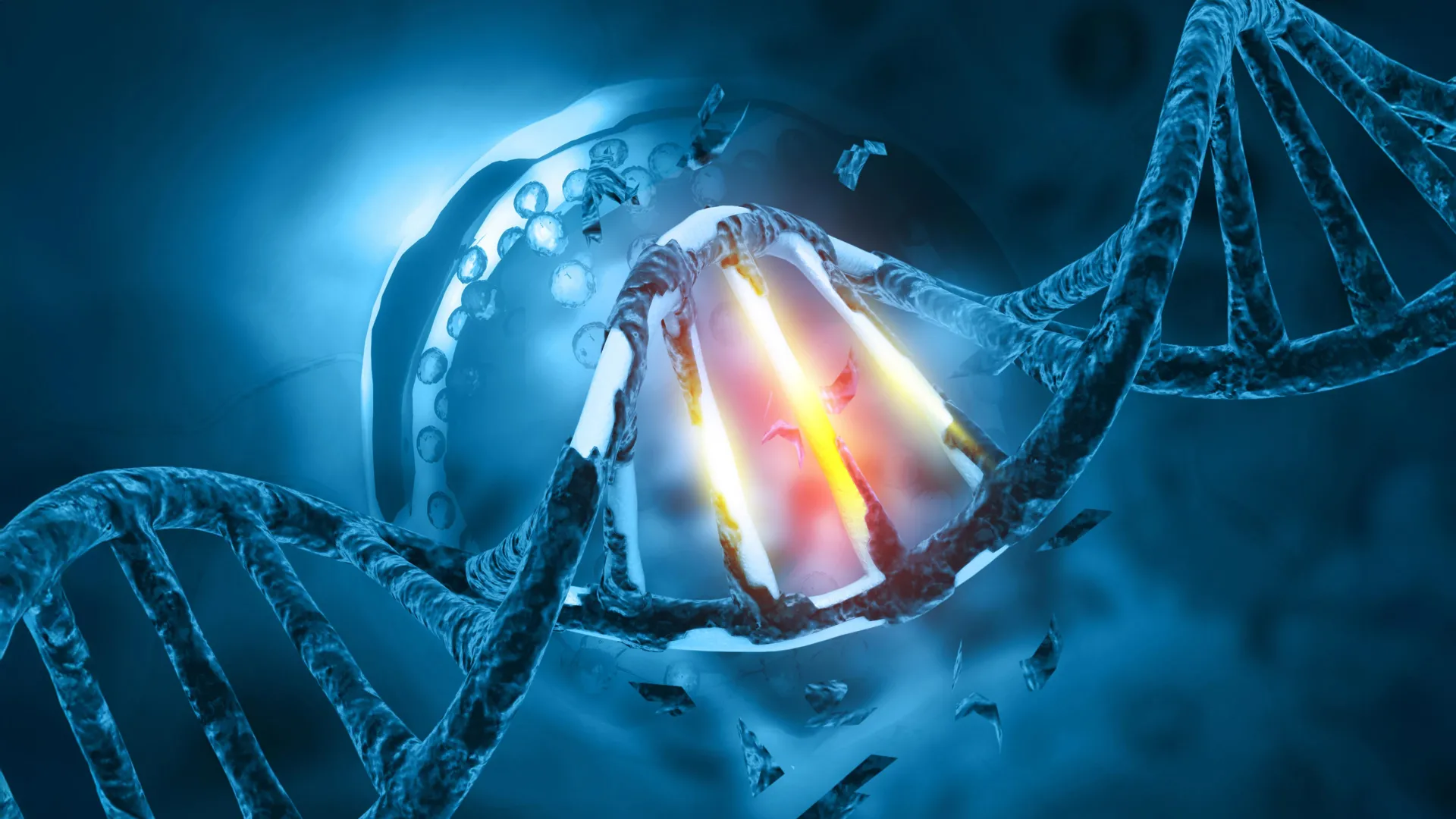
The traditional understanding of the biological clock has long focused on maternal age, yet groundbreaking research published in the journal Nature has shifted the scientific spotlight toward the paternal contribution to genetic health. Scientists from the Wellcome Sanger Institute, King’s College London, and Harvard Medical School have identified a sophisticated biological mechanism within the male reproductive system that allows harmful genetic mutations to flourish as men age. This process, known as "selfish clonal expansion," suggests that certain DNA mutations are not merely random errors but are actively favored during sperm production, significantly increasing the risk of passing neurodevelopmental disorders and rare cancers to the next generation.
The Discovery of "Selfish" Genetic Selection
In a pair of comprehensive studies released on October 8, researchers mapped the genetic landscape of human sperm with unprecedented precision. The primary study, led by the Wellcome Sanger Institute and the TwinsUK study at King’s College London, utilized advanced genomic sequencing to track how mutations accumulate across the entire sperm genome. The core finding challenges the long-held assumption that the male germline—the lineage of cells that produces sperm—is a static or highly protected environment.
Instead, the researchers discovered that the testes function as a competitive arena. In tissues that undergo constant renewal, such as the lining of the gut or the skin, mutations can sometimes provide a "fitness" advantage to a single cell. In the context of the testes, a mutation in a spermatogonial stem cell (the cells that produce sperm) might inadvertently trigger faster cell division. These mutated cells then expand into "clones," eventually outcompeting healthy neighboring cells and producing a disproportionately high number of sperm carrying that specific mutation.
This phenomenon is particularly insidious because the same mutations that allow a stem cell to thrive in the testes are often the same mutations that cause severe developmental pathologies in a child. For example, a mutation that "supercharges" a stem cell’s growth might cause skeletal dysplasia or heart defects in a developing embryo.
Technological Breakthrough: The Role of NanoSeq
The ability to detect these rare mutations was made possible by a technological leap known as NanoSeq. Traditional DNA sequencing often struggles with a high "background noise" of errors, making it nearly impossible to distinguish between a genuine mutation in a single sperm cell and a mistake made by the sequencing machine itself. NanoSeq, a duplex sequencing protocol, reduces this error rate to less than one error per billion base pairs.
Using this tool, the research team analyzed sperm samples from 81 healthy men, ranging in age from 24 to 75. These participants were part of the TwinsUK cohort, the United Kingdom’s largest adult twin registry. By using a well-documented and diverse population, the scientists were able to correlate genetic findings with detailed life histories and health data, providing a robust foundation for their conclusions.
Statistical Evidence of Age-Related Risk
The data produced a clear and concerning trajectory regarding paternal age and genetic risk. The study found that in men in their early 30s, approximately 2 percent of sperm carried mutations known to cause disease. However, as men aged into their 40s and through their 70s, this figure climbed steadily.
For men aged 43 to 74, the proportion of mutated sperm rose to between 3 and 5 percent. Among the oldest participants—those in their 70s—an average of 4.5 percent of sperm contained harmful mutations. While these percentages may seem small in isolation, considering that a single ejaculation contains tens of millions of sperm, the absolute number of potentially harmful cells is significant.
Furthermore, the research pinpointed 40 specific genes that appear to benefit from this internal selection process. While 13 of these genes had been previously identified in smaller studies, the new research expanded the list significantly. Many of these genes are integral to cell growth and signaling pathways; when mutated, they are linked to serious conditions including:
- Neurodevelopmental disorders (such as autism and intellectual disabilities)
- Achondroplasia (the most common form of dwarfism)
- Noonan syndrome (a condition affecting heart development and growth)
- Certain pediatric cancers
Corroboration via Parent-Child Trios
In a complementary study published simultaneously in Nature, researchers from Harvard Medical School and the Sanger Institute approached the problem from the opposite direction. Rather than looking at sperm directly, they analyzed the DNA of the resulting children. By examining more than 54,000 parent-child "trios" (mother, father, and child) and over 800,000 healthy individuals, the team looked for mutations that appeared in the children but were not present in the parents’ blood DNA—so-called de novo mutations.
This massive genomic survey confirmed the findings of the sperm-based study. The Harvard-led team identified more than 30 genes where mutations gave sperm cells a massive competitive edge. Most strikingly, they found that these specific "selfish" mutations could increase the local mutation rate by roughly 500-fold. This explains a long-standing mystery in genetics: why certain rare disorders appear much more frequently than random chance would suggest, even when neither parent carries the disease-causing gene in their general body cells.
The study also raised a critical warning for medical diagnostics. Because these mutations can become so common in an older man’s sperm, they may create "false-positive" disease associations in genetic databases. If multiple children are found with the same mutation from older fathers, researchers might mistakenly assume the gene is a common variant rather than a recurrent, harmful de novo mutation driven by selection in the testes.
A Chronology of Paternal Age Research
To understand the weight of these findings, one must look at the timeline of reproductive genetics. For decades, the medical community focused almost exclusively on maternal age, primarily due to the well-documented link between aging eggs and chromosomal abnormalities like Down syndrome.
- 1950s-1980s: Early clinical observations noted that certain conditions, like achondroplasia, were more common in the children of older fathers.
- 1990s-2000s: The concept of "Selfish Spermatogonial Selection" was first proposed. Scientists hypothesized that some mutations might act like "mini-tumors" in the testes, growing faster but not becoming cancerous.
- 2012: A landmark study showed that the number of de novo mutations in children doubles for every 16 years of paternal age.
- 2024: The current studies provide the first comprehensive, genome-wide map of these mutations, proving that the phenomenon is far more widespread than the handful of genes previously known.
Official Responses and Expert Analysis
The researchers involved have emphasized that while the findings are significant, they should be interpreted with care. Dr. Matthew Neville, the first author from the Wellcome Sanger Institute, expressed surprise at the scale of the discovery. "We expected to find some evidence of selection shaping mutations in sperm," he noted. "What surprised us was just how much it drives up the number of sperm carrying mutations linked to serious diseases."
Professor Matt Hurles, Director of the Wellcome Sanger Institute, highlighted the "hidden" nature of this risk. He pointed out that because these mutations occur only in the sperm-producing cells and not in the father’s blood or saliva, standard genetic tests would never detect them. This means fathers may unknowingly harbor a high percentage of mutated sperm despite being perfectly healthy themselves.
Professor Kerrin Small of King’s College London emphasized the value of the TwinsUK cohort, noting that the longitudinal nature of the data allowed the team to see how these genetic changes evolve over decades within the same population. This adds a layer of reliability that cross-sectional studies often lack.
From a clinical perspective, Dr. Raheleh Rahbari, the senior author of the Sanger study, challenged the myth of the "protected" male germline. "There’s a common assumption that because the germline has a low mutation rate, it is well protected," she said. "But in reality, the male germline is a dynamic environment where natural selection can favor harmful mutations, sometimes with consequences for the next generation."
Broader Impact and Implications for the Future
The implications of this research extend into several areas of modern medicine and society. As the average age of fatherhood continues to rise in many developed nations, understanding the paternal "biological clock" is becoming a public health priority.
1. Reproductive Counseling
These findings will likely lead to more nuanced reproductive risk assessments. Currently, prenatal screening focuses heavily on maternal age. In the future, clinics may offer "sperm fitness" assessments or more targeted prenatal testing for older fathers to screen for the 40+ genes identified in these studies.
2. IVF and Assisted Reproduction
The study raises questions about the selection of sperm during In Vitro Fertilization (IVF). While current techniques like ICSI (Intracytoplasmic Sperm Injection) select sperm based on morphology and motility, they cannot detect these deep genetic mutations. Future technologies may need to incorporate rapid genomic screening to ensure the healthiest sperm is used.
3. Understanding Rare Diseases
By identifying the specific genes that are prone to selfish expansion, scientists can better understand the "mutational hotspots" in the human genome. This could lead to new treatments or earlier interventions for the neurodevelopmental disorders that result from these mutations.
4. Environmental and Lifestyle Factors
The researchers noted that the results open new avenues for studying how lifestyle factors—such as diet, smoking, or exposure to pollutants—might accelerate the rate of clonal expansion in the testes. If environmental stressors favor mutated cells even further, the risk to offspring could be compounded.
Conclusion
The studies published in Nature represent a paradigm shift in our understanding of inheritance. They reveal that the journey from one generation to the next is not a simple hand-off of genetic material, but a complex evolutionary process that begins long before conception. While the increase in risk remains relatively small for the individual—the vast majority of sperm even in older men are healthy—the cumulative effect on a population level is substantial. As science continues to unravel the mysteries of the male germline, the focus on paternal age will undoubtedly become a permanent fixture in the conversation about reproductive health and the genetic legacy of future generations.



















Leave a Reply