The US Food and Drug Administration (FDA) has granted a pivotal approval for Datroway (datopotamab deruxtecan), a novel antibody-drug conjugate (ADC), for the treatment of adult patients with unresectable or metastatic triple-negative breast cancer (TNBC). This landmark decision, announced by its developers AstraZeneca and Daiichi Sankyo, signifies the first approval of a TROP2-directed ADC for this challenging patient population, offering a much-needed therapeutic option for those who cannot receive programmed cell death protein 1 (PD-1) or PD-L1 inhibitor therapy.
Breakthrough Approval for a Difficult-to-Treat Cancer
Metastatic triple-negative breast cancer represents a particularly aggressive form of the disease, characterized by the absence of estrogen receptors, progesterone receptors, and HER2 protein. This lack of specific molecular targets makes traditional hormone therapy and HER2-targeted treatments ineffective, historically leaving patients with limited and often less effective treatment choices, primarily relying on traditional chemotherapy. The approval of Datroway marks a significant stride forward, offering a new mechanism of action and a more targeted approach for patients facing this formidable diagnosis.
The FDA’s decision was significantly influenced by the robust data generated from the TROPION-Breast02 Phase III trial. This trial provided compelling evidence of Datroway’s efficacy and safety, leading the FDA to grant the drug priority review status, accelerating its evaluation process. Priority review is reserved for drugs that have the potential to offer significant improvements in the safety or effectiveness of the treatment, diagnosis, or prevention of a serious condition.
TROPION-Breast02 Trial: Demonstrating Superior Efficacy
The TROPION-Breast02 trial was a critical cornerstone in the regulatory review process for Datroway. This global, randomized, open-label Phase III study evaluated Datroway in patients with unresectable locally advanced or metastatic TNBC who had received prior chemotherapy but were not eligible for immunotherapy. The trial’s primary endpoint was progression-free survival (PFS) and overall survival (OS).
Key findings from the TROPION-Breast02 trial were highly encouraging:

- Reduced Risk of Disease Progression or Death: Datroway demonstrated a substantial 43% reduction in the risk of disease progression or death compared to standard chemotherapy. This significant improvement in PFS suggests that Datroway can effectively control tumor growth for a longer duration in this patient group.
- Improved Objective Response Rate (ORR): The trial reported an objective response rate of 64% with Datroway, meaning that a significant majority of patients experienced a measurable reduction in tumor size. This is a dramatic increase when compared to the 30% ORR observed with chemotherapy, highlighting Datroway’s potent anti-tumor activity.
- Enhanced Overall Survival: Datroway achieved a notable improvement in median overall survival, extending survival by five months compared to chemotherapy. This extended survival is a critical measure of treatment benefit for patients with advanced cancer, offering them more time with their loved ones.
- Favorable Safety Profile: Importantly, the safety profile of Datroway observed in the TROPION-Breast02 trial was consistent with its known safety profile from earlier breast cancer studies. While ADCs can have specific side effects, the manageable safety profile further supports its utility in a broader patient population.
The data from TROPION-Breast02 not only supported the FDA approval but also underscored Datroway’s potential to become a new standard of care for eligible patients with metastatic TNBC.
A Chronology of Advancement
The journey of Datroway to FDA approval involved a series of strategic developments and clinical milestones:
- Discovery and Early Development: Datroway was initially discovered by Daiichi Sankyo, a Japanese pharmaceutical company with a strong focus on oncology.
- Global Collaboration: AstraZeneca, a leading global biopharmaceutical company, partnered with Daiichi Sankyo to jointly develop and commercialize Datroway, leveraging their extensive global reach and expertise in oncology. This collaboration has been instrumental in driving the drug through extensive clinical trials and regulatory submissions worldwide.
- TROPION-Breast01 Trial: While TROPION-Breast02 is the key trial for this specific approval, it is important to note the context of earlier trials. The TROPION-Breast01 trial, for instance, investigated Datroway in patients with previously treated, unresectable, locally advanced or metastatic HER2-low breast cancer, demonstrating its broad potential across different subtypes.
- TROPION-Breast02 Trial Commencement and Completion: The Phase III TROPION-Breast02 trial was initiated to specifically address the unmet need in TNBC patients not eligible for immunotherapy. The successful completion of this trial provided the definitive data for regulatory submissions.
- FDA Priority Review Grant: Based on the promising results from TROPION-Breast02, the FDA granted Datroway priority review status, signaling the agency’s recognition of the drug’s potential to significantly impact patients with metastatic TNBC.
- Project Orbis Review: The application for Datroway was also reviewed under Project Orbis. This initiative, a collaboration among international regulatory agencies including Health Canada, the US FDA, the Therapeutic Goods Administration (TGA) of Australia, and Swissmedic, aims to facilitate synchronized submissions and reviews of oncology drugs across multiple countries. This approach streamlines the regulatory process, potentially bringing new treatments to patients faster in participating regions. Reviews are ongoing in other key markets, including Japan, China, and the European Union, indicating a global effort to make Datroway accessible.
- FDA Approval: The culmination of these efforts is the FDA’s recent approval, marking a significant milestone for both the developers and, more importantly, the patients who stand to benefit from this innovative therapy.
Understanding Datroway: The TROP2-Directed ADC Mechanism
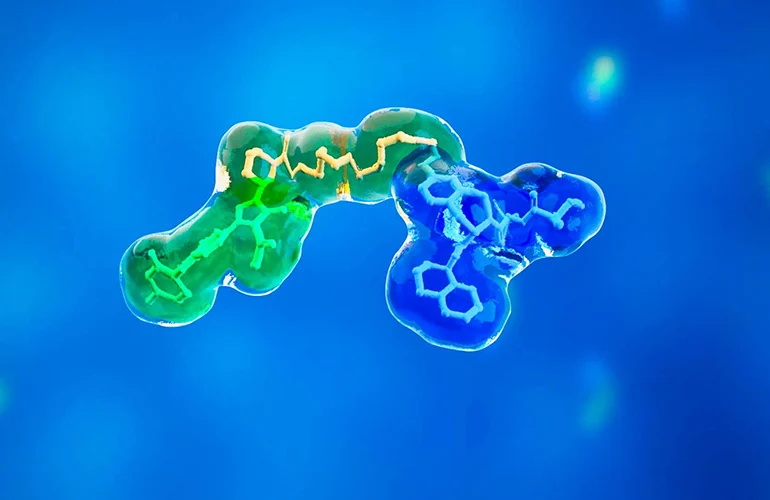
Datroway, also known by its chemical name datopotamab deruxtecan, is an antibody-drug conjugate (ADC). ADCs represent a sophisticated class of targeted therapies that combine the specificity of monoclonal antibodies with the potent cytotoxic effects of chemotherapy drugs.
The mechanism of action for Datroway involves:
- Targeting TROP2: Datroway’s antibody component is designed to bind specifically to Trop-2 (Trophoblast cell-surface antigen 2), a protein that is frequently overexpressed on the surface of various cancer cells, including a high percentage of TNBC cells.
- Internalization and Drug Release: Once the antibody binds to Trop-2 on the cancer cell, the ADC is internalized into the cell.
- Cytotoxic Payload Delivery: Inside the cancer cell, the linker connecting the antibody and the payload is cleaved, releasing a potent chemotherapy drug (deruxtecan) directly into the tumor cell. This targeted delivery mechanism aims to maximize the anti-cancer effect while minimizing exposure of healthy tissues to the chemotherapy, potentially leading to a better safety profile compared to traditional systemic chemotherapy.
This targeted approach is particularly crucial for TNBC, where options for effective and less toxic treatments have been limited.
Industry and Patient Perspectives
The approval of Datroway has been met with enthusiasm from both the pharmaceutical industry and patient advocacy groups.

Dave Fredrickson, Executive Vice President of AstraZeneca’s Oncology and Hematology Business Unit, commented on the significance of the approval: "Triple-negative breast cancer is notoriously difficult to treat. Patients with metastatic disease, especially those who are unable to receive immunotherapy, urgently need more effective, durable and tolerable treatment options that extend survival. With today’s approval, we are proud to bring Datroway to a broad population of advanced triple-negative breast cancer patients and we continue to study its promise as a mainstay treatment across tumours, stages and settings."
This statement highlights the critical unmet need that Datroway addresses and the ongoing commitment of AstraZeneca to explore its full therapeutic potential.
While specific reactions from patient advocacy groups were not detailed in the provided content, the approval is widely expected to be viewed as a significant positive development. Organizations dedicated to supporting breast cancer patients often emphasize the importance of expanding treatment options, particularly for aggressive subtypes like TNBC, and welcome advancements that offer hope for improved outcomes and quality of life. The focus on extending survival and providing a more tolerable option aligns directly with the priorities of these groups.
Broader Implications and Future Directions
The FDA approval of Datroway carries significant implications for the landscape of breast cancer treatment and the future of ADC development:
- New Standard of Care: For eligible patients with metastatic TNBC who have not responded to or cannot tolerate immunotherapy, Datroway is poised to become a new cornerstone of treatment, potentially replacing or supplementing traditional chemotherapy regimens.
- Expansion of ADC Utility: This approval further validates the power of antibody-drug conjugates as a therapeutic modality, particularly for cancers that have historically been challenging to treat. It is likely to spur further research and development in ADCs targeting various cancer types and molecular targets.
- Global Access Initiatives: The participation in Project Orbis underscores the collaborative approach being taken to ensure that this new treatment becomes accessible to patients across different regions, facilitating a more equitable distribution of advanced therapies.
- Ongoing Research: The statement from AstraZeneca indicates that research into Datroway’s potential is ongoing. This includes studying its efficacy in other tumor types, at different stages of the disease, and in various treatment settings. Such continued investigation is vital for maximizing the benefit of this drug and identifying new patient populations who could benefit from its targeted approach.
- Partnership Model Success: The successful development and commercialization of Datroway by AstraZeneca and Daiichi Sankyo serve as a prime example of effective biopharmaceutical partnerships, combining specialized expertise to bring innovative medicines to market efficiently.
In parallel with these developments, Daiichi Sankyo has been actively exploring other avenues within ADC research. Their recent collaboration with Waiv, a France-based company, focuses on leveraging digital pathology for biomarker discovery in ADC programs, indicating a forward-looking strategy to enhance the precision and efficacy of future targeted therapies.
The approval of Datroway represents a pivotal moment in the fight against metastatic triple-negative breast cancer, offering renewed hope and a more effective therapeutic avenue for patients facing a disease with limited treatment options. As research continues and regulatory reviews progress in other countries, Datroway’s impact is expected to grow, further solidifying the role of targeted therapies and ADCs in modern oncology.