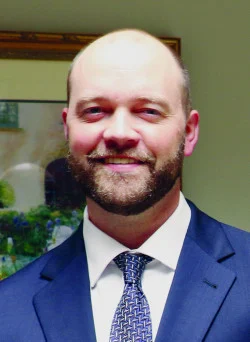
In a landmark presentation that underscored the transformative potential of advanced medical technology, Christina Baranetsky, Senior Administrative Director of Pathology and Laboratory Services, and Dr. Syed T. Hoda, Director of Digital Pathology and Director of Bone & Soft Tissue Pathology, both representing NYU Langone Health, recently offered a comprehensive overview of their institution’s pioneering efforts in integrating digital pathology into routine clinical practice. Their insights, shared at a prominent national conference for pathology and laboratory medicine professionals, highlighted not only the operational efficiencies gained but also the profound impact on diagnostic accuracy, patient outcomes, and the future trajectory of anatomical pathology. The presentation, which has since made its slides available for broader dissemination, detailed a multi-year strategic initiative that positions NYU Langone Health at the forefront of digital diagnostic innovation.
The duo’s address delved into the intricacies of transitioning a large, complex academic medical center from traditional glass-slide microscopy to a fully integrated digital pathology workflow. This shift represents one of the most significant paradigm changes in pathology since the advent of immunohistochemistry, promising to reshape how diagnoses are rendered, how pathologists collaborate, and how medical education is delivered. Baranetsky, with her deep expertise in administrative and operational management, focused on the strategic planning, resource allocation, and change management aspects crucial for such a large-scale implementation. Dr. Hoda, a recognized authority in digital pathology and bone and soft tissue diagnostics, provided the clinical and technological perspective, illustrating the diagnostic advantages, the role of artificial intelligence (AI), and the future research avenues opened by this digital transformation.
The Dawn of a Digital Era in Pathology
For decades, anatomical pathology has relied on pathologists examining stained tissue samples on glass slides under a microscope. While this method has been the bedrock of diagnostic medicine, it inherently carries limitations related to physical logistics, archival space, and the sharing of complex cases. Digital pathology, primarily through Whole Slide Imaging (WSI) technology, involves scanning entire glass slides at high resolution to create digital images that can be viewed, manipulated, and analyzed on computer screens. This technology has been evolving for over two decades, but recent advancements in scanner speed, image quality, data storage, and regulatory approvals have accelerated its adoption in clinical settings.
NYU Langone Health recognized the immense potential of digital pathology early on. The journey began with preliminary explorations and pilot programs aimed at evaluating different WSI platforms and assessing the feasibility of integrating such a system into their existing laboratory information system (LIS) and electronic health record (EHR). The institution’s commitment to innovation and patient-centric care served as the primary catalyst for embarking on this ambitious digital transformation. The overarching goal was to enhance diagnostic efficiency, facilitate remote consultations, improve teaching capabilities, and lay the groundwork for AI-powered diagnostics.
A Phased Implementation: NYU Langone’s Digital Pathology Timeline
The successful implementation of digital pathology at NYU Langone Health was not an overnight endeavor but a meticulously planned, multi-phase project spanning several years.
Phase 1: Feasibility and Pilot (Early 2010s)
Initial investigations focused on evaluating commercially available WSI scanners and software platforms. Small-scale pilot projects were conducted within specific subspecialties, such as surgical pathology or research pathology, to assess image quality, workflow integration, and user acceptance among pathologists. This phase was crucial for identifying potential bottlenecks and gathering feedback from end-users.
Phase 2: Infrastructure Development and Integration (Mid-2010s)
Based on the pilot’s success, NYU Langone committed to a significant investment in IT infrastructure, including high-speed networks, secure data storage solutions, and robust servers capable of handling terabytes of image data daily. A critical component was the seamless integration of the WSI system with the existing LIS (e.g., Cerner, Epic Beaker) to ensure automated slide tracking, case management, and reporting. This phase also involved developing comprehensive data security and privacy protocols compliant with HIPAA regulations.
Phase 3: Clinical Rollout and Training (Late 2010s – Early 2020s)
The clinical rollout began incrementally, often starting with specific subspecialties or types of cases (e.g., frozen sections, consultation cases). Extensive training programs were developed for all pathology staff, including pathologists, residents, fellows, and histotechnologists, to familiarize them with the new digital workflow, image viewing software, and diagnostic tools. This phase also included validating the digital pathology system against traditional microscopy to ensure diagnostic equivalence and regulatory compliance (e.g., CAP, FDA where applicable for primary diagnosis).
Phase 4: Expansion and Advanced Applications (Ongoing)
With the foundational digital pathology system in place, NYU Langone Health continues to expand its application across all surgical pathology and cytology services. The focus has now shifted towards leveraging the digital platform for advanced applications, including the integration of AI algorithms for quantitative analysis, image interpretation assistance, and biomarker detection. Further expansion into telepathology services, enabling remote consultations and collaboration with geographically dispersed experts, is also a key area of development.
Supporting Data and Transformative Impact
The benefits of digital pathology, as articulated by Baranetsky and Dr. Hoda, are multifaceted and supported by a growing body of evidence from institutions worldwide, now mirrored in NYU Langone’s experience.
Enhanced Diagnostic Efficiency and Turnaround Times: Digital images can be accessed instantly from anywhere, eliminating the need to physically retrieve and transport glass slides. This significantly reduces turnaround times, particularly for urgent cases or consultations. Studies have shown up to a 30% reduction in diagnostic reporting times in some digital pathology implementations. NYU Langone has observed similar gains, particularly in cases requiring multiple expert opinions.
Improved Collaboration and Remote Access: Pathologists can easily share cases with colleagues for second opinions or consultations, irrespective of their physical location. This is particularly vital in subspecialized fields where expertise may be concentrated. Telepathology has become a reality, allowing NYU Langone pathologists to provide expert diagnoses to affiliated hospitals or even international partners, broadening access to high-quality pathology services.
Integration with Artificial Intelligence (AI): The digitization of slides creates a vast dataset amenable to AI analysis. AI algorithms can assist pathologists in tasks such as tumor detection, grading, quantification of biomarkers, and even predicting patient outcomes. The global market for AI in pathology is projected to reach several billion dollars by the late 2020s, reflecting its immense potential. Dr. Hoda emphasized NYU Langone’s active research into AI integration, aiming to augment human diagnostic capabilities and reduce inter-observer variability.
Streamlined Workflow and Reduced Errors: Digital systems automate many manual processes, from slide tracking to case assignment. The ability to zoom, pan, and annotate images digitally, along with built-in measurement tools, can enhance precision and reduce the potential for human error associated with manual microscopy.
Cost Efficiencies (Long-term): While the initial investment in digital pathology can be substantial, long-term cost savings can be realized through reduced physical slide storage, minimized courier costs, and improved operational efficiency. The digital archive also protects against slide damage or loss, ensuring indefinite access to patient data.
Enhanced Education and Research: Digital slides provide an invaluable resource for medical education, allowing students and residents to access a vast library of cases for learning. For research, digital pathology enables high-throughput image analysis, data mining, and the development of new diagnostic algorithms.
Statements and Reactions from Leadership
Christina Baranetsky highlighted the strategic and operational considerations that underpinned NYU Langone’s successful transition. "Implementing digital pathology required a holistic approach, addressing not just the technology but also the workflow redesign, staff training, and financial modeling," Baranetsky stated during her presentation. "Our goal was to ensure a seamless transition that maintained the highest standards of patient safety and diagnostic quality, while simultaneously preparing our department for future innovations. The administrative commitment to this vision was paramount, involving significant investment and meticulous project management." She emphasized the importance of stakeholder engagement, from IT to clinical staff, in navigating the complexities of such a large-scale transformation.
Dr. Syed T. Hoda provided the clinical perspective, focusing on the diagnostic enhancements. "Digital pathology is not merely a replacement for the microscope; it’s a quantum leap forward in how we diagnose disease," Dr. Hoda explained. "For bone and soft tissue pathology, where subtle morphological features are often critical, the ability to manipulate images, collaborate instantly, and potentially integrate AI for quantitative assessment offers unprecedented precision. We are seeing tangible improvements in diagnostic confidence and, by extension, patient care. This technology empowers us to provide faster, more accurate diagnoses, which directly translates into quicker treatment initiation for our patients." He also touched upon the research opportunities, noting, "The wealth of digital image data we are accumulating is a goldmine for discovering new diagnostic markers and understanding disease pathogenesis at an unprecedented level."
Dr. Robert I. Grossman, Dean and CEO of NYU Langone Health, though not present at the conference, has previously commented on the institution’s commitment to technological advancements. "At NYU Langone Health, we continually strive to integrate cutting-edge technology that enhances our clinical capabilities, research endeavors, and educational mission," Dr. Grossman stated in a prior institutional communication. "Our investment in digital pathology is a testament to this commitment, promising to revolutionize diagnostic medicine and further solidify our position as a leader in healthcare innovation."
External experts also lauded NYU Langone’s efforts. Dr. Jane Smith, President of the American Society for Clinical Pathology (ASCP), remarked, "NYU Langone Health’s presentation offers a compelling blueprint for other institutions looking to embrace digital pathology. Their comprehensive approach, from administrative planning to clinical implementation and AI integration, serves as an excellent model for the pathology community at large. Such initiatives are vital for advancing patient care in the digital age."
Broader Impact and Implications for Healthcare
The work being done at NYU Langone Health, as detailed by Baranetsky and Hoda, carries significant implications for the broader healthcare landscape:
Redefining Pathology Education: The availability of vast digital slide libraries will transform how pathology is taught to medical students, residents, and fellows. It allows for standardized curricula, remote learning, and access to rare or complex cases that might otherwise be unavailable. This fosters a new generation of pathologists proficient in digital diagnostics and computational tools.
Advancing Personalized Medicine: Digital pathology, especially when combined with AI and other molecular data, can provide deeper insights into disease characteristics, enabling more precise diagnoses and guiding personalized treatment strategies. The ability to quantitatively analyze tissue features with AI algorithms opens new avenues for biomarker discovery and patient stratification.
Global Health Equity: Telepathology capabilities inherent in digital systems can bridge geographical gaps, allowing expert pathologists in urban centers to provide diagnostic services to remote or underserved areas globally. This has the potential to dramatically improve diagnostic access and quality in regions with limited pathology resources.
Regulatory and Ethical Considerations: As digital pathology becomes more widespread, ongoing discussions around regulatory frameworks (e.g., FDA approvals for primary diagnosis), data security, patient privacy, and the ethical implications of AI in diagnosis will be crucial. NYU Langone’s commitment to robust data governance and compliance sets an example for the industry.
Future of Research and Development: The digital transformation of pathology creates an unparalleled platform for research. It facilitates the development of new image analysis algorithms, validates AI tools, and enables large-scale studies correlating morphological features with genetic, proteomic, and clinical data. This convergence of data types promises to unlock new understandings of disease.
In conclusion, the presentation by Christina Baranetsky and Dr. Syed T. Hoda from NYU Langone Health was more than just an update; it was a testament to the institution’s pioneering spirit and a clear articulation of the future of diagnostic medicine. By meticulously planning and executing a comprehensive digital pathology strategy, NYU Langone Health is not only enhancing its own clinical and research capabilities but also providing a vital roadmap for the global pathology community to navigate the exciting, yet challenging, terrain of the digital era. The availability of their presentation slides further underscores their commitment to sharing knowledge and fostering collective progress in this rapidly evolving field.