In a landmark discovery that reshapes our understanding of human inheritance and reproductive health, researchers have found that the increase in genetic disorders associated with older fathers is not merely a result of random cellular "wear and tear." Instead, a sophisticated and somewhat counterintuitive process of natural selection occurs within the male reproductive system, where certain harmful DNA mutations are actively favored, allowing them to proliferate and become more common in sperm as men age. This phenomenon, detailed in two major studies published in the journal Nature, provides a molecular explanation for why children of older fathers may face higher risks of certain developmental and oncological conditions.
The research, led by the Wellcome Sanger Institute in collaboration with King’s College London and Harvard Medical School, utilizes cutting-edge genomic sequencing to map the landscape of the sperm genome with unprecedented precision. By analyzing how mutations accumulate over decades, the scientists have identified a "hidden genetic risk" that challenges long-held assumptions about the stability of the male germline.
The Biological Mechanism: Survival of the Fittest (but Harmful)
For decades, the prevailing scientific consensus was that the germline—the lineage of cells that produce sperm and eggs—was uniquely protected from the high mutation rates seen in "somatic" cells, such as those in the skin, liver, or lungs. While somatic cells accumulate mutations that can lead to cancer or organ decline, the germline was thought to possess superior repair mechanisms to ensure the integrity of the next generation.
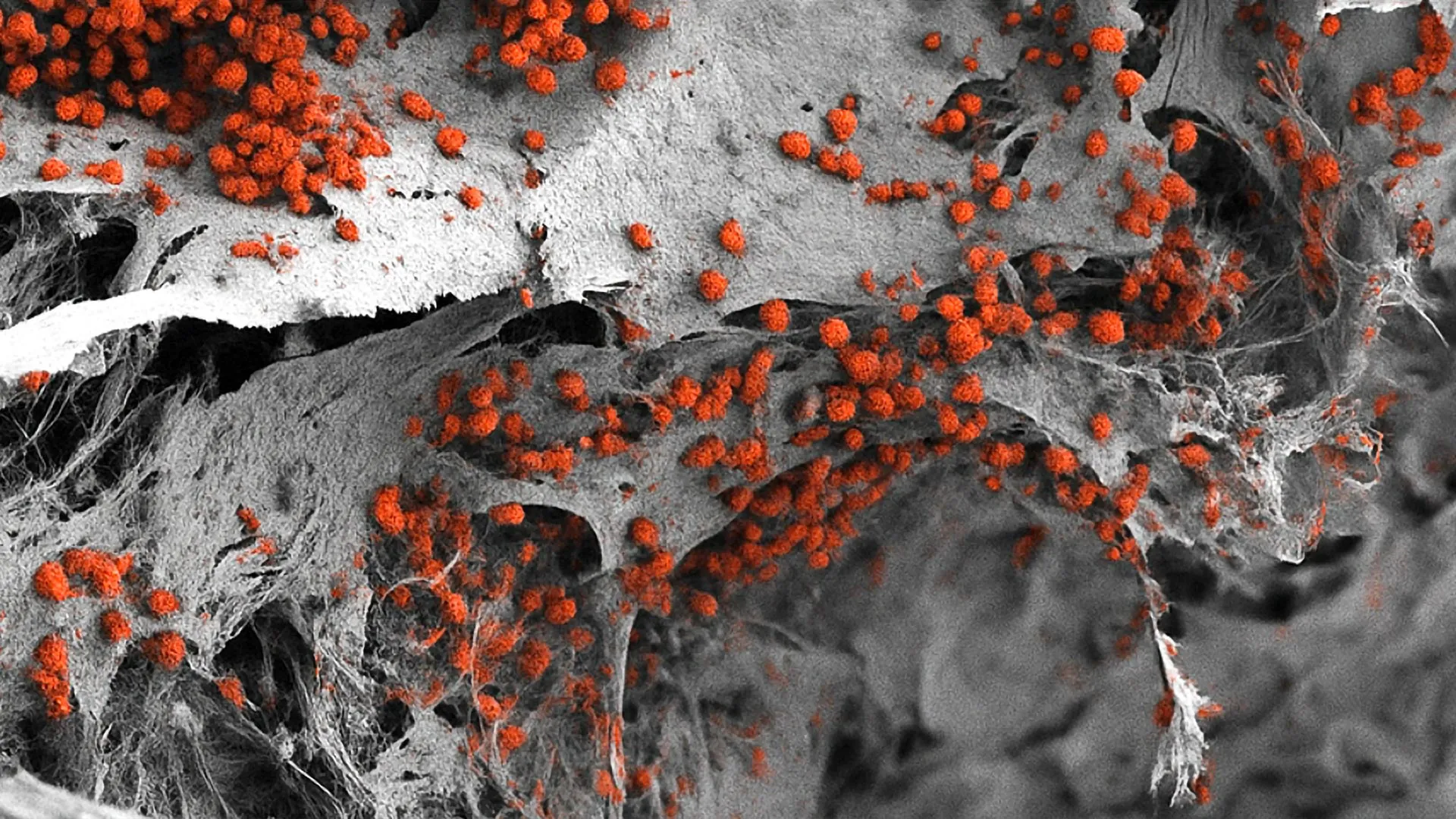
However, the new research reveals that the testes are a site of intense internal competition. In tissues that constantly renew themselves, such as the lining of the gut or the skin, mutations can sometimes give a specific cell a competitive advantage, allowing it to divide faster or survive longer than its neighbors. This process is known as "clonal expansion." In the context of the testes, certain mutations in the progenitor cells (spermatogonia) that produce sperm actually trigger this expansion.
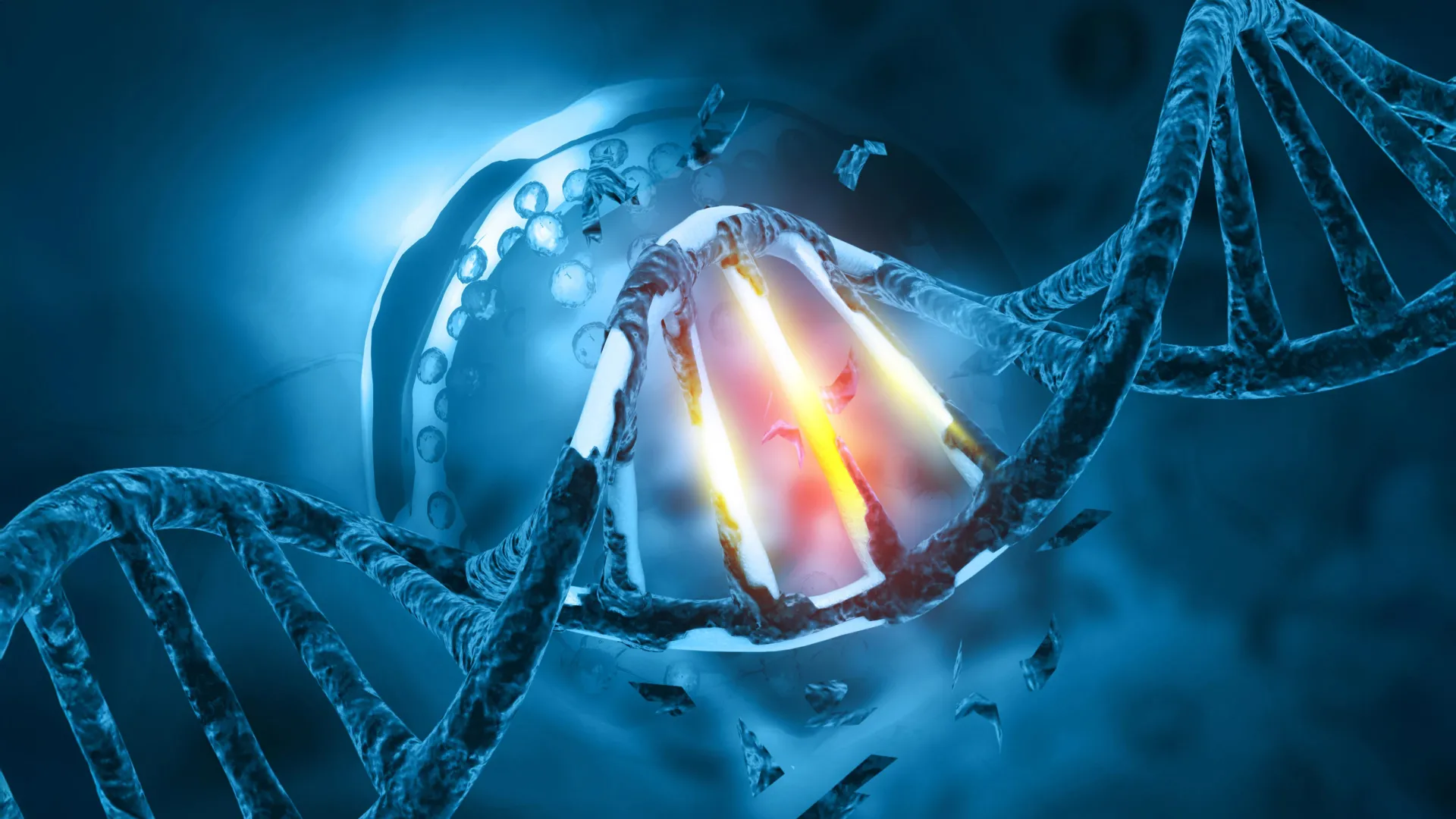
Crucially, the mutations that provide these cells with a growth advantage are often the same mutations that cause serious disease if passed on to a child. By out-competing healthy cells within the testes, these mutated cells create "clusters" of genetically altered tissue. Consequently, a larger proportion of the sperm produced by an older man originates from these mutated clusters, significantly increasing the likelihood that a child will inherit a harmful genetic trait.
Quantifying the Risk: A Decades-Long Trajectory
To investigate this process, the research team utilized a highly specialized sequencing technology known as NanoSeq. Traditional sequencing methods often struggle to detect rare mutations present in only a tiny fraction of cells; NanoSeq, however, offers the accuracy required to identify single-letter changes in the DNA of individual sperm cells.
The study analyzed sperm samples from 81 healthy men, ranging in age from 24 to 75. These participants were drawn from the TwinsUK cohort, the United Kingdom’s largest adult twin registry. By using such a well-documented population, researchers could account for various genetic and environmental factors that might otherwise obscure the results.
The data revealed a clear and concerning correlation between age and the prevalence of harmful mutations:
- Early 30s: Approximately 2 percent of sperm carried mutations linked to disease.
- Mid-40s to Mid-70s: This proportion rose significantly, reaching 3 to 5 percent.
- Age 70: Among the oldest participants, 4.5 percent of sperm contained harmful mutations.
While these percentages may seem small, they represent a substantial increase in the absolute risk of passing on a de novo (new) mutation—a change that appears in the child even though neither parent carries it in their blood or skin cells.
Identifying the Culprit Genes
The researchers pinpointed 40 specific genes that appear to benefit from clonal expansion in the testes. Many of these genes are vital for regulating cell growth and division. When they mutate, they can supercharge the reproduction of the spermatogonia, but they also disrupt normal development in an embryo.
Among the 40 genes identified, 13 were already known to be associated with "paternal age effect" (PAE) disorders. These include conditions like Achondroplasia (the most common form of dwarfism) and Apert syndrome (a genetic disorder characterized by skeletal abnormalities). However, the study expanded the list significantly, identifying 27 additional genes linked to various neurodevelopmental disorders, including autism and schizophrenia, as well as certain pediatric cancers.
This finding suggests that the impact of paternal age on public health may be broader than previously realized, affecting a wider array of biological systems and developmental milestones.
Insights from the Parent-Child Connection
In a complementary study published simultaneously in Nature, researchers from Harvard Medical School and the Sanger Institute took a "top-down" approach. Rather than looking directly at sperm, they analyzed the DNA of over 54,000 parent-child trios and 800,000 healthy individuals to see which mutations were actually being transmitted.
This massive data set confirmed the findings of the sperm study. The team identified more than 30 genes where mutations gave sperm cells a massive competitive edge, sometimes increasing the mutation rate at specific sites by 500-fold. This astronomical increase explains why certain rare genetic disorders appear with surprising frequency in the children of older fathers, despite the overall low mutation rate of the human genome.
A particularly striking finding from the Harvard-led study involves the potential for "false-positive" disease associations. Because certain genes are so prone to these "advantageous" mutations in the sperm, they may appear to be linked to diseases in genetic studies simply because they are mutated so often, rather than because they are the actual cause of the condition being studied. This discovery will force geneticists to re-evaluate how they interpret the presence of certain mutations in large-scale health data.
Perspectives from the Research Community
The implications of these findings have resonated deeply within the scientific community. Dr. Matthew Neville, the lead author of the sperm study from the Wellcome Sanger Institute, expressed surprise at the magnitude of the effect. "We expected to find some evidence of selection shaping mutations in sperm," Dr. Neville noted. "What surprised us was just how much it drives up the number of sperm carrying mutations linked to serious diseases."
Professor Matt Hurles, Director of the Wellcome Sanger Institute and a co-author of the research, emphasized the hidden nature of this risk. "Our findings reveal a hidden genetic risk that increases with paternal age," Hurles said. "Some changes in DNA not only survive but thrive within the testes, meaning that fathers who conceive later in life may unknowingly have a higher risk of passing on a harmful mutation to their children."
The use of the TwinsUK cohort was also highlighted as a critical factor in the study’s success. Professor Kerrin Small, Scientific Director of the TwinsUK study at King’s College London, noted that the longitudinal nature of the data allowed for a deeper understanding of how these mutations evolve over a person’s lifetime. "This collaboration highlights the power of large, population-based cohorts for advancing our understanding of human development and inheritance," Small stated.
Broader Implications and Future Directions
The sociological context of this research is significant. In many developed nations, the average age of first-time fathers has been steadily rising for decades due to economic, educational, and lifestyle factors. While much of the public health focus has historically been on maternal age and the risk of chromosomal abnormalities like Down syndrome, this research underscores the importance of paternal age in the genetic health of the population.
However, the researchers are careful to note that a higher frequency of mutated sperm does not automatically translate to a higher rate of disease in every case. Biological safeguards remain in place. For instance, some mutations that allow a sperm cell to "win" the race within the testes might simultaneously make it less effective at fertilizing an egg. Other mutations might lead to embryos that fail to implant or result in early-stage miscarriages, acting as a natural (albeit tragic) filter against severe genetic defects.
"There’s a common assumption that because the germline has a low mutation rate, it is well protected," said Dr. Raheleh Rahbari, senior author and Group Leader at the Wellcome Sanger Institute. "But in reality, the male germline is a dynamic environment where natural selection can favor harmful mutations, sometimes with consequences for the next generation."
Moving forward, this research is expected to refine the way clinicians approach reproductive risk assessments. It may lead to the development of new screening tools for older prospective fathers or influence the way genetic counseling is conducted for families with no prior history of certain disorders.
The study also opens the door for further investigation into how environmental factors—such as diet, exposure to toxins, or smoking—might accelerate the clonal expansion of mutated cells in the testes. If lifestyle choices can influence the "internal selection" process, there may be ways to mitigate some of the risks associated with delayed fatherhood.
Ultimately, these findings provide a profound look at the "unseen" evolution happening within our own bodies. They remind us that the process of natural selection is not just something that happens over millions of years across species, but something that occurs every day within the very cells that carry the blueprint for the next generation. As science continues to peel back the layers of the human genome, the complexity of how we pass on our traits—and our risks—becomes increasingly clear.