A groundbreaking innovation from The Hong Kong Polytechnic University (PolyU) promises to transform the landscape of wound care, particularly for infected wounds, by introducing a bionic cooling skin that integrates robust protection, patient comfort, and potent on-demand antibacterial activity. This novel biomedical material, engineered to closely mimic the complex properties of natural skin, has demonstrated exceptional healing capabilities in preclinical trials, marking a significant leap towards addressing one of medicine’s persistent challenges.
The Critical Challenge of Infected Wounds
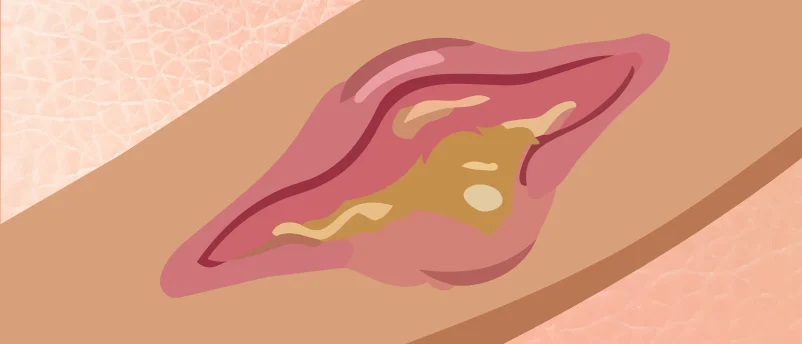
Wound healing is an intricate biological cascade, and its successful progression is frequently jeopardized by bacterial infections. These infections represent a formidable obstacle, capable of delaying the healing process, inflicting damage upon newly formed tissues, and escalating the risk of severe, potentially life-threatening complications such as sepsis or gangrene. The global burden of chronic wounds—including diabetic foot ulcers, pressure sores, and venous leg ulcers—is substantial, affecting millions worldwide and incurring enormous healthcare costs. For instance, in the United States alone, chronic wounds impact an estimated 6.5 million people annually, with treatment costs exceeding $25 billion. The prevalence of these wounds is projected to rise further due to an aging population and the increasing incidence of conditions like diabetes.
Traditional wound dressings, while having played a transformative role in wound management, often present significant limitations. Simple gauze dressings, for example, can adhere painfully to the wound bed, causing trauma and discomfort during removal and necessitating frequent, often distressing, dressing changes. Foam dressings, while offering cushioning and absorption, can be prohibitively expensive and typically lack inherent antibacterial properties, leaving infected wounds vulnerable. Hydrocolloid dressings, known for maintaining a moist wound environment, are generally unsuitable for actively infected wounds as they can trap bacteria and exacerbate the infection. Furthermore, many existing antibacterial dressings rely on continuous release of antimicrobial agents, which can lead to localized resistance over time or even cytotoxicity to host cells, hindering natural healing. The critical unmet need in wound care has long been for a single, integrated material that can simultaneously provide optimal protection, ensure patient comfort, manage temperature, and deliver targeted, effective antibacterial action.
Unpacking the Bionic Skin’s Innovative Design
The PolyU research team embarked on developing a solution that transcends the limitations of conventional dressings. Their bionic cooling skin is a testament to sophisticated biomimicry, designed to replicate not only the mechanical properties but also the crucial permeability and thermoregulatory functions of human skin. The material boasts a distinctive "Janus structure," a term derived from the two-faced Roman god Janus, signifying its dual, distinct surfaces, each engineered for a specific function.
This innovative structure comprises two primary layers. The outer layer is composed of hydrophobic polyvinylidene fluoride (PVDF) fibers. This meticulously designed layer serves a dual purpose in passive cooling: it effectively reflects incoming sunlight and simultaneously transmits mid-infrared radiation away from the wound surface. The principle behind this is purely physical—by minimizing solar absorption and maximizing thermal emission, the material actively dissipates heat, leading to a measurable reduction in the wound’s surface temperature. Such passive cooling is not merely a comfort feature; it plays a vital role in wound healing by reducing inflammation, mitigating pain, and lowering the metabolic rate of the wound area, thereby potentially accelerating cellular repair processes.
Beneath this cooling outer layer lies a hydrophilic inner layer, which is embedded with specialized Fe20-ZIF8 nanoparticles. These nanoparticles are a type of Metal-Organic Framework (MOF), which are crystalline materials known for their highly porous structures and vast surface areas. In this application, the Fe20-ZIF8 nanoparticles are engineered to generate Reactive Oxygen Species (ROS) when exposed to visible light. ROS, such as superoxide radicals and hydroxyl radicals, are highly reactive molecules that can inflict oxidative stress on bacterial cells, damaging their cell walls, membranes, proteins, and DNA, thereby effectively neutralizing pathogens. The "on-demand" nature of this antibacterial activity is a critical advantage, allowing for targeted microbial eradication without continuous exposure that might foster resistance or harm healthy tissue. The integration of these layers is achieved through solvent welding technology, ensuring a cohesive and durable material that can withstand the dynamic environment of a healing wound.
Rigorous Pre-Clinical Validation
The efficacy of this bionic cooling skin was rigorously evaluated through a series of comprehensive preclinical experiments. The primary in vivo studies were conducted on mouse models infected with Staphylococcus aureus, a common and often problematic bacterium responsible for a wide range of wound infections, including methicillin-resistant S. aureus (MRSA).
The results were remarkably promising. Wounds treated with the bionic biomaterial demonstrated rapid and superior healing outcomes when exposed to white light, which activates the ROS generation. Within a mere 11 days, these wounds were almost completely closed, a healing rate that was more than double that observed with other conventional dressings tested in the study. For comparison, a positive control group treated with an amoxicillin solution—a standard antibiotic—also exhibited similar high rates of healing, underscoring the bionic skin’s potent therapeutic effect.
Beyond accelerated closure, the dressing also showcased exceptional antibacterial prowess. In vivo antibacterial tests confirmed over 97% antibacterial efficacy, a performance that rivaled and, in some aspects, surpassed that of antibiotic-treated controls. This high level of bacterial clearance is crucial for preventing chronic inflammation and systemic infection, which are major impediments to wound repair.
Furthermore, the physical properties of the bionic skin were thoroughly assessed. It demonstrated tensile strength and elasticity comparable to natural human skin, an essential characteristic for comfortable application and maintenance of integrity during patient movement. The passive cooling function was also quantified: under direct sunlight, the bionic skin reduced the surface temperature of wounds by approximately 4°C. In more realistic outdoor conditions, rat wound models wearing the dressing showed an average cooling effect of 1.7°C relative to uncovered wounds. This sustained cooling contributes significantly to patient comfort and can help manage localized inflammation, creating a more conducive environment for healing.

Understanding the Healing Process at a Molecular Level
To gain a deeper understanding of the mechanisms underpinning the observed healing, the researchers employed advanced molecular biology techniques, including RNA sequencing and quantitative Polymerase Chain Reaction (qPCR). These analyses provided critical insights into the genetic and cellular responses triggered by the bionic dressing.
The findings revealed a comprehensive activation of pro-healing pathways. The dressing significantly upregulated the expression of various angiogenesis markers, genes essential for the formation of new blood vessels. Angiogenesis is a vital process that supplies oxygen and nutrients to the healing tissue, crucial for cellular proliferation and tissue regeneration. Concurrently, genes associated with cell migration—such particularly those involved in the movement of fibroblasts and keratinocytes to the wound bed—were also upregulated. These cells are fundamental to closing the wound and forming new skin layers. The bionic skin also stimulated the production of antimicrobial peptides, which are components of the body’s innate immune system, further bolstering the local defense against pathogens.
Crucially, the molecular analyses also demonstrated a simultaneous downregulation of several inflammation-related genes. Chronic inflammation can hinder healing by causing persistent tissue damage and preventing the transition to the proliferative phase of wound repair. By modulating the inflammatory response, the bionic skin helps to create a more balanced and efficient healing environment, reducing swelling, pain, and the overall duration of the inflammatory phase. This dual action—promoting beneficial processes while suppressing detrimental ones—highlights the sophisticated, holistic approach of this novel biomaterial.
From Lab to Life: Future Implications and Expert Views
The successful preclinical validation of this bionic cooling skin heralds a new era in wound management. The researchers from The Hong Kong Polytechnic University expressed optimism about its potential. "This innovative bionic wound dressing not only enhances comfort and healing efficacy but also advances our understanding of wound repair mechanisms," stated a spokesperson for the research team, "holding significant promise for future wound care and biomedical material design."
Medical experts in the field of dermatology and infectious diseases are likely to view this development with considerable interest. Dr. Anya Sharma, a hypothetical dermatological surgeon specializing in chronic wound care, might comment, "The integration of passive cooling with on-demand antibacterial properties in a single, skin-mimicking material addresses several critical gaps in current wound therapy. For patients suffering from painful, slow-healing infected wounds, this could mean significantly reduced discomfort, faster recovery times, and a lower risk of serious complications like amputation or systemic infection. The ability to manage both temperature and bacterial load without constant antibiotic application is a game-changer."
The implications extend beyond individual patient benefits. From an industry perspective, this innovation presents a substantial market opportunity within the advanced wound care sector, which is projected to grow significantly in the coming years. Companies specializing in medical devices and biomaterials will likely explore licensing and commercialization pathways. The journey from preclinical success to widespread clinical availability, however, will involve rigorous clinical trials (Phase I, II, III) to confirm safety and efficacy in human subjects, followed by regulatory approvals from bodies like the FDA in the US or the EMA in Europe. These processes are often lengthy and costly, but the compelling preclinical data provides a strong foundation.
Addressing Global Health Challenges
Beyond individual patient outcomes and commercial potential, the bionic cooling skin offers broader societal benefits. Its on-demand antibacterial mechanism could play a crucial role in the global fight against antimicrobial resistance (AMR). By providing localized, targeted antibacterial action activated by visible light, it reduces the reliance on systemic antibiotics for superficial infections, thereby potentially mitigating the development of antibiotic-resistant bacterial strains. This is particularly vital given the escalating crisis of drug-resistant pathogens worldwide.
Furthermore, the improved healing rates and reduced complications could lead to decreased hospital stays, lower healthcare expenditures, and a better quality of life for patients. Chronic wounds impose a heavy burden on healthcare systems globally, consuming significant resources in terms of nursing care, medical supplies, and physician time. A more effective and efficient dressing could free up these resources, allowing for better allocation within healthcare infrastructures, particularly in resource-limited settings where advanced wound care options are often scarce. The potential for simplified application and reduced frequency of dressing changes could also empower more effective home care, further improving patient independence and reducing the burden on caregivers.
Pioneering the Future of Biomedical Materials
This research not only offers a concrete solution for infected wounds but also pushes the boundaries of biomaterials science. The successful integration of solvent welding technology with sophisticated MOF chemistry to create a multi-functional Janus material represents a significant methodological advance. It provides a blueprint for designing future generations of smart biomedical materials that can respond dynamically to their environment, delivering therapeutic interventions precisely when and where they are needed.
The principles demonstrated here could be applied to other areas of regenerative medicine, smart textiles, and targeted drug delivery systems. Imagine surgical implants that actively prevent infection, or wearable devices that monitor and treat skin conditions. The Hong Kong Polytechnic University’s bionic cooling skin is more than just a new dressing; it is a foundational step in the evolution of intelligent, patient-centric healthcare technologies, promising a future where medical materials are not just passive covers but active participants in the healing process. The findings underscore the novel biomaterial’s potential for not only addressing longstanding challenges in wound healing but also inspiring the design of next-generation biomedical solutions globally.