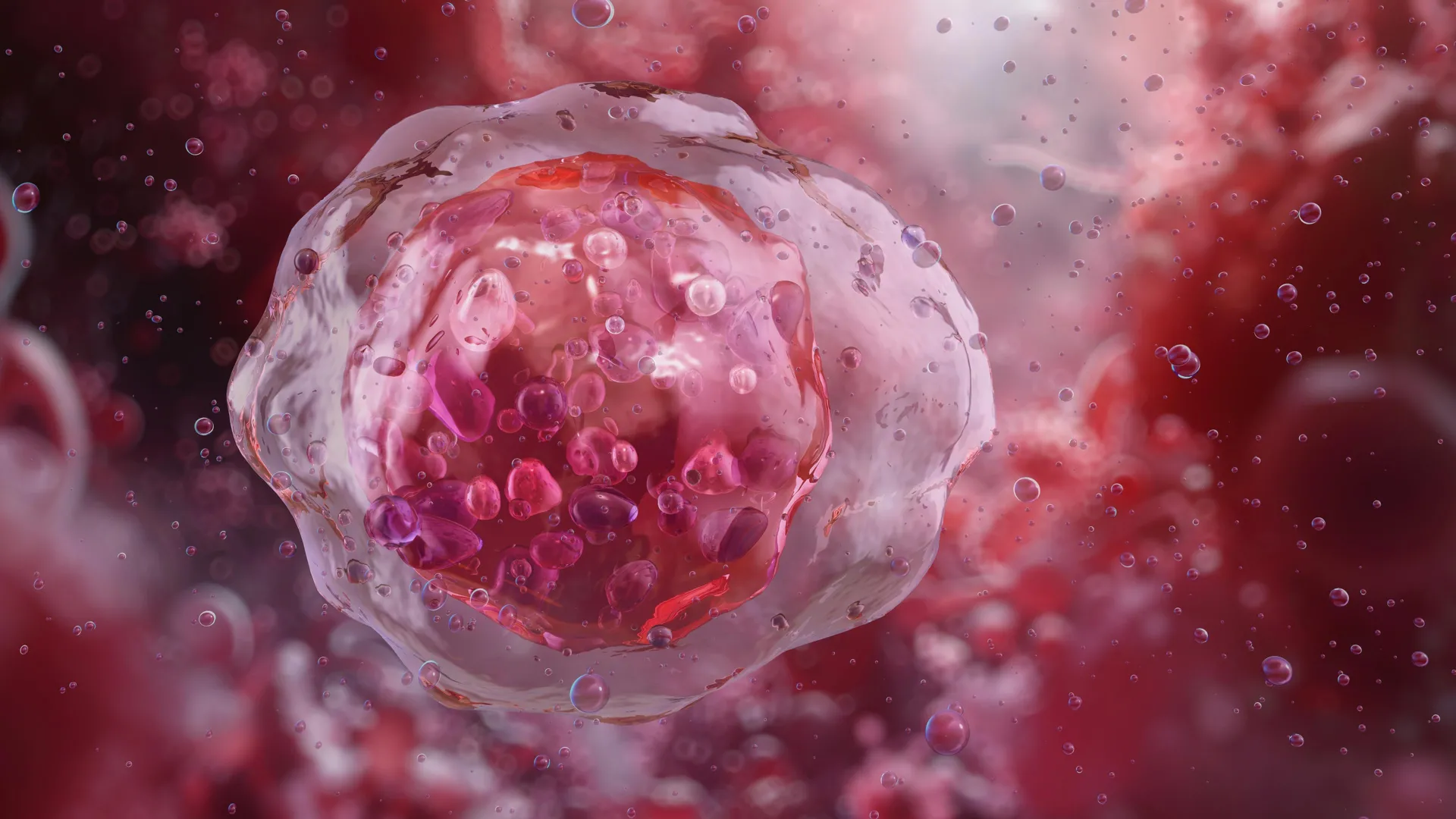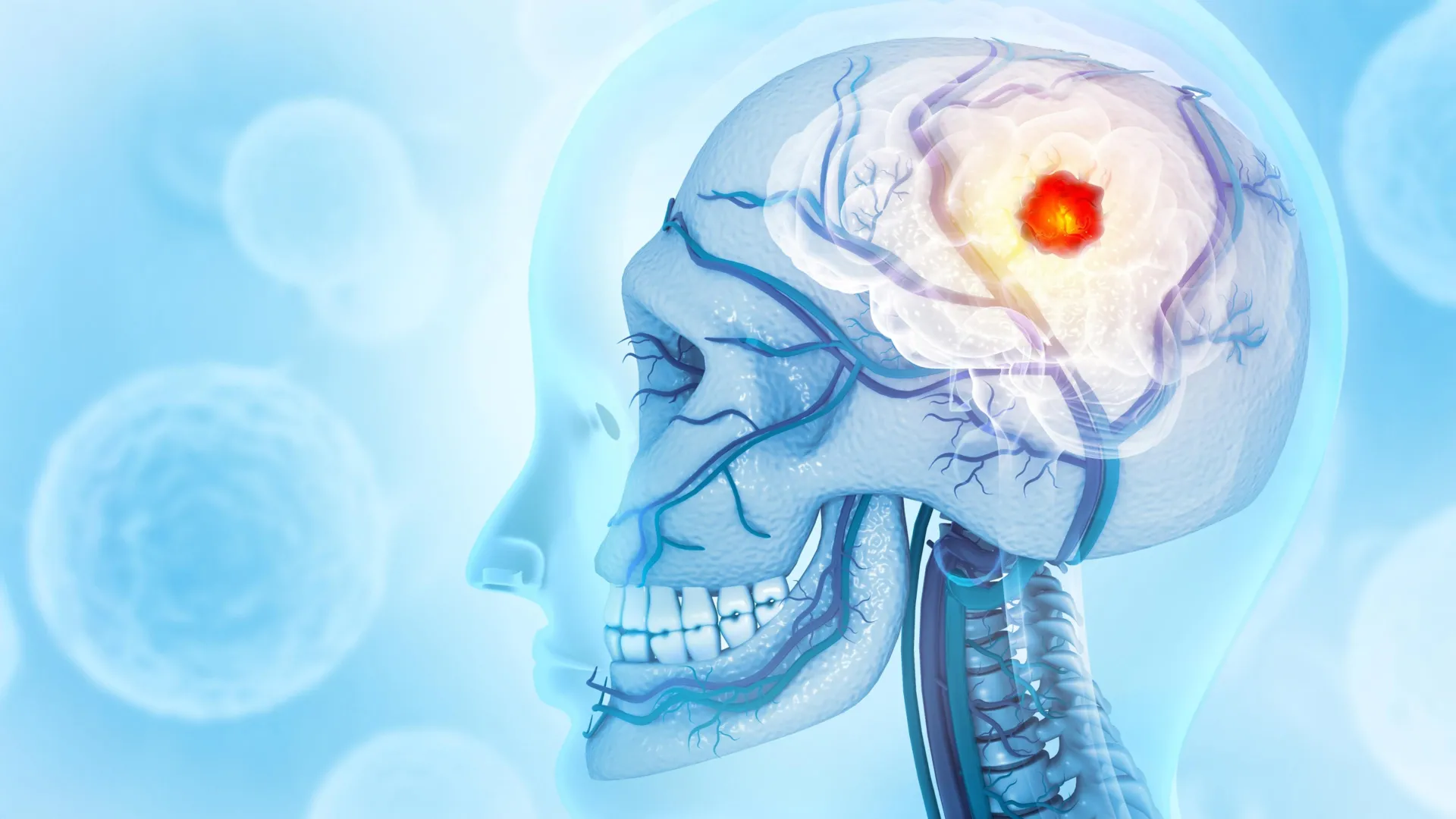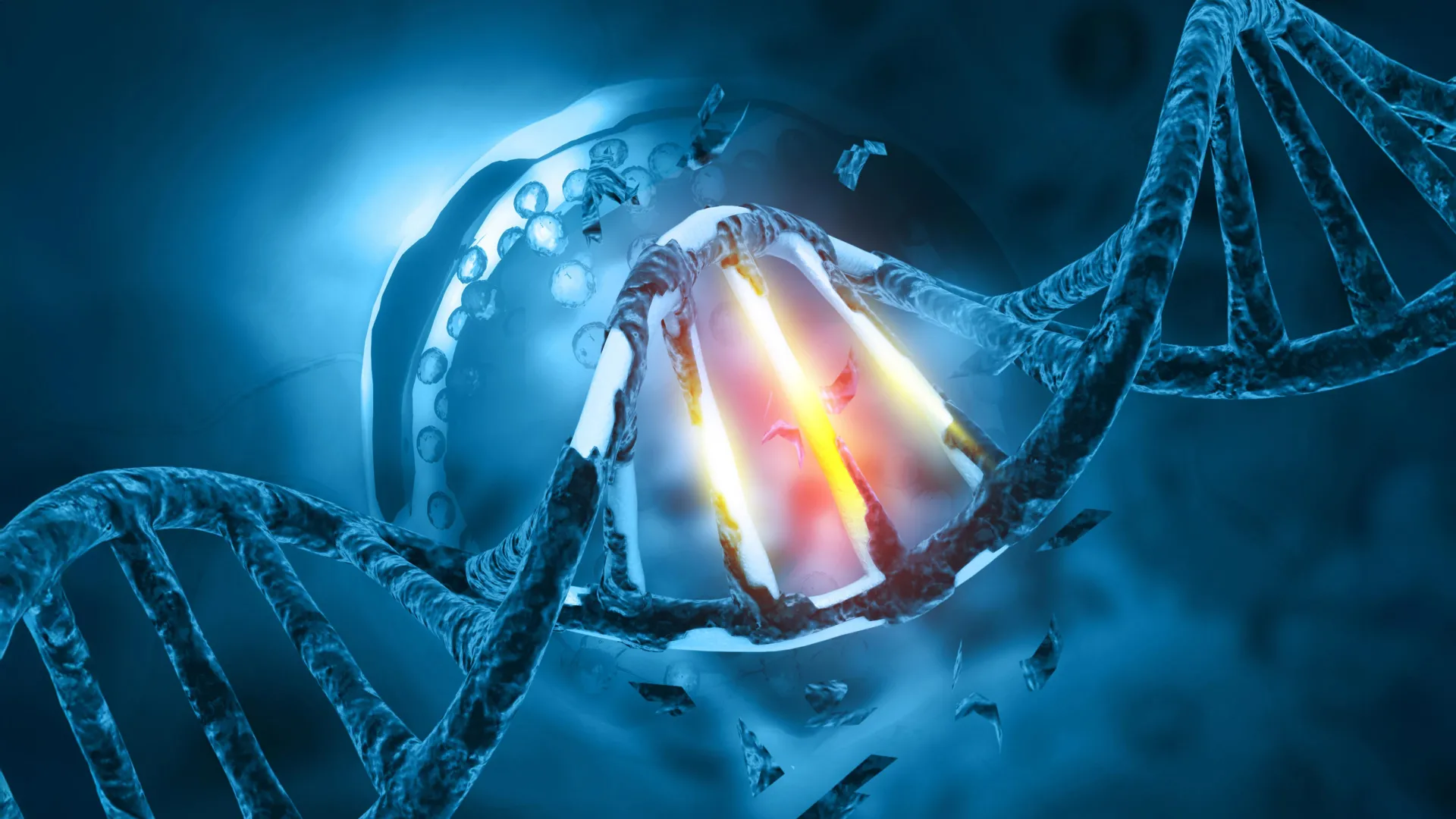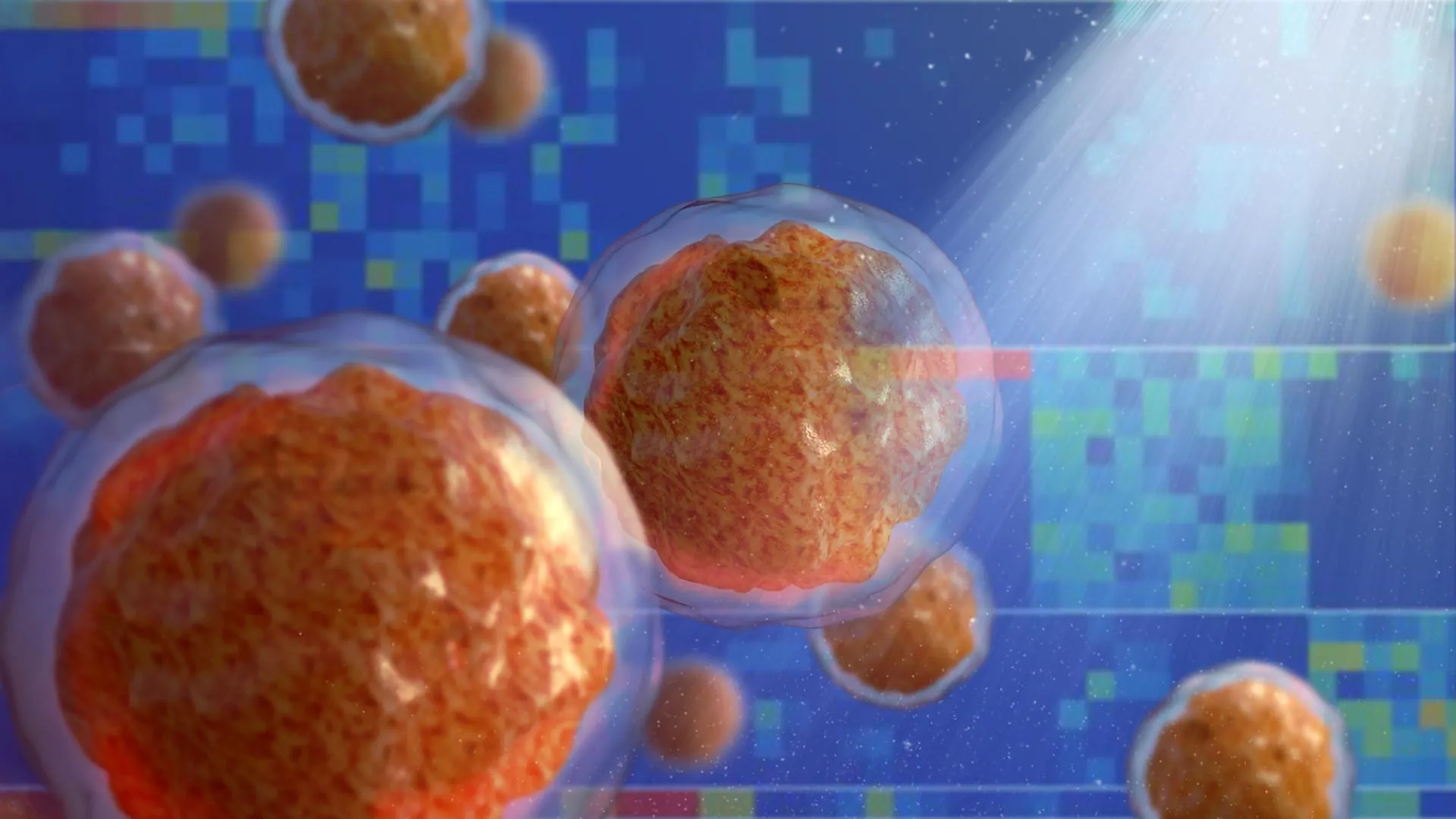
The phenomenon of cancer recurrence remains one of the most significant challenges in modern oncology, particularly in the context of estrogen receptor-positive (ER+) breast cancer. While medical advancements have drastically improved the five-year survival rates for initial diagnoses, the threat of the disease returning—often in a more aggressive and treatment-resistant form—continues to loom over patients for decades. New research conducted by a collaborative team from the University of Michigan and the University of California San Diego has identified a critical mechanism that allows these cancer cells to survive and thrive within the bone marrow, effectively evading the reach of targeted therapies.
Published in the Journal of Clinical Investigation, the study elucidates how disseminated tumor cells (DTCs) interact with the bone marrow microenvironment to undergo a transformative process. The findings suggest that cancer cells do not merely exist in a state of passive dormancy; instead, they actively engage in a form of biological "smuggling," utilizing cellular tunnels to acquire life-sustaining molecules from healthy neighboring cells. This discovery provides a new framework for understanding why ER+ breast cancers, which account for approximately 70% to 80% of all breast cancer cases, frequently relapse in the bone even after years of apparent remission.
The Bone Marrow as a Sanctuary for Malignant Cells
The bone marrow has long been recognized as a primary site for breast cancer metastasis. For patients with ER+ breast cancer, the marrow acts as a sanctuary where cancer cells can hide from chemotherapy and hormone-based treatments. According to the research team, these cells can persist in a "sleeper" state for five, ten, or even twenty years. During this period, patients are often considered to be in clinical remission, showing no signs of active disease.
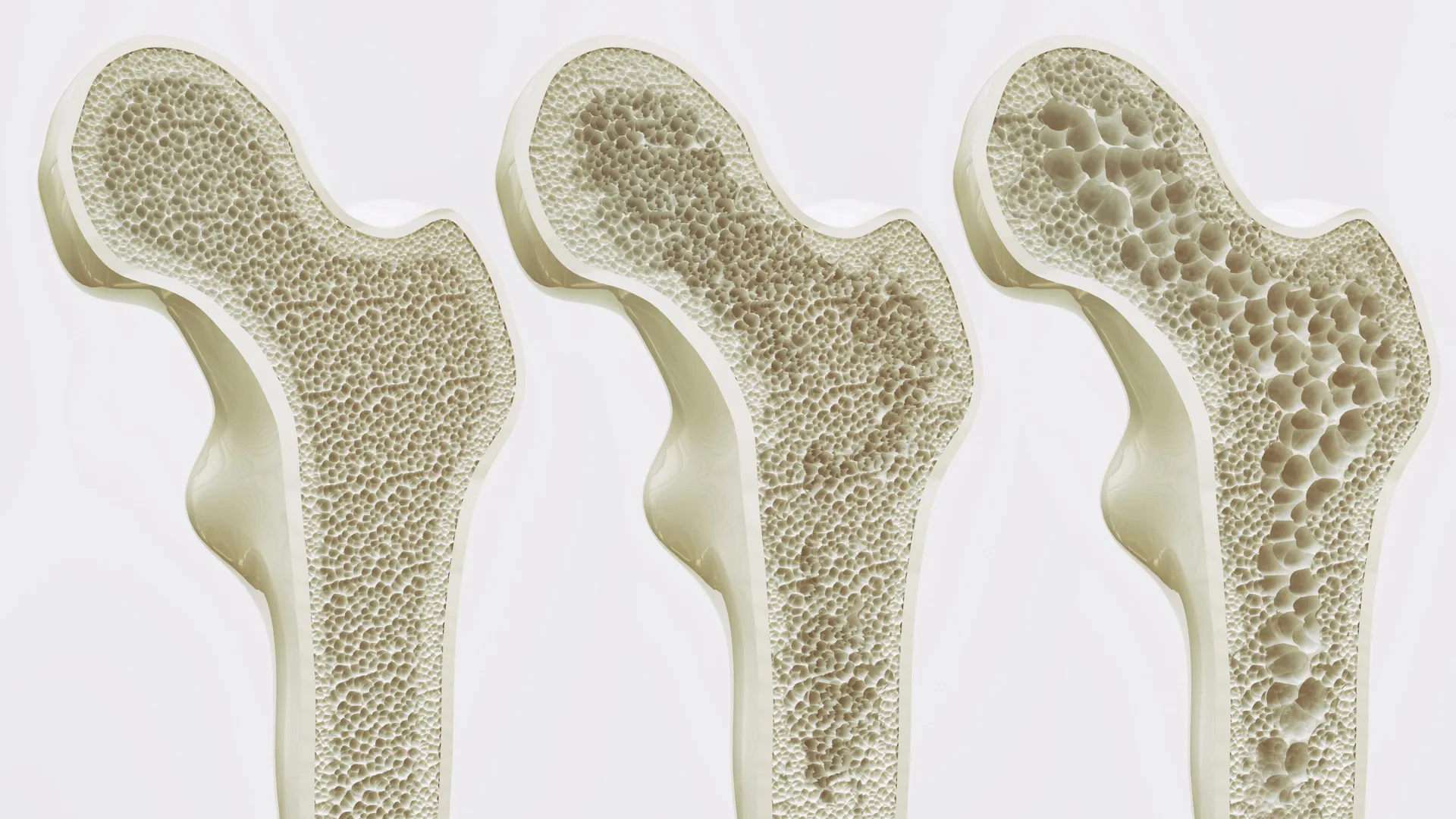
However, the persistence of these cells is a precursor to a devastating clinical outcome. Approximately 40% of patients with ER+ breast cancer eventually experience a recurrence. When these cells "reawaken," they do not return as the same manageable disease that was initially treated. Instead, they often manifest as aggressive bone metastases characterized by skeletal-related events (SREs), including pathological fractures, severe bone pain, and hypercalcemia—a condition where calcium levels in the blood become dangerously high due to bone degradation.
The study’s senior author, Gary Luker, M.D., who leads the Luker Lab at the University of Michigan’s Center for Molecular Imaging, emphasizes that the bone marrow microenvironment is not a neutral bystander. Rather, it is an active participant in the survival and evolution of the cancer. By investigating the specific interactions between cancer cells and the marrow’s native inhabitants, the researchers sought to uncover the tactical advantages the disease gains during its period of dormancy.
The Mechanism of Molecular Smuggling: CX43 Tunnels
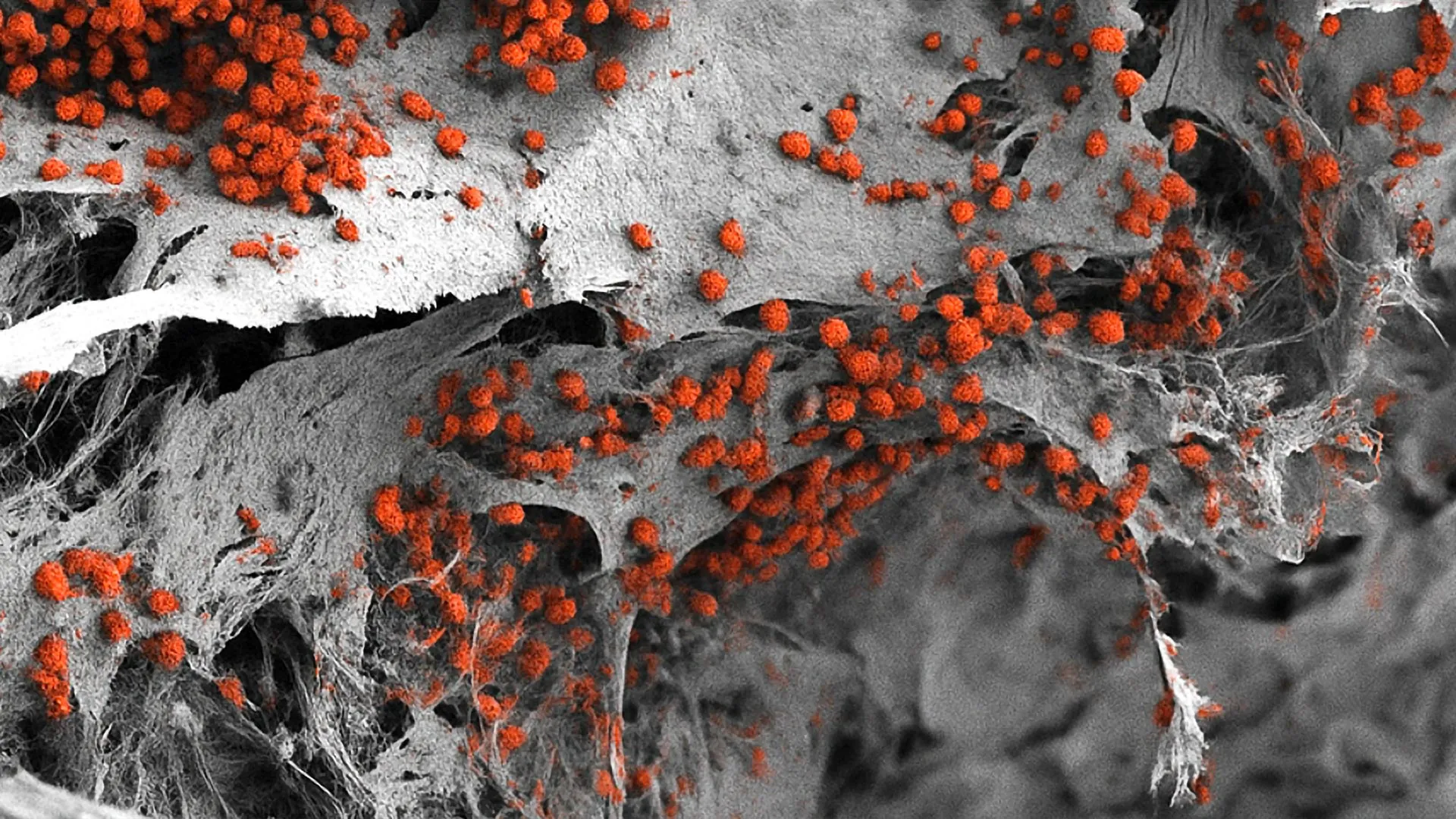
The core of the discovery lies in the relationship between breast cancer cells and mesenchymal stem cells (MSCs), a type of multipotent stromal cell found in the bone marrow that typically aids in tissue repair and immune regulation. The researchers found that the cancer cells do not just live alongside these stem cells; they form physical connections with them.
These connections, identified as CX43-related tumor-stroma tunnels, function as microscopic conduits between the two cell types. Through these gap junction-mediated channels, the breast cancer cells are able to "borrow" or "smuggle" essential biological materials, including proteins and messenger RNA (mRNA), directly from the mesenchymal stem cells.
"The cancer cells physically borrow molecules directly from the mesenchymal stem cells," Dr. Luker explained. "Essentially, the mesenchymal stem cells act as very generous neighbors in donating things that make the cancer cells more aggressive and drug-resistant."
This process of molecular acquisition induces a profound change in the cancer cells’ phenotype. In laboratory settings, the team observed that contact with MSCs triggered changes in hundreds of different proteins within the cancer cells. This transformation shifts the cells from a state of vulnerability to one of heightened resilience, enabling them to withstand the very drugs designed to kill them.
The Role of GIV/Girdin in Therapy Resistance
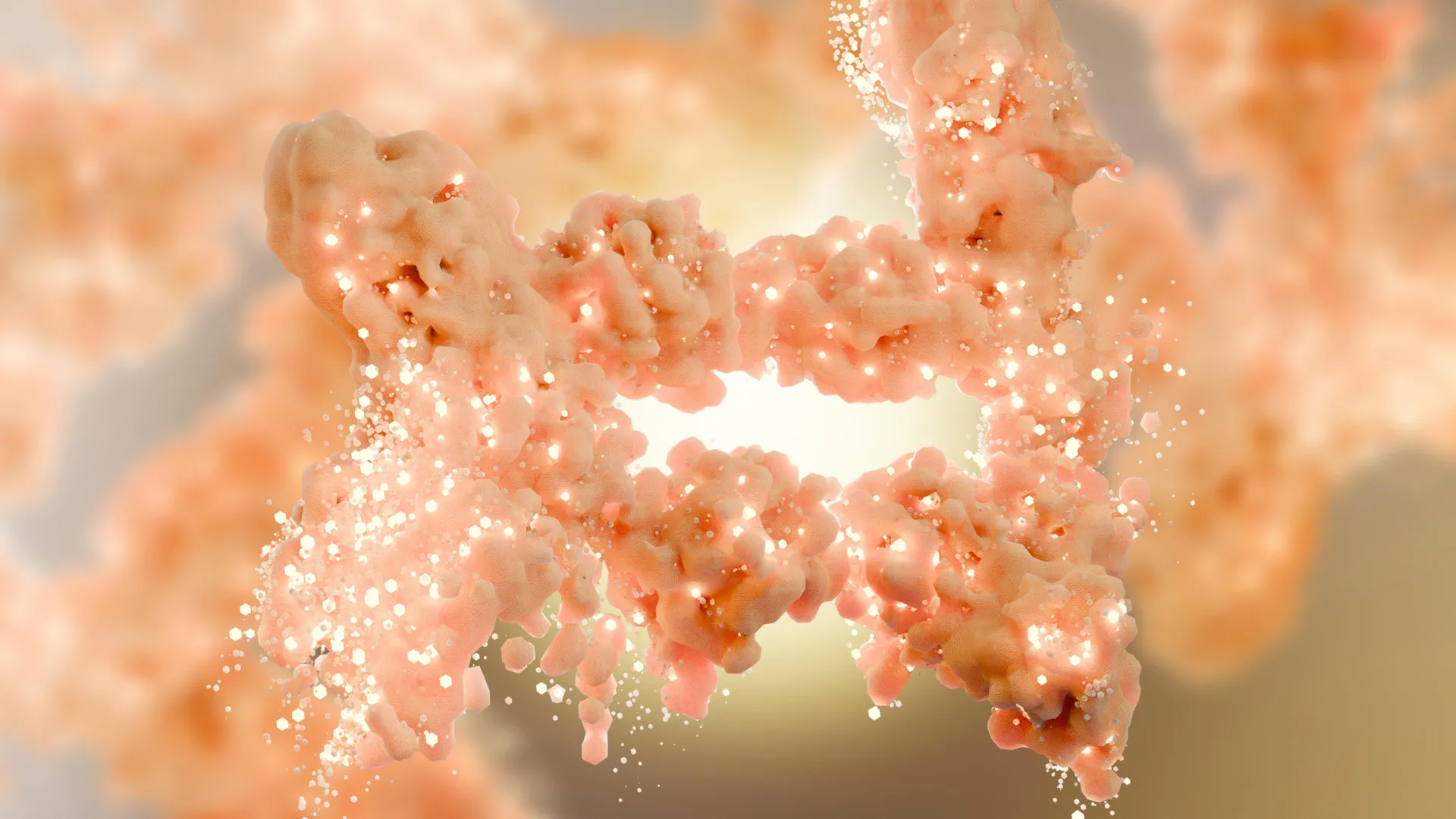
A significant portion of the study was dedicated to identifying which specific proteins smuggled through these tunnels were responsible for the cancer’s newfound aggression. Through detailed proteomic analysis, the researchers identified GIV (Girdin) as a primary driver of the aggressive phenotype.
GIV is a protein known to play a role in cell migration and signaling. In the context of the bone marrow environment, the acquisition of GIV through the CX43 tunnels allows breast cancer cells to develop several dangerous traits:
- Invasiveness: The cells become more capable of invading surrounding tissues.
- Chemoresistance: The cells gain the ability to survive exposure to standard chemotherapy agents.
- Metastatic Potential: The cells become primed to spread from the bone to other vital organs, such as the lungs, liver, or brain.
Crucially, the study found that GIV specifically renders these cancer cells resistant to estrogen-targeted therapies, most notably Tamoxifen. Tamoxifen is a cornerstone of ER+ breast cancer treatment, designed to block estrogen receptors and prevent the growth of cancer cells that rely on the hormone. However, when cancer cells acquire GIV through their interactions with bone marrow stem cells, the drug’s effectiveness is neutralized, allowing the "sleeper cells" to survive and eventually trigger a relapse.
Chronology of Discovery and Research Context
The research represents the culmination of years of investigation into the "seed and soil" hypothesis of metastasis, first proposed by Stephen Paget in 1889. While Paget suggested that certain "seeds" (cancer cells) could only grow in the right "soil" (specific organs), modern science is only now beginning to understand the molecular mechanics of how the "soil" of the bone marrow actually changes the "seed."
- Phase 1: Observation. Researchers initially noted the high rate of bone marrow involvement in ER+ breast cancer patients, even in early stages of the disease.
- Phase 2: Identification of Dormancy. Studies over the last decade identified that these cells enter a state of quiescence (G0 phase of the cell cycle), making them resistant to drugs that target rapidly dividing cells.
- Phase 3: The Discovery of Cellular Tunnels. The Michigan and UCSD team moved beyond observing dormancy to examine the physical interactions between cells, leading to the identification of the CX43 tunnels.
- Phase 4: Proteomic Analysis. By isolating the cells and analyzing the protein exchange, the team pinpointed GIV as the catalyst for aggression and resistance.
This timeline reflects a shift in oncology from looking at cancer as an isolated group of mutating cells to viewing it as a complex ecosystem where the surrounding "normal" cells can be co-opted into supporting the malignancy.
Implications for Future Treatment and Prevention
The identification of CX43-related tunnels and the role of the GIV protein offers a tangible target for future drug development. Currently, once ER+ breast cancer spreads to the bone and becomes resistant to hormone therapy, the disease is considered incurable, and treatment shifts toward palliative care to manage symptoms and extend life.
"Since these cancer cells ‘borrow’ essential proteins from stem cells in the bone marrow through cellular tunnels—much like smuggling—approaches for targeting the tunnels or proteins they smuggle could help prevent the relapse and metastasis of estrogen receptor-positive breast cancer," said Pradipta Ghosh, M.D., a professor at the UC San Diego School of Medicine and a co-author of the study.
Potential therapeutic strategies emerging from this research include:
- Gap Junction Inhibitors: Developing drugs that can specifically block the CX43 tunnels without disrupting essential communication between healthy cells.
- GIV-Targeted Therapies: Creating small molecules or inhibitors that neutralize the GIV protein, thereby restoring the cancer cells’ sensitivity to Tamoxifen and other endocrine therapies.
- Early Intervention: Screening bone marrow for the presence of these "smuggling" markers during the initial years of remission to identify patients at high risk of recurrence before the disease becomes symptomatic.
Clinical Reactions and the Path Forward
The medical community has reacted to these findings with cautious optimism. While the research was largely conducted in laboratory models and requires clinical validation in human trials, the clarity of the mechanism provides a "roadmap" that was previously missing.
Oncologists note that the 40% recurrence rate in ER+ patients is a significant burden on the healthcare system and a source of profound "scanxiety" for survivors. If a treatment could be developed to "lock" the cancer cells in a dormant state or prevent them from acquiring the tools for aggression, it would transform ER+ breast cancer from a potentially terminal threat into a manageable chronic condition.
The collaborative effort between the University of Michigan and UC San Diego underscores the importance of interdisciplinary research, combining expertise in molecular imaging, cellular medicine, and oncology. As the researchers move toward the next phase of their work, the focus will likely shift to high-throughput screening of compounds that can disrupt these cellular tunnels, bringing the hope of a relapse-free future closer to reality for millions of breast cancer survivors worldwide.
In the broader context of cancer research, this study also serves as a warning that successful initial treatment is not the end of the battle. The "sleeper cells" in the bone marrow are a reminder of the disease’s adaptability. By exposing the secret pathways of these cells, science is finally beginning to close the loopholes that allow cancer to return.