The pharmaceutical industry, perpetually navigating a landscape of escalating costs and protracted timelines, faces a critical juncture where innovation is not merely desirable but essential for survival. Bringing a new drug from initial discovery to market approval typically consumes a staggering 10 to 15 years, or even longer, a journey fraught with immense financial commitment, often ranging from hundreds of millions to multiple billions of dollars. This economic burden is compounded by a phenomenon dubbed "Eroom’s Law" (Moore’s Law spelled backward), which starkly illustrates that the inflation-adjusted cost of drug development has roughly doubled every nine years, creating an unsustainable trajectory for pharmaceutical innovation. At the heart of this formidable challenge lies a pervasive issue: a high clinical failure rate, with a significant portion attributable to a lack of efficacy, underscoring the profound disconnect between preclinical predictions and real-world biological outcomes.
The Drug Discovery Conundrum: A Crisis of Efficacy and Cost
The current paradigm of drug discovery is undeniably in crisis. Despite monumental investments in research and development, the success rate for new therapeutic candidates remains stubbornly low. An extensive analysis of clinical trial data conducted between 2010 and 2017 revealed a sobering statistic: between 40% and 50% of all drugs that fail in clinical trials do so due to a lack of efficacy. This figure is particularly alarming as it highlights the inherent limitations of conventional preclinical assays, which often fail to accurately reflect a drug’s complex biological interactions within a living system. These preclinical models, while foundational, frequently oversimplify the intricate biology of disease, leading to a high attrition rate as compounds progress through human trials. The cumulative effect of these failures is not only a tremendous waste of capital and scientific effort but also a significant delay in delivering much-needed therapies to patients.
The advent of artificial intelligence (AI) in drug discovery was heralded with immense optimism and substantial investment, attracting approximately $19.9 billion in total capital across 612 venture rounds in 2024 and 2025 alone, according to DealForma’s sector review. Hopes were high that AI, with its capacity for rapid data processing and pattern recognition, could dramatically accelerate identification of promising candidates and improve success rates. However, despite this influx of capital and intellectual firepower, AI has yet to demonstrably move the needle on the stubborn 90% overall clinical failure rate. While AI has certainly optimized various stages, from target identification to compound synthesis, its impact on the fundamental efficacy problem in clinical trials remains limited and mixed, prompting a critical re-evaluation of current methodological approaches.
The Snapshot Assay Problem: A Fundamental Limitation
One of the principal culprits behind the high rate of clinical trial failures, particularly those related to efficacy, is the inherent structural limitations of conventional drug discovery assays. These methods typically reduce complex, evolving cellular behaviors into static, single-point measurements, effectively capturing a "snapshot" rather than a continuous narrative of biological response. Cells are often destroyed during processes like transcriptome profiling, making it impossible to track the dynamic gene expression patterns of an individual cell across multiple time points. This destructive, static approach fundamentally misrepresents the continuous, adaptive nature of cellular biology, where responses to therapeutic agents unfold over time, involving intricate cascades of molecular events.
This recognition of the "snapshot assay problem" has fueled a resurgence of interest in phenotypic drug discovery. Unlike target-based approaches that focus on modulating a single, pre-identified molecular target, phenotypic screening observes complex cellular behaviors in response to compounds. The rationale is that by allowing the biology to "tell its own story," researchers might uncover novel mechanisms or more effective compounds that would be missed by reductionist target-centric methods. However, phenotypic approaches are not without their own formidable challenges. These include difficulties in hit validation, the often-arduous process of target deconvolution (identifying the specific molecular targets responsible for the observed phenotype), and the broader challenge of translating complex phenotypic signals into clear, actionable mechanistic insights. This struggle to bridge the gap between observed behavior and underlying molecular pathways has limited the widespread adoption and success of phenotypic screening despite its conceptual appeal.
Introducing Live Cell Dynamics: A Paradigm Shift
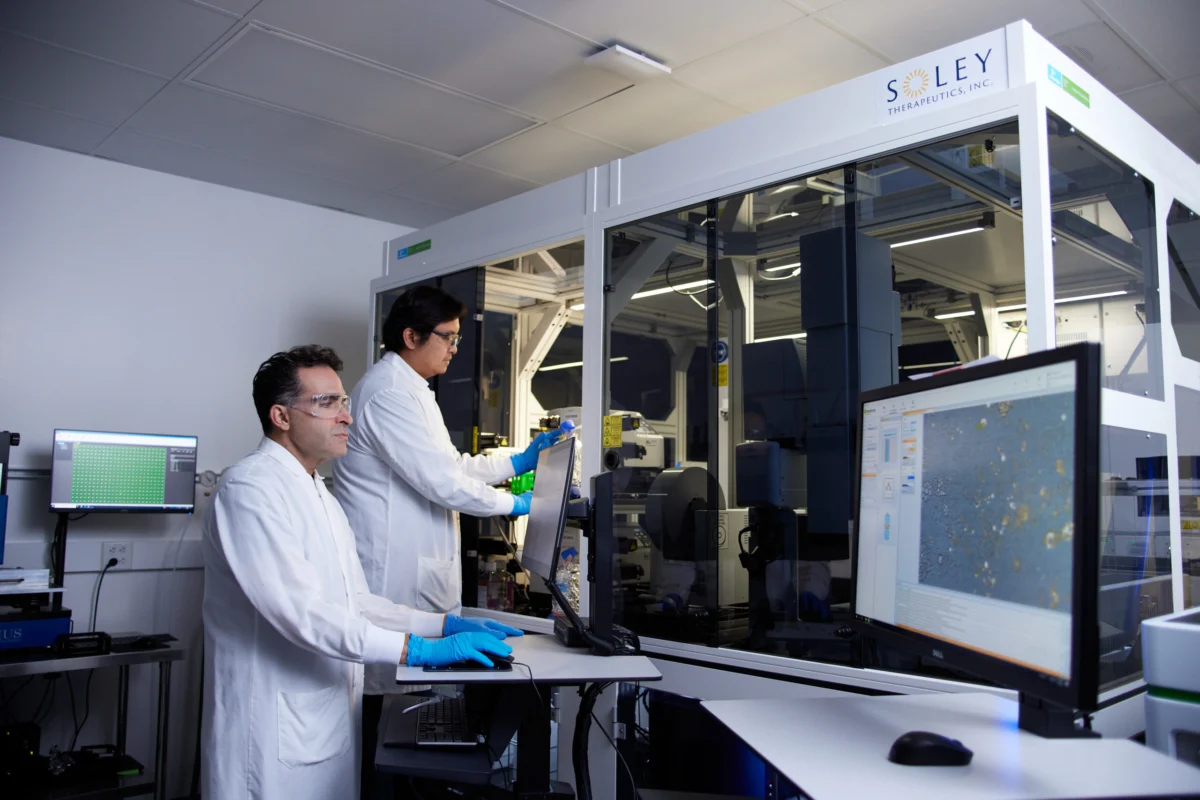
Against this backdrop of persistent challenges, a promising new methodology has emerged: Live Cell Dynamics (LCD). Developed by scientists at Soley Therapeutics, LCD represents a significant technological leap, offering a self-supervised machine learning pipeline designed to overcome the limitations of static assays and enhance the predictive power of preclinical drug discovery. The methodology, detailed in a January 2026 Scientific Reports paper, is particularly innovative in its ability to extract dose- and time-dependent cellular state information from continuous brightfield images without the need for intrusive stains or labels. This non-invasive, dynamic imaging approach allows for the observation of cells as they respond to compounds in real-time, providing an unprecedented window into the intricacies of drug-cell interactions.
Kurosh Ameri, co-founder and CSO of Soley Therapeutics, elucidated the core philosophy behind LCD: "By treating cellular response as time-resolved information rather than a static snapshot, LCD enables mechanism classification, compound comparison, and detection of complex biology through measurable trajectories." This fundamental shift from static observation to dynamic tracking is critical. Ameri further emphasized, "This provides early forward-looking biological signal rather than a late binary readout, shifting drug discovery from observing damage to forecasting a drug’s direction and future impact." This proactive, predictive capability is what sets LCD apart, aiming to provide insights long before overt cellular damage or phenotypic changes become apparent, thereby allowing for earlier intervention and more informed decision-making in the drug development pipeline.
Soley Therapeutics’ Breakthrough: Early Results and Validation
The Scientific Reports study detailed the robust initial validation of the LCD pipeline. Researchers pre-trained the model on a library of 189 compounds and subsequently evaluated its performance on an additional 81 held-out compounds, encompassing 10 distinct mechanisms of action. A crucial aspect of the study was its use of a single, well-characterized human osteosarcoma cell line (U2OS), allowing for controlled conditions to assess the core capabilities of the technology.
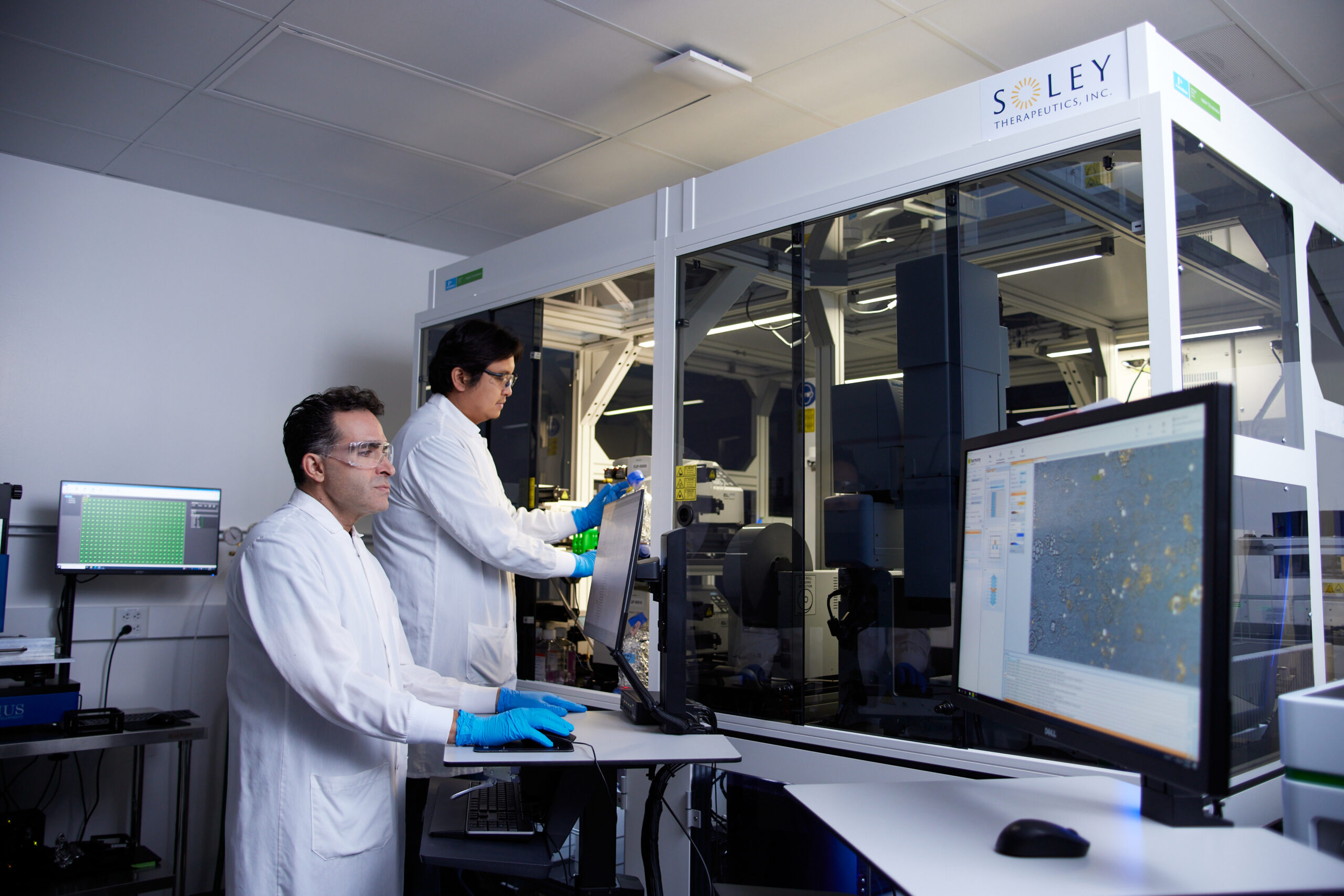
The results were compelling: LCD demonstrably outperformed traditional methods, such as cell count and CellProfiler-based feature extraction, in detecting phenotypic activity across all tested doses and time points. The advantages were particularly pronounced at early time points and low doses, precisely where subtle, nascent biological signals are most challenging to discern using conventional methods. Ameri noted, "Learned representations from LCD preserved signal in those early regimes and performed strongly across dose and time, while the CellProfiler baseline tended to be comparable only later, or lower at early time points." This early detection capability is paramount, as it offers the potential to identify promising drug candidates much earlier in the discovery process, reducing the time and resources invested in compounds destined for failure. Furthermore, the study showed that incorporating multiple doses and time points incrementally improved mechanism-of-action classification, effectively disentangling mechanisms that might appear similar or converge at later stages of cellular response. This fine-grained resolution is invaluable for understanding the precise biological pathways modulated by a drug candidate.
Overcoming Technical Hurdles: The Ingenuity Behind LCD
One of the most remarkable aspects of LCD is its ability to extract meaningful biological data from brightfield images, a modality traditionally considered challenging for high-throughput analysis. Brightfield imaging, while non-invasive and label-free, presents significant technical hurdles. As Ameri explained, "Brightfield is difficult because the signal is subtle, not evident to the naked eye, contrast is low, and small changes in optics, focus, plate position, or day-to-day setup can create batch effects that swamp biology." These technical variabilities can easily obscure genuine biological signals, making robust, reproducible analysis a formidable task.
To circumvent these inherent difficulties, the Soley Therapeutics team introduced two key training innovations within their machine learning pipeline. The first is "plane-agnostic augmentation," a technique that teaches the model to recognize true biological features regardless of slight variations in the focal plane during imaging. This ensures that the model focuses on the cellular response itself rather than artifacts introduced by minor optical shifts. The second innovation is "cross-batch sampling," which forces the model to learn features that remain stable across different experimental runs. By explicitly training the model to disregard day-to-day setup variations, cross-batch sampling effectively separates genuine biological signals from technical noise, ensuring the robustness and reproducibility of the results. These innovations are critical enablers for LCD’s success, transforming a challenging imaging modality into a powerful tool for dynamic cellular analysis.
Beyond general efficacy, LCD also demonstrated a remarkable capability in identifying polypharmacology – the phenomenon where many drugs affect multiple biological targets simultaneously. While common and often therapeutically beneficial, polypharmacology is notoriously difficult to detect conventionally, typically requiring extensive and costly assay panels. Using only brightfield imaging, the LCD model flagged both Aurora kinase and JAK inhibitor activity, findings consistent with prior studies that had necessitated extensive kinome profiling to reach the same conclusions. This ability to identify complex, multi-target interactions from simple brightfield images represents a significant advancement, potentially streamlining the characterization of drug candidates and reducing the need for costly, specialized assays.
Ameri summarized the profound implications of these findings: "LCD can represent compound behavior as a profile across dose and time, not a single label. Those profiles contain enough structure to separate closely related mechanisms and expose mixed activity, which is exactly the kind of complexity that shows up in development." This nuanced, multi-dimensional representation of drug action is precisely what is needed to navigate the intricate biological landscape of disease and predict a compound’s behavior more accurately in a clinical setting.
Implications for Drug Development: A Glimpse into the Future
The implications of Live Cell Dynamics, if successfully scaled and validated, are profound for the entire pharmaceutical ecosystem. By offering earlier, more accurate biological signals, LCD could significantly accelerate the lead optimization phase, allowing researchers to identify and prioritize the most promising drug candidates sooner. This would not only shorten development timelines but also reduce the substantial financial outlay associated with advancing compounds that ultimately prove ineffective. The ability to detect subtle, dynamic cellular responses and identify polypharmacology without expensive labels or destructive assays could fundamentally alter how compounds are screened and characterized, making the process more efficient and cost-effective.
For therapeutic areas plagued by high failure rates, such as oncology or neurodegenerative diseases, LCD offers a glimmer of hope. By providing a more comprehensive understanding of a drug’s mechanism of action and potential off-target effects at an earlier stage, it could help select better candidates for clinical trials, thereby improving the overall success rate. This shift from a reactive "observing damage" model to a proactive "forecasting impact" model has the potential to save billions of dollars annually and bring life-saving medications to patients faster. Industry experts, while cautiously optimistic given past challenges with novel technologies, recognize the urgent need for tools that can address the efficacy problem head-on. The pharmaceutical sector is hungry for innovations that can genuinely improve the predictability of preclinical models, and LCD appears to be a significant step in that direction.
The Road Ahead: Validation and Expansion
Despite the groundbreaking initial results, the scientific community maintains a balanced perspective, acknowledging the need for further validation. The Scientific Reports study, while robust in its design, utilized a single, well-characterized cancer cell line (U2OS) under tightly controlled laboratory conditions. This means that LCD’s performance in more complex, biologically relevant systems—such as primary cells, patient-derived organoids, or heterogeneous disease models—remains to be fully elucidated. The central question that the work leaves open is whether the significant performance advantages observed in a controlled compound library will translate effectively across the "messier," more varied biology inherent in human disease.
Soley Therapeutics is keenly aware of these critical next steps. According to the company, the immediate priority is to expand LCD’s application to additional cell types, including primary cells and disease-relevant models, and to broaden its coverage of different mechanisms of action. Furthermore, the technology needs to be integrated into prospective use within active drug programs, moving beyond retrospective analysis to actively guide ongoing discovery efforts. Until LCD is rigorously validated in settings that more closely mimic human disease, claims about its ultimate clinical impact, while promising, must be evaluated with a degree of scientific circumspection. The journey from a compelling laboratory innovation to a transformative tool in clinical drug development is often long and arduous, but Live Cell Dynamics has undeniably laid a strong foundation for a more intelligent, dynamic, and ultimately more successful approach to drug discovery.