In a discovery that is poised to fundamentally alter our understanding of life’s most basic building blocks, researchers at the University of California, Berkeley, have identified a microorganism that demonstrates an unprecedented flexibility in interpreting its own genetic instructions. This groundbreaking finding challenges a cornerstone of modern biology: the seemingly immutable rule that each three-letter genetic codon translates into a single, specific meaning. The organism, a methane-producing archaeon, has been found to exhibit ambiguity in its genetic code, utilizing a single stop codon to signal both the termination of protein synthesis and the incorporation of a rare amino acid. This revelation, published in the prestigious journal Proceedings of the National Academy of Sciences, suggests that biological systems may possess a greater capacity for nuanced regulation and adaptation than previously believed.
The Unwavering Precision of the Genetic Code: A Historical Perspective
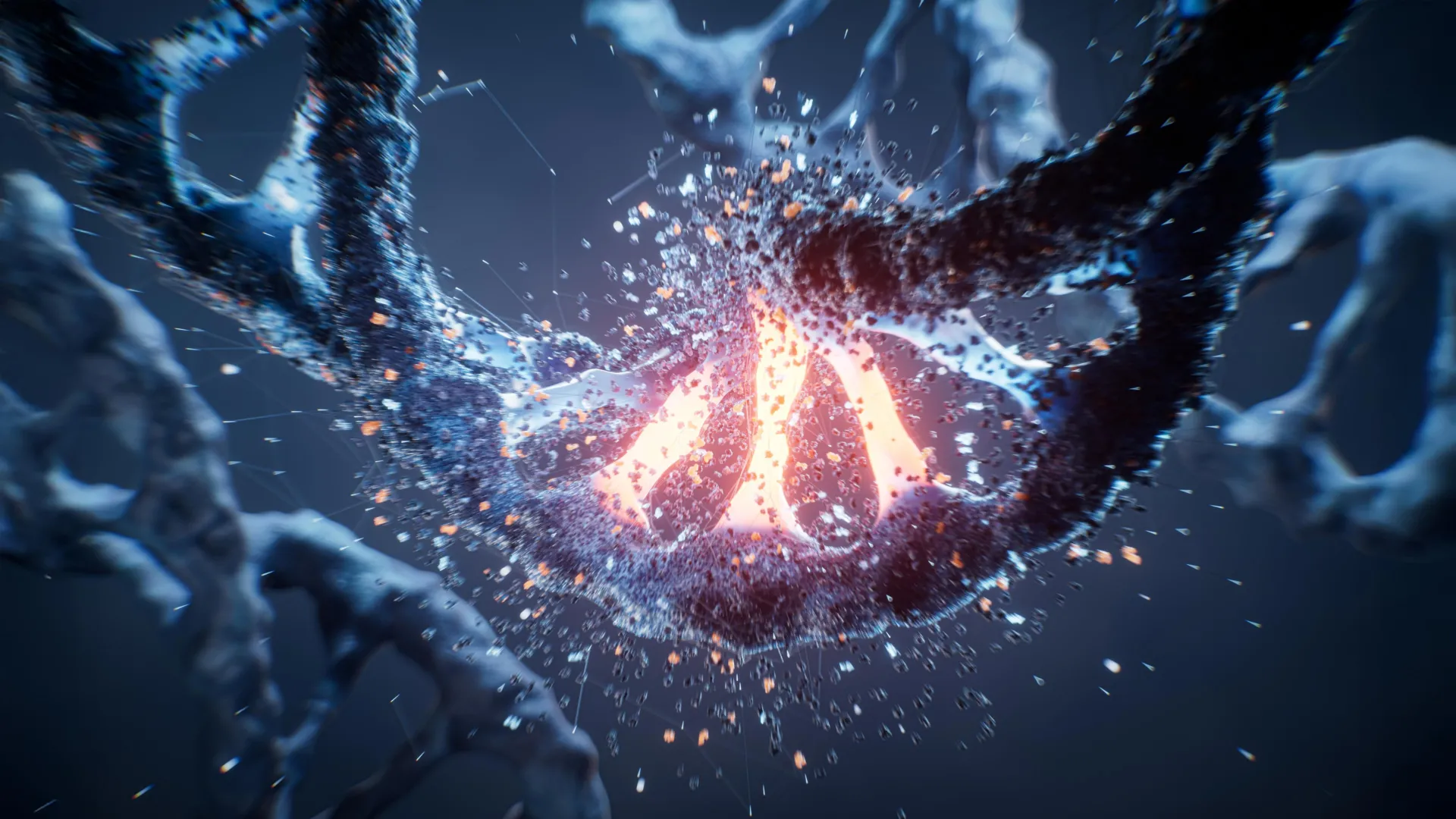
For decades, the central dogma of molecular biology has been built upon the elegant precision of the genetic code. Encoded within DNA, genetic information is transcribed into messenger RNA (mRNA), which is then read by cellular machinery – ribosomes – in sequential sets of three nucleotide bases, known as codons. Each of these codons typically corresponds to one of the 20 standard amino acids, the fundamental units that link together to form proteins. A small subset of codons, known as stop codons, act as punctuation marks, signaling the ribosome to cease protein synthesis, thereby completing the functional molecule. This one-to-one, or one-to-many (where multiple codons can specify the same amino acid), relationship has been considered a universal constant, a testament to the finely tuned and error-free nature of biological processes essential for life.
This established framework has been instrumental in fields ranging from medicine to biotechnology. The ability to predict protein sequences from genetic blueprints has underpinned advancements in gene therapy, drug discovery, and the understanding of genetic diseases. The assumption of strict codon fidelity has allowed scientists to confidently decipher genomes and engineer biological systems with predictable outcomes.
A Microbe That Defies Convention: Methanosarcina acetivorans
The organism that has shattered this long-held assumption is Methanosarcina acetivorans, a member of the Archaea domain, a group of single-celled microorganisms distinct from bacteria and eukaryotes. These ancient life forms are known for their ability to thrive in extreme environments, and M. acetivorans is particularly notable for its role in the global carbon cycle, producing methane. The UC Berkeley team, led by Dipti Nayak, an assistant professor of molecular and cell biology, discovered that this microbe treats the codon UAG, conventionally recognized as a stop codon, in a dual manner. In some instances, UAG correctly signals the end of protein production. However, in other instances, the cellular machinery bypasses the stop signal and inserts a unique amino acid, pyrrolysine, before continuing protein elongation.
This dual interpretation means that a single genetic instruction can give rise to two distinct proteins: one truncated and one elongated. What is perhaps most remarkable is that M. acetivorans appears to function normally despite this inherent ambiguity, suggesting that this flexible coding is not a detrimental error but rather a functional adaptation.
The Evolution of Ambiguity: Pyrrolysine and Methylamine Metabolism
The scientists hypothesize that this unusual genetic flexibility may have evolved to facilitate the incorporation of pyrrolysine into specific enzymes. Pyrrolysine, discovered in 2002, is the 22nd amino acid found in nature and is known to enhance the biochemical capabilities of organisms. In the case of M. acetivorans, the researchers believe that the insertion of pyrrolysine, guided by the "ambiguous" UAG codon, is crucial for an enzyme that efficiently breaks down methylamine. Methylamine is a common compound found in various environments, including the human gut, and is a byproduct of certain dietary components.
"Objectively, ambiguity in the genetic code should be deleterious; you end up generating a random pool of proteins," explained Dr. Nayak. "But biological systems are more ambiguous than we give them credit to be, and that ambiguity is actually a feature – it’s not a bug." This statement underscores the paradigm shift this discovery represents, moving from a view of the genetic code as a rigid, error-prone system to one that can embrace controlled imprecision for enhanced functionality.
Implications for Human Health: The Methylamine Connection
The metabolic activity of archaea and certain bacteria that consume methylamines holds significant relevance for human health. Trimethylamine N-oxide (TMAO), a compound linked to an increased risk of cardiovascular disease, is produced in the liver from trimethylamine, a precursor derived from dietary components like red meat. Microorganisms that efficiently metabolize methylamines in the gut can limit the conversion of these precursors into TMAO, thereby potentially mitigating cardiovascular risks. The ability of M. acetivorans to precisely regulate the production of enzymes involved in methylamine breakdown through its flexible genetic code could therefore have indirect but important implications for human well-being.
A Timeline of Discovery: From Pyrrolysine Identification to Codon Ambiguity
The journey to this groundbreaking discovery began with the identification of pyrrolysine in 2002. Initially, scientists assumed that organisms capable of synthesizing pyrrolysine simply reassigned existing codons, such as UAG, to encode this new amino acid. This led to the understanding that some archaea utilized 21 amino acids instead of the standard 20, expanding their biochemical repertoire.
The current research, spearheaded by Dr. Nayak and former graduate student Katie Shalvarjian, delved deeper into the mechanisms by which archaea incorporate pyrrolysine. Their extensive survey of archaeal lineages revealed that the machinery for pyrrolysine synthesis is widespread, particularly among methanogenic archaea that consume methylated amines. This broad distribution hinted at a more complex regulatory system than simple codon reassignment.
During her doctoral research, Shalvarjian focused on understanding how M. acetivorans controlled pyrrolysine production. It was during this investigation that she observed the unexpected behavior of the UAG codon. Instead of a consistent reassignment, she documented instances where UAG acted as a stop signal and others where it directed the insertion of pyrrolysine. This pivotal observation, made over the past few years, marked the beginning of a detailed investigation into the "ambiguous" nature of this genetic instruction.
The Mechanism of Ambiguity: A "Flip-Flopping" Decision
The UC Berkeley team’s investigation into the precise triggers for UAG’s dual interpretation proved challenging. They found no clear sequence or structural signals within the mRNA that definitively dictated whether UAG would function as a stop or encode pyrrolysine. This lack of deterministic control led to the conclusion that the organism doesn’t "decide" in a binary fashion.
"The methanogens have not recoded UAG, nor have they added any new factors to make it deterministic," Dr. Nayak stated. "They’re flip-flopping back and forth between whether they should call this a stop or whether they should keep going by adding this new amino acid. They cannot decide. They just do both and they seem to be fine by making this random choice."
This "random choice," however, appears to be influenced by the intracellular availability of pyrrolysine. Preliminary evidence suggests that when pyrrolysine is abundant, the UAG codon is more likely to be interpreted as a signal to incorporate the amino acid, leading to protein elongation. Conversely, when pyrrolysine levels are low, the same codon defaults to its role as a stop signal. Given that an estimated 200 to 300 genes in M. acetivorans contain the UAG codon, this means that a substantial portion of the organism’s proteome could exist in two different forms, with their relative abundance dictated by cellular conditions.
Revolutionary Medical Prospects: Addressing Genetic Disorders
The implications of this discovery extend far beyond basic biology, offering tantalizing possibilities for therapeutic interventions in human genetic diseases. A significant number of inherited disorders, accounting for approximately 10% of all genetic ailments, are caused by premature stop codons. These mutations lead to the production of truncated, non-functional proteins, resulting in debilitating conditions such as cystic fibrosis and Duchenne muscular dystrophy.
The finding that stop codons can be "leaky" – meaning they can sometimes be bypassed to allow for protein elongation – opens a new avenue for therapeutic strategies. Researchers can now explore ways to engineer these stop codons to become more permeable, allowing cells to produce a sufficient quantity of full-length, functional protein to alleviate disease symptoms. This represents a radical departure from current treatment paradigms, which often focus on managing symptoms rather than addressing the root genetic cause.
Broader Scientific Reactions and Future Directions
The scientific community has responded to this discovery with a mixture of awe and keen interest. Dr. Kevin Davies, editor of Bio-IT World and author of "The $1000 Genome," commented on the significance of the finding, stating, "This is a truly remarkable discovery that pushes the boundaries of our understanding of fundamental biological processes. It highlights how much we still have to learn about the complexity and adaptability of life at the molecular level."
The research was supported by a consortium of prestigious grants, including the Searle Scholars Program, a Rose Hills Innovator Grant, a Beckman Young Investigator Award, an Alfred P. Sloan Research Fellowship, a Simons Foundation Early Career Investigator in Marine Microbial Ecology and Evolution Award, and a Packard Fellowship in Science and Engineering. Dr. Nayak is also a Chan-Zuckerberg Biohub-San Francisco investigator, underscoring the caliber of the institution and the research. Additional co-authors on the paper include Grayson Chadwick and Paloma Pérez from UC Berkeley, and Philip Woods and Victoria Orphan from the California Institute of Technology, a testament to the collaborative nature of modern scientific endeavors.
The immediate future of this research will likely involve further investigations into the precise molecular mechanisms that govern the dual interpretation of UAG. Scientists will aim to identify any subtle regulatory factors or environmental cues that might influence the decision-making process within the cell. Furthermore, exploring whether this "leaky stop codon" phenomenon exists in other organisms, or if it can be engineered into different genetic systems, will be a key area of focus. The potential to harness this newfound understanding for therapeutic applications, particularly in the realm of genetic disease, represents a long-term but profoundly impactful goal.
"This really opens the door to finding interesting ways to control how cells interpret stop codons," Dr. Nayak concluded, emphasizing the expansive possibilities that lie ahead. This discovery is not merely an academic curiosity; it is a potent reminder that even the most established scientific principles can be re-examined and rewritten by the relentless ingenuity of nature, and by the persistent curiosity of human inquiry. The genetic code, once thought to be a rigid blueprint, is now revealed to be a more fluid and dynamic language, capable of nuanced expression and sophisticated adaptation.