A New Era in Developmental Mapping
The creation of the human skeletal atlas is not an isolated achievement but is part of a massive coordinated release of over 40 HCA publications across various Nature Portfolio journals. This collection marks a "milestone leap" in the biological sciences, offering a comprehensive view of human development from the earliest embryonic stages to adulthood. The skeletal component of this project is particularly significant because the skeleton is not merely a structural support system; it is a dynamic organ involved in hematopoiesis (blood cell production), mineral storage, and endocrine signaling.
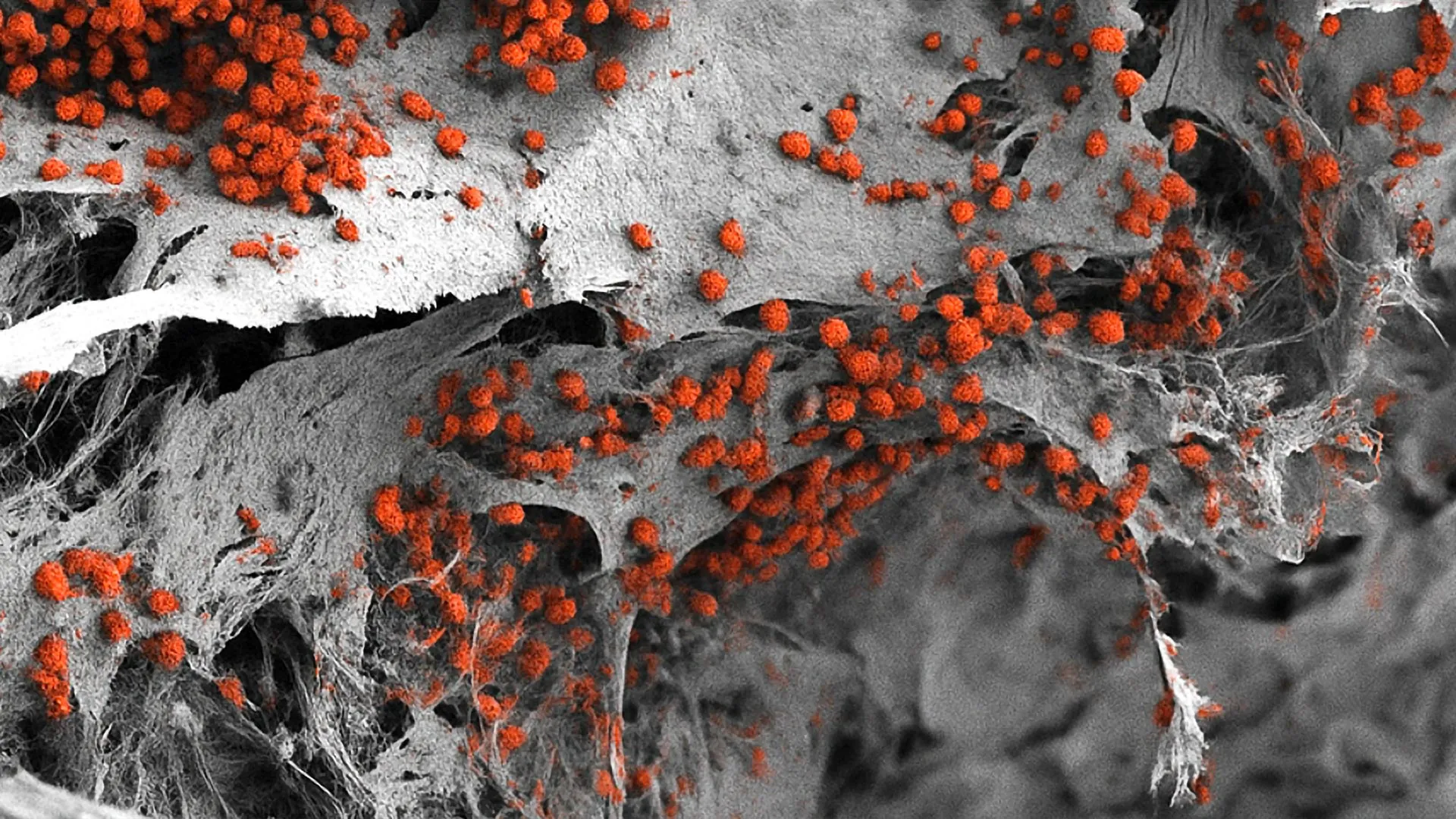
To construct this blueprint, the research team analyzed thousands of individual cells from developing limbs and the skull. Traditional methods of studying bone growth often relied on animal models, such as mice, which, while useful, do not perfectly replicate the complex temporal and spatial nuances of human development. By using human tissue and multi-omic techniques—which measure various aspects of a cell’s biology, such as gene expression and protein activity, simultaneously—the researchers have been able to document the transition from mesenchymal stem cells to specialized cartilage (chondrocytes) and bone cells (osteoblasts).
The Cartilage Scaffold and the Unique Growth of the Skull
One of the most striking findings of the study is the confirmation and detailed mapping of how most of the human skeleton forms via a process known as endochondral ossification. In this process, cartilage acts as a temporary scaffold, providing a template that is gradually replaced by hard bone tissue. The atlas tracks this progression across the limbs and torso, showing how cartilage cells mature, hypertrophy, and eventually pave the way for mineralized bone.
However, the researchers discovered a significant exception to this rule: the calvarium, or the upper part of the skull. Unlike the long bones of the arms and legs, the skull top undergoes intramembranous ossification, where bone forms directly from mesenchymal tissue without a cartilage intermediate. The team identified specific types of early bone cells unique to the calvarium that are responsible for this direct formation. This discovery is crucial for understanding how the skull expands to accommodate the rapidly growing brain during the first two years of life.
Insights into Craniosynostosis and Newborn Health
The study’s focus on the skull has immediate implications for neonatal medicine, particularly regarding craniosynostosis. This condition occurs when the "soft spots" or sutures between a baby’s skull bones fuse prematurely. In a healthy development cycle, these sutures remain flexible until the child is between one and two years old, allowing for brain expansion. When they fuse too early, the brain is physically restricted, which can lead to increased intracranial pressure, permanent brain damage, vision loss, and hearing impairment.
In the United Kingdom, craniosynostosis is typically managed through complex surgical procedures to reopen the sutures and reshape the skull. While genetic mutations have long been linked to the condition, scientists previously struggled to identify exactly which cells were being disrupted by these mutations. The new skeletal atlas provides the missing link, mapping the genetic variants associated with craniosynostosis onto specific early bone cell populations. By identifying these target cells, researchers can now look toward developing non-surgical diagnostics or even therapeutic interventions that could regulate the timing of skull fusion.
Decoding the Origins of Osteoarthritis
Beyond congenital conditions, the skeletal atlas sheds light on the most common joint disorder in the world: osteoarthritis (OA). Affecting millions of adults globally, osteoarthritis is characterized by the breakdown of articular cartilage, leading to pain, stiffness, and loss of mobility. Because adult cartilage has a very limited capacity for self-repair, many patients eventually require total joint replacements.
The Sanger Institute team cross-referenced their developmental data with genetic variants known to increase the risk of OA in adults. They found a fascinating divergence between hip and knee arthritis. Genetic markers linked to a high risk of hip OA were found to be active in the very early bone cells and their downstream regulators during fetal development. Conversely, variants associated with knee OA were more closely tied to the genes involved in cartilage formation and repair.
This suggests that the "seeds" of arthritis may be sown long before an individual reaches old age. Understanding that hip OA may be rooted in bone development while knee OA is more related to cartilage maintenance could revolutionize how these conditions are treated. Future therapies could potentially target these specific pathways to stimulate repair or prevent degradation before it becomes irreversible.
Pharmaceutical Safety and the Developing Skeleton
One of the most practical applications of the new atlas is its potential to improve drug safety during pregnancy. The researchers used the skeletal blueprint to evaluate the potential impact of 65 clinically approved medications that are currently not recommended for pregnant women. By mapping where the targets of these drugs are expressed in the developing skeleton, the team could visualize exactly how these therapeutics might disrupt bone or cartilage growth.
This "toxicity map" provides a powerful tool for pharmacologists and obstetricians. It allows for a more nuanced understanding of why certain drugs are dangerous and could help in the design of new medications that avoid these specific developmental pathways. Furthermore, it offers a framework for testing the safety of existing drugs that may have previously had unclear profiles regarding skeletal development.
Perspectives from the Research Leaders
The leaders of the study emphasize that this atlas is not just a collection of data, but a functional tool for the global scientific community. Dr. Ken To, co-first author from the Wellcome Sanger Institute, highlighted the therapeutic potential of the work: "Having this ‘blueprint’ of bone formation can help us develop effective ways to grow bone and cartilage cells in a dish, which has enormous therapeutic potential for regenerative medicine."
Dr. Jan Patrick Pett, also a co-first author, noted the importance of the technology used: "Our multi-layered, time- and space-resolved atlas enabled novel computational analyses, which we used to create an integrated view of how developmental processes are regulated. Having a clearer picture of what is happening as our skeleton forms could help unlock new treatments in the future."
Professor Sarah Teichmann, a pioneer of the Human Cell Atlas and senior author on the study, underscored the collaborative and open-source nature of the project. "Our unique freely available skeletal atlas sheds new light on cartilage, bone, and joint development in the first trimester. This detailed atlas is coordinated with other studies which brings the entire Human Cell Atlas initiative one step closer to fully understanding what happens in the human body across development, health, and disease."
Broader Implications and Future Directions
The release of the human skeletal atlas marks a shift toward "precision embryology." By understanding the exact molecular signature of every cell involved in building a human, medicine can move away from generalized treatments toward those that address the specific cellular origins of a disease.
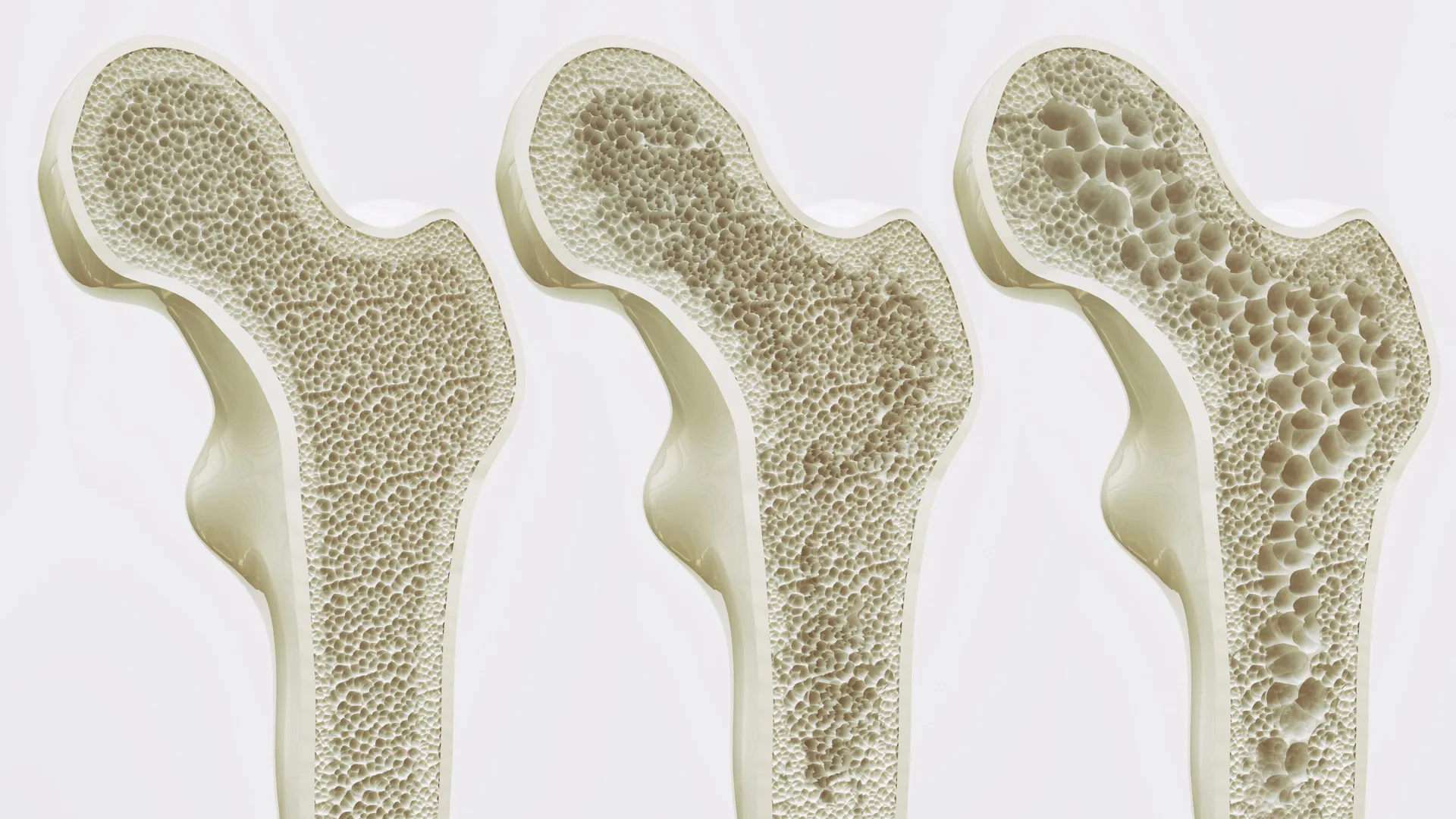
In the long term, the implications for regenerative medicine are profound. If scientists can replicate the conditions found in the first trimester—using the atlas as a guide—they may be able to bioengineer high-quality cartilage for joint repair or create bone grafts that perfectly mimic natural tissue. Additionally, the atlas will serve as a baseline for studying other skeletal pathologies, such as osteoporosis, bone cancers, and rare genetic growth disorders.
The atlas is now freely available to researchers worldwide through the Developmental Cell Atlas portal. As scientists continue to add data to this living resource, it will undoubtedly remain at the center of orthopedic and developmental research for decades to come. The ability to look back at the very beginning of human life to solve the medical challenges of both the young and the old marks a significant triumph for modern genomic science.