A multidisciplinary team of researchers from the University of Pennsylvania School of Engineering and Applied Science, the Perelman School of Medicine, and the Children’s Hospital of Philadelphia has announced the development of a sophisticated "bone marrow-on-a-chip" platform. This bioengineered device successfully replicates the complex environment of human bone marrow, providing a transformative tool for studying blood cell production, immune responses, and the adverse effects of medical treatments. The breakthrough, detailed in the journal Cell Stem Cell, represents a significant leap forward in the field of organ-on-a-chip technology, offering a viable alternative to animal models that frequently fail to capture the nuances of human physiology.
The bone marrow is an essential but often overlooked organ system. Tucked away within the cavities of our bones, it serves as the primary site for hematopoiesis—the continuous process of blood cell formation. Every day, the marrow produces billions of new cells, including red blood cells that transport oxygen and white blood cells that constitute the body’s frontline defense against infection. However, this vital factory is highly sensitive. For patients undergoing intensive cancer treatments like chemotherapy or radiation, the bone marrow is often collateral damage. This leads to a condition known as myelosuppression, where white blood cell counts drop to dangerously low levels, leaving patients susceptible to life-threatening infections.
The Biological Complexity of the Marrow Environment
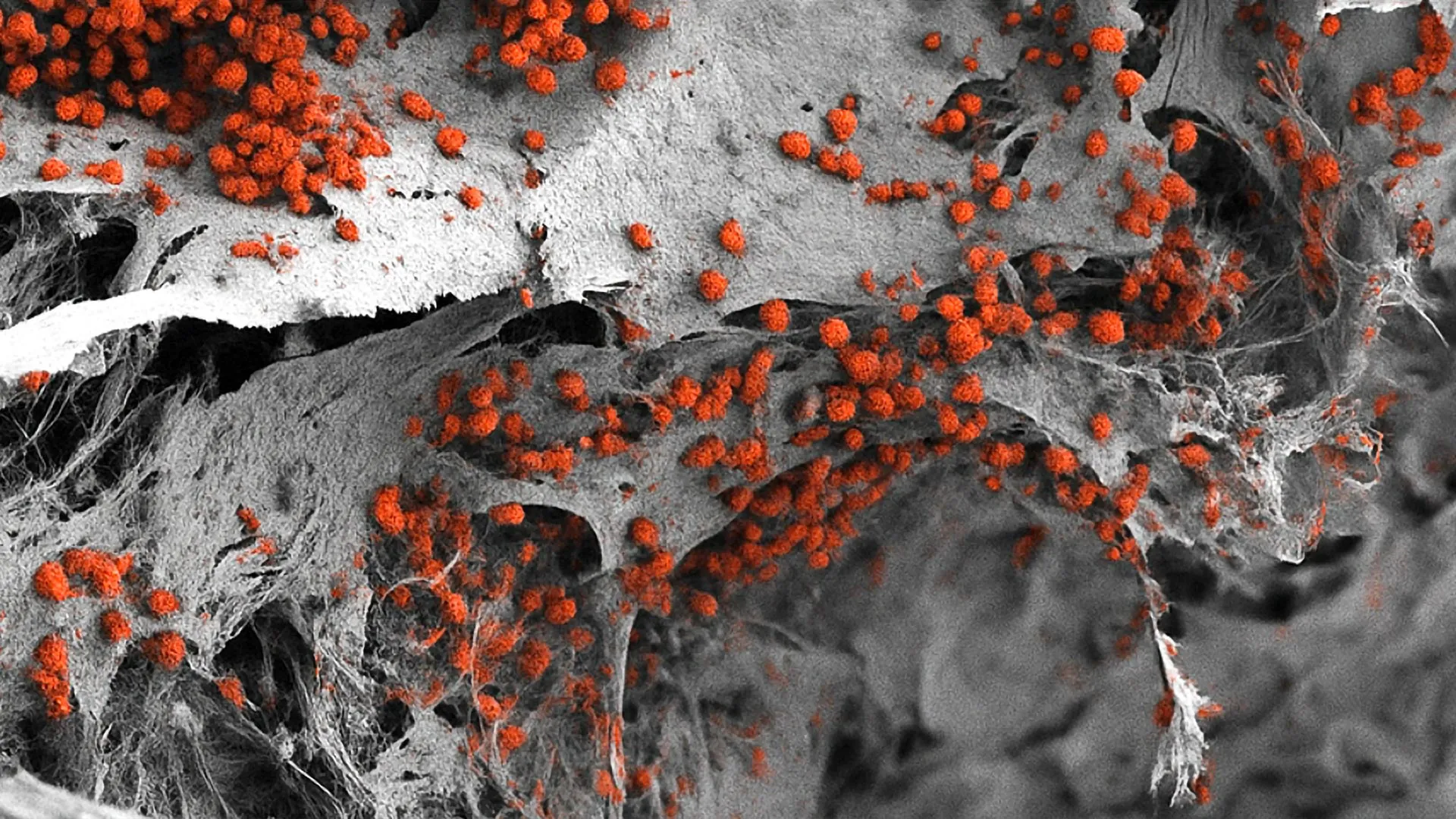
Replicating the bone marrow outside the human body has historically been a daunting challenge for scientists. The marrow is not merely a collection of cells; it is a highly structured microenvironment characterized by specific physical and chemical cues. It consists of hematopoietic stem cells (HSCs), which are the progenitors of all blood cells; endothelial cells, which form the intricate network of blood vessels; and mesenchymal cells, which provide the structural scaffolding and connective tissue.
Previous attempts to model this environment often resulted in disorganized cell cultures that failed to mimic the actual function of human marrow. The Penn and CHOP team realized that to succeed, they needed to look at how nature builds marrow in the first place. Instead of trying to force cells into a specific structure, they focused on the developmental processes of the human embryo. By providing the "right" environment—a combination of specific cell types and a supportive hydrogel—they allowed the cells to self-organize.
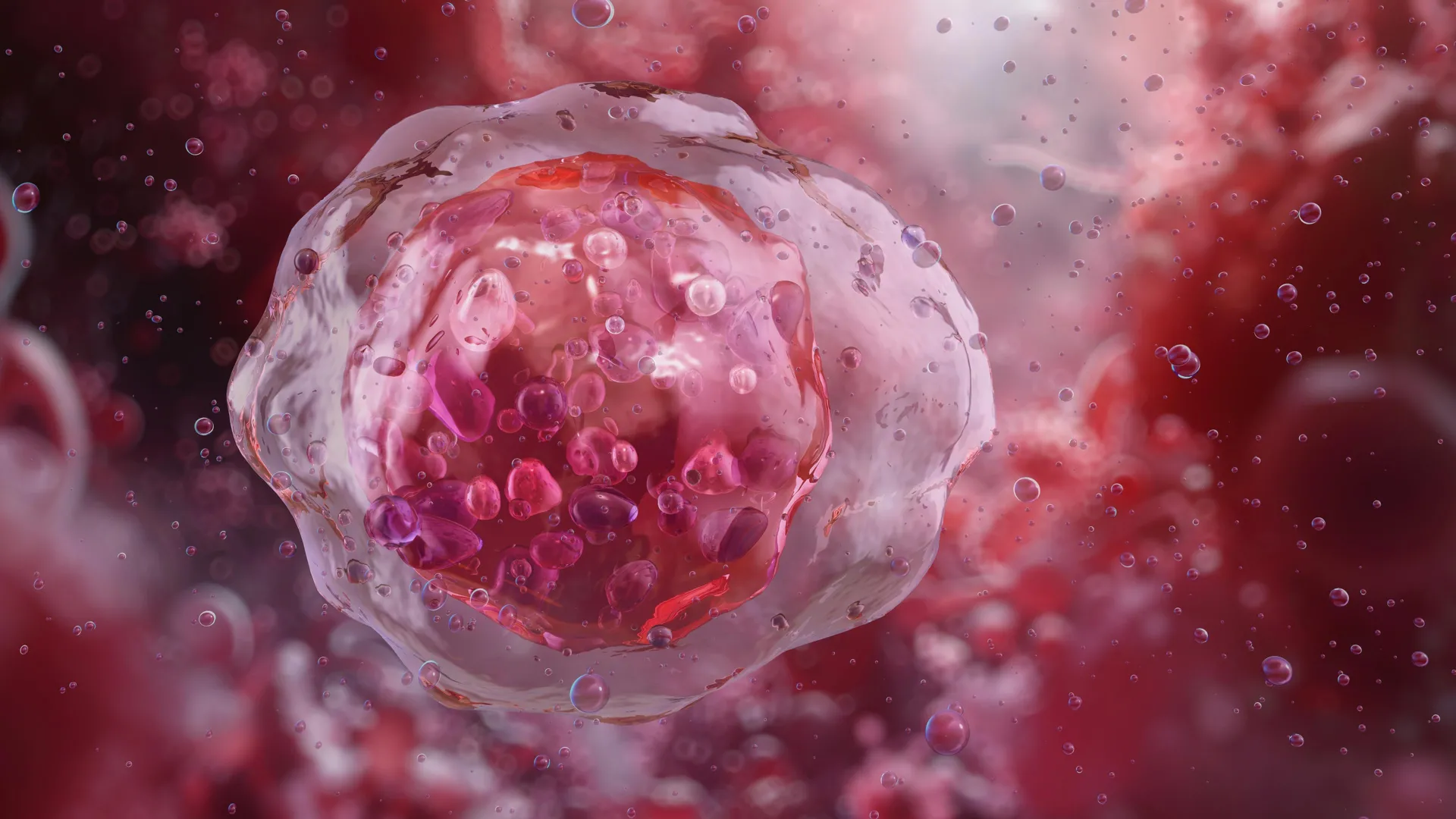
This biologically inspired approach led to the creation of a small plastic chip containing micro-chambers. Within these chambers, human blood stem cells and their supporting counterparts interact within a hydrogel that mimics the embryonic niche. The result is a living human marrow tissue capable of generating functional blood cells and releasing them into engineered capillary vessels, mirroring the way marrow operates within the human body.
A Decade of Research: From Earth to Orbit
The journey to create this platform began nearly ten years ago with an ambitious goal: studying the human immune system in the extreme environment of space. Dr. Dan Huh, a Professor in Bioengineering at Penn Engineering, and Dr. G. Scott Worthen, an attending physician at CHOP and Professor Emeritus at PSOM, proposed a project to send bone marrow models to the International Space Station (ISS).
The motivation was rooted in clinical observations of astronauts. "Based on accumulating evidence showing increased risk of infection in astronauts on prolonged missions, we wanted to study how weightlessness affects our immune system," Dr. Worthen explained. The researchers hypothesized that microgravity might disrupt the delicate balance of hematopoiesis, leading to a weakened immune response.
The project faced significant hurdles. A first attempt to send the models to the ISS ended in frustration when the flow controller of the "cubelab" system—designed to provide nutrients to the engineered tissue—short-circuited during the rocket’s ascent. A second planned launch was derailed by the global COVID-19 pandemic. Despite these setbacks, the team continued to refine the technology on Earth, eventually realizing that the platform they had built for space research had immense potential for terrestrial medicine.
Technical Innovations and Automation
One of the most significant aspects of the new study is the demonstration of large-scale production and automation. To be useful for drug development, a model must be reproducible and compatible with high-throughput screening. The researchers worked with Vivodyne, a startup co-founded by Dr. Huh and the paper’s lead author, Andrei Georgescu, to automate the culturing and monitoring of these chips.
"The design principle we demonstrate in this paper is unique," said Georgescu. "It relies on the ability of stem and progenitor cells to self-organize and self-assemble into complex tissues." By using automated systems, the team can produce these marrow-on-a-chip devices at scale, allowing pharmaceutical companies to test hundreds of drug compounds simultaneously to see how they affect human bone marrow.
This capability is particularly relevant for the development of anticancer drugs. Many promising treatments are abandoned late in clinical trials because they prove to be too toxic to the bone marrow. By using the marrow-on-a-chip platform in the preclinical phase, researchers can identify these toxicities much earlier, saving time and resources while potentially increasing the safety of new therapies.
Simulating Multi-Organ Crosstalk
The sophistication of the Penn-CHOP model extends beyond the marrow itself. In a groundbreaking experiment, the researchers connected the bone marrow-on-a-chip to another device representing a bacteria-infected lung. This allowed them to observe, for the first time in an artificial system, the complex biochemical "crosstalk" that occurs between organs during an infection.
When the lung model detected bacteria, it sent chemical signals to the bone marrow model. In response, the marrow-on-a-chip rapidly increased its production of white blood cells and released them into the engineered bloodstream. These cells then migrated to the site of the "infection" in the lung model to engulf the bacterial cells.
"We show for the first time the feasibility of creating interconnected organ-on-a-chip models to emulate the entire process of innate immune response," Dr. Huh stated. This ability to model systemic responses opens new doors for understanding how different parts of the body communicate to maintain health and fight disease.
Clinical Implications and Future Directions
Beyond drug testing and space research, the marrow-on-a-chip platform holds promise for the future of cell therapy. Hematopoietic stem cell transplantation is a cornerstone of treatment for many blood cancers and genetic disorders. However, isolating and maintaining these stem cells is a difficult and expensive process.
The study found that the marrow chip provides an environment that maintains HSCs for extended periods. This suggests that the platform could be used to study the specific biological signals required to expand a donor’s stem cell population in the lab before transplantation, potentially making these life-saving procedures more accessible and effective.
The implications for personalized medicine are also profound. In the future, a patient’s own cells could be used to create a personalized bone marrow-on-a-chip. Doctors could then test various chemotherapy regimens on the chip to see which one is most effective against the cancer while causing the least amount of damage to the patient’s marrow.
Supporting Data and Collaborative Framework
The success of this project was made possible by a vast network of institutional support and interdisciplinary expertise. The study involved contributors from the University of Pennsylvania, CHOP, and industry partners like GlaxoSmithKline. Funding was provided by the National Institutes of Health (NIH), the National Science Foundation (NSF), and the Paul G. Allen Foundation, among others.
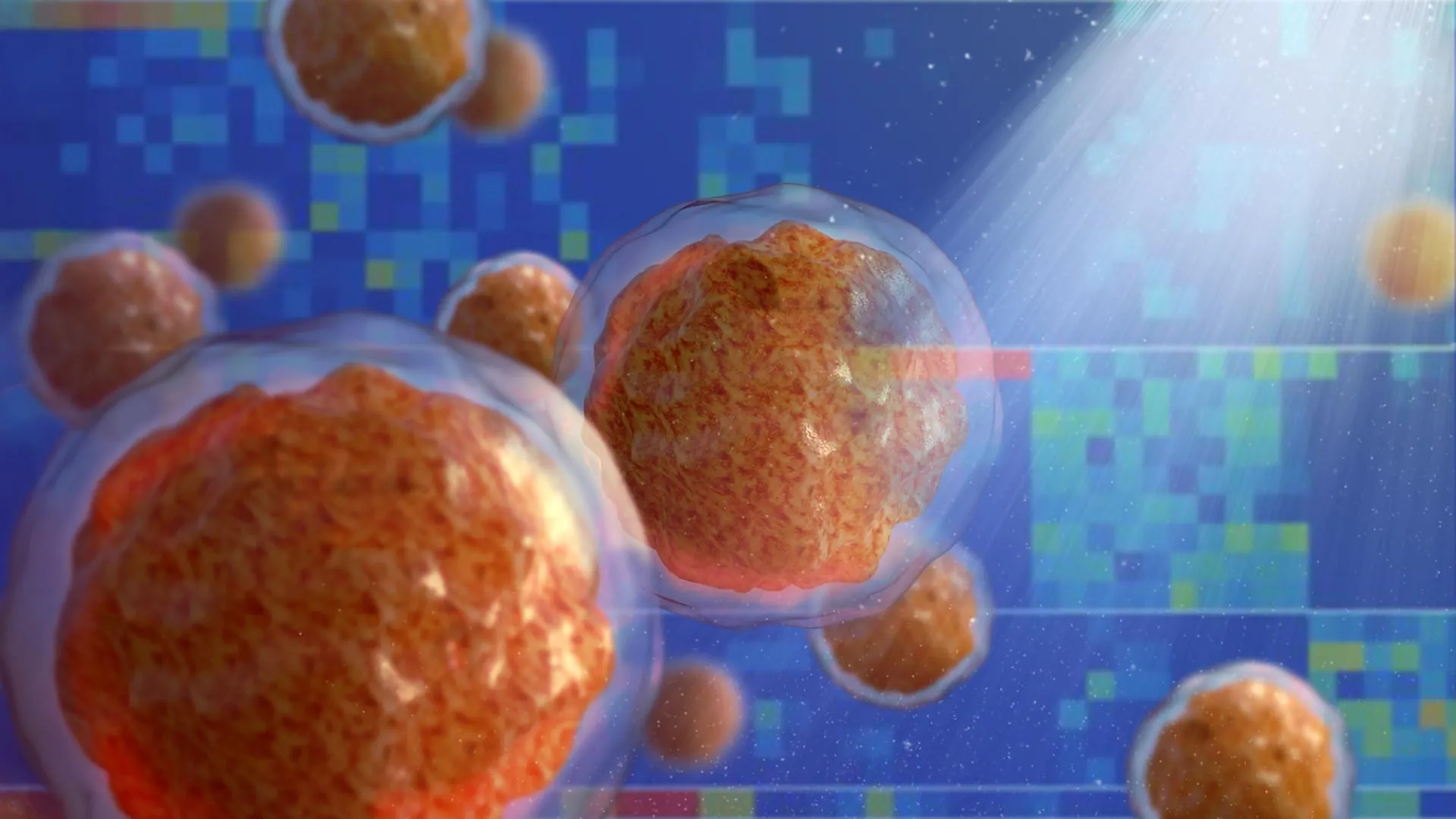
Data from the study indicates that the self-organized marrow tissue remains functional for weeks, a significant improvement over traditional 2D cultures. The researchers also confirmed that the cells within the chip express the same genetic markers as those found in native human bone marrow, validating the biological accuracy of the model.
As the field of bioengineering continues to evolve, the bone marrow-on-a-chip stands as a testament to the power of mimicking nature’s own processes. While the original goal of space exploration remains an interest, the immediate impact of this technology will likely be felt in laboratories and clinics across the globe. By providing a window into the "inner workings" of our bones, this platform is set to redefine how we develop drugs, treat cancer, and understand the resilience of the human immune system.