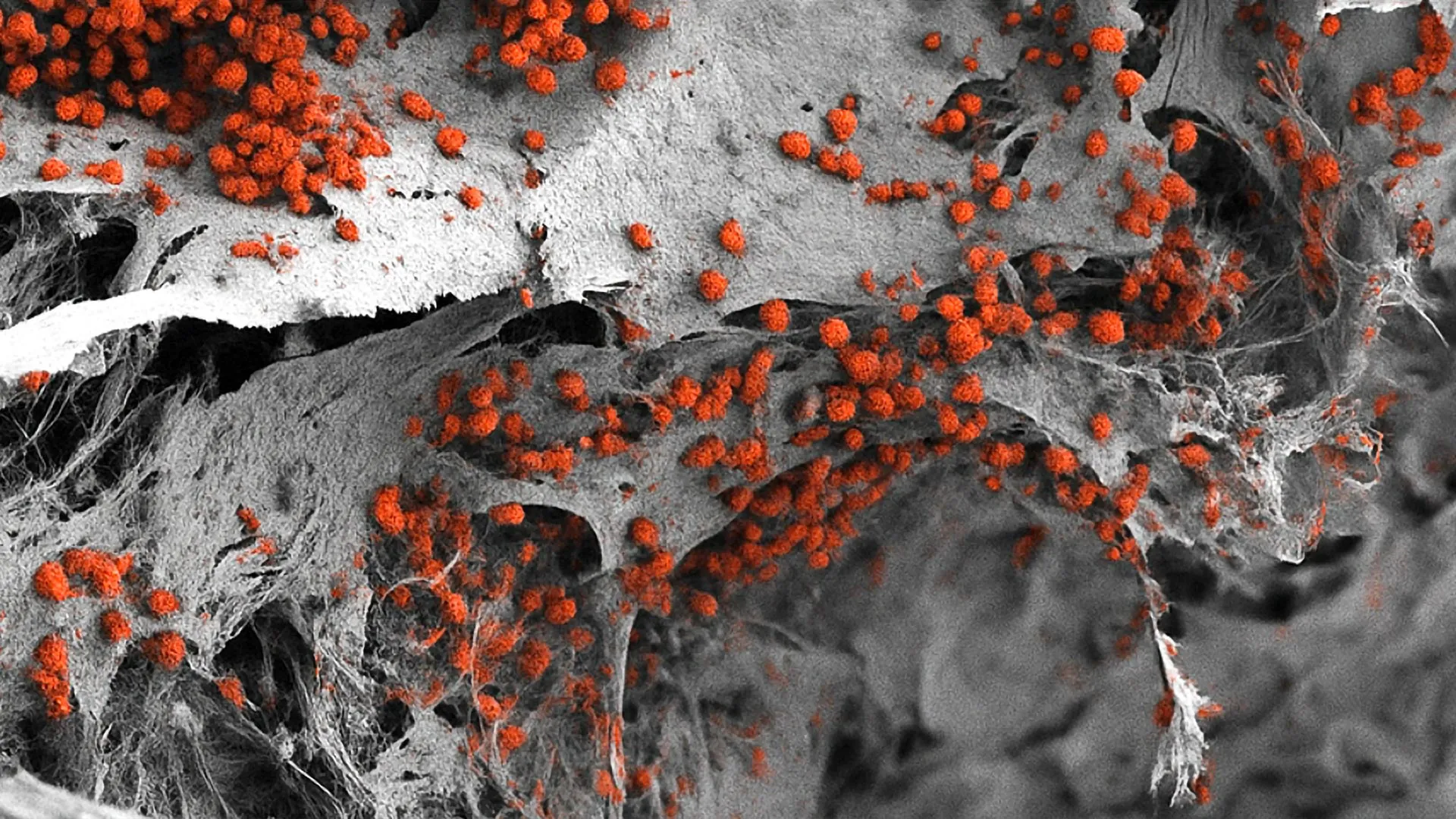
Researchers from the Wellcome Sanger Institute and their international collaborators have achieved a significant scientific milestone by mapping the first comprehensive "blueprint" of human skeletal development. This foundational resource, published in the journal Nature on November 20, provides an unprecedented view into how the human skeleton forms during the earliest stages of life. By utilizing sophisticated genomic and spatial technologies, the study identifies the specific cells and genetic pathways involved in bone formation, offering critical insights into the origins of arthritis and rare congenital conditions that affect skull and bone growth. This research is part of the global Human Cell Atlas (HCA) initiative, an ambitious project aimed at mapping every cell type in the human body to transform our understanding of health and disease.
The Dawn of Skeletal Mapping: A First-Trimester Breakthrough
The human skeleton is a dynamic and complex organ system, providing structural support, protecting vital organs, and serving as a reservoir for minerals. However, the precise cellular mechanisms that govern its initial formation in the womb have remained largely mysterious. To bridge this gap, the research team focused on the first trimester of pregnancy, specifically the window between 5 and 11 weeks post-conception. This period is a critical phase of morphogenesis, during which the basic architecture of the human body is established.
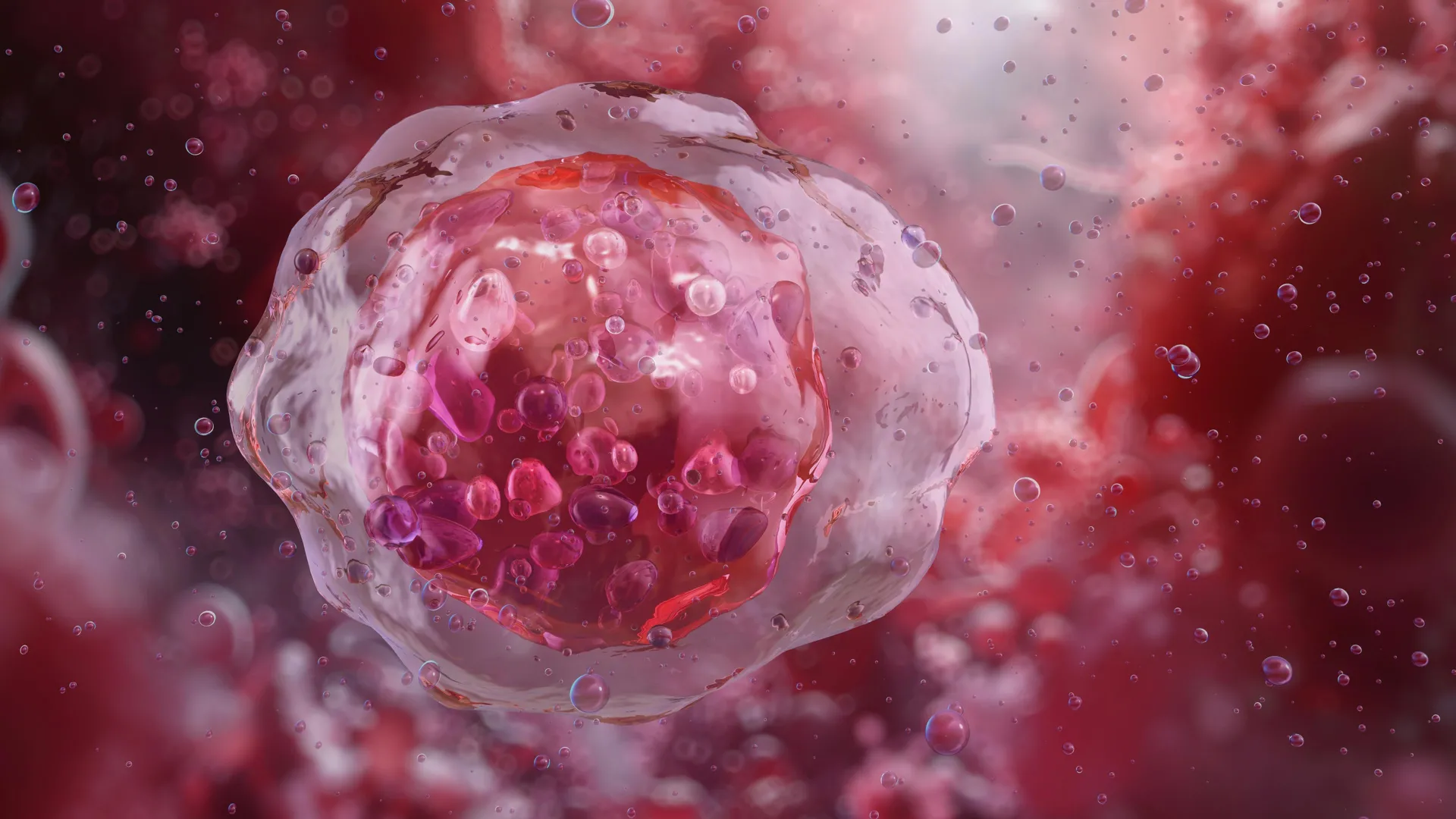
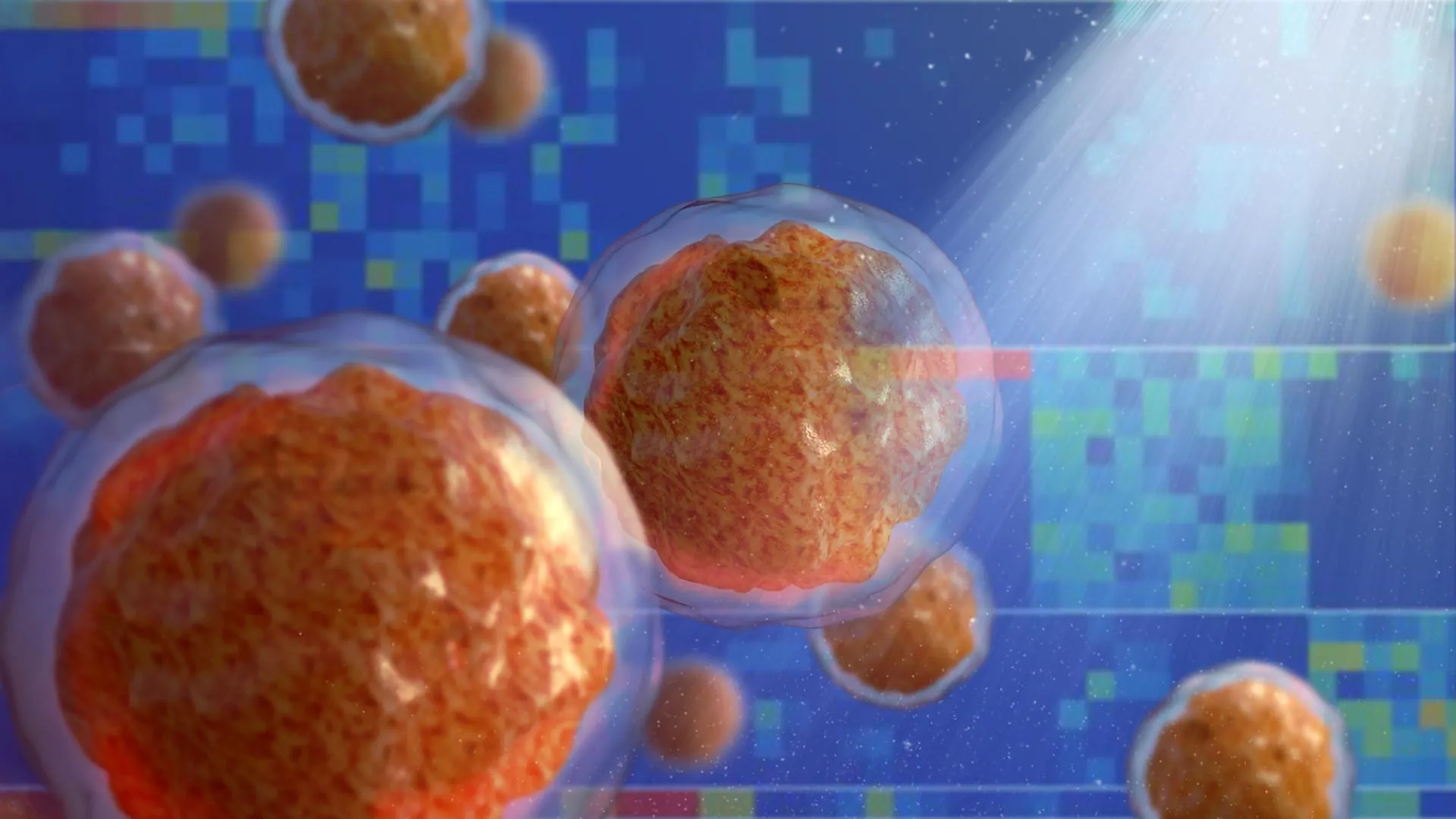
Using cutting-edge single-cell sequencing and spatial transcriptomics, the researchers were able to describe the position, function, and interaction of cells in rapidly growing skeletal tissue. This "multi-omic" approach allowed them to see not just which genes were active, but exactly where those cells were located in the three-dimensional space of the developing limb or skull. This level of detail is essential for understanding how cells communicate to coordinate the growth of complex structures like joints and long bones.
The study revealed a sophisticated "scaffold" system. In most parts of the body, the skeleton begins not as bone, but as cartilage. This cartilage acts as a temporary framework that is gradually replaced by bone cells in a process known as endochondral ossification. The Sanger Institute’s map provides the first high-resolution look at how these cartilage cells mature and how bone cells subsequently colonize the scaffold to create the hard tissue that sustains us throughout life.
Decoding the Complexity of Skull Formation and Craniosynostosis
One of the most striking findings of the study is that the top of the human skull, known as the calvarium, develops through a different biological pathway than the rest of the skeleton. Unlike the long bones of the arms or legs, the skull does not rely on a cartilage scaffold. Instead, it forms through intramembranous ossification, where bone cells develop directly from mesenchymal tissue.
The research team mapped the specific cell types unique to the calvarium and investigated their role in skull fusion. In healthy development, a newborn’s skull contains "soft spots" or sutures—flexible joints that allow the skull to expand as the brain grows rapidly during the first two years of life. However, in a condition known as craniosynostosis, these sutures fuse prematurely.
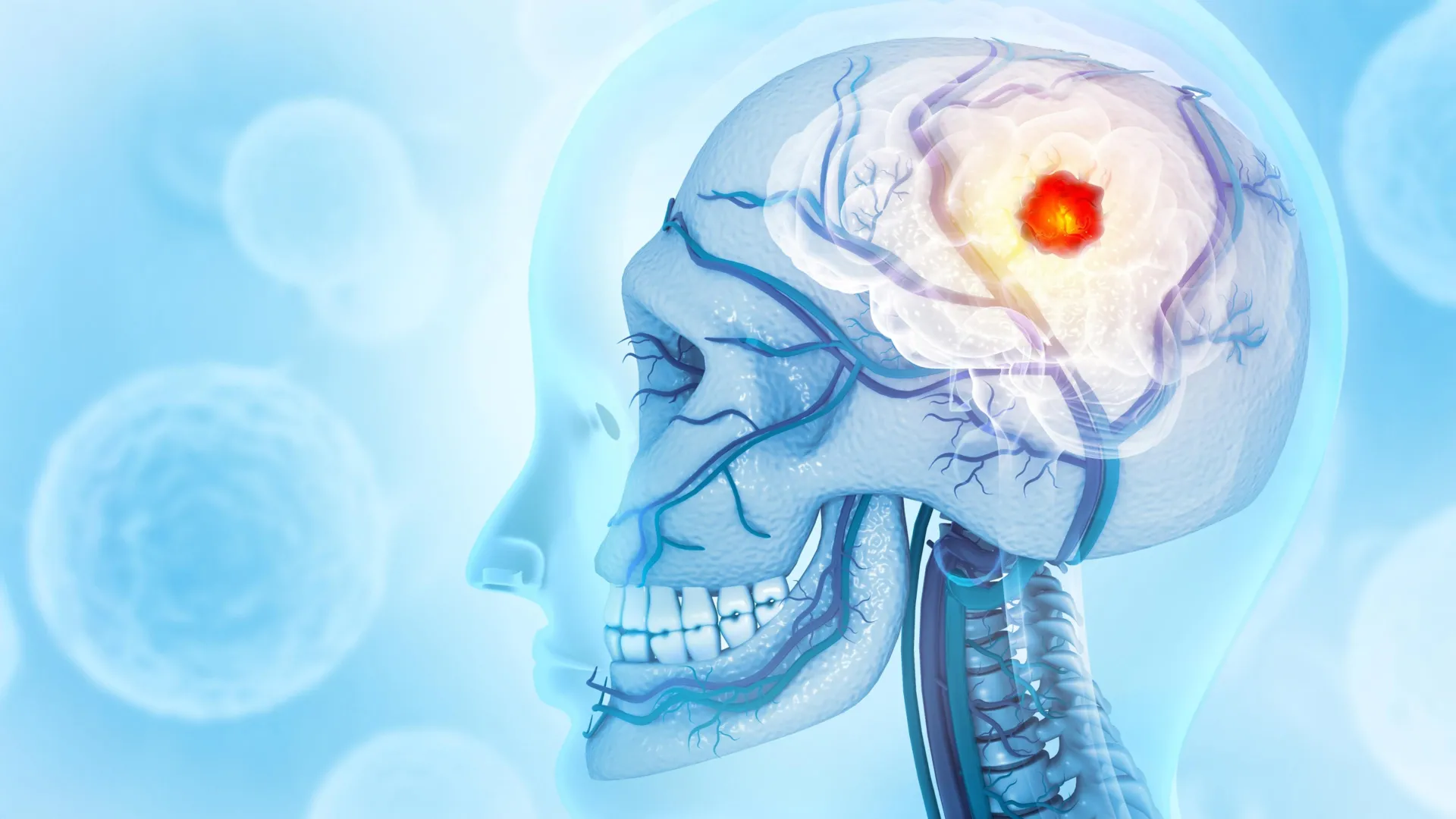
Craniosynostosis affects approximately 1 in 2,500 births. If left untreated, the condition prevents the brain from expanding, leading to increased intracranial pressure. This can result in permanent complications, including learning disabilities, vision loss, and hearing impairment. While surgery is the standard treatment in the United Kingdom and globally, the underlying cellular disruptions causing the condition have been difficult to pinpoint. The new skeletal atlas identifies the specific early bone cells disrupted by genetic mutations associated with craniosynostosis, providing a potential pathway for new diagnostic tools and non-surgical therapeutic targets in the future.
Connecting Fetal Development to Adult Osteoarthritis
Beyond congenital conditions, the skeletal atlas offers a surprising look into the future of the ageing skeleton. The researchers discovered that the genetic foundations for adult-onset conditions, such as osteoarthritis (OA), are laid down long before birth. Osteoarthritis is the most common joint disorder worldwide, characterized by the breakdown of protective cartilage, leading to pain, stiffness, and loss of mobility. In the UK alone, millions of people suffer from OA, often requiring major joint replacement surgery because adult cartilage has a limited capacity for self-repair.
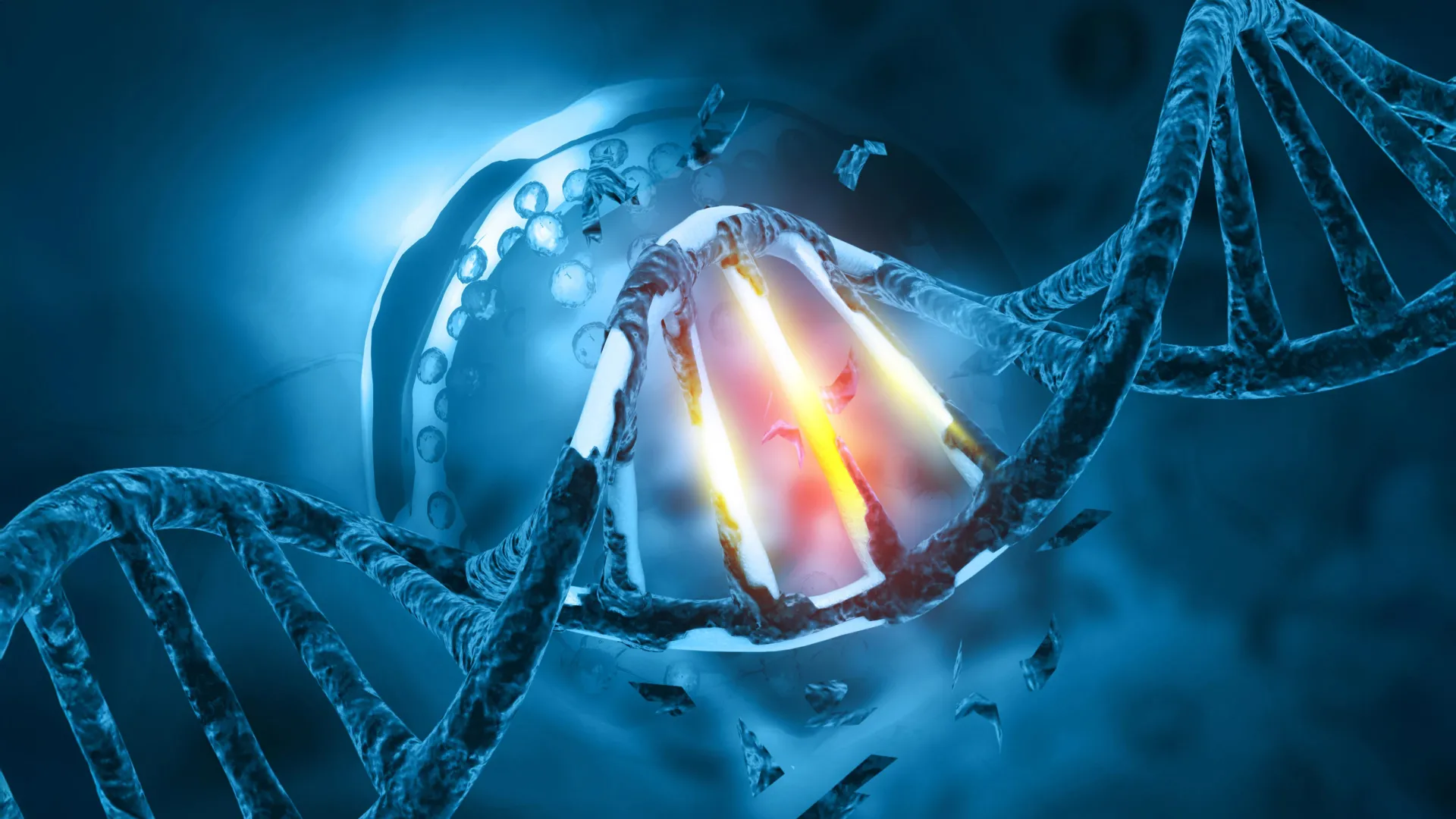
By comparing the atlas data with known genetic risk factors for arthritis, the team found a distinct divergence between hip and knee health. Genetic variants associated with an increased risk of hip osteoarthritis were found to be active in early bone cell development and their downstream regulators. Conversely, variants linked to knee arthritis were more closely associated with the pathways involved in cartilage formation and repair.
This discovery suggests that the biological "programming" for joint health begins in the first trimester. Understanding these early pathways could explain why some individuals are more prone to joint degeneration later in life and could lead to the development of regenerative therapies that mimic fetal growth processes to repair damaged cartilage in adults.
Assessing Pharmaceutical Safety During Pregnancy
A vital practical application of the skeletal atlas is its potential to improve drug safety monitoring for pregnant women. Historically, pregnant women have been excluded from many clinical trials, leading to a lack of data on how various medications might affect fetal development. The Sanger Institute team addressed this by using the atlas to screen 65 clinically approved drugs that are currently not recommended during pregnancy.
By mapping where the targets of these drugs are expressed in the developing skeleton, the researchers could visualize how specific medications might disrupt bone or cartilage growth. This information is now integrated into the freely available skeletal atlas, providing a resource for the pharmaceutical industry and regulatory bodies to evaluate the safety of existing and future therapeutics. This proactive approach aims to prevent developmental abnormalities and provide clearer guidance for maternal healthcare.
The Human Cell Atlas: A Milestone in Biological Science
This study is not an isolated achievement but a core component of a massive international effort. It is one of more than 40 Human Cell Atlas publications released simultaneously in Nature Portfolio journals. Together, these studies represent a "milestone leap" in our understanding of human biology, covering various organ systems and developmental stages.
The HCA project seeks to create a Google Map-style reference for the human body, allowing scientists to zoom in on individual cells and understand their roles in health and disease. The skeletal atlas contributes a crucial layer to this map, coordinating with other studies to provide a holistic view of human development. Professor Sarah Teichmann, a co-founder of the Human Cell Atlas and a senior author of the study, emphasized that this detailed spatial and temporal map brings the scientific community closer than ever to a complete understanding of the human body’s lifecycle.
Expert Reactions and Future Directions
The lead researchers involved in the project have expressed optimism about the transformative potential of their findings. Dr. Ken To, co-first author from the Wellcome Sanger Institute, noted that the research provides the necessary context to understand how DNA variants impact the developing skeleton. "Having this ‘blueprint’ of bone formation can also help us develop effective ways to grow bone and cartilage cells in a dish, which has enormous therapeutic potential," Dr. To stated.
Dr. Jan Patrick Pett, also a co-first author, highlighted the computational significance of the project. He explained that the multi-layered, time- and space-resolved nature of the atlas allowed for novel analyses of how developmental processes are regulated. This integrated view is expected to unlock new treatments for both pediatric bone conditions and age-related skeletal decline.
The implications for regenerative medicine are particularly profound. If scientists can understand the exact signals that prompt fetal cells to build perfect cartilage and bone, they may be able to replicate those signals in a laboratory setting. This could lead to the bioengineering of replacement tissues for patients with severe injuries or degenerative diseases, potentially eliminating the need for prosthetic joint replacements.
Conclusion and Data Accessibility
The release of the first human skeletal atlas marks a turning point in musculoskeletal research. By documenting the cellular journey from a 5-week-old embryo to the complex structures of the late first trimester, the Wellcome Sanger Institute and its partners have provided a roadmap for decades of future discovery.
The data generated by this study is a public good, intended to benefit the global research community. The atlas is hosted on a dedicated platform (https://developmental.cellatlas.io/skeleton-development), where scientists can explore gene expression patterns, cell-to-cell interactions, and spatial distributions. As this resource is utilized by clinicians and researchers worldwide, it is expected to catalyze the development of new diagnostics, safer medications, and innovative therapies that will improve the quality of life for people of all ages—from the newborn with a skull condition to the elderly patient struggling with the pain of arthritis.