Scientists from Stockholm, Sweden, affiliated with Karolinska Institutet and KTH Royal Institute of Technology, have reported a significant advancement in the development of stem cell therapy for type 1 diabetes. Their novel method involves creating insulin-producing cells that have successfully reversed diabetes in mice, potentially overcoming several critical hurdles faced by existing treatments. This breakthrough ignites considerable hope for a new-and-improved therapeutic approach for millions living with this chronic autoimmune condition.
Understanding Type 1 Diabetes and the Quest for a Cure
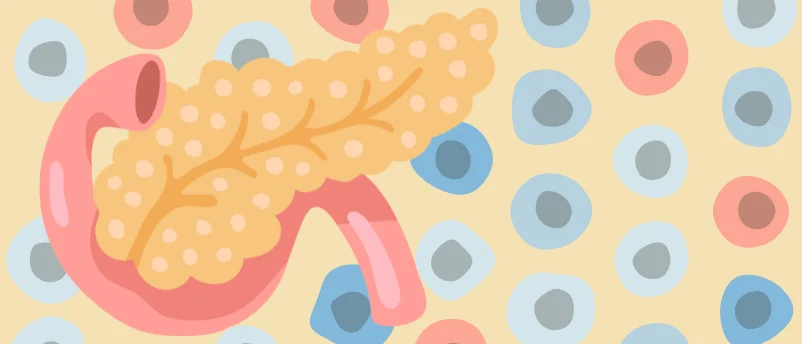
Type 1 diabetes (T1D) is an autoimmune disease affecting an estimated 8.7 million people worldwide, including approximately 1.8 million in the United States and hundreds of thousands across Europe. In individuals with T1D, the immune system mistakenly attacks and destroys the insulin-producing beta (β) cells located within the pancreatic islets. Insulin, a hormone crucial for regulating blood glucose levels, becomes deficient, leading to chronic hyperglycemia. Without insulin, the body cannot effectively use glucose for energy, resulting in a cascade of severe health complications if left unmanaged. These complications can range from short-term issues like diabetic ketoacidosis to long-term debilitating conditions such as kidney disease (nephropathy), nerve damage (neuropathy), blindness (retinopathy), and increased risk of cardiovascular disease.
Current management strategies for T1D primarily involve exogenous insulin administration, either through multiple daily injections or continuous infusion via an insulin pump. Patients must meticulously monitor their blood glucose levels and adjust insulin doses based on food intake, physical activity, and other factors. While these methods have dramatically improved life expectancy and quality of life for T1D patients since the discovery of insulin in the 1920s, they do not offer a cure. Managing blood glucose remains a lifelong challenge, fraught with the risks of both hypoglycemia (dangerously low blood sugar) and hyperglycemia (dangerously high blood sugar), and it places a significant burden on patients and healthcare systems alike. The ultimate goal for T1D research has always been to restore the body’s natural ability to produce insulin, effectively curing the disease rather than merely managing its symptoms.
The Evolution of Cell-Based Therapies for Type 1 Diabetes
The concept of replacing the destroyed beta cells has long been a focal point of regenerative medicine research. Early attempts involved whole pancreas transplantation, a complex surgical procedure associated with significant risks and requiring lifelong immunosuppression. A less invasive alternative emerged in the form of pancreatic islet transplantation, where islets containing beta cells are isolated from deceased organ donors and infused into the recipient’s liver. While successful in some cases, islet transplantation is severely limited by the scarcity of donor organs; often, multiple donors are required for a single recipient, and immunosuppressive drugs are still necessary, which carry their own set of side effects.
The advent of human pluripotent stem cells (hPSCs) – including embryonic stem cells (ESCs) and induced pluripotent stem cells (iPSCs) – revolutionized the potential for cell-based therapies. These cells possess the unique ability to differentiate into any cell type in the body, offering a theoretically unlimited source of insulin-producing beta cells. The vision is to grow billions of these cells in the lab and transplant them into patients, thereby restoring endogenous insulin production. Over the past two decades, significant progress has been made, with several hPSC-derived islet cell therapies currently in various stages of clinical trials globally. Companies like ViaCyte and Vertex Pharmaceuticals (which acquired Semma Therapeutics) have pioneered approaches involving encapsulated stem cell-derived islets or direct transplantation.
However, existing protocols for generating pancreatic islet cells from hPSCs have faced considerable challenges. These hurdles include achieving full maturity of the transplanted cells, ensuring robust glucose responsiveness (meaning the cells release insulin effectively in response to varying glucose levels), and critically, overcoming issues of cellular heterogeneity. Many protocols result in cultures containing a mix of desired endocrine cells and undesired non-endocrine cells, which are associated with a risk of cyst or even tumor formation upon transplantation. This lack of purity and functional maturity has been a major barrier to widespread clinical application and long-term safety.
The Karolinska/KTH Breakthrough: An Optimized Protocol
It is against this backdrop that the research from Karolinska Institutet and KTH Royal Institute of Technology stands out. The team, comprising scientists from two of Sweden’s leading academic institutions, has introduced a novel and highly optimized system for generating functional pancreatic islet cells from multiple human stem cell lines. Their work directly addresses the aforementioned limitations of previous approaches.
The core of their innovation lies in a refined, multi-step differentiation protocol designed to consistently yield highly pure and functionally mature insulin-producing cells. The process begins with the differentiation of hPSCs into endocrine progenitor cells. A critical improvement in this initial stage involves performing this differentiation on a 2D laminin-521 substrate, a specific extracellular matrix protein that provides an optimal environment for cell growth and differentiation. Furthermore, the researchers found that shortening the preceding pancreatic progenitor stage significantly enhanced the efficiency and quality of the subsequent endocrine cell development.
Following the initial differentiation, the endocrine progenitors are allowed to spontaneously aggregate. This aggregation step is crucial for self-purification, as it effectively removes proliferative and non-endocrine cells, which tend not to integrate into the forming islet-like structures. This innovative self-selection mechanism dramatically improves the purity of the final cell product. The final stage involves a 3D suspension culture, which allows the aggregated cells to mature into functional islets, closely mimicking the natural architecture and function of pancreatic islets in the body. This 3D environment promotes cell-to-cell interactions and facilitates the development of strong glucose responsiveness and high endocrine purity, which are essential for therapeutic efficacy.
Rigorous Validation: From Lab Bench to Living Organism
To validate their advanced protocol, the research team conducted a series of comprehensive experiments, both in vitro (in the lab) and in vivo (in living organisms). The robust nature of their method was first demonstrated by its consistent success across eight different hPSC lines: four embryonic stem cell lines (HS980, H1, H9, and KARO1) and four induced pluripotent stem cell lines (C7, C9, C12, and C14). This broad applicability is a significant advantage, suggesting that the protocol is not reliant on the specific genetic background of a single stem cell line, which is crucial for potential patient-specific therapies using iPSCs.

In vitro studies provided compelling evidence of the cells’ functional maturity. Flow cytometry analysis confirmed that the generated islets contained appropriate proportions of insulin-producing beta cells and glucagon-producing alpha cells, mirroring the cellular composition of natural pancreatic islets. More importantly, glucose-stimulated insulin secretion assays revealed strong glucose responsiveness, particularly for the HS980, H1, and H9 lines. This indicates that the engineered cells could sense glucose levels and release insulin proportionally, a fundamental requirement for effective blood sugar regulation. Furthermore, single-cell RNA sequencing, a cutting-edge technique, provided high-resolution data demonstrating that the cell populations were indeed free of non-endocrine cells, directly addressing the critical safety concern of cyst or tumor formation associated with heterogeneous cell cultures.
The true test of therapeutic potential, however, came from the in vivo experiments. The researchers transplanted the stem cell-derived islets into the anterior chamber of the eyes of diabetic mice. This unique transplantation site was chosen for its transparency and accessibility, allowing for non-invasive, long-term monitoring of the transplanted cells through the cornea. Following transplantation, the researchers meticulously monitored the blood glucose levels of the diabetic mice for a period of six months. The results were remarkably promising: by three months post-transplantation, hyperglycemia in the diabetic mice was reversed, indicating that the transplanted cells had begun to function effectively. By five to six months, blood glucose levels had stabilized, even falling slightly below what they were before diabetes was induced, suggesting robust and sustained glycemic control.
Further evidence of improved glucose handling was gathered through intraperitoneal glucose tolerance tests conducted at three, four, and six months. These tests confirmed that the mice receiving the stem cell-derived islets showed progressively better ability to process glucose over time, a clear indication of functional integration and maturation of the transplanted cells. Collectively, these findings provide compelling evidence that the stem cell-derived islets generated by this optimized protocol can effectively restore normal glycemic control in a living organism, positioning them as highly promising candidates for future type 1 diabetes cell therapy.
Expert Reactions and Future Implications
The implications of this research are profound for the field of regenerative medicine and for individuals living with type 1 diabetes. Per-Olof Berggren, the corresponding author from Karolinska Institutet, summarized the achievement, stating, “We have developed a method that reliably produces high-quality insulin-producing cells from multiple human stem cell lines. This opens up opportunities for future patient-specific cell therapies, which could reduce immune rejection.” This point is particularly crucial; by using induced pluripotent stem cells (iPSCs) derived from a patient’s own somatic cells, the risk of immune rejection, a major challenge in allogeneic transplantation, could be significantly minimized, potentially reducing or eliminating the need for lifelong immunosuppressive drugs.
Fredrik Lanner, the last author of the paper, echoed this optimism, adding, “This could solve several of the problems that have previously hindered the development of stem cell-based treatments for type 1 diabetes. Building on this, we will work towards clinical translation aiming at treating [the condition].” This statement underscores the team’s commitment to moving this research from the laboratory bench to clinical application, a path that, while challenging, is now seemingly more tangible.
Organizations dedicated to finding a cure for diabetes, such as the Juvenile Diabetes Research Foundation (JDRF), would undoubtedly welcome such advancements with enthusiasm. They consistently advocate for research that addresses the root causes of T1D and offer the potential for a biological cure. This study represents a significant step in that direction, providing a clearer pathway to overcoming some of the most stubborn obstacles. Independent experts in endocrinology and stem cell biology would likely commend the meticulous approach to achieving cell purity and functional maturity, acknowledging these as critical benchmarks for therapeutic success and safety. The ability to produce homogeneous populations of cells free from non-endocrine elements is a major safety advantage, directly addressing concerns about tumorgenicity that have plagued earlier stem cell approaches.
The Road Ahead: Challenges to Clinical Translation
While the findings are incredibly promising, the journey from successful mouse studies to widespread human clinical application is complex and multi-faceted. Several significant challenges remain.
Firstly, scaling up production is paramount. Producing sufficient quantities of these high-quality insulin-producing cells to treat a large number of human patients will require robust, standardized, and cost-effective manufacturing processes. Current methods, while effective for research, often need significant refinement for industrial-scale production.
Secondly, long-term safety and efficacy in humans must be rigorously established through comprehensive clinical trials. This includes ensuring the cells maintain their function over many years and that there are no unforeseen adverse effects. Even with patient-specific iPSCs, immunological considerations might still arise, necessitating careful monitoring.
Thirdly, the delivery method for human transplantation needs further optimization. While the anterior chamber of the eye served as an excellent research model, it is unlikely to be the primary site for human transplantation. Researchers are exploring various options, including subcutaneous sites, encapsulated devices (to protect cells from immune attack and allow for retrieval), or transplantation directly into the liver or omentum, which are more physiologically relevant locations for beta cell function. The "Bionic biology" research mentioned in the original article, exploring electrically conductive mesh to mature pancreatic tissue, highlights the broader innovation occurring in enhancing the function and integration of lab-grown tissues.
Finally, the regulatory pathway for novel cell therapies is stringent and lengthy, requiring multiple phases of clinical trials (Phase 1 for safety, Phase 2 for efficacy, and Phase 3 for broader validation) before potential market approval. The cost and accessibility of such advanced therapies will also be critical considerations to ensure they benefit a wide patient population globally.
Despite these challenges, the work from Karolinska Institutet and KTH Royal Institute of Technology represents a monumental stride forward. By consistently generating functional, pure, and glucose-responsive stem cell-derived islets, they have brought the prospect of a true cure for type 1 diabetes significantly closer. This research not only offers renewed hope to millions of patients but also invigorates the entire field of regenerative medicine, paving the way for future innovations in treating chronic diseases through cell replacement therapies. The next steps will involve further pre-clinical optimization and, eventually, carefully designed human clinical trials to translate this scientific triumph into a life-changing reality.