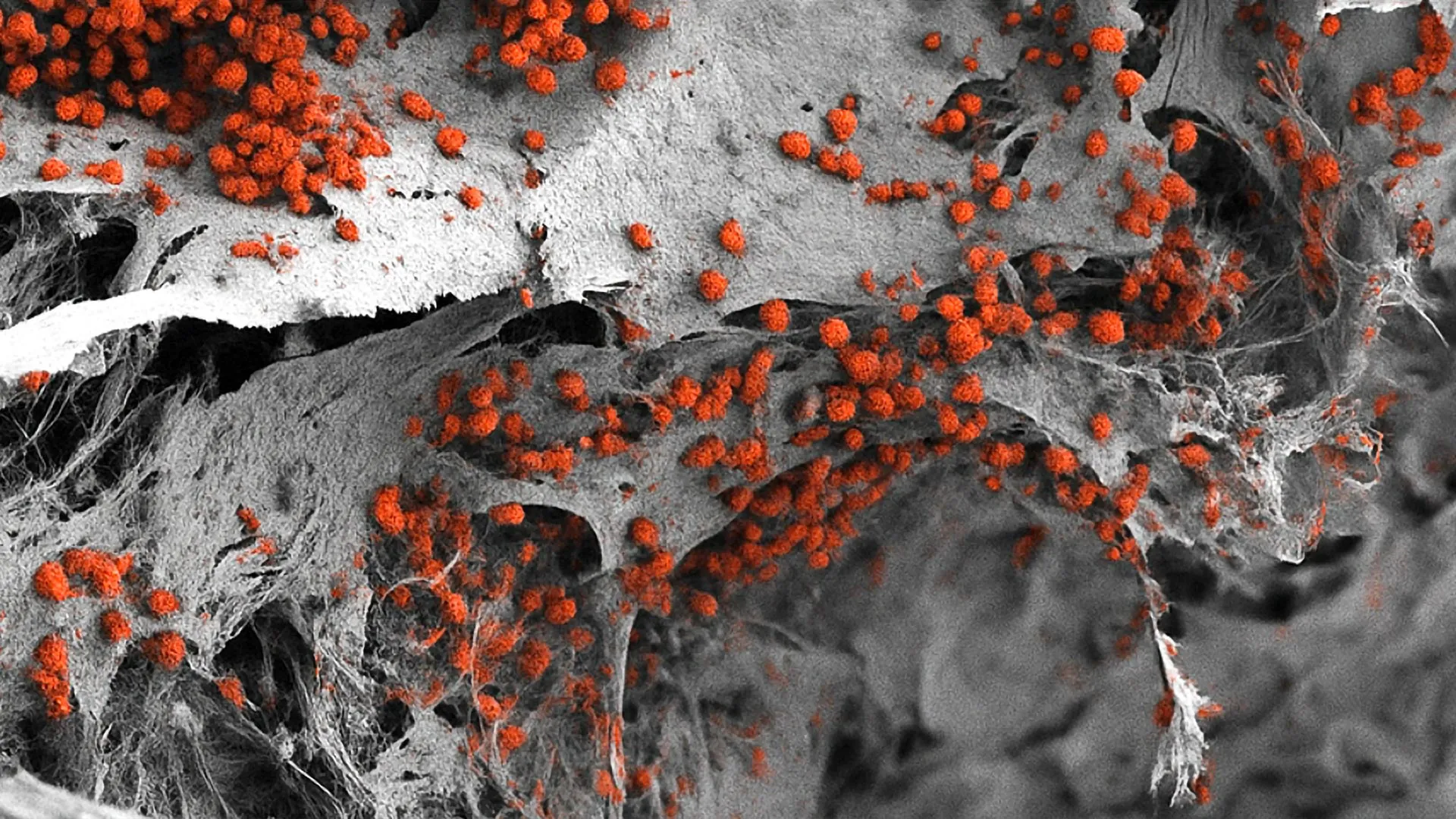
The landscape of hematological research has been significantly altered by a breakthrough development from the Indiana University (IU) School of Medicine, where a team of scientists has successfully engineered a high-resolution imaging methodology designed to penetrate the structural complexities of bone marrow. This novel technique, which utilizes advanced multiplex imaging technology, allows for the simultaneous visualization of dozens of cellular markers within intact tissue. By surmounting the long-standing physical and technical barriers associated with imaging marrow encased in mineralized bone, this advancement is poised to accelerate the development of targeted therapies for a spectrum of debilitating conditions, ranging from aggressive leukemias to complex autoimmune and musculoskeletal disorders.
The study, recently published in the prestigious peer-reviewed journal Leukemia, details how the research team utilized the Phenocycler 2.0 platform to achieve a record-breaking level of detail in mouse bone marrow samples. For decades, the scientific community has struggled to maintain the spatial integrity of bone marrow while simultaneously identifying the diverse cell populations that reside within it. The IU team’s success represents a paradigm shift from traditional "single-cell" analysis—which often requires the destruction of tissue architecture—toward a "spatial biology" approach that preserves the vital relationships between cells and their environment.
The Challenge of the Bone Marrow Microenvironment
Bone marrow is one of the most difficult tissues in the human body to study in situ. Described by researchers as a gelatinous substance protected by a rigid, calcified outer shell, it serves as the primary "factory" for the production of blood and immune cells. Within this protected space lies the hematopoietic stem cell (HSC) niche—a complex neighborhood of stem cells, progenitor cells, blood vessels, and nerves that interact to regulate the body’s internal equilibrium.
"Bone marrow is difficult to study because it is gelatinous and encased in hard bone," explained Sonali Karnik, PhD, assistant research professor of orthopedic surgery at the IU School of Medicine and co-lead author of the study. The structural dichotomy of the marrow—soft on the inside and hard on the outside—has historically forced scientists to choose between two suboptimal options: they could either dissolve the bone and extract the marrow, thereby losing all information about where specific cells were located, or they could attempt to slice the bone into thin sections, which frequently damaged the delicate soft tissue within.
Because bone marrow plays a central role in the formation of immune defenses and houses the stem cells responsible for lifelong blood regeneration, understanding its spatial organization is critical. When this organization is disrupted, it can lead to the overproduction of malignant cells (as seen in leukemia) or the failure of the immune system to recognize "self" (as seen in various autoimmune diseases).
Evolution from Traditional Methods to Multiplex Imaging
To appreciate the magnitude of the IU School of Medicine’s achievement, it is necessary to examine the limitations of the tools that preceded it. For years, the gold standards for studying bone marrow were flow cytometry and standard immunofluorescence imaging.
Flow cytometry is a powerful technique that allows scientists to count and sort individual cells based on their physical and chemical characteristics. However, the process requires "dissociating" the tissue—essentially turning a complex, organized structure into a "cell soup." While this provides an accurate census of what types of cells are present, it completely erases the "address" of those cells. In a disease like leukemia, knowing which cells are neighboring a cancer cell can be just as important as knowing the cancer cell exists.
Standard fluorescence imaging, on the other hand, preserves tissue structure but is severely limited by the visible light spectrum. Most traditional microscopes can only distinguish between three or four different colors (markers) at one time. In a tissue as diverse as bone marrow, where dozens of different cell types interact simultaneously, a four-color limit provides only a keyhole view of a much larger room.
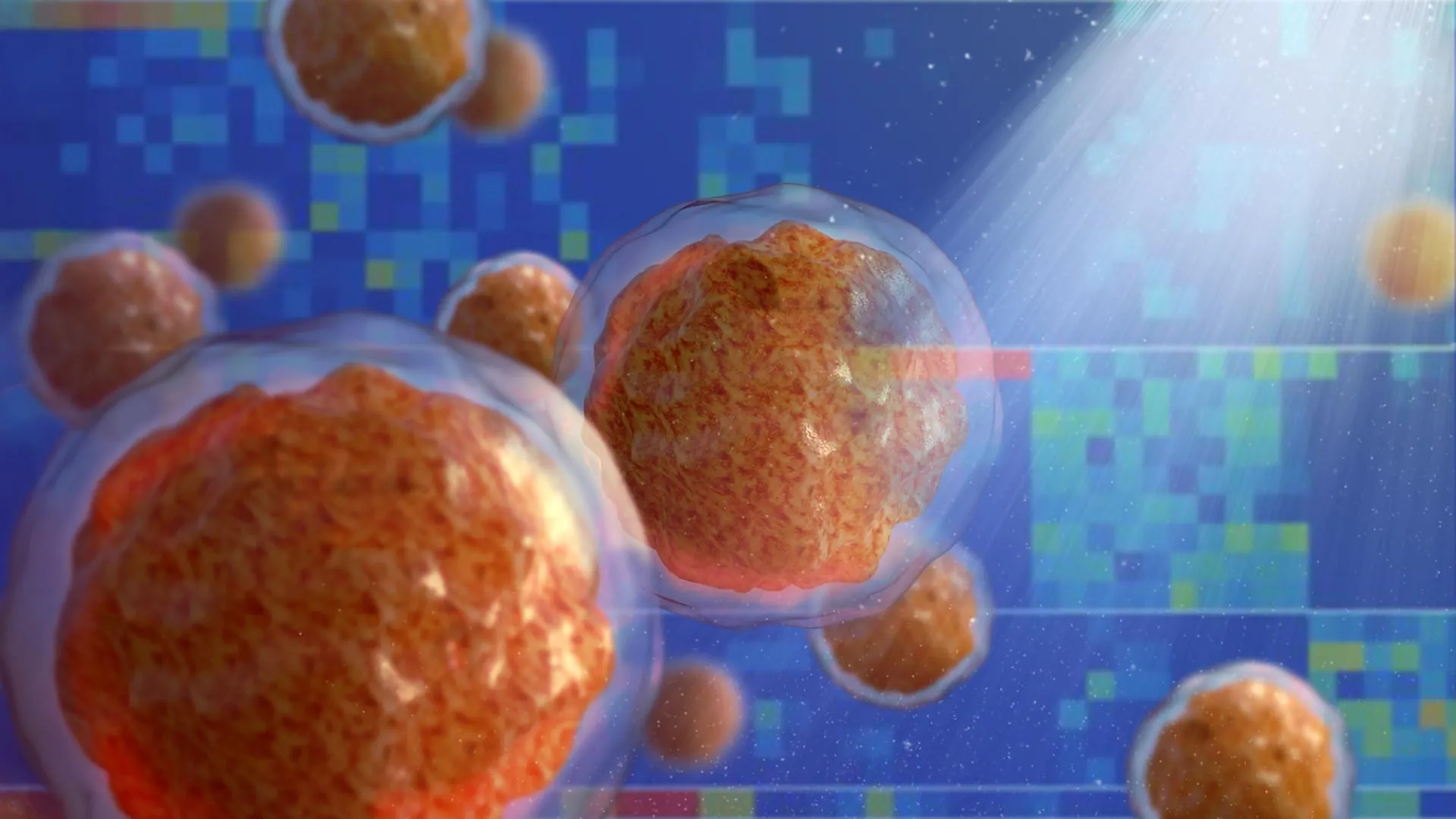
The new methodology developed at IU utilizes the Phenocycler 2.0 (formerly known as CODEX), a tool that uses a "cyclic" staining process. Instead of applying all markers at once, the system applies a few, images them, washes them away, and then applies the next set. This allows the researchers to visualize 25 different cellular markers in the same intact piece of bone marrow tissue. This comprehensive view enables the mapping of the "microenvironment," showing exactly how stem cells, immune cells, and blood vessels are positioned relative to one another.
Chronology of the Research and Technical Implementation
The journey toward this breakthrough began within the IU Cooperative Center of Excellence in Hematology (CCEH). While the Phenocycler technology had been previously utilized to map softer organs like the spleen, kidneys, and liver, its application to the bone marrow of mouse models presented unique hurdles.
The timeline of the project involved several years of optimization. Initial phases focused on developing a preparation protocol that could stabilize the gelatinous marrow while allowing the imaging antibodies to penetrate the dense mineralized exterior of the mouse femur and tibia. The team had to refine the "clearing" and "sectioning" processes to ensure that the tissue did not warp or degrade during the multiple cycles of imaging required by the Phenocycler 2.0.
By mid-2023, the team had successfully demonstrated that they could consistently identify 25 distinct markers without disrupting the spatial orientation of the cells. This feat was verified through rigorous testing, ensuring that the cyclic staining did not lose signal intensity over time. The culmination of this work was the recent publication in Leukemia, which serves as a formal validation of the method for the global scientific community.
Supporting Data and Collaborative Expertise
The success of the project was a multidisciplinary effort involving the IU Innovation and Commercialization Office and the Herman B Wells Center for Pediatric Research. The study was co-senior authored by Reuben Kapur, PhD, a leading figure in pediatric hematology and the director of the Wells Center.
"Because mouse models are widely used to study human diseases, this technique offers a promising new method for investigating a range of conditions like autoimmune diseases, leukemia and other disorders involving bone marrow," said Kapur. His involvement underscores the clinical intent behind the technology: moving beyond basic biology into the realm of translational medicine, where mouse data can directly inform human clinical trials.
The research was supported by the National Institutes of Health (NIH), reflecting the federal government’s interest in advancing spatial biology. The data produced by the 25-marker panel provides a high-dimensional map that can be analyzed using computational algorithms to identify "cellular neighborhoods." For example, the data can show whether certain immune cells cluster around blood vessels in response to a specific drug, or if leukemia cells create a "protective shield" of stromal cells to evade chemotherapy.
Broader Implications for Future Drug Development
The implications of this imaging technique for the pharmaceutical industry and clinical medicine are profound. In the context of cancer research, particularly leukemia and multiple myeloma, the ability to see the "battlefield" of the bone marrow in high definition allows for a better understanding of treatment resistance.
- Oncology: Researchers can now observe how cancer cells alter their surrounding environment to survive. By identifying the specific signaling markers (proteins) that cancer cells use to communicate with neighboring healthy cells, drug developers can create therapies that disrupt these "survival signals."
- Autoimmune Diseases: In conditions where the body’s immune system attacks its own tissues, this imaging can reveal where the breakdown in cell-to-cell communication occurs within the marrow, potentially leading to therapies that "retrain" the immune system.
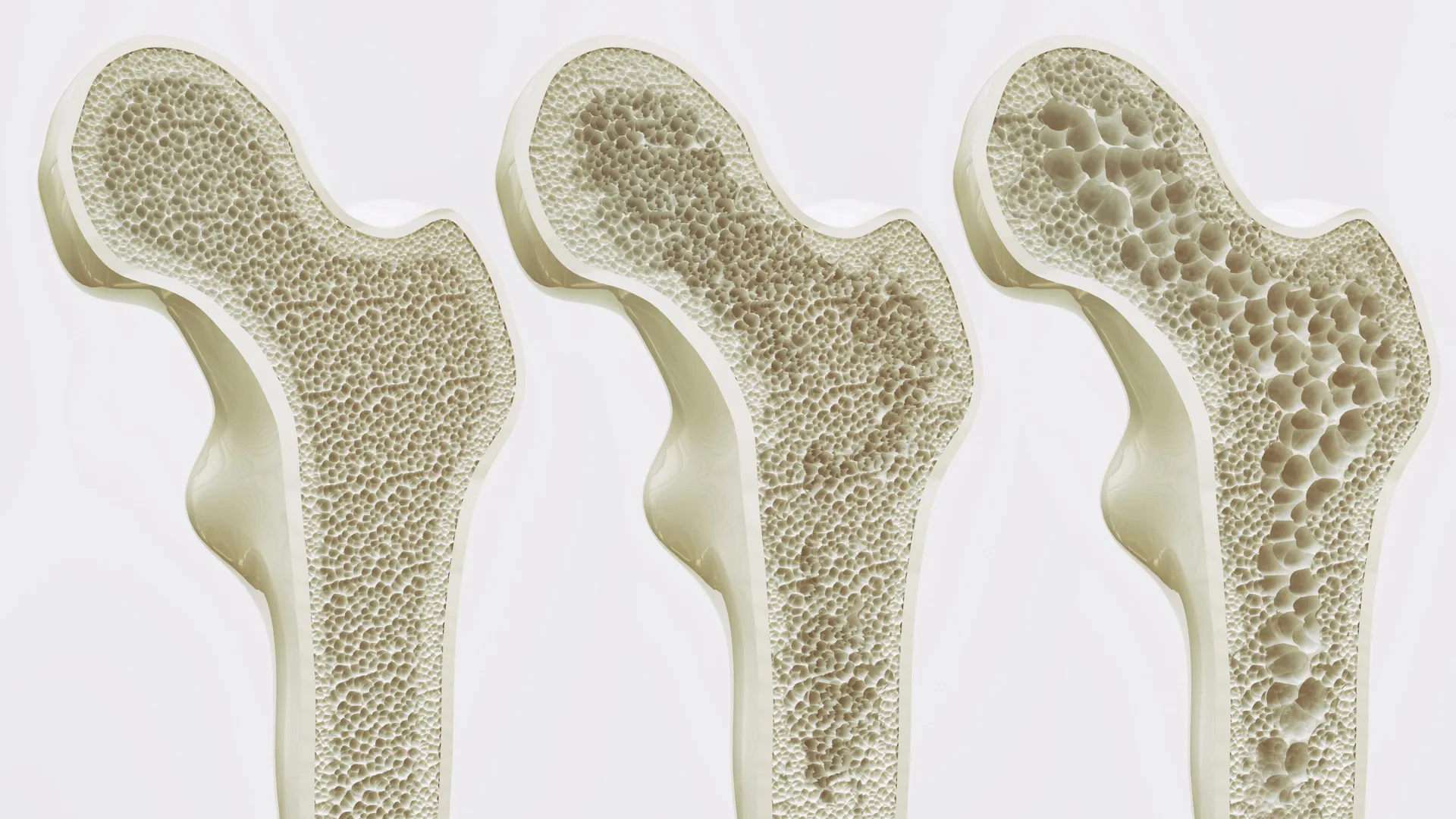
- Musculoskeletal Disorders: As the team works to expand the marker panel to include bone, nerves, and muscle, the technique will become invaluable for studying osteoporosis and bone healing, where the interaction between the skeletal system and the vascular system is paramount.
Institutional Strategy and Intellectual Property
Recognizing the commercial and clinical value of this methodology, the IU Innovation and Commercialization Office has filed a provisional patent for the new imaging technique. This move ensures that the university can partner with biotechnology companies to scale the technology while continuing to refine it within an academic setting.
The research team is not resting on the current 25-marker record. They are currently working to expand the panel to include additional features such as signaling cell types and structural components like nerves and muscle fibers. The goal is to create a "holistic map" of the bone-marrow-organ system, which could eventually lead to the development of a "digital twin" of the bone marrow for virtual drug testing.
The study’s co-authors represent a broad spectrum of expertise, including Connor Gulbronson, Paige C. Jordan, Rahul Kanumuri, Baskar Ramdas, Ramesh Kumar, Melissa L. Hartman, Izza Khurram, Drew M. Brown, Karen E. Pollok, Pratibha Singh, and Melissa A. Kacena. This diverse team reflects the complex nature of the research, requiring knowledge in surgery, pathology, computer science, and molecular biology.
Conclusion: A New Era of Spatial Proteomics
The development of this multiplex imaging technique by the Indiana University School of Medicine marks the beginning of a new era in spatial proteomics. By providing a clear, undisturbed view of the bone marrow’s inner workings, scientists are no longer "flying blind" when it comes to understanding the cellular dynamics of the blood-forming system.
As this technology becomes more widely adopted, it is expected to become a cornerstone of precision medicine. By analyzing the specific spatial markers of a disease in a mouse model, researchers can more accurately predict how a human patient might respond to a particular therapy. This breakthrough does more than just provide a pretty picture; it provides a roadmap for the next generation of life-saving medical interventions.