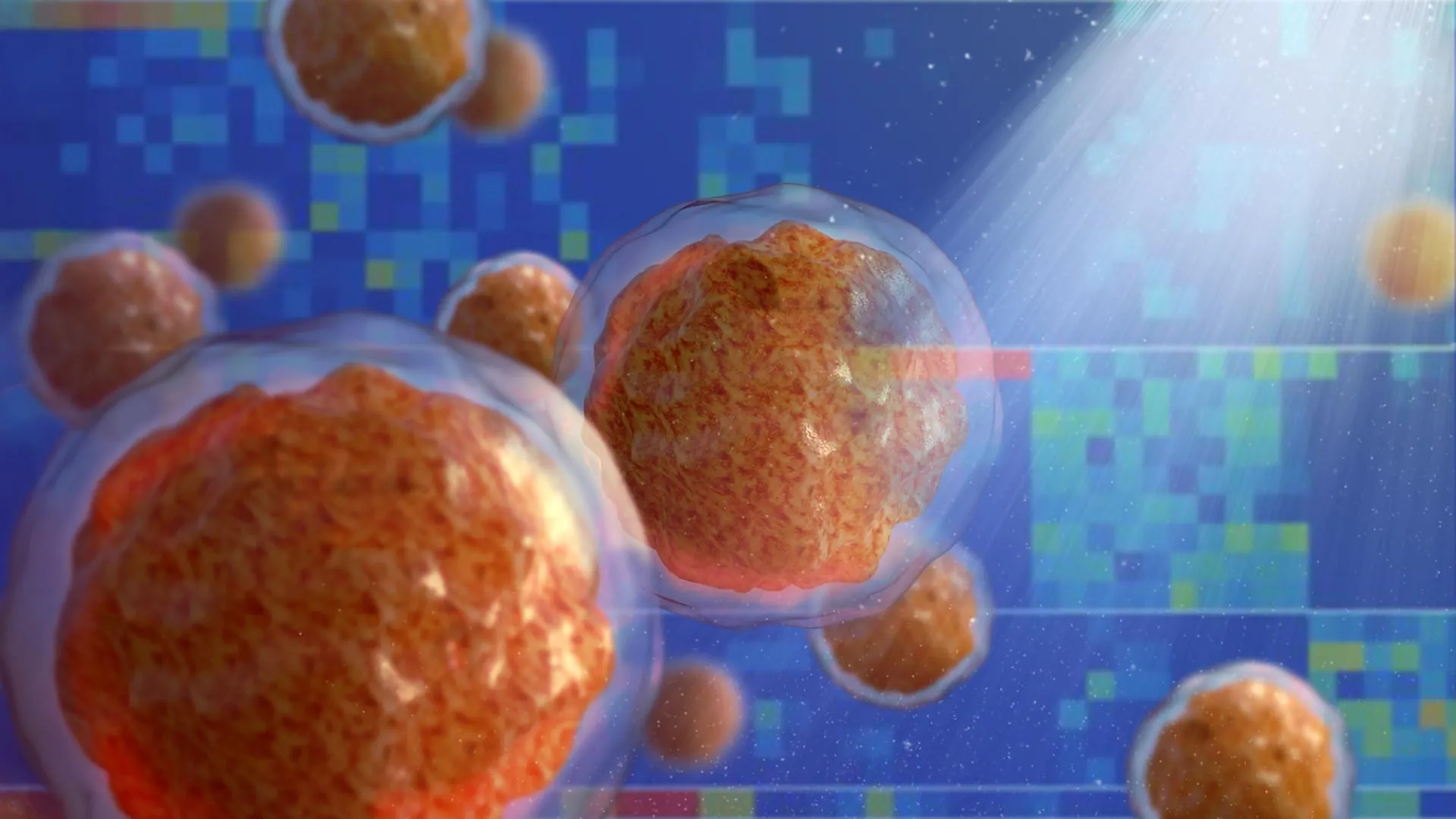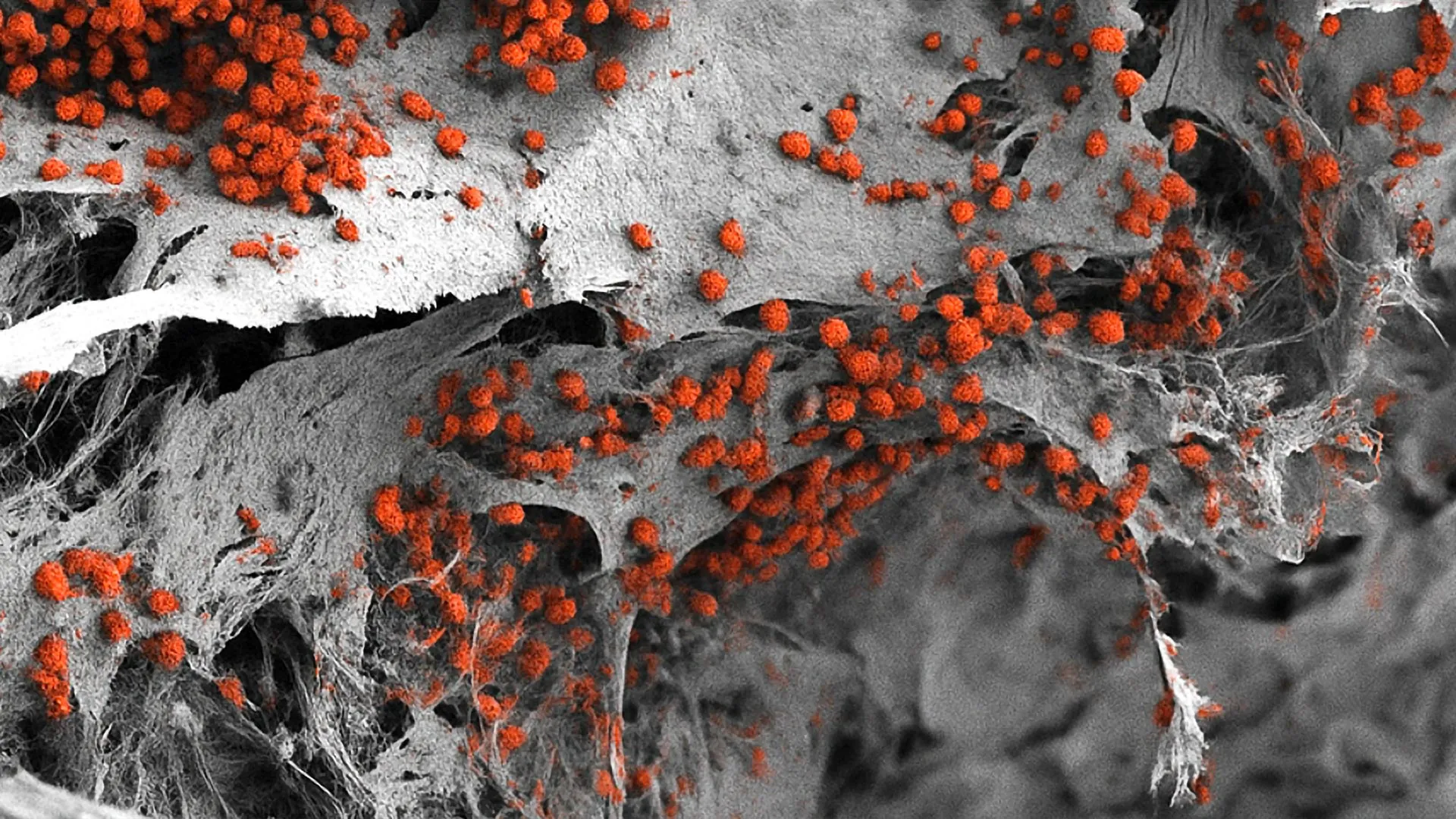
The human bone marrow functions as a high-output biological factory, generating millions of new blood and immune cells every second of every day. This relentless cycle of renewal is essential for survival, yet it relies on a delicate and highly regulated ecosystem where hematopoietic stem cells (HSCs) interact with supportive stromal cells and a complex web of signaling molecules. New research published in Nature Communications reveals that this equilibrium is far more fragile than previously understood, particularly as the body ages. An international team of scientists has identified a "silent" remodeling of the bone marrow microenvironment that begins long before clinical symptoms of blood cancer appear, suggesting that chronic inflammation acts as a primary architect of malignant disease.
The study, co-led by Judith Zaugg of EMBL and the University of Basel, and Borhane Guezguez of the University Medical Center (UMC) Mainz, utilized advanced molecular and spatial analysis to map the human bone marrow niche. Their findings indicate that the transition from healthy aging to pre-leukemic states is driven by a fundamental shift in the marrow’s cellular architecture. Specifically, the research highlights how a phenomenon known as Clonal Hematopoiesis of Indeterminate Potential (CHIP) serves as a critical window for intervention, potentially preventing the progression to more lethal conditions like Myelodysplastic Syndrome (MDS) and Acute Myeloid Leukemia (AML).
The Hidden Risk of Clonal Hematopoiesis (CHIP)
For decades, the medical community viewed the aging of the blood system as a largely inevitable decline. However, the discovery of CHIP has redefined our understanding of pre-malignant states. CHIP occurs when a single mutated hematopoietic stem cell gains a competitive advantage and begins to produce a disproportionate share of the body’s blood cells. While individuals with CHIP do not typically exhibit traditional symptoms of illness or abnormal blood counts, the underlying genetic shifts are significant.
Statistically, CHIP is an age-related condition, appearing in approximately 10% to 20% of adults over the age of 60. As the population reaches the age of 80 and beyond, the prevalence climbs to nearly 30%. While the condition is often "silent," its presence is a harbinger of severe health risks. Research shows that CHIP increases the risk of developing hematologic malignancies—such as leukemia—by tenfold. Perhaps even more surprising is the systemic impact; individuals with CHIP are twice as likely to suffer from cardiovascular disease and face a significantly higher risk of early mortality from non-cancerous causes.
When CHIP progresses, it often leads to Myelodysplastic Syndrome (MDS), a group of disorders characterized by the bone marrow’s inability to produce enough healthy, functioning blood cells. MDS affects up to 20 out of every 100,000 adults over the age of 70. The prognosis for MDS is frequently grim, as approximately 30% of cases evolve into Acute Myeloid Leukemia (AML), an aggressive cancer with high mortality rates. Until now, the specific role of the bone marrow microenvironment—the "soil" in which these "seeds" of cancer grow—remained one of the great mysteries of hematology.
Mapping the Bone Marrow Niche: A Multi-Omic Approach
To solve this mystery, the research team conducted a comprehensive analysis of bone marrow samples from the BoHemE cohort study, a collaborative effort involving the National Center for Tumor Diseases (NCT) Dresden. The study compared samples from healthy donors, individuals with CHIP, and patients diagnosed with MDS.
The researchers employed a sophisticated array of technologies to gain a high-resolution view of the marrow. This included single-cell RNA sequencing to identify gene expression patterns in individual cells, biopsy imaging to observe spatial relationships, and proteomics to analyze the protein landscape. A critical component of the study was the use of "SpliceUp," a computational tool developed by co-lead author Maksim Kholmatov. This method allowed the team to distinguish between mutated and non-mutated cells within the same sample by detecting abnormal RNA-splicing patterns—a common signature of MDS.
The analysis revealed a profound cellular transformation. In healthy marrow, mesenchymal stromal cells (MSCs) provide the necessary support for stem cell health and blood production. However, as CHIP and MDS develop, these healthy MSCs are gradually replaced by a population of inflammatory stromal cells, termed iMSCs. This shift happens much earlier than previously thought, occurring even in the CHIP phase when blood counts still appear normal.
The Inflammatory Feed-Forward Loop
The emergence of iMSCs marks a turning point in the bone marrow’s health. Unlike their healthy counterparts, iMSCs secrete high levels of interferon-induced cytokines and chemokines. These inflammatory signals act as a beacon, attracting and activating interferon-responsive T cells. Once these T cells enter the marrow, they release further inflammatory signals, creating a self-sustaining "feed-forward loop."
"I was surprised to observe such pronounced remodeling of the bone marrow microenvironment already in individuals with CHIP," noted Judith Zaugg. This chronic inflammatory state does more than just disrupt cell production; it alters the very physical structure of the marrow, including its vascular network. One of the most significant failures identified by the team was the lack of CXCL12, a crucial signaling protein produced by stromal cells. CXCL12 acts as a "homing signal" that tells blood cells where to settle and mature. In the presence of iMSCs, this signal is lost, contributing to the bone marrow’s eventual failure to function.
Unexpectedly, the researchers found that the mutated hematopoietic cells themselves were not the direct triggers of this inflammatory explosion. Instead, the inflammation appears to be a systemic or niche-driven response that then provides a favorable environment for mutated clones to thrive. This finding shifts the focus of potential treatments from the mutated cells alone to the entire bone marrow ecosystem.
Implications for ‘Inflammaging’ and Age-Related Disease
The findings of this study extend far beyond the realm of blood cancers, contributing to the growing body of knowledge regarding "inflammaging." This term describes the low-grade, chronic, systemic inflammation that characterizes biological aging and serves as a common thread between cancer, cardiovascular disease, and metabolic disorders.
The bone marrow, traditionally seen only as a production site for blood, is now emerging as a central player in systemic inflammatory aging. By demonstrating how immune and stromal cell interactions drive the progression of CHIP, the study provides a blueprint for understanding how similar processes might occur in other organs. The link between bone marrow inflammation and cardiovascular disease is particularly noteworthy, as the inflammatory cells produced in the marrow eventually enter the bloodstream, where they can contribute to the formation of arterial plaques.
Future Directions: Prevention and Targeted Therapy
The realization that the bone marrow niche is remodeled years before leukemia develops opens a new frontier for preventive medicine. If clinicians can identify the specific molecular markers of iMSCs and interferon-responsive T cells in older adults, they could potentially intervene with anti-inflammatory therapies to preserve marrow function.
"Our findings reveal that the bone marrow microenvironment actively shapes the earliest stages of malignant evolution," said Borhane Guezguez. He emphasized that as molecular profiling becomes more common, it may be possible to intercept the progression of disease before it reaches a terminal stage. Potential treatments could include existing anti-inflammatory drugs or new therapies designed to recalibrate interferon signaling within the niche.
Furthermore, the study raises important questions about the efficacy of current treatments, such as bone marrow transplants. If the bone marrow "niche" retains a memory of the inflammatory disease state even after malignant cells are removed, it may hinder the success of healthy donor cells. The team is currently investigating the extent of this "niche memory" to improve transplant outcomes.
The research was published alongside a complementary study led by Marc Raaijmakers of the Erasmus MC Cancer Institute, which also examined the MDS bone marrow microenvironment. Together, these studies provide a comprehensive and sobering view of how inflammation degrades human health at the cellular level. By shifting the focus from the "seed" (the mutated cell) to the "soil" (the bone marrow niche), scientists are paving the way for a new era of hematology focused on prevention, early detection, and the mitigation of the toxic effects of aging.