The biological complexity of the mammalian reproductive system has long presented a challenge for clinicians and scientists seeking to replicate natural fertilization in a laboratory setting. Despite decades of advancement in assisted reproductive technology (ART), the success rates of in vitro fertilization (IVF) remain subject to significant variability, often dictated by the delicate timing of gamete maturation and the rapid decline of sperm viability once removed from the body. However, a groundbreaking study from the University of Illinois Urbana-Champaign suggests that the secret to stabilizing this process may lie in the complex sugars that line the female reproductive tract. By isolating and utilizing specific glycans, researchers have documented a new method to select viable sperm and prolong their functional lifespan, potentially transforming both human fertility treatments and global agricultural practices.
The study, led by David Miller, a professor in the Department of Animal Sciences and a member of the Carl R. Woese Institute for Genomic Biology, focuses on the oviduct—known as the fallopian tube in humans. In nature, the oviduct acts as more than a simple conduit for eggs and sperm; it serves as a sophisticated storage reservoir that maintains sperm health for several days, ensuring that viable sperm are present when ovulation occurs. For years, this "lengthening" of sperm lifespan was a biological phenomenon that IVF protocols could not successfully mimic. In 2020, Miller’s team identified that glycans—complex carbohydrate structures—were the primary components responsible for binding and preserving sperm within the oviduct. The latest research takes this discovery a step further by identifying a specific glycan, sulfated Lewis X trisaccharide (suLeX), as a critical tool for improving IVF efficiency.
The Biological Mechanism: Replicating the Oviduct Environment
To understand the significance of this discovery, one must look at the traditional limitations of IVF. In a standard laboratory setting, sperm and eggs are combined in a culture dish, but the environment lacks the biochemical signals present in the female body. Without the protective influence of the oviduct, sperm viability begins to degrade rapidly. Furthermore, the timing must be near-perfect; if the sperm are introduced too early or if the eggs have not reached the exact stage of maturation, the likelihood of successful fertilization plummets.
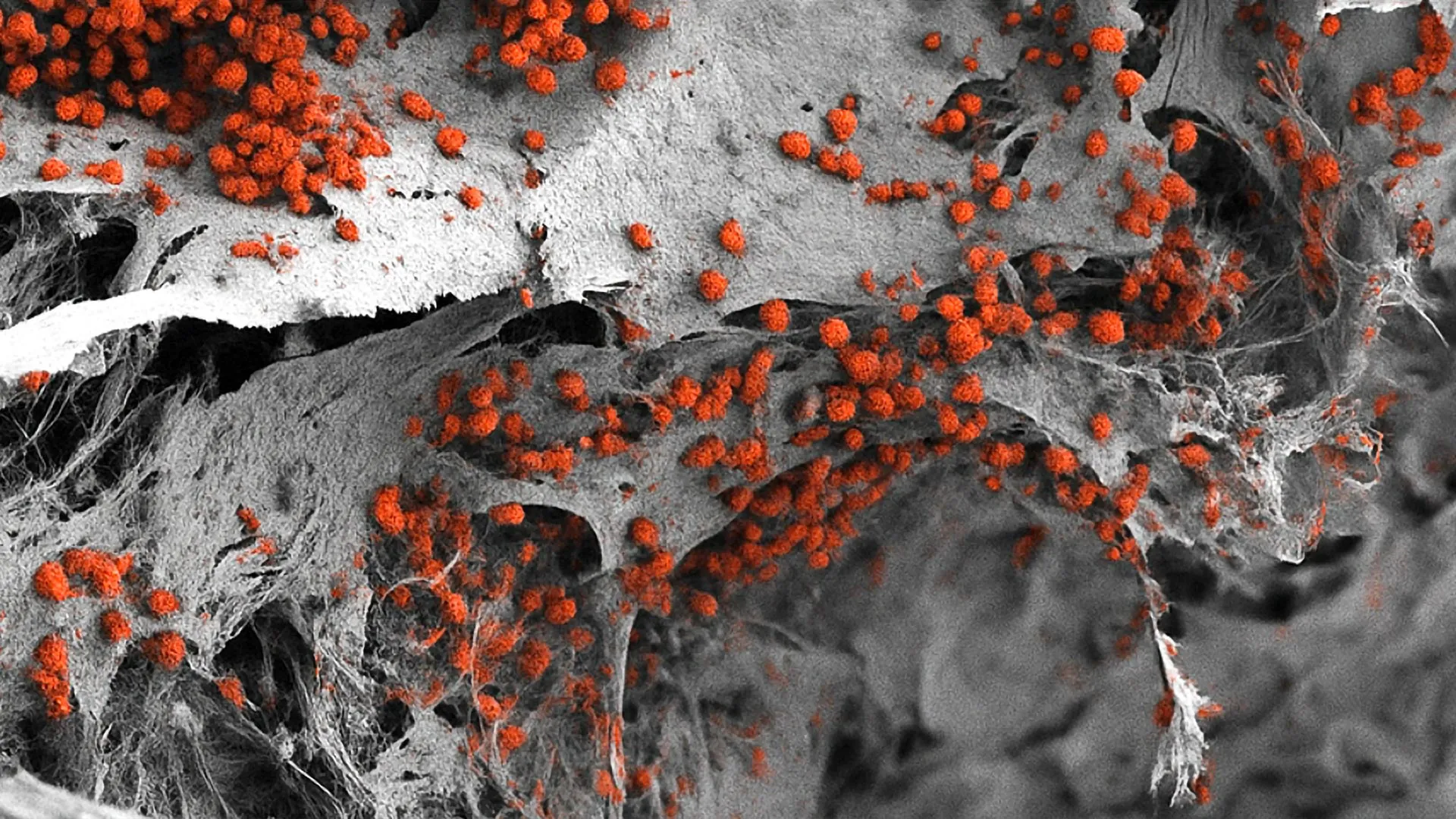
Miller’s research team collaborated with chemists to screen hundreds of different oviduct glycans. Their objective was to find a compound that could mimic the "velcro-like" effect of the fallopian tubes, where sperm cells adhere to the lining and remain in a quiescent but healthy state. Through rigorous testing, the team settled on suLeX. When applied to the surface of a culture dish, this glycan allowed sperm to bind securely, effectively creating a "reservoir" similar to that found in a living organism.
The researchers chose to use pig sperm for this study, a decision driven by two primary factors. First, the porcine reproductive system serves as an excellent physiological model for human reproduction. Second, the agricultural industry has a massive vested interest in improving IVF outcomes. In pig reproduction, a common failure in IVF is "polyspermy"—a condition where multiple sperm fertilize a single egg. This occurs because, in a dish, there are no natural barriers to prevent an onslaught of sperm from reaching the egg simultaneously. Polyspermy results in inviable embryos that cannot develop. By using suLeX to bind sperm to the dish, the researchers hoped to regulate the release of sperm, ensuring that fewer free-swimming cells approached the egg at once, thereby reducing the risk of multiple fertilizations.
Experimental Chronology and Data Analysis
The methodology of the study was designed to test the limits of sperm longevity under the influence of suLeX. The researchers prepared culture dishes by attaching the glycan to the bottom and then introduced the sperm. The sperm were given a 30-minute window to adhere to the suLeX compounds. Following this adhesion period, the researchers introduced eggs at four specific intervals: 0 hours, 6 hours, 12 hours, and 24 hours. This timeline allowed the team to measure how the presence of suLeX affected fertilization rates as the sperm aged.
The results at the 0-hour mark provided immediate evidence of the glycan’s efficacy. In the suLeX group, the IVF efficiency—defined as the ratio of successfully fertilized zygotes to the total number of eggs—reached 53%. In contrast, the control group, which used a standard dish with no oviduct compounds, showed an efficiency rate of only 36%. Two other alternative "control" compounds were also tested, yielding fertilization rates of approximately 40% each. This initial data suggested that even without a time delay, the glycan-coated surface helped select the most "competent" sperm for fertilization.
As the experiment progressed through the 6-hour and 12-hour marks, fertilization rates naturally began to decline across all groups due to the degradation of biological material. However, the rate of decline was significantly slower in the suLeX-treated dishes. The most dramatic disparity was observed at the 24-hour mark. In the control group, where sperm had no glycan support, the fertilization rate dropped to a negligible 1%, effectively representing a total failure of the IVF process. Conversely, the suLeX group maintained a 12% fertilization rate after 24 hours. While 12% may seem modest, in the context of reproductive biology, it represents a twelve-fold increase in viability over the control, providing a much wider "fertile window" than previously possible in a lab.
Addressing the Polyspermy Problem
Beyond extending the life of the sperm, the suLeX application offered a procedural advantage that addressed the issue of polyspermy. Because the viable sperm were bound securely to the glycan droplets on the dish, the researchers were able to wash away the excess, free-swimming sperm before the eggs were introduced.
"Because the sperm were bound securely to the glycan compound, we could reduce the overall number of sperm, which meant fewer cases where more than one sperm fertilized the eggs," Miller noted. This "cleaning" step is crucial for the agricultural industry. In porcine IVF, the ability to control the "sperm-to-egg ratio" with such precision could significantly increase the yield of viable embryos per collection cycle. This not only improves the efficiency of breeding programs but also reduces the waste of expensive, high-quality genetic material.
Implications for Global Agriculture and Food Security
The economic ramifications of this study are particularly relevant to the livestock and dairy industries. Modern agriculture relies heavily on IVF to propagate animals with "high genetic merit"—those that are more resistant to disease, grow more efficiently, or produce higher volumes of milk.
In the dairy industry, for example, IVF is used to produce embryos from top-tier cows, which are then transferred to surrogate "commercial" cows. This allows a single high-performing animal to have dozens of offspring in a year, rather than just one. If glycan-IVF can stabilize fertilization rates and reduce the variability caused by sperm degradation, the cost of producing these high-value embryos will drop.
"There are companies, especially related to dairy cattle, that use IVF to produce and sell high-genetic-merit embryos that, after they are delivered, will produce milk more efficiently," Miller explained. "This technology could potentially help produce meat and milk more efficiently." As the global population continues to rise, the demand for resource-efficient protein sources becomes a matter of food security. Technologies that maximize the output of livestock breeding programs play a vital role in meeting these global needs.
The Path to Human Clinical Application
While the immediate successes of the study were documented in pigs, the ultimate goal for many researchers in the field is the translation of these findings to human medicine. The challenges faced by human IVF patients are remarkably similar to those observed in the lab: the struggle with "timing mismatches."
In human IVF, eggs are harvested after a regimen of hormone treatments. However, not all eggs reach maturity at the exact same moment. Similarly, there is significant variability in the time it takes for human sperm to complete "capacitation"—the final maturation step required to penetrate an egg. Currently, if sperm are prepared but the eggs are not yet ready, or if the sperm lose motility before the egg is receptive, the cycle may fail, resulting in emotional and financial strain for the patients.
Miller noted that while the specific glycans that bind human sperm have not yet been definitively identified, the "proof of concept" provided by the suLeX study is a major step forward. Once the human-specific glycans are mapped, they could be integrated into IVF culture media or dish coatings. This would allow clinicians to "park" sperm in a protected state, essentially waiting for the eggs to reach peak maturity. By lengthening the fertile window, clinics could potentially increase the success rates of single-cycle IVF, reducing the need for repeated, invasive procedures.
Scientific Framework and Collaborative Effort
The study, titled "Porcine sperm bind to an oviduct glycan coupled to glass surfaces as a model of sperm interaction with the oviduct," was published in the journal Scientific Reports. The interdisciplinary nature of the research was a key factor in its success, involving experts from various fields. The author list includes Sandra Soto-Heras, Larissa Volz, and Nicolai Bovin, alongside David Miller.
The research was supported by the Eunice Kennedy Shriver National Institute of Child Health and Human Development, a branch of the National Institutes of Health (NIH), under award number RO1HD095841. This federal backing underscores the perceived importance of the research in the broader context of reproductive health and developmental biology.
Conclusion and Future Outlook
The discovery that suLeX can act as a biological stabilizer for sperm marks a shift in how scientists approach the "in vitro" environment. For decades, the focus was on the chemical composition of the liquids (media) in which gametes were placed. This research suggests that the physical architecture of the environment—specifically the carbohydrate-coated surfaces—is just as vital.
By successfully recreating a key function of the oviduct, the University of Illinois team has provided a blueprint for more resilient and predictable IVF protocols. Whether applied to the goal of increasing milk production in dairy herds or helping a couple conceive, the ability to control the timing and viability of fertilization represents a significant leap forward. As further testing continues to identify the human equivalents of these glycans, the "fertile window" in the laboratory may soon be wider than ever before, offering new hope for the future of reproductive science.