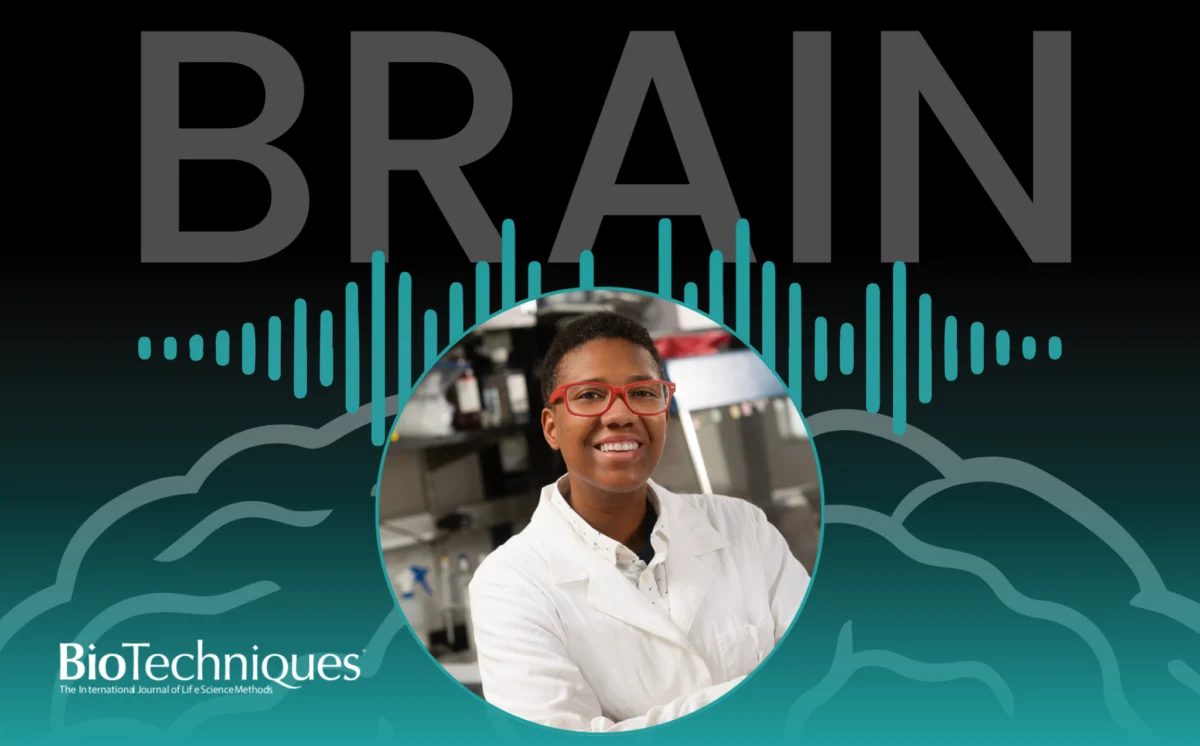
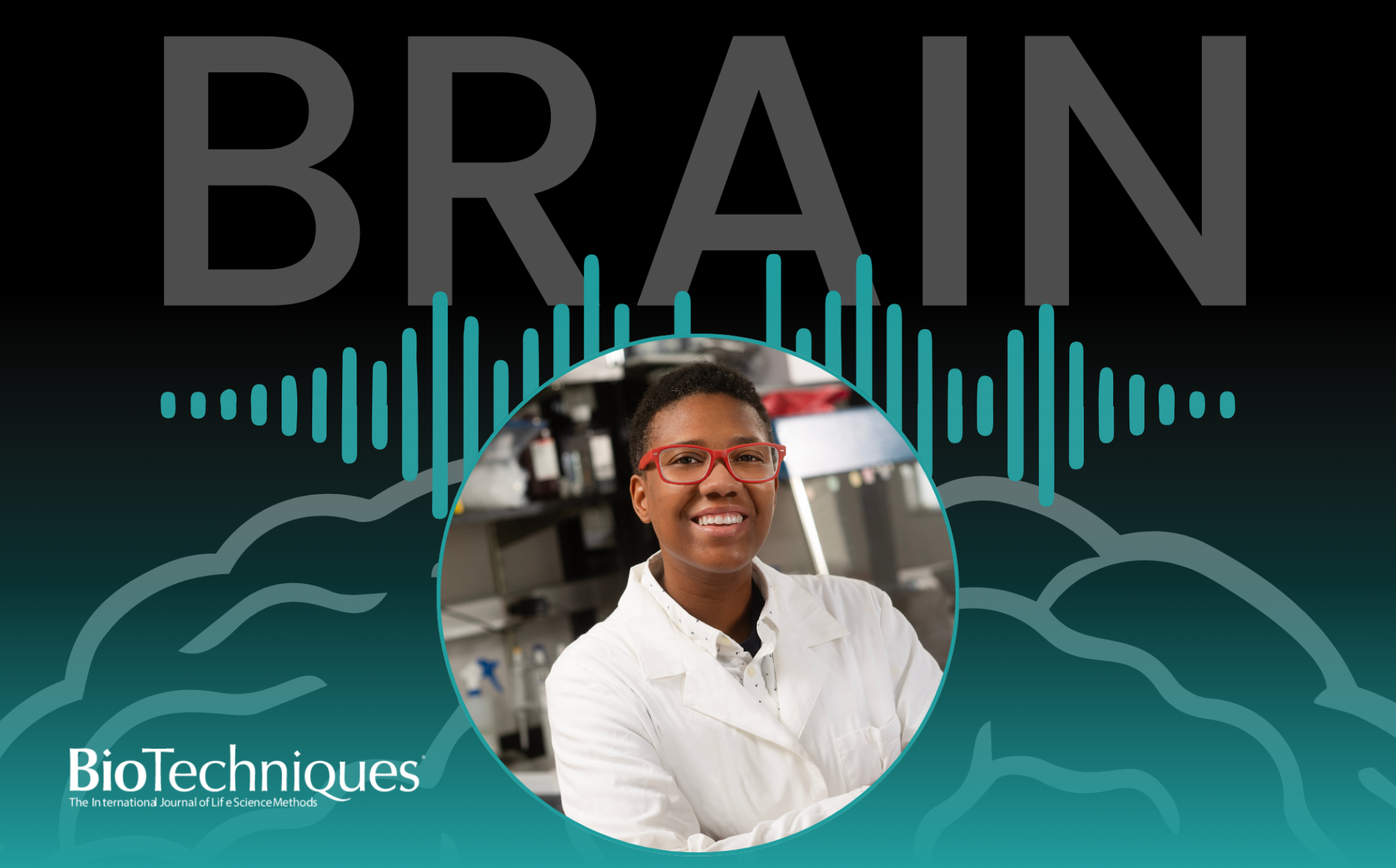
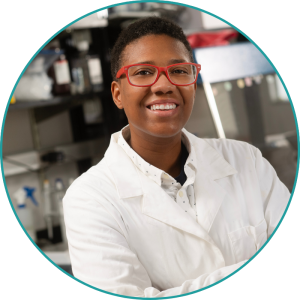
Dr. Dionna Williams, an Associate Professor at Emory University (GA, USA), stands at the forefront of a crucial intersection in biomedical science, leading groundbreaking research into the neuropharmacology and neuroimmunology of HIV. Her work, which extends into the complex interplay of neuroscience, immunology, and pharmacology, aims not only to unravel the intricacies of HIV’s impact on the brain but also to address the persistent health disparities that affect vulnerable populations. Williams’s dedication is further amplified by her profound commitment to fostering an equitable and inclusive scientific landscape, particularly for trainees from marginalized backgrounds.
A Serendipitous Path to HIV Neuropathogenesis
Dr. Williams’s journey into the neuropathogenesis of HIV was, by her own admission, a blend of serendipity and evolving academic interest. Her initial exposure to HIV research occurred during a summer program after her sophomore year in college, where she investigated transmission risk factors. This experience ignited her fascination with immunology and the diverse ways individuals respond to pathogens. However, a concurrent interest in neuroscience, sparked by a captivating clinical neuropsychology course, revealed the profound impact of brain injury on personality and identity. This intellectual confluence led her to pursue a Ph.D. with a mentor whose work uniquely bridged her dual passions: the neurological complications of HIV. This fortuitous alignment allowed her to delve into a field she hadn’t known existed, and she has remained dedicated to it ever since.
The neurological complications of HIV, often referred to as HIV-Associated Neurocognitive Disorder (HAND), have been a significant concern since the early days of the epidemic. Even with the advent of highly active antiretroviral therapy (HAART) in the mid-1990s, which dramatically reduced opportunistic infections and improved life expectancy, HAND persists, affecting approximately 30-50% of individuals living with HIV. While severe forms are less common today, milder cognitive impairments remain prevalent, impacting quality of life and daily functioning. This ongoing challenge underscores the critical need for research like Dr. Williams’s, which seeks to understand and mitigate HIV’s neurological footprint.
Multifaceted Research Addressing HIV’s Neurological Impact
Dr. Williams’s laboratory at Emory University operates across three core pillars, each addressing a critical facet of HIV’s interaction with the central nervous system and the broader human body.
1. Enhancing Therapeutic Access to the Brain:
A primary focus of Dr. Williams’s research revolves around the formidable challenge of delivering antiretroviral therapies (ART) to the brain. The brain is uniquely protected by the blood-brain barrier (BBB), a highly selective semi-permeable border of endothelial cells that prevents solutes in the circulating blood from non-selectively passing into the extracellular fluid of the central nervous system. While essential for maintaining a stable neural environment and protecting against toxins, the BBB poses a significant hurdle for many therapeutic agents, including some of the most effective ART drugs.
Williams’s team investigates the mechanisms by which ART drugs attempt to cross this barrier. They explore the role of specific proteins, known as drug transporters, which can either facilitate or impede drug entry. Understanding these interactions is crucial for optimizing drug delivery. Furthermore, the lab examines whether the BBB’s properties vary across different regions of the brain. If regional differences exist, this knowledge could be exploited to target therapies more effectively to specific areas where the virus might persist or cause greater damage. This research is vital because even when systemic viral loads are suppressed, HIV can establish reservoirs in the brain, leading to ongoing inflammation and neurological damage. Current ART regimens often achieve suboptimal concentrations in the brain compared to peripheral tissues, making it a "sanctuary site" for the virus.
2. Modulating Chronic Inflammation and Exploring Novel Therapies:
Despite the success of ART in suppressing viral replication, individuals living with HIV often experience chronic inflammation. This persistent inflammatory state, a consequence of lifelong viral exposure and immune system dysfunction, contributes to a range of comorbidities, including metabolic, liver, kidney, and cardiovascular disorders, in addition to neurological complications. The immune system, though suppressing the virus, remains in a state of heightened alert, leading to a "hyper-inflammatory environment."
Dr. Williams’s lab is exploring novel strategies to suppress this chronic inflammation. Surprisingly, their research has identified compounds derived from the cannabis plant, specifically cannabidiol (CBD), as promising anti-inflammatory agents. In vitro studies using human cells infected with HIV, and some animal models, have shown that CBD can reduce inflammation and even exhibit modest antiviral effects. While these findings are promising, Dr. Williams strongly emphasizes that they are far from clinical application, cautioning against self-medication. The research is focused on elucidating the underlying mechanisms by which CBD and other cannabinoids, such as THC (tetrahydrocannabinol), interact with cellular receptors to modulate immune responses. This work seeks to identify potential therapeutic targets that could be leveraged in conjunction with existing ART to restore immune function and mitigate inflammation. The exploration of cannabis compounds represents a creative and potentially impactful avenue in the quest for improved HIV management.
3. Addressing Biological Contributors to HIV Health Disparities:
Beyond the molecular and cellular level, Dr. Williams’s lab is deeply committed to understanding and addressing the biological factors that contribute to HIV health disparities. The HIV epidemic in the United States, for instance, exhibits significant regional and demographic variations, with marginalized communities often disproportionately affected. While public health initiatives focus on equal access to prevention and treatment, Williams’s research delves into whether unique biological factors within specific populations impact disease progression and treatment efficacy.
This includes investigating how factors like a history of trauma, the presence of comorbid disorders, or genetic variations related to drug-transporting proteins might influence HIV disease outcomes. For example, genetic polymorphisms in drug transporters can alter how individuals from different ancestral backgrounds metabolize and distribute ART, potentially leading to varied drug concentrations in the brain or other tissues. The lab also examines the impact of substance use, such as cannabis and cocaine, on ART efficacy and its direct effects on viral load and inflammation. By adopting a holistic, laboratory-based approach, Dr. Williams’s team aims to model these diverse "life factors" to develop more universally effective therapies that account for the biological variability inherent in human populations. This aspect of her research underscores the critical link between social determinants of health and biological outcomes, advocating for a more inclusive and representative scientific inquiry.
Advanced Methodologies and the Challenge of Human Variability
To pursue these complex research questions, Dr. Williams’s laboratory employs sophisticated experimental models and techniques. A cornerstone of their work on therapeutic access to the brain is an in vitro human blood-brain barrier model. This Transwell system meticulously recreates the BBB by co-culturing primary human brain microvascular endothelial cells (lining blood vessels) with pericytes and astrocytes (essential brain support cells) on a polysilicate membrane. The physical contact between these cells, facilitated by the membrane’s pores, creates a remarkably tight barrier that accurately reflects the impermeability observed in vivo to substances like albumin. This model allows for the study of drug entry, immune cell transmigration, and even cancer cell interactions with the BBB, offering a human-relevant reductionist system that minimizes reliance on animal models for initial investigations. Importantly, the model has demonstrated concordance with animal and human data regarding HIV drug entry, further validating its utility. It also provides a platform to investigate the impact of specific genetic mutations in drug transporters or metabolizing enzymes, which can vary across individuals and populations.
In parallel, the lab extensively uses human immune cells, primarily isolated from the blood of healthy donors. These cells are cultured and manipulated to study immune responses to HIV, inflammation, and the effects of potential therapeutic agents like cannabinoids. This direct use of human cells is pivotal for studying human disease, but it also introduces a significant technical challenge: remarkable inter-individual variability. As Dr. Williams notes, individuals exhibit diverse baseline inflammatory levels, varied immune responses to HIV, and differing cellular susceptibility to infection. Even the efficacy of compounds like CBD can vary significantly from one person’s cells to another.
While this variability complicates data interpretation and necessitates studies with large donor cohorts to identify general trends, Dr. Williams views it as a crucial aspect of capturing human diversity. This challenge drives the lab’s pursuit of personalized medicine, seeking to understand why certain individuals respond better to specific interventions. Furthermore, the lab has observed fascinating intra-individual variability, where a single donor’s cells may show different responses over time. Lifestyle factors such as stress, sleep, diet, and general health status can profoundly impact cellular function, highlighting the intricate connection between daily life and biological responses. This reinforces the need for robust experimental design and a deep appreciation for the complex interplay of genetics and environment in human health.
The Imperative of Interdisciplinary Collaboration
Dr. Williams passionately advocates for interdisciplinary and creative approaches in scientific research, considering it one of the most rewarding aspects of her work, alongside mentoring. The nature of HIV research itself demands such collaboration, encompassing virology, neuroscience, immunology, pharmacology, and public health. Her lab’s work on cognition, for example, necessitates partnerships with psychologists and psychiatrists, demonstrating the expansive reach of their inquiries.
Effective interdisciplinary collaboration requires scientists to develop a "multilingual" fluency, capable of communicating complex concepts to both specialized experts and broader scientific audiences, and even the general public. Dr. Williams emphasizes minimizing jargon and focusing on the core mission to facilitate understanding. This approach not only enhances scientific communication but also strengthens the research itself, allowing for the integration of diverse perspectives and methodologies.
Collaborations enable Dr. Williams to tackle questions far beyond the scope of her individual expertise. She cites an upcoming grant focused on maternal-fetal outcomes in HIV, investigating how ART crosses the placental barrier and the impact of factors like substance use during pregnancy. This project would be impossible without partnerships with clinical teams, OB-GYNs, experts in placental health, and pediatricians specializing in infant outcomes. By combining her knowledge of drug transporters, substance use, and immunology with the clinical and specialized expertise of others, the team can address critical public health issues that impact vulnerable populations, such as pregnant individuals with HIV and their children.
This collaborative spirit, Dr. Williams argues, taps into the inherent curiosity and "scientific joy" that often motivates researchers. It acknowledges the biological reality that the human body functions as an integrated system, where organs and systems constantly communicate. Therefore, a fragmented scientific approach, with disciplines working in isolation, is inherently limited in addressing complex health problems. Interdisciplinary collaboration is not merely advantageous; it is essential for holistic understanding and impactful solutions in modern biomedical science.
Shifting Paradigms in Systems Neuroimmunology
In a 2023 publication co-authored with other leading researchers, Dr. Williams outlined key research priorities and future directions for systems neuroimmunology, following discussions at a Cold Spring Harbor meeting. A year later, she observes significant shifts in the research landscape, particularly within the US scientific community. While funding priorities have evolved, the field of neuroimmunology has become even more interdisciplinary, with increasing interest in tackling complex problems such as heterogeneous responses and sex differences in disease.
The paper highlighted bottlenecks, including the limitations of animal models in fully reflecting human disease. Williams notes a growing emphasis on incorporating human-relevant models, such as organoids, and developing better biomarkers for disease. This shift reflects a broader scientific movement towards translational research, ensuring that findings in vivo are directly applicable to human patients, thereby maximizing the efficiency and impact of research investments.
Despite financial challenges and shifting funding priorities in the US, Dr. Williams remains optimistic. She perceives a growing understanding of the need for cross-disciplinary collaborations and a commitment to modeling complex biological systems. While scientists may need to devise creative funding strategies, she believes there remains ample space for passion-driven inquiry and courageous pursuit of scientific questions. This resilience and adaptability are crucial in an ever-evolving scientific ecosystem.
Championing Equity: The Juneteenth Publication and Systemic Change
In 2023, Dr. Williams was part of a collaborative effort that culminated in a powerful Juneteenth publication in Cell, highlighting the invaluable contributions of Black scientists and the systemic barriers they continue to face. This work was a privilege for Williams, offering an opportunity to reflect on collective successes and envision a truly equitable scientific landscape where passion for science is the sole prerequisite for participation.
The publication identified key institution-level solutions to build a more equitable framework within science. A primary focus was the creation of welcoming environments. While outreach programs effectively bring diverse individuals into science, the subsequent academic and professional environments often present subtle (and sometimes overt) signs of unwelcomeness. Black scientists, for instance, frequently encounter doubts about their aptitude, the perception that their achievements are solely due to affirmative action rather than intelligence or hard work, and the immense pressure of representing an entire racial group. The publication outlined steps to foster environments where scientists can thrive without these additional burdens, allowing them to focus on the inherent challenges of scientific discovery.
Mental health support was another critical area addressed. Graduate school and academic careers are inherently stressful for everyone, but certain groups face unique, intersectional challenges stemming from their race, socioeconomic background, disability status, or mental health diagnoses. The paper emphasized the need to reduce stigma surrounding mental health and provide accessible support systems that acknowledge these diverse experiences.
Furthermore, the publication highlighted the importance of work-life integration. Scientists, like all professionals, have complex lives outside the lab. Caregiving responsibilities, personal challenges, and familial obligations cannot simply be "checked at the door." The COVID-19 pandemic demonstrated the feasibility of flexible work arrangements, such as remote data analysis or manuscript preparation. Implementing flexible hours, telework options, and recognizing the diverse life experiences of scientists—especially those who are first-generation college students, immigrants, or caregivers—is crucial for creating an inclusive and supportive scientific community.
The Cell publication served as a powerful call to action, reminding the scientific community to remember the humanity of its members. By addressing these systemic issues, the goal is to cultivate a scientific landscape where everyone feels welcome, where talent from all backgrounds can flourish, and where the intrinsic joy of discovery is accessible to all who pursue it. This commitment to diversity, equity, and inclusion is not just a moral imperative but a scientific one, as diverse perspectives are known to drive innovation and lead to more robust and relevant research outcomes.
The Enduring Impact of Mentorship
For Dr. Williams, mentorship is arguably the most rewarding aspect of her multifaceted career, second only to the thrill of interdisciplinary collaboration. She views it as a profound privilege, recognizing that students entrust her with their futures, seeking guidance, scientific training, and professional development. This trust is not taken lightly, and her approach to mentorship is deeply individualized.
Williams understands that each trainee has unique career aspirations—whether in patent law, science policy, academia, industry, or science writing. Consequently, her mentorship strategies are tailored to support these diverse goals. She emphasizes transparency regarding expectations, ensuring all lab members engage in experiments, publish their findings, and apply for funding. This is not solely for financial reasons but to instill fundamental scientific communication skills, which are essential in any scientific career, whether advocating for grants, policies, or product pipelines.
She encourages participation in conferences to foster networking, community engagement, and the development of public speaking skills. Beyond professional development, Dr. Williams prioritizes the holistic well-being of her mentees, fostering an environment of open communication where personal lives are acknowledged and respected. She shares aspects of her own life, creating a foundation of trust that encourages mentees to share what they feel comfortable disclosing. This human-centered approach fosters a harmonious lab environment, where conflicts are addressed constructively, and individuals feel genuinely supported.
The ultimate reward for Dr. Williams lies in witnessing her mentees transform into competent, capable scientists who achieve their career goals. Seeing them deliver confident presentations, publish impactful papers, and secure their dream positions is profoundly fulfilling. Her mentorship extends beyond scientific skills, instilling principles of scientific integrity, respect for all individuals, and kindness in interactions. In a field often characterized by rigorous critique, she teaches her mentees to be honorable, honest, and compassionate.
Dr. Williams’s personal and professional journey, marked by both successes and challenges, reinforces her belief in authenticity and joy in scientific pursuit. Her dedication to fostering a supportive and equitable scientific community ensures that her mentees not only become brilliant scientists but also embody the values of integrity and humanity, contributing to a better, more inclusive future for science.