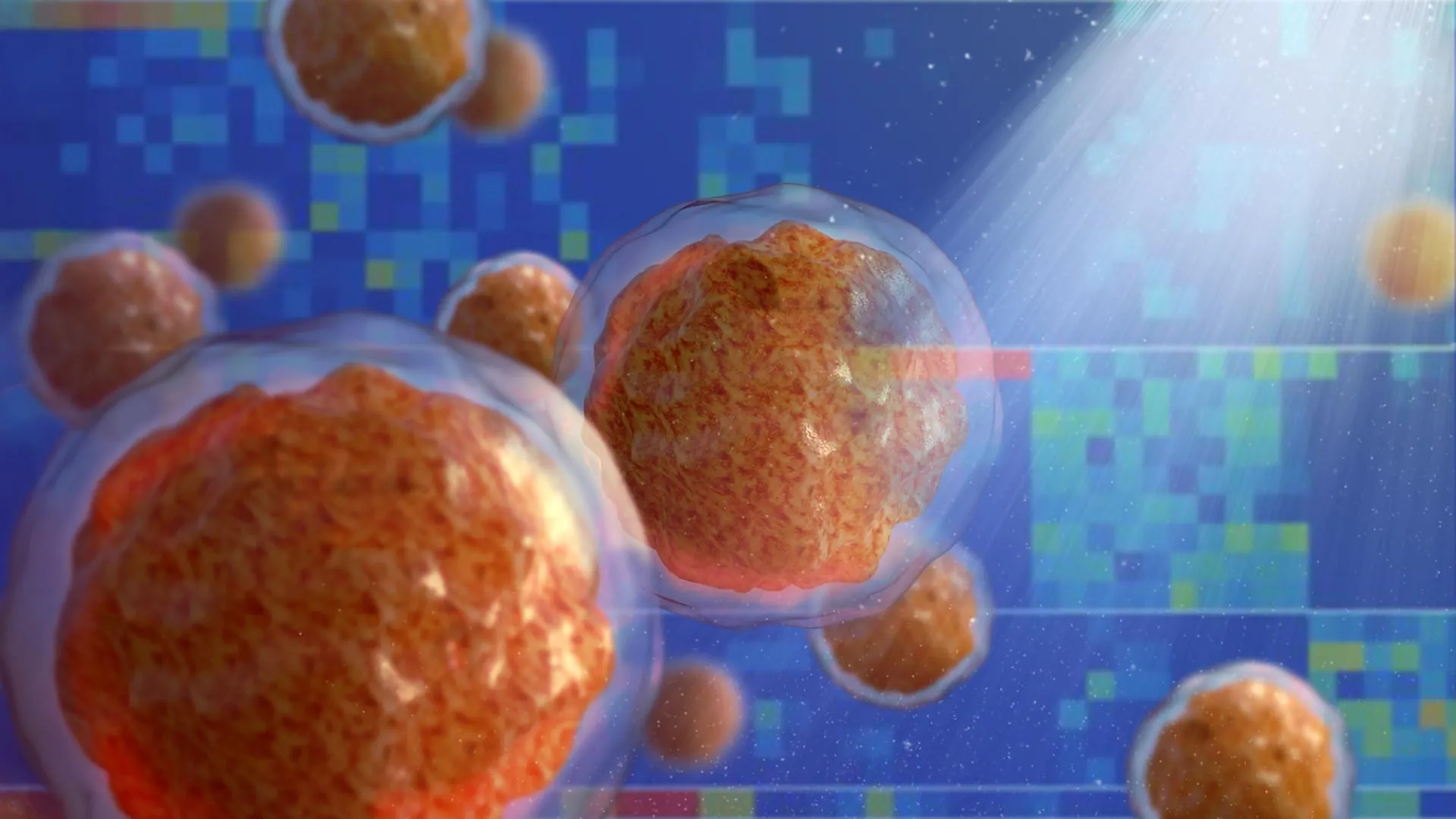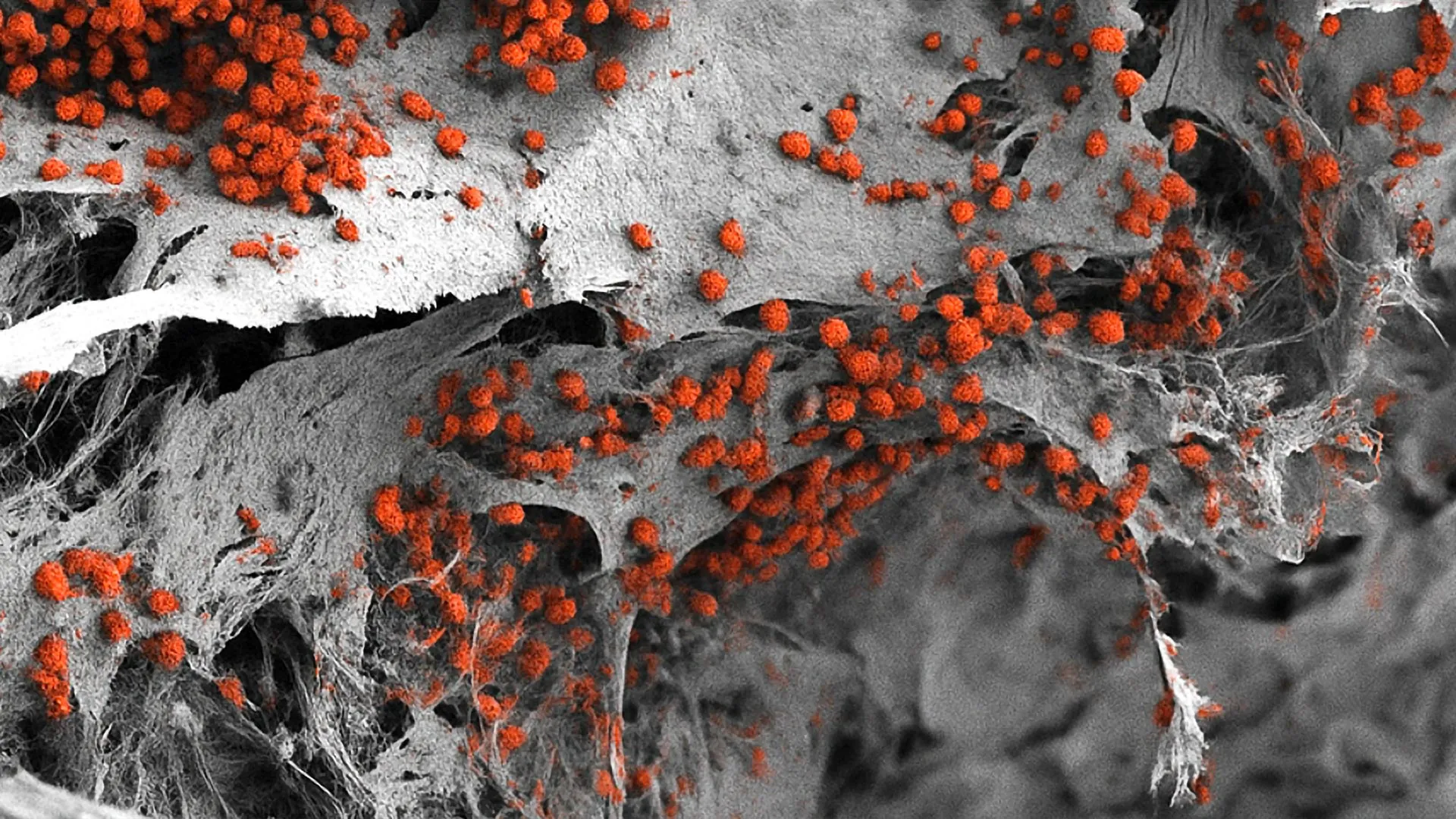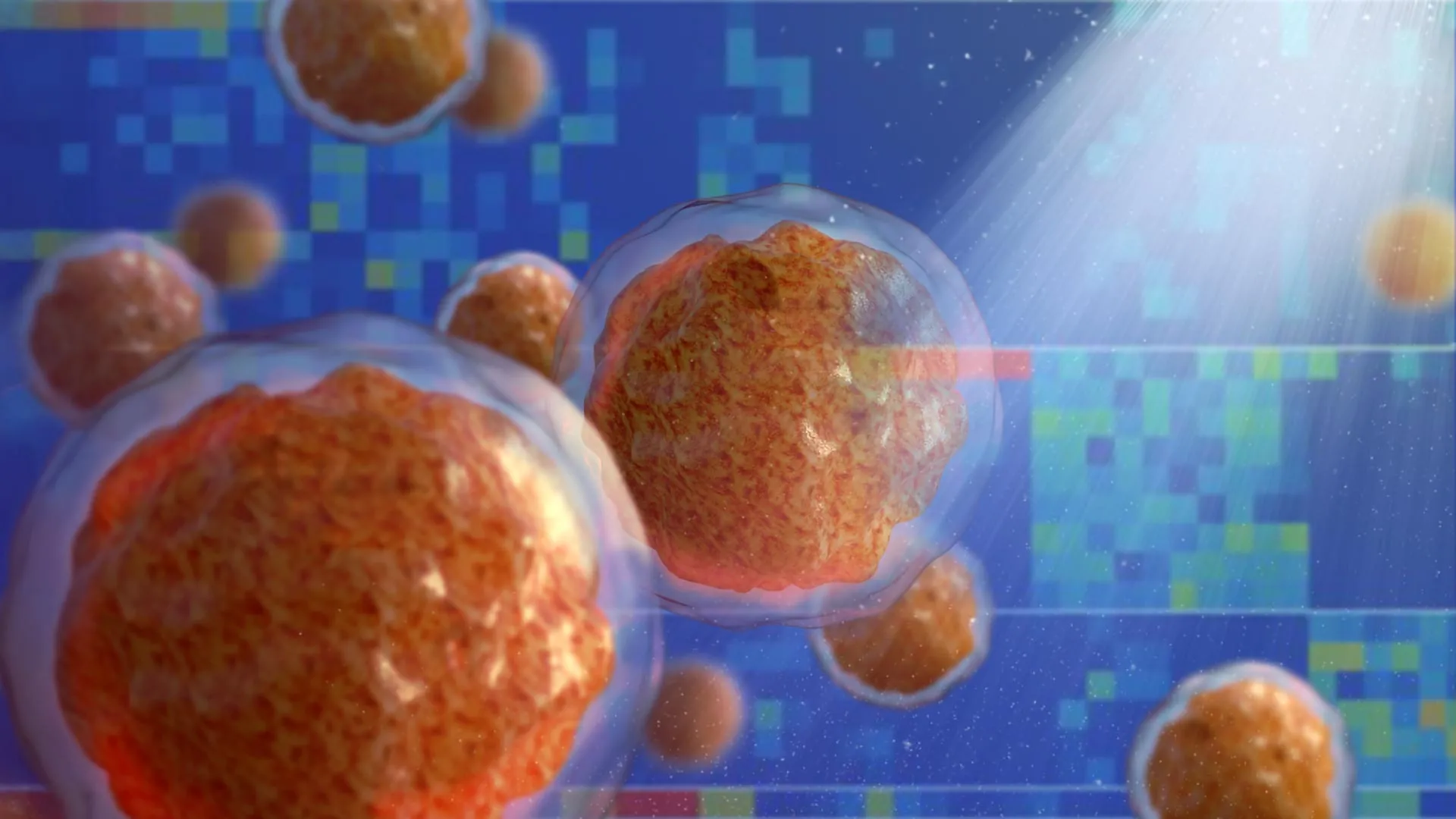
The human bone marrow is one of the most industrious environments in the human body, functioning as a biological factory that generates millions of new blood and immune cells every single second. This relentless cycle of renewal is governed by a delicate and highly coordinated ecosystem comprising hematopoietic stem cells (HSCs), supportive stromal cells, and a sophisticated network of biochemical signaling. However, as the body ages, this equilibrium begins to falter. A landmark international study co-led by the European Molecular Biology Laboratory (EMBL), the University of Basel, and University Medical Center (UMC) Mainz has now revealed that the environment surrounding these stem cells—the bone marrow "niche"—undergoes a radical inflammatory transformation long before the onset of clinical disease.
By mapping the molecular and spatial landscape of the bone marrow, the research team discovered that chronic inflammation and cellular remodeling are not merely symptoms of blood disorders but are active drivers of their progression. These findings, published in Nature Communications, provide a transformative perspective on how conditions such as Clonal Hematopoiesis of Indeterminate Potential (CHIP) and Myelodysplastic Syndromes (MDS) develop, offering new hope for early intervention and preventive therapies.
The Biological Foundation of Hematopoietic Decay
Under normal conditions, hematopoietic stem cells reside in specialized pockets of the bone marrow where they are nurtured by mesenchymal stromal cells (MSCs). These MSCs provide the essential physical structure and chemical signals, such as the protein CXCL12, which keep stem cells anchored and functional. This relationship ensures a steady supply of red blood cells, white blood cells, and platelets.
However, the aging process introduces stressors—including somatic mutations, chronic systemic inflammation, and environmental factors—that disrupt this communication. One of the most common precursors to blood cancer is Clonal Hematopoiesis of Indeterminate Potential (CHIP). In CHIP, a single mutated stem cell begins to clone itself, eventually making up a significant portion of the blood cell population. While CHIP is asymptomatic, its prevalence is staggering: it is found in approximately 10% to 20% of adults over the age of 60 and nearly 30% of those over the age of 80.
The clinical stakes are high. Individuals with CHIP face a tenfold increase in the risk of developing blood cancers and a doubled risk of cardiovascular disease and premature death. When CHIP progresses into Myelodysplastic Syndromes (MDS), the bone marrow’s ability to produce healthy blood cells collapses. MDS affects roughly 20 in every 100,000 adults over the age of 70, and in approximately 30% of cases, the condition transforms into Acute Myeloid Leukemia (AML), an aggressive and often terminal malignancy.
Mapping the Microenvironment: A Multidisciplinary Approach
To uncover why mutated stem cells gain a competitive advantage over healthy ones, the research team, led by Judith Zaugg of EMBL and the University of Basel and Borhane Guezguez of UMC Mainz, conducted an exhaustive analysis of human bone marrow samples. These samples were sourced from the BoHemE cohort study, a collaborative effort with Uwe Platzbecker at the National Center for Tumor Diseases (NCT) in Dresden.
The researchers utilized a suite of cutting-edge technologies to visualize the bone marrow at an unprecedented resolution. This included single-cell RNA sequencing (scRNA-seq) to profile individual cell gene expression, biopsy imaging to observe spatial arrangements, and proteomics to study protein distributions. A critical component of the study was the use of "SpliceUp," a computational tool developed by co-lead author Maksim Kholmatov in collaboration with the Karolinska Institute. SpliceUp allowed the team to distinguish between mutated and non-mutated cells within the same sample by identifying abnormal RNA-splicing patterns—a common hallmark of MDS.
The Discovery of Inflammatory Stromal Cells (iMSCs)
The most striking revelation of the study was the identification of a cellular shift that occurs well before MDS becomes clinically apparent. The researchers found that the traditional, supportive mesenchymal stromal cells (MSCs) are gradually replaced by a specialized population of inflammatory stromal cells, termed iMSCs.
Unlike their healthy counterparts, iMSCs are characterized by the high-level production of interferon-induced cytokines and chemokines. These inflammatory molecules act as a beacon, attracting and activating T cells that are themselves responsive to interferon. This creates a self-sustaining "feed-forward" loop: the iMSCs recruit T cells, which in turn secrete signals that maintain the inflammatory state of the stromal cells.
"I was surprised to observe such pronounced remodeling of the bone marrow microenvironment already in individuals with CHIP," noted Professor Judith Zaugg. "The findings suggest that the environment is being reshaped early on, though the precise cause-and-effect triggers are still being investigated."
The Breakdown of Bone Marrow Architecture
The rise of iMSCs does more than just promote inflammation; it actively degrades the bone marrow’s functional architecture. One of the most significant casualties of this remodeling is the loss of the signal CXCL12. In a healthy niche, CXCL12 acts as a "homing signal" that tells blood cells to settle and remain in the bone marrow to mature.
The study found that in patients with MDS, the stromal cells lose the ability to produce this vital protein. "MDS stem cells couldn’t trigger stromal cells to produce CXCL12," explained Karin Prummel, EMBL postdoc and co-lead author. "This failure may help explain why the bone marrow stops working properly. Without the correct signals to anchor and support blood formation, the entire system begins to fail."
Interestingly, the research suggests that the mutated stem cells themselves are not the direct cause of this inflammation. By using the SpliceUp method to isolate mutated cells, the team observed that the inflammatory network in the microenvironment existed independently of the specific mutations in the hematopoietic cells. This implies that the "soil" (the microenvironment) may be as important, if not more so, than the "seed" (the mutated stem cell) in driving the disease.
Implications for ‘Inflammaging’ and Systemic Health
The study’s findings extend far beyond the realm of hematology, contributing to the growing body of research on "inflammaging." This term describes the low-grade, chronic, systemic inflammation that characterizes biological aging and serves as a common denominator for many age-related pathologies, including neurodegeneration, metabolic syndrome, and cardiovascular disease.
The bone marrow, traditionally viewed as an isolated site of blood production, is now emerging as a central player in systemic aging. When the marrow becomes an inflammatory environment, the immune cells it produces carry that inflammatory "signature" into the rest of the body. This helps explain why individuals with CHIP have such high rates of heart disease; the "angry" immune cells generated in a remodeled bone marrow niche can contribute to the formation of arterial plaques and vascular damage.
A New Frontier for Preventive Therapy
The recognition of the bone marrow niche as a driver of malignancy opens several new avenues for treatment. Historically, cancer therapy has focused almost exclusively on eradicating the mutated "malignant" cells. However, this study suggests that targeting the "ecosystem" could be a more effective way to prevent the transition from CHIP to MDS or AML.
Potential therapeutic strategies include:
- Anti-inflammatory Interventions: Utilizing existing anti-inflammatory drugs or developing new therapies to block interferon signaling could help preserve the healthy function of the bone marrow in older adults.
- Niche-Targeted Therapies: Developing treatments that restore the production of CXCL12 or inhibit the formation of iMSCs could "reset" the environment, making it less hospitable to mutated clones.
- Early Biomarkers: The specific molecular signatures of iMSCs and interferon-responsive T cells could serve as early warning signs, allowing clinicians to identify high-risk patients years before blood counts begin to drop.
"Our findings reveal that the bone marrow microenvironment actively shapes the earliest stages of malignant evolution," said co-senior author Borhane Guezguez. "Understanding how stromal and immune cells interact provides a foundation for preventive therapies that intercept disease progression before leukemia develops."
Future Research and the ‘Memory’ of the Niche
The study, which was published alongside a complementary paper by Marc Raaijmakers from the Erasmus MC Cancer Institute, provides a comprehensive view of the early stages of bone marrow disease. However, many questions remain. One of the most pressing concerns is whether the bone marrow niche retains a "memory" of the disease even after treatment.
"This has important implications for therapies that replace malignant cells but leave the bone marrow niche intact, such as blood stem cell transplantation," Zaugg explained. If the niche remains inflammatory and remodeled, it may prevent new, healthy donor stem cells from functioning correctly, potentially leading to transplant failure or relapse. The team is now investigating how long these niche changes persist and whether they can be reversed.
The research was a global effort, involving experts from the Karolinska Institute, The Jackson Laboratory, Sorbonne University, and various German Cancer Consortium (DKTK) partner institutions. Supported by funding from the European Research Council (ERC), the Swiss National Foundation, and the José Carreras Leukemia Foundation, the study represents a significant leap forward in our understanding of how the body ages and how we might one day stop blood cancer before it even begins.