Researchers at the University of California, Los Angeles (UCLA) have advanced a novel experimental approach utilizing CRISPR activation (CRISPR-A) in neuronal cultures and cerebral forebrain organoids, potentially identifying critical targets for early developmental interventions aimed at inhibiting the manifestation of autism spectrum disorder (ASD). By selectively upregulating two high-confidence ASD risk genes—CHD8 and SCN2A—the research team successfully restored key cellular functions in laboratory models. While clinical translation remains a distant horizon requiring significant advances in delivery mechanisms and timing logistics, the findings introduce a highly specific methodology that could fundamentally shape future therapeutic strategies, genetic counseling frameworks, and prenatal screening methodologies.
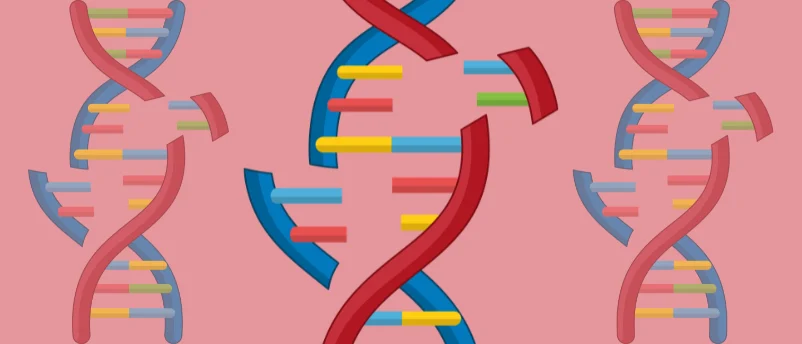
The study centers on the complex genetic architecture of autism spectrum disorder, a neurodevelopmental condition characterized by persistent challenges in social interaction, repetitive behaviors, and atypical speech or nonverbal communication. Although ASD is recognized as a highly heritable condition involving complex polygenic interactions, epidemiological and genetic studies indicate that between 15% and 20% of genetic risk stems from de novo—or spontaneous—mutations. These mutations frequently result in a phenomenon known as haploinsufficiency, wherein the inactivation of one chromosome of an allele pair leads to a harmfully low expression of the corresponding gene product.
Among the myriad genes implicated in these ASD-associated de novo mutations, CHD8 and SCN2A have emerged through rigorous genetic sequencing as two of the most well-categorized and high-confidence targets. CHD8 (chromodomain helicase DNA binding protein 8) acts as a master regulator, modulating the expression of numerous other genes linked to synaptic function and neurodevelopment. Its physiological expression peaks early during neurogenesis. Conversely, SCN2A encodes a voltage-gated sodium channel integral to the generation and propagation of neuronal action potentials. Unlike CHD8, SCN2A expression predominantly occurs in the brain later in gestation, beginning during mid-fetal development and extending into postnatal life. Because both genes suffer from haploinsufficiency in specific subsets of patients with autism, researchers identified them as prime candidates for targeted genetic rescue.
Methodological Innovation: Enhancer-Targeted CRISPR-A
To investigate the functional consequences of CHD8 and SCN2A haploinsufficiency and evaluate potential rescue strategies, the UCLA investigators utilized human pluripotent stem cell-derived excitatory neurons and three-dimensional cerebral forebrain organoids, often colloquially referred to as "mini-brains." These models provide a sophisticated, human-relevant platform to observe neurodevelopmental processes in vitro, bridging the gap between flat cell cultures and human neurobiology.
To modulate gene expression, the team selected CRISPR activation (CRISPR-A), a modified CRISPR-Cas system designed to upregulate target genes rather than cleave them. Traditional CRISPR-Cas9 technologies are optimized for gene knockouts, whereas CRISPR-A employs a catalytically inactive Cas protein fused to transcriptional activation domains. However, standard CRISPR-A approaches directed at gene promoters can occasionally prove overzealous, precipitating excessive gene overexpression that can incapacitate or induce toxicity in delicate neuronal cells.
Because ASD mutations in CHD8 and SCN2A drive haploinsufficiency rather than a complete absence of the gene,
full restoration—rather than over-amplification—was required. To mitigate the risk of cellular over-activation, the research team engineered a more refined protocol: instead of targeting gene promoters directly, they focused their CRISPR-A machinery on distal gene enhancers. This enhancer-targeted approach, designated as eCRISPR-A, allowed for a finely tuned, physiological restoration of gene transcription.
Chronology and Experimental Observations
The investigative timeline followed a precise trajectory of stem cell differentiation, organoid generation, and staged genetic intervention tailored to the unique developmental windows of each gene. Because CHD8 expression peaks early in neurogenesis, the eCRISPR-A intervention for CHD8 models was administered at 25 days into organoid development. In contrast, reflecting the later developmental timeline of SCN2A, interventions for those models were deployed at 100 days.

Upon executing the eCRISPR-A protocol, the researchers observed distinct, measurable phenotypic rescues across both genetic models:
In the CHD8 models, enhancer-targeted CRISPR-A successfully brought gene activity closer to typical, wild-type levels. This restored trajectory helped the neural cells mature normally. Furthermore, in the three-dimensional organoid models, the intervention mitigated aberrant cellular proliferation, effectively reducing the pathological overgrowth frequently observed in CHD8-deficient organoid cultures.
In the SCN2A models, eCRISPR-A largely restored normal electrical activity within the neurons, successfully addressing the impaired firing properties characteristic of the mutation. Nevertheless, the investigators noted that certain finer aspects of electrical activity remained partially incapacitated in specific cell lines, underscoring the biological complexity of restoring multi-channel neuronal networks.
Crucially, the experimental data revealed a high degree of molecular selectivity. Increases in gene expression driven by eCRISPR-A were strictly confined to mutant models. Healthy, wild-type cell lines subjected to the same intervention remained entirely unchanged, exhibiting no aberrant upregulation or off-target transcriptional alterations.
Statements and Expert Analysis
Reflecting on the precision and therapeutic implications of these findings, George Chen, the study’s first author, emphasized the importance of cellular specificity. "What stood out for us was that the approach acted only in cell lines carrying the mutation and left healthy cell lines alone," Chen stated. "That kind of specificity matters for any future therapy. We are still a long way from the clinic, and there is a lot of work ahead on delivery and timing, but these findings provide hope and give us a clear direction."
The scientific community has similarly acknowledged the conceptual leap represented by enhancer-targeted activation while acknowledging formidable translational barriers. Intercepting neurodevelopmental conditions at the genetic level inside human tissues represents a paradigm shift from symptomatic management to etiological correction. However, experts note that moving from laboratory organoids to human clinical applications introduces unprecedented pharmacological and logistical challenges.
Broader Impact, Clinical Implications, and Future Horizons
While the rescue of CHD8 and SCN2A expression in organoid models demonstrates clear proof-of-concept, the temporal constraints identified by the research team highlight the profound difficulties associated with translating such interventions into actual clinical treatments. The necessity of administering the CHD8 intervention at 25 days of organoid development—and SCN2A at 100 days—corresponds to very early windows in human embryogenesis.
When roughly translated to human gestational timelines, a direct therapeutic intervention of this nature would theoretically need to be deployed during the first trimester, frequently before most pregnancies are clinically confirmed or diagnosed. Consequently, direct prenatal therapeutic administration via CRISPR-A remains a distant prospect, bound by ethical, technical, and safety evaluations that will require decades of rigorous investigation.
Despite these clinical hurdles, the broader value of the research extends far beyond immediate therapeutic delivery. Enhancing the medical and scientific understanding of how CHD8 and SCN2A haploinsufficiency disrupts early neurodevelopment provides immediate utility for prenatal screening protocols and genetic counseling. As genomic sequencing becomes increasingly integrated into perinatal care, identifying specific high-confidence risk variants allows families and clinicians to better understand potential neurodevelopmental trajectories. Furthermore, the validation of eCRISPR-A as a precise tool for transcriptional rescue offers a foundational framework that researchers can adapt for other monogenic neurodevelopmental disorders, opening new pathways for precision molecular medicine.