The discovery of a previously unknown bacterial species residing within the body walls of the deep-sea echinoderm Scotoplanes—commonly known as the sea pig—marks a significant milestone in marine microbiology. An international team of researchers, led by scientists at the University of Tokyo’s Graduate School of Frontier Sciences, has identified a bacterium with an extraordinarily streamlined genome that thrives in a state of deep biological intimacy with its host. Formally named Candidatus Abyssoplasma scotoplanesicola, this microorganism challenges existing understandings of bacterial evolution, genome reduction, and host-dependent survival in one of the most extreme environments on Earth.
The Anatomy of the Deep-Sea Host
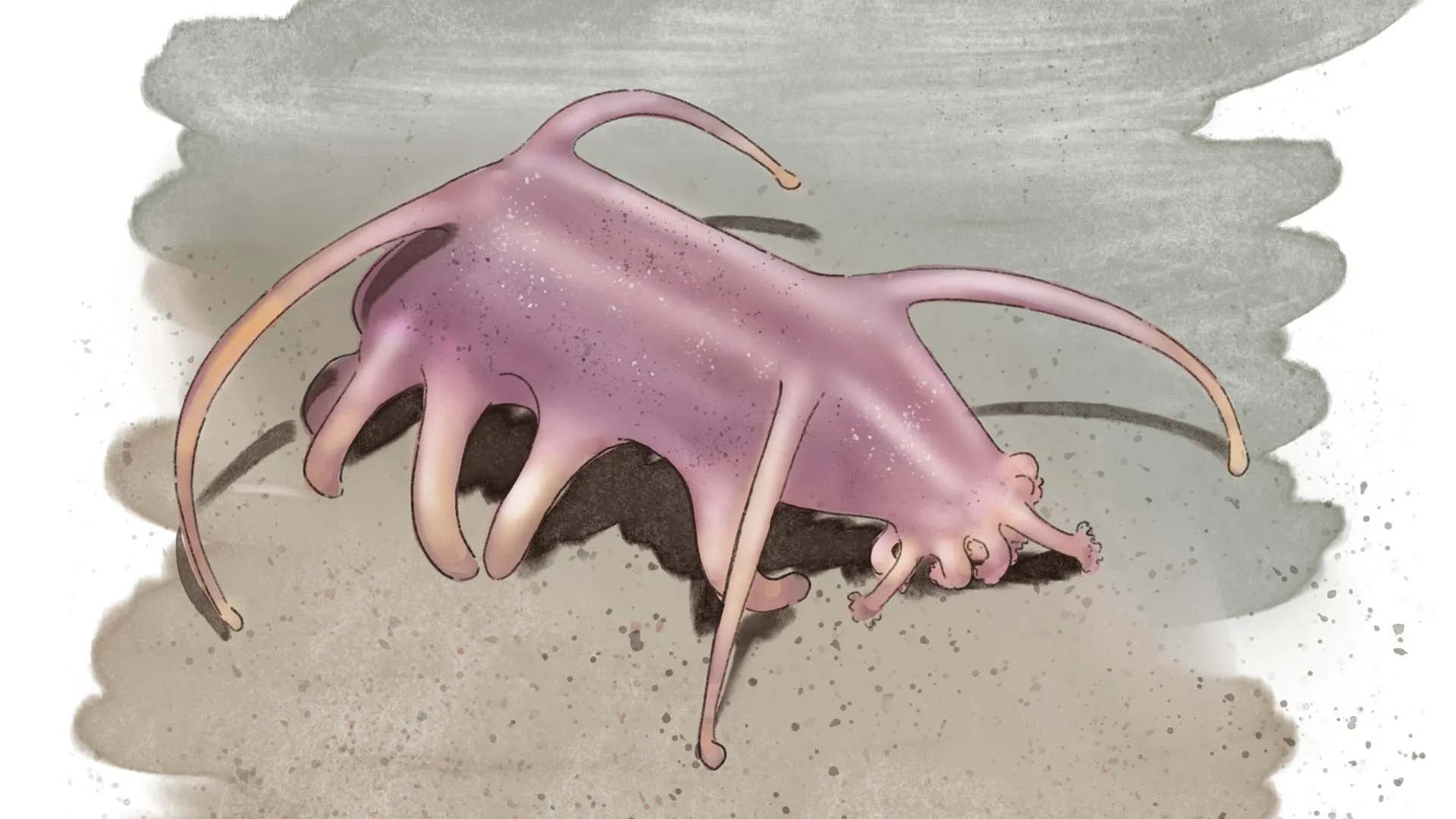
Sea pigs are gelatinous, tentacled creatures belonging to the class Holothuroidea, or sea cucumbers. Despite their whimsical common name, they are vital components of the abyssal plain ecosystem. Residing at depths often exceeding 6,000 meters, these creatures navigate the crushing pressure of the deep ocean using specialized tube-shaped feet. Their biological role is foundational; as detritivores, they process decaying organic material—often referred to as "marine snow"—that drifts down from the upper layers of the ocean. By recycling these nutrients, they sustain the complex web of life on the seafloor.
Recent ecological surveys have indicated that sea cucumbers can account for more than 90% of the biomass of megafauna in certain deep-sea benthic environments. Yet, despite their ecological prominence, their internal biology has remained largely terra incognita. The symbiotic relationships they maintain with microbial communities have long been suspected, but until this study, the taxonomic identity and functional capacity of these hidden partners were virtually unknown.
Chronology of the Discovery
The research process, which spanned several years of collection and laboratory analysis, began with deep-sea expeditions aimed at cataloging the biodiversity of the Hadal and Abyssal zones.
- Expedition Phase: Researchers collected eight specimens of three distinct Scotoplanes species from various deep-sea locations.
- Genomic Extraction: Upon returning to the lab, the team extracted DNA from multiple tissue types, including the body walls, to map the microbial landscape.
- Bioinformatic Reconstruction: Using high-throughput sequencing, the team reconstructed the genomes of the most dominant bacterial groups present.
- Fluorescence Mapping: The final phase involved fluorescence in situ hybridization (FISH) to visualize the spatial distribution of the bacteria, confirming their dense colonization of the sea pig’s body wall.
The data revealed that Candidatus Abyssoplasma scotoplanesicola was not merely present; it was dominant. In the samples analyzed, this single bacterium accounted for more than 70% of the bacterial 16S rRNA gene sequences found in the host’s body wall, suggesting a highly successful evolutionary specialization.
Genomic Architecture and the Mystery of "Giant" Proteins
The genetic profile of Candidatus Abyssoplasma scotoplanesicola is perhaps its most startling feature. With a genome size of only 649,000 DNA bases, it is significantly smaller than the average free-living bacterium. For context, Escherichia coli, a ubiquitous and relatively simple organism, possesses a genome roughly seven times larger.
This extreme genome reduction is a hallmark of "obligate symbionts"—organisms that have lost the ability to survive outside of a host. Genetic analysis revealed the absence of several essential pathways, including those required for the independent synthesis of amino acids and lipids. This implies that the bacterium has traded its autonomy for the stability of the sea pig’s internal environment, effectively outsourcing its metabolic requirements to its host.
However, the most intriguing discovery involves the allocation of the remaining genetic material. Despite the "slimming down" of its genome, 27.6% of its DNA is dedicated to producing proteins associated with the bacterial surface. Among these are "giant" proteins exceeding 5,000 amino acids in length. Given that the average bacterial protein consists of approximately 300 amino acids, the presence of these massive structures suggests a specialized evolutionary investment. Researchers hypothesize that these proteins are critical for mediating the interaction between the bacterium and the sea pig’s host cells, or potentially facilitating the clustering of bacterial colonies within the tissue matrix.
Scientific Implications and Expert Perspective
Yu Yoshida, the lead author of the study and a Ph.D. student at the University of Tokyo, emphasized the rarity of such findings. "Taxonomic and genomic information about these body-wall inhabiting bacteria is scarce, and very few studies of deep-sea species have linked this information to the bacteria’s location within host tissues," Yoshida stated.
The research team suggests that the bacterium’s dependency on the sea pig represents a sophisticated evolutionary strategy. By losing the genetic "dead weight" of redundant metabolic pathways, the bacterium can channel its energy into maintaining its niche within the host. Whether the sea pig derives a reciprocal benefit—such as protection against pathogens or assistance in nutrient processing—remains a subject of ongoing investigation.
"We would really like to understand how this bacterium could become so dominant in the body wall, the functions of the giant surface proteins, what competition it faces from other bacteria, and of course the effects on the host," Yoshida added.
Broader Impact on Deep-Sea Research
The identification of Candidatus Abyssoplasma scotoplanesicola has far-reaching implications for our understanding of life in the deep ocean. It demonstrates that the abyssal seafloor is not merely a graveyard of organic matter, but a site of complex, long-term evolutionary experimentation.
The study highlights a recurring theme in microbial evolution: the transition from independent survival to host-dependent symbiosis. By studying how these bacteria have adapted to the pressures of the deep sea—literally and figuratively—scientists hope to gain insights into the fundamental rules of life and the resilience of ecosystems in the most isolated regions of our planet.
Furthermore, this work underscores the critical need for continued investment in deep-sea exploration. As climate change alters ocean temperatures and chemistry, understanding the symbiotic relationships that support deep-sea biomass is essential for predicting the stability of benthic ecosystems. The "sea pig" bacterium is likely one of millions of uncatalogued organisms, each carrying a unique genetic signature that tells the story of life’s adaptability in the face of immense environmental pressure.
As the scientific community continues to analyze these findings, the focus will shift toward the functional analysis of those "giant" proteins. Understanding whether they act as anchors, signals, or defense mechanisms will be the next frontier in unraveling the mystery of the deep-sea symbiont. For now, the discovery serves as a poignant reminder that even the most inconspicuous creatures, such as the humble sea pig, are hosts to a world of biological complexity that we are only just beginning to map.
Funding for this research was provided by the Japan Society for the Promotion of Science (JSPS) KAKENHI Grant Number JP22H00557 and the JST SPRING program, Grant Number JPMJSP2108.