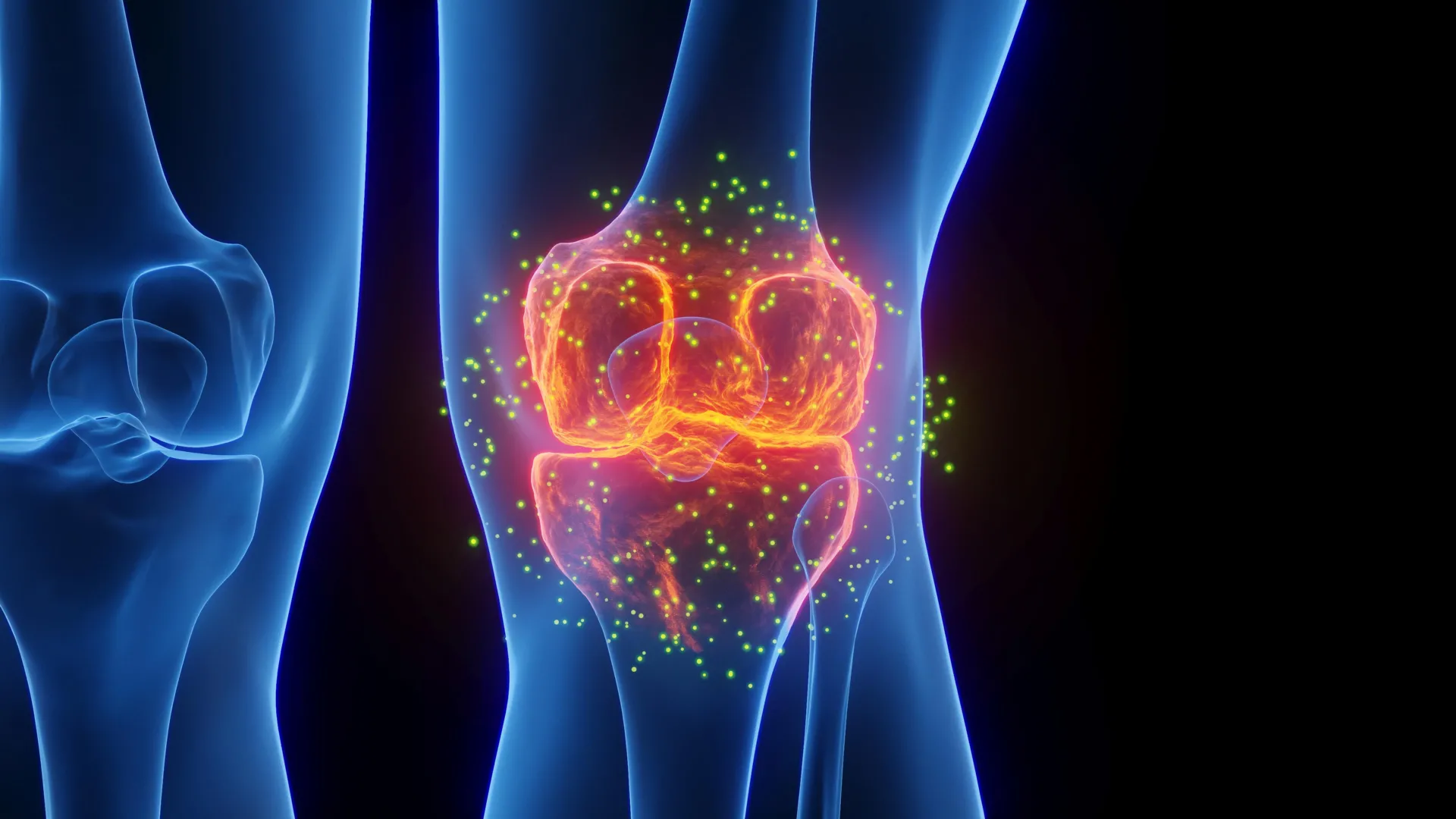
In a breakthrough that could fundamentally alter the treatment landscape for degenerative joint diseases, researchers at Stanford Medicine have identified a therapeutic pathway that restores lost knee cartilage in aging mice and prevents the onset of osteoarthritis following traumatic joint injuries. The study, published in the journal Science, centers on the inhibition of a specific protein known as 15-PGDH, which the researchers have classified as a "gerozyme"—an enzyme that increases with age and drives the degradation of tissue function. By blocking this protein, the team was able to trigger a remarkable regenerative response not only in animal models but also in human tissue samples, suggesting that a future involving non-surgical reversals of joint decay may be within reach.
The implications of this discovery are vast, as osteoarthritis remains the leading cause of disability among older adults. Current medical interventions are largely limited to palliative care, such as pain management and physical therapy, or invasive end-stage procedures like total knee or hip replacements. If the results of this study translate successfully to human clinical applications, the medical community may finally have a disease-modifying osteoarthritis drug (DMOAD) capable of stopping or even reversing the underlying biological processes of the disease.
Understanding the Role of 15-PGDH and the Gerozyme Concept
The research, led by Helen Blau, PhD, and Nidhi Bhutani, PhD, builds upon years of investigation into the molecular mechanisms of aging. In 2023, the same team identified a class of proteins they termed gerozymes. These are enzymes that typically serve useful functions in youth but become overabundant in old age, leading to a decline in the regenerative capacity of various tissues.
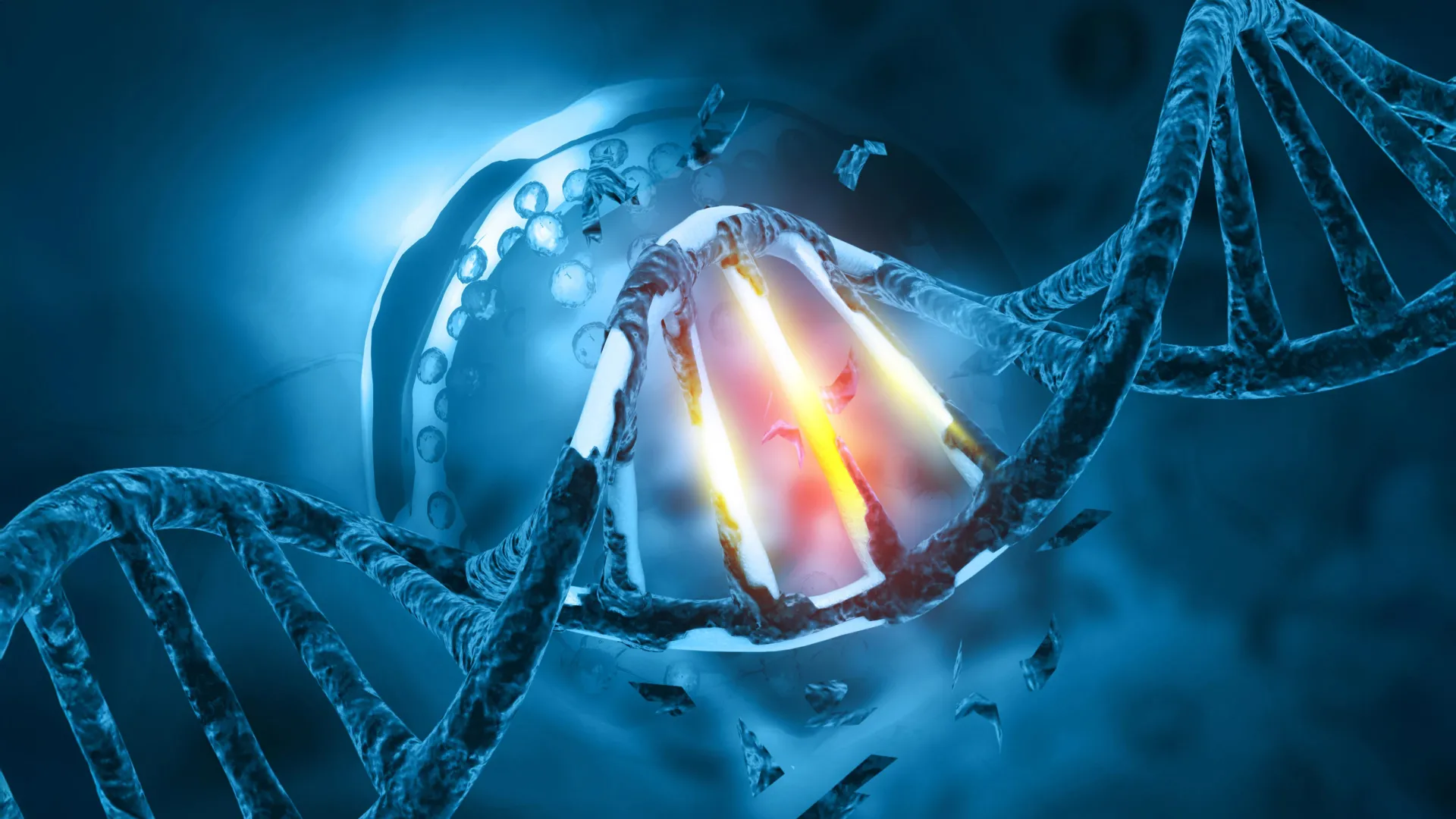
The protein 15-PGDH (15-hydroxyprostaglandin dehydrogenase) is the primary enzyme responsible for breaking down Prostaglandin E2 (PGE2), a signaling molecule that is essential for tissue repair and stem cell function. As organisms age, levels of 15-PGDH rise, causing a corresponding drop in PGE2. This imbalance creates a "regenerative blockade" that prevents the body from repairing routine wear and tear.
Prior to the current study, Dr. Blau’s laboratory demonstrated that inhibiting 15-PGDH could restore muscle mass and strength in aged mice. The researchers found that by lowering the levels of this gerozyme, older animals regained muscle endurance comparable to their younger counterparts. This success prompted the team to investigate whether the same mechanism could be applied to other tissues that struggle to regenerate, specifically the articular (hyaline) cartilage found in joints.
A Paradigm Shift in Tissue Regeneration
One of the most significant findings of the Stanford study is the discovery that cartilage regeneration does not appear to rely on stem cells. In most tissues, such as skin or blood, repair is driven by a population of stem cells that divide and differentiate into specialized cells. However, hyaline cartilage—the smooth, slippery tissue that coats the ends of bones—has long been considered to have little to no regenerative capacity because it lacks a robust stem cell population.
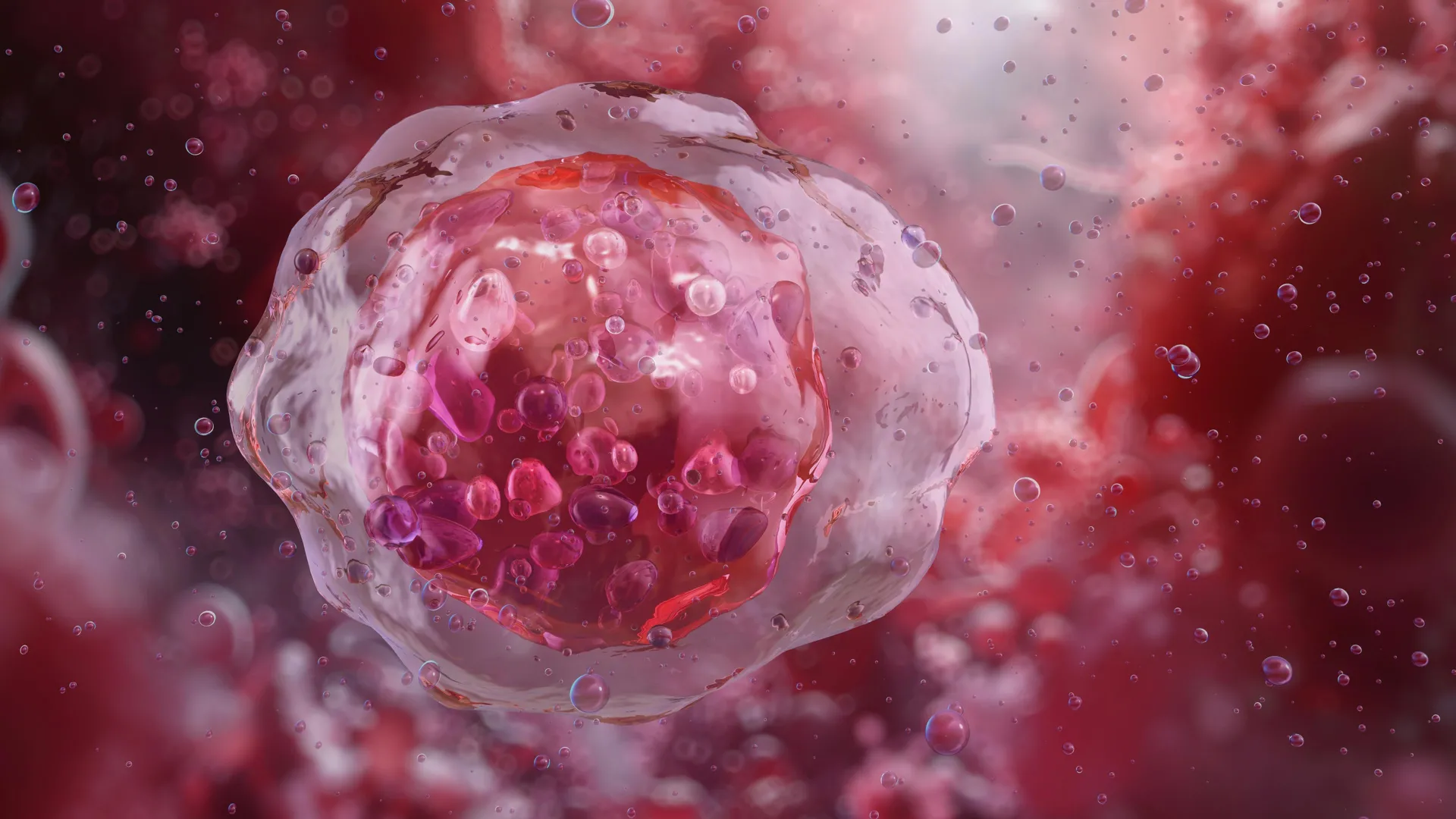
The researchers discovered that cartilage-producing cells, known as chondrocytes, possess a hidden plastic potential. When 15-PGDH is inhibited, these mature chondrocytes undergo a form of cellular "reprogramming." Instead of remaining in a senescent or inflammatory state, they revert to a more youthful genetic profile. This allows them to resume the production of the extracellular matrix, including collagen and proteoglycans, which are the building blocks of healthy cartilage.
"This is a new way of regenerating adult tissue, and it has significant clinical promise for treating arthritis due to aging or injury," stated Dr. Blau, who serves as the director of the Baxter Laboratory for Stem Cell Biology. The realization that existing cells can be "re-awakened" to repair their own environment represents a major shift in the field of regenerative medicine.
Experimental Results: Reversing Age and Preventing Injury
The research team conducted a series of rigorous experiments using mouse models to test the efficacy of a small-molecule 15-PGDH inhibitor. The study focused on two primary scenarios: natural age-related degeneration and post-traumatic osteoarthritis.
Restoring Cartilage in Aged Mice
In the first set of experiments, the researchers treated elderly mice that had naturally occurring cartilage thinning. The treatment was administered through two different routes: systemic injections into the abdomen and localized injections directly into the knee joint.
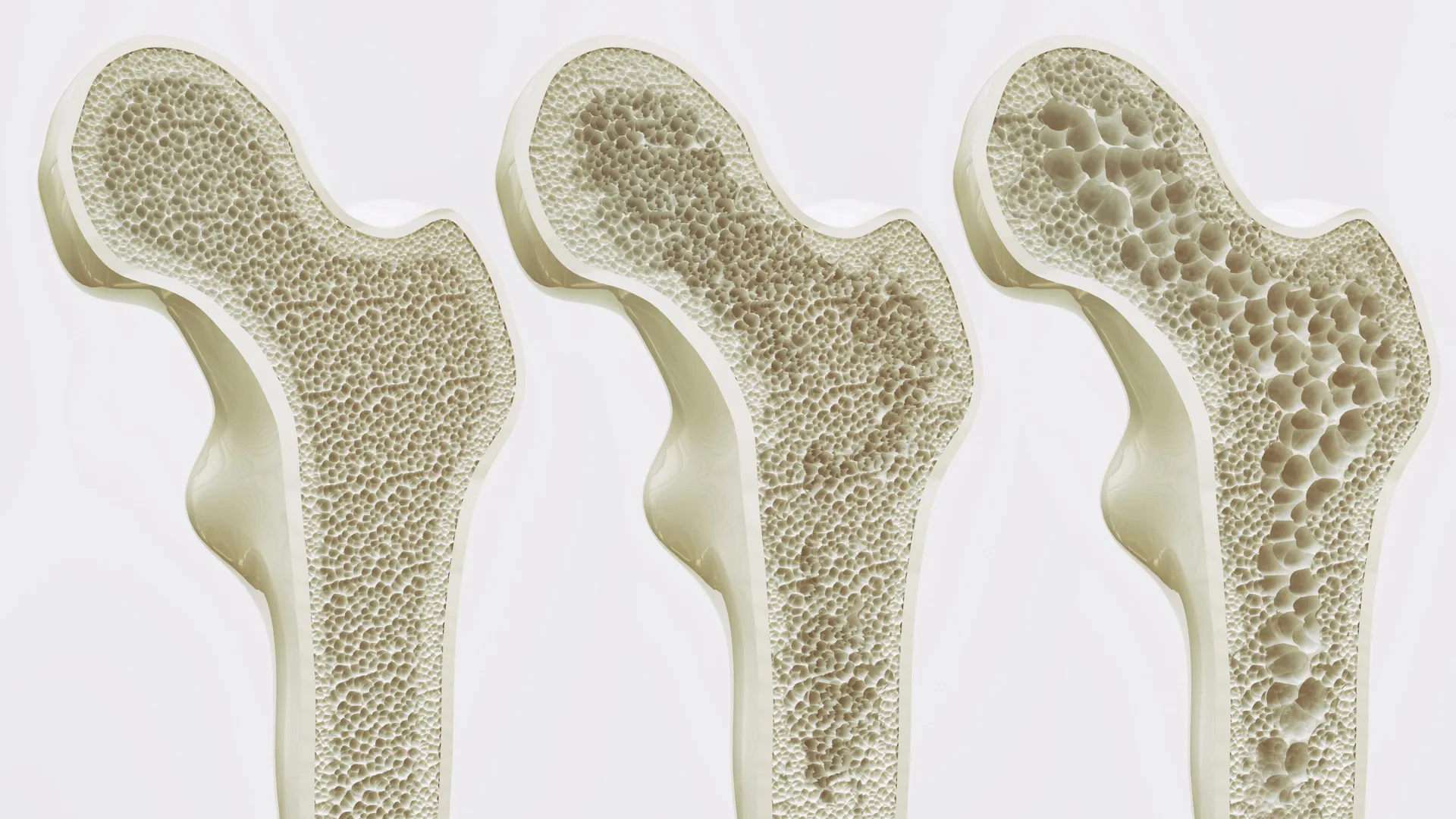
The results were described as "remarkable." In both groups, the treated mice showed a dramatic increase in cartilage thickness. Microscopic analysis revealed that the new tissue was hyaline cartilage—the high-quality, functional type of cartilage required for smooth joint movement. This is a critical distinction, as the body often attempts to repair injuries with fibrocartilage, a tougher, scar-like tissue that does not provide the same shock-absorbing properties and eventually leads to further joint breakdown.
Preventing Post-Traumatic Osteoarthritis
The second phase of the study addressed the link between joint injuries and future arthritis. In humans, tears of the anterior cruciate ligament (ACL) are common in athletes. While surgery can stabilize the joint, approximately 50% of patients develop osteoarthritis within 15 years of the injury.
The researchers simulated ACL-type injuries in mice. Those left untreated showed a doubling of 15-PGDH levels and developed severe osteoarthritis within four weeks. However, mice that received the 15-PGDH inhibitor twice weekly for one month following the injury were largely protected. These treated mice exhibited significantly less cartilage loss, walked with a more natural gait, and were able to bear more weight on the injured limb compared to the control group.
Validation in Human Tissue Samples
To ensure the findings were relevant to human biology, the researchers obtained cartilage samples from patients undergoing total knee replacement surgeries at Stanford Hospital. These samples represented the "end-stage" of osteoarthritis, where cartilage is severely degraded.
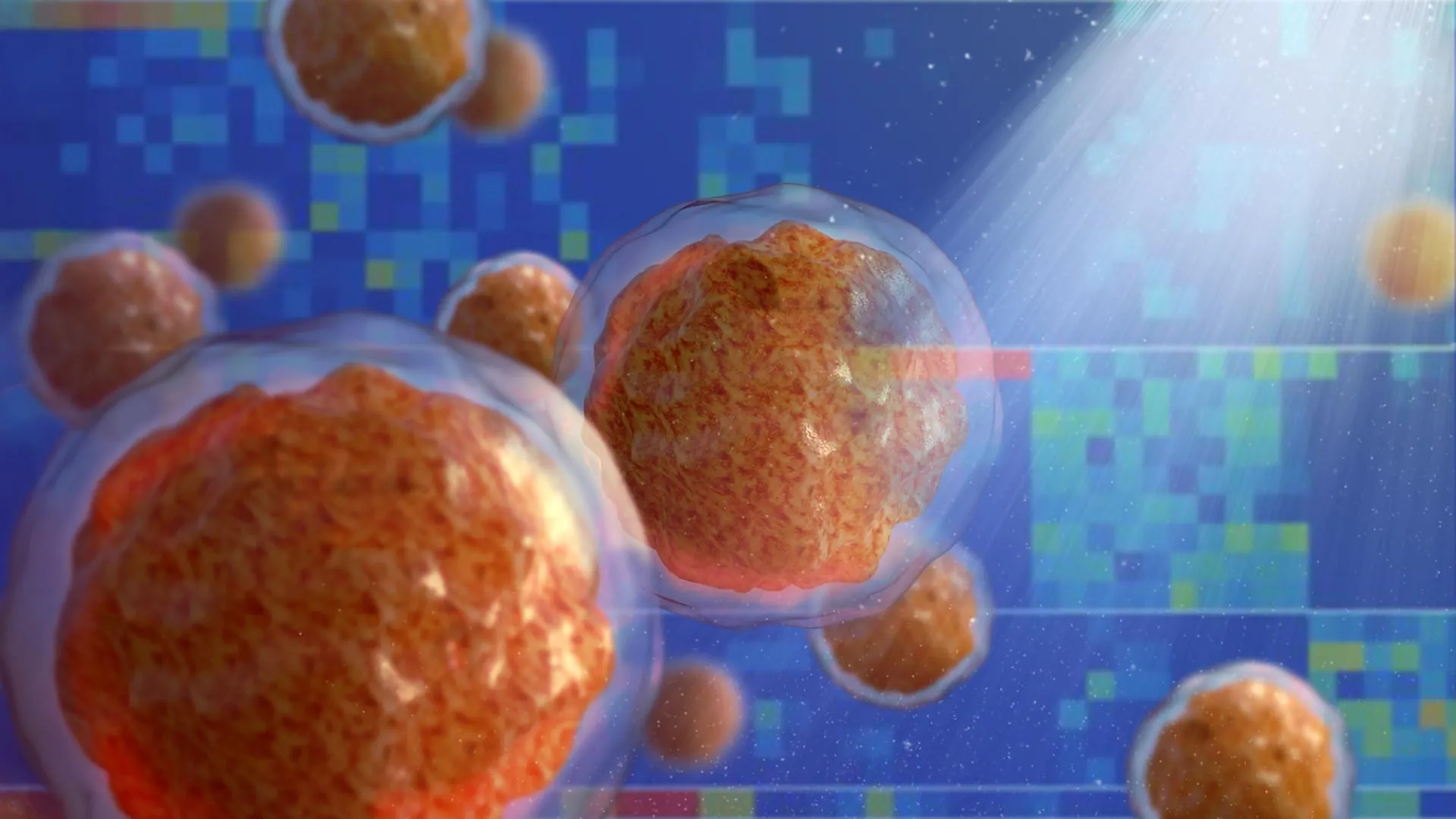
The human tissue was exposed to the 15-PGDH inhibitor in a laboratory setting. Within just one week, the samples showed signs of recovery. The researchers observed a decrease in the activity of genes associated with inflammation and cartilage breakdown. Simultaneously, there was an uptick in the expression of genes responsible for building new, functional articular cartilage.
"The mechanism is quite striking and really shifted our perspective about how tissue regeneration can occur," said Dr. Bhutani, associate professor of orthopedic surgery. "It’s clear that a large pool of already existing cells in cartilage are changing their gene expression patterns."
Supporting Data and Socioeconomic Impact
The potential for a pharmacological treatment for osteoarthritis carries significant economic and public health implications. According to the Centers for Disease Control and Prevention (CDC), osteoarthritis affects approximately 32.5 million adults in the United States alone.
- Prevalence: Roughly 20% of the adult population suffers from some form of the disease.
- Economic Burden: Osteoarthritis and related conditions cost the U.S. healthcare system approximately $65 billion in direct costs annually. This figure does not include indirect costs such as lost wages and decreased productivity.
- Surgical Volume: Over 790,000 total knee replacements and 450,000 hip replacements are performed each year in the U.S. While these surgeries are often successful, they involve significant recovery time, risk of infection, and a finite lifespan for the prosthetic implants.
The ability to treat the disease at an earlier stage—either through an oral medication or a simple joint injection—could delay or eliminate the need for hundreds of thousands of surgeries each year.
Chronology of Discovery and Future Directions
The journey toward this discovery began years ago in Dr. Blau’s lab with the study of muscle regeneration. The timeline of the research highlights a steady progression toward clinical application:
- Early 2020s: Identification of the link between 15-PGDH and muscle stem cell exhaustion in mice.
- 2023: The formal classification of 15-PGDH as a "gerozyme" and the publication of findings regarding its role in systemic aging.
- 2024: Publication of the Science study detailing the protein’s impact on hyaline cartilage and the successful "reprogramming" of chondrocytes.
- Current Status: An oral version of a 15-PGDH inhibitor has already entered Phase 1 clinical trials. These initial trials are focused on safety and are being tested in the context of age-related muscle weakness (sarcopenia).
The researchers are optimistic that the safety data from the muscle trials will pave the way for clinical trials specifically targeting osteoarthritis. Because the safety profile of these inhibitors is already being established in humans, the transition to testing for joint health may be expedited.
Analysis of Implications and Conclusion
The discovery by the Stanford-led team represents a pivotal moment in orthopedic medicine. For decades, the medical consensus was that once articular cartilage was gone, it was gone for good. This study shatters that dogma by demonstrating that the cellular machinery for repair remains present even in the elderly; it is simply being suppressed by age-related enzymatic changes.
The potential for a "rejuvenation" therapy that targets the root cause of aging rather than just the symptoms of the disease aligns with the growing field of geroscience. By focusing on 15-PGDH, scientists are not just treating a single joint; they are addressing a fundamental driver of tissue decay that affects the entire body.
As the global population ages—a phenomenon often referred to as the "silver tsunami"—the demand for effective, non-invasive treatments for degenerative diseases will only increase. If 15-PGDH inhibitors prove as effective in humans as they have in mice, the "gold standard" for treating joint pain may move away from the scalpel and toward a pharmacy-based approach that restores the body’s natural ability to heal itself.
The research was supported by various institutions, including the National Institutes of Health and the Baxter Foundation for Stem Cell Biology. Several authors have disclosed financial interests in Epirium Bio, a company that has licensed the technology for further development, signaling a clear path toward commercialization and widespread clinical availability.