The University of Illinois Urbana-Champaign has unveiled a transformative approach to In Vitro Fertilization (IVF) by leveraging the natural biochemical mechanisms of the female reproductive tract to enhance sperm longevity and selection. This breakthrough, documented in a recent study published in the journal Scientific Reports, introduces a method to stabilize sperm viability within a laboratory setting, effectively mimicking the protective environment of the fallopian tube. By utilizing specific complex sugars known as glycans, researchers have successfully extended the window of fertility, a development that carries profound implications for both human reproductive medicine and global animal agriculture.
In vitro fertilization is a complex, multi-stage process where success is often dictated by the precise synchronization of biological variables. Among these, the viability and timing of sperm are paramount. In the natural reproductive process, the oviduct—commonly known as the fallopian tube in humans—acts as a sophisticated reservoir. It does not merely transport sperm; it filters, protects, and sustains them, ensuring they remain capable of fertilization until an egg is released. Until now, recreating this specialized "nurturing" environment in a clinical or laboratory setting has been a significant hurdle for embryologists.
The Biological Foundation: The Oviduct as a Natural Reservoir
The genesis of this research dates back to 2020, when a team led by David Miller, a professor in the Department of Animal Sciences at the University of Illinois, identified that the oviduct’s ability to maintain sperm lifespan was linked to its molecular composition. Specifically, the team discovered that glycans—complex carbohydrate chains found on the surface of cells—serve as the primary binding agents. These glycans capture sperm cells, holding them in a quiescent state that preserves their energy and prevents premature degradation.
"The fallopian tube in women, or the oviduct, has an ability to lengthen sperm lifespan that, until now, we couldn’t recreate in IVF," explained Professor Miller, who is also affiliated with the Carl R. Woese Institute for Genomic Biology. "In 2020, we discovered that complex sugars called glycans are the components of the oviduct that can bind and store sperm and keep them alive."
This realization shifted the focus of IVF research from merely optimizing culture media to attempting to replicate the physical and chemical interactions of the oviduct. By understanding which specific glycans were responsible for this "storage" effect, the researchers aimed to create a synthetic version of the natural sperm reservoir within a petri dish.
Methodology: Identifying and Testing suLeX
To identify the most effective glycan, Miller’s group collaborated with expert chemists to screen hundreds of candidate molecules. The goal was to find a glycan with a high affinity for binding sperm without causing damage or permanent immobilization. After exhaustive testing, the team identified a specific trisaccharide known as sulfated Lewis X, or suLeX.
The researchers utilized pig sperm for the initial proof of concept. Swine were chosen for two primary reasons: first, the pig reproductive system serves as a robust model for mammalian biology, including humans; and second, the swine industry faces a specific challenge in IVF known as polyspermy. In pigs, multiple sperm often penetrate a single egg simultaneously, leading to chromosomal abnormalities and inviable embryos. By creating a system where sperm bind to a surface rather than swimming freely, the researchers hypothesized they could better control the number of sperm reaching the egg.
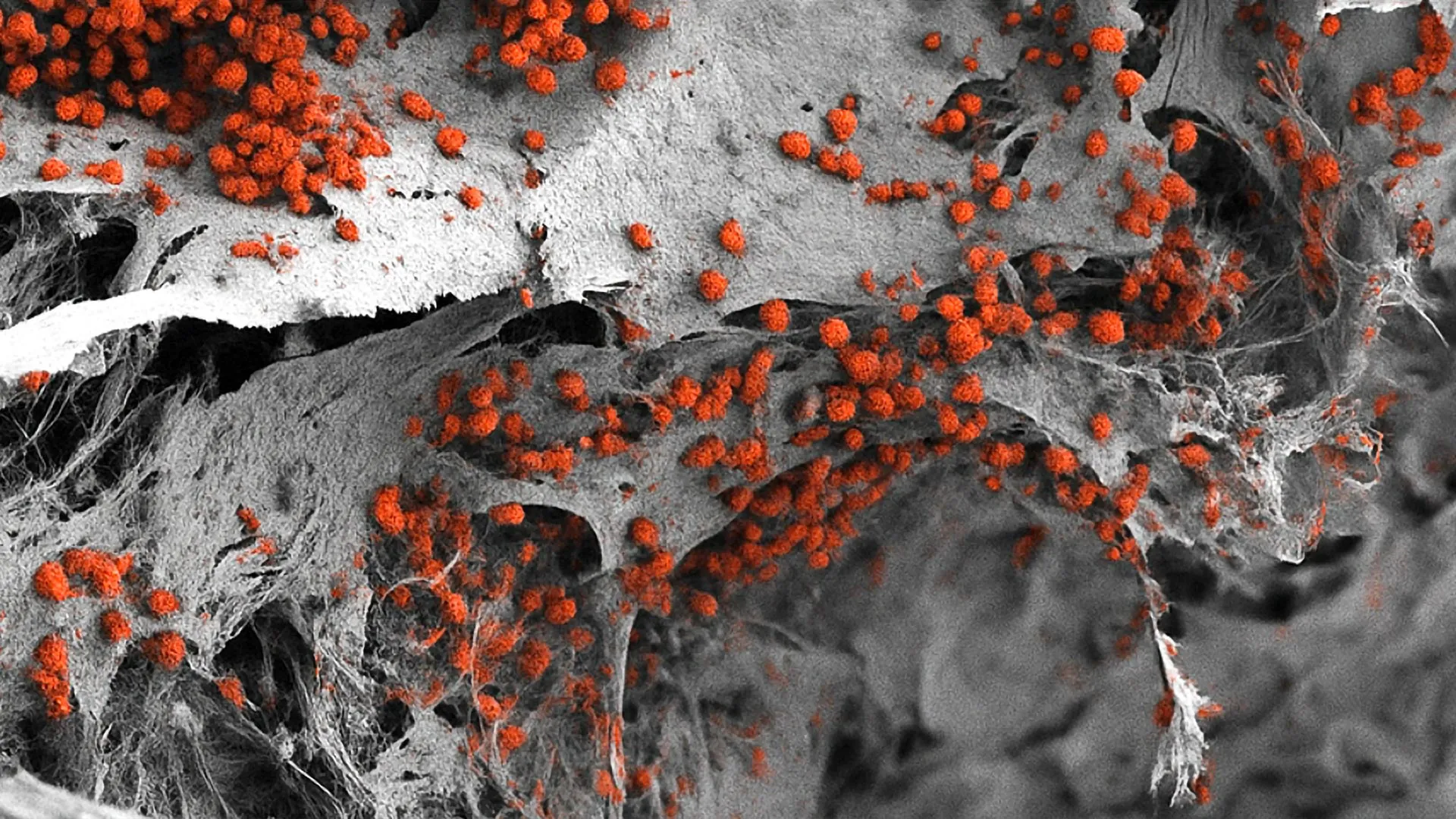
The experimental setup involved attaching suLeX to the bottom of glass culture dishes. Sperm were then introduced and allowed 30 minutes to adhere to the glycan-coated surface. Following this "binding phase," the researchers introduced eggs at various intervals—0, 6, 12, and 24 hours later—to observe how long the bound sperm remained capable of fertilization compared to traditional methods.
Quantitative Results: A Significant Leap in IVF Efficiency
The data gathered during the study provided clear evidence of suLeX’s efficacy. The researchers measured "IVF efficiency," defined as the percentage of fertilized zygotes relative to the total number of eggs introduced.
At the initial 0-hour mark, the results were immediate. The suLeX-treated group achieved a fertilization efficiency of 53%. In contrast, the control group, which used standard IVF culture dishes with no oviduct compounds, achieved only 36%. Two other alternative control compounds were also tested, both yielding efficiency rates of approximately 40%, further highlighting the superiority of suLeX.
As time progressed, the disparity between the groups became even more pronounced. In standard IVF procedures, sperm viability drops precipitously over 24 hours. This was reflected in the control group, where fertilization rates plummeted to a mere 1% at the 24-hour time point. However, the sperm bound to suLeX maintained a significantly higher level of function, with 12% of eggs successfully fertilized after a full day.
"By adding eggs at later time points, we could test the system to see whether suLeX increased the longevity of the sperm," Miller noted. "Essentially, we found we can maintain or extend fertilization rates over time, increasing the window of successful IVF."
Addressing the Challenge of Polyspermy and Sperm Selection
Beyond extending the lifespan of the sperm, the suLeX-coated droplets provided a logistical advantage in the laboratory. Because the viable sperm were securely bound to the glycan compound, the researchers were able to wash away the excess, free-swimming sperm before introducing the eggs.
In traditional IVF, a high concentration of sperm is often used to ensure at least one makes contact with the egg. However, this "shotgun" approach increases the risk of polyspermy. By selecting only the sperm that successfully bound to the glycans—essentially mimicking the natural selection process of the oviduct—the researchers could reduce the total sperm count while maintaining high fertilization rates.
"Because the sperm were bound securely to the glycan compound, we could reduce the overall number of sperm, which meant fewer cases where more than one sperm fertilized the eggs," Miller said. This refined selection process not only improves embryo viability but also mirrors the biological "quality control" that occurs within the female body.
Implications for Global Animal Agriculture
While the study serves as a foundational step for human medicine, its immediate applications in animal agriculture are significant. The dairy and beef industries increasingly rely on IVF to propagate high-genetic-merit livestock. By using IVF, producers can ensure that offspring possess traits such as higher milk yield, better disease resistance, or more efficient meat production.
The ability to produce high-quality embryos more reliably would have a direct economic impact. "There are companies, especially related to dairy cattle, that use IVF to produce and sell high-genetic-merit embryos that, after they are delivered, will produce milk more efficiently," Miller stated. "This technology could potentially help produce meat and milk more efficiently."
In the context of global food security, improving the efficiency of livestock reproduction is a critical goal. As the demand for protein increases worldwide, technologies that reduce waste (such as inviable embryos) and increase the success rate of breeding programs become essential tools for sustainable agriculture.
Future Horizons: The Path to Human IVF Integration
The transition of this technology to human clinical use remains the next major frontier for Miller’s team. While the mechanics of glycan binding are conserved across many mammals, the specific sugar structures required for human sperm have not yet been definitively identified.
One of the most persistent challenges in human IVF is the "timing mismatch." For fertilization to be successful, both the egg and the sperm must be at an optimal stage of maturation. In many clinical cases, eggs may be harvested before they are fully mature, or sperm may be processed and ready before the eggs are prepared for fertilization. Currently, this requires precise—and often difficult—coordination.
"Both eggs and sperm have to undergo a maturation phase before they’re ready for fertilization, so the timing is critical. There’s variability in the time it takes sperm to complete their final major maturation step," Miller explained.
The introduction of glycan-IVF could provide a "buffer" for clinicians. If sperm can be stored on a glycan-coated surface within the lab, maintaining their viability for 24 hours or longer, it provides a larger window for the eggs to reach peak maturity. This would likely reduce the stress on both patients and clinical staff and potentially increase the overall success rate of IVF cycles, which currently hover around 30% to 50% depending on age and other factors.
Conclusion and Research Support
The study, titled "Porcine sperm bind to an oviduct glycan coupled to glass surfaces as a model of sperm interaction with the oviduct," represents a collaborative effort between reproductive biologists and chemists. The author list includes Sandra Soto-Heras, Larissa Volz, and Nicolai Bovin, alongside senior author David Miller.
The research was made possible through funding from the Eunice Kennedy Shriver National Institute of Child Health and Human Development, a branch of the National Institutes of Health (NIH). This federal support underscores the perceived importance of the work in addressing fertility and developmental health.
As the scientific community continues to move toward "biomimetic" medical solutions—those that seek to replicate natural biological processes—the use of glycans in IVF stands out as a promising innovation. By turning to the wisdom of the oviduct, researchers at the University of Illinois have opened a new door to more efficient, controlled, and successful reproductive technologies. Though further testing is required to bridge the gap between animal models and human application, the foundational data suggests that the "fertile window" may soon be wider than ever before.