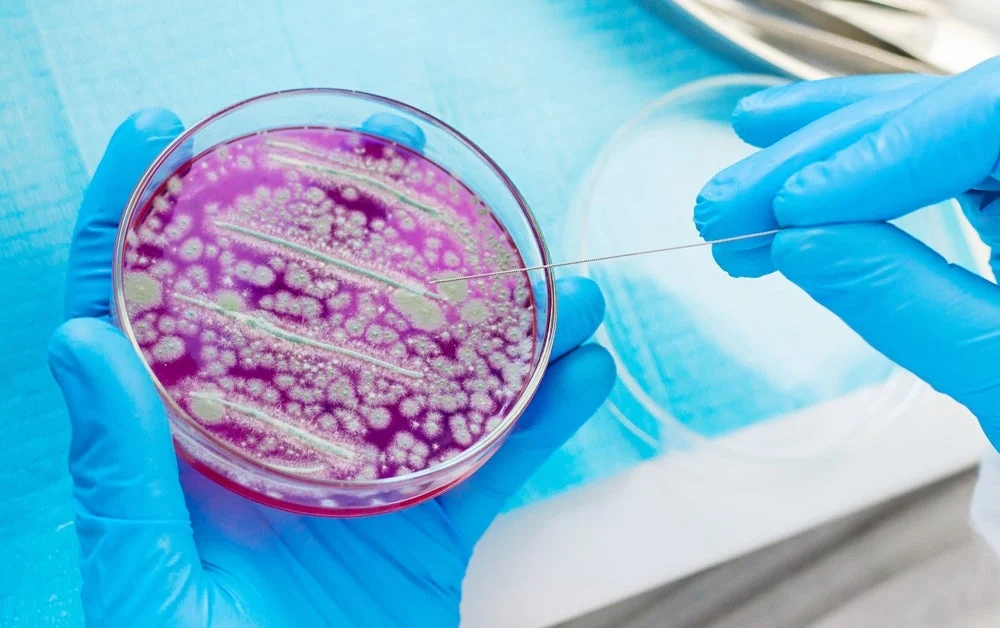
The United States government, through the Biomedical Advanced Research and Development Authority (BARDA), has committed up to $482 million to Shionogi, a Japanese pharmaceutical company, in a strategic move aimed at bolstering the nation’s antibiotic manufacturing capacity and significantly curbing the escalating threat of antimicrobial resistance (AMR). This substantial investment underscores a nationwide commitment to enhancing health security and ensuring a robust domestic supply of critical medicines.
This landmark contract, operating under BARDA’s Project BioShield initiative, provides Shionogi with an immediate infusion of $119 million. This initial funding will be augmented by an additional $363 million allocated over subsequent years. The primary objective of this financial support is to facilitate the establishment of a state-of-the-art drug product manufacturing facility within the United States. This facility will be dedicated to the production of Shionogi’s potent gram-negative antibiotic, Fetroja (cefiderocol), a crucial weapon in the fight against increasingly drug-resistant bacterial infections.
The urgency behind this investment cannot be overstated. Antimicrobial resistance, often termed the "silent pandemic," poses a grave and growing danger to global public health. Bacteria, viruses, fungi, and parasites are evolving to resist existing treatments, rendering common infections increasingly difficult, and in some cases impossible, to treat. The World Health Organization (WHO) has identified AMR as one of the top 10 global public health threats facing humanity. Projections from organizations like Wellcome paint a stark picture, estimating that by 2050, AMR could be responsible for more deaths than cancer, with up to 39 million lives lost annually between 2025 and 2050 if significant action is not taken.
Fetroja’s Role in the Antimicrobial Arsenal
Fetroja, a siderophore cephalosporin, represents a critical advancement in treating infections caused by multidrug-resistant gram-negative bacteria. It was first approved by the U.S. Food and Drug Administration (FDA) in 2019 for the treatment of complicated urinary tract infections (cUTIs) in adult patients for whom there are limited or no alternative treatment options. This approval marked a significant milestone, offering a new therapeutic avenue for patients battling infections that had become resistant to standard antibiotic regimens.
The utility of Fetroja was further expanded in 2020 when Shionogi secured a label expansion for the drug to include its use in treating ventilator-associated bacterial pneumonia (VABP) and hospital-acquired bacterial pneumonia (HABP). These are particularly challenging infections often associated with prolonged hospital stays and critical care settings, where patients are more vulnerable to severe bacterial pathogens.
The economic significance of Fetroja for Shionogi, and particularly for the U.S. market, is substantial. GlobalData, the parent company of Pharmaceutical Technology, forecasts that by 2031, the United States will account for over 60% of Fetroja’s global sales, projected to reach $388 million. This anticipated market dominance highlights the critical need for a secure and resilient domestic manufacturing pipeline for this vital antibiotic.
Expanding Therapeutic Applications and Biodefense Preparedness
Beyond its current indications, the BARDA funding is also earmarked to explore and expand the therapeutic applications of Fetroja. A key focus area will be its potential use in pediatric patients suffering from VABP and HABP. This expansion would address a critical unmet need in pediatric infectious disease treatment, where options for multidrug-resistant infections can be even more limited.
Furthermore, the investment will support research into Fetroja’s efficacy against "high priority biothreat pathogens." This includes exploring its potential to combat infections caused by dangerous organisms such as Burkholderia pseudomallei, the bacterium responsible for melioidosis, and Yersinia pestis, the causative agent of plague. The inclusion of these pathogens underscores the dual-purpose nature of this investment: bolstering civilian health preparedness while simultaneously enhancing national biodefense capabilities against potential biological threats. The ability to rapidly produce and deploy effective treatments against such agents is a cornerstone of national security in the face of modern health challenges.
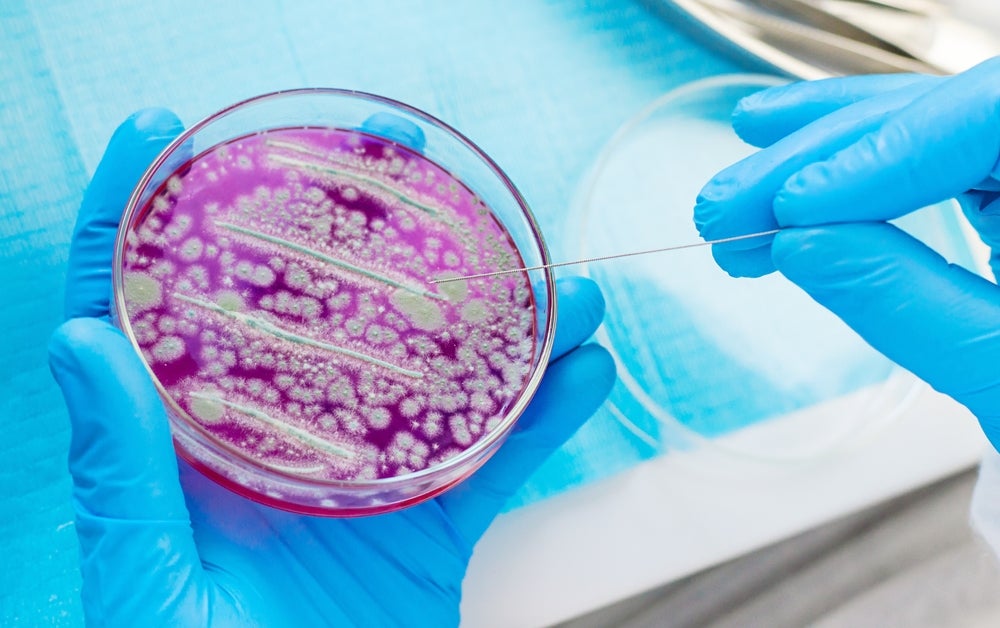
A Strategic Move Amidst Evolving Trade Dynamics
Shionogi’s substantial contract with BARDA arrives at a significant juncture in U.S.-Japan trade relations. The agreement was finalized shortly after Japan and the United States inked a trade deal that includes a notable reduction in tariffs on branded drug imports from Japan. Under this new agreement, Japanese companies will face a 15% tariff on such imports, a considerable decrease from the previously imposed 100% tariff rate on companies outside of specific preferential trade agreements. This tariff reduction, particularly for companies without a Most Favored Nation (MFN) pricing deal, signals a more favorable environment for Japanese pharmaceutical companies operating within the U.S. market and incentivizes greater investment in domestic production.
The Trump administration’s approach to trade, often utilizing tariffs as leverage, has been a driving force behind encouraging companies to onshore manufacturing operations. The administration has repeatedly voiced concerns that the United States’ heavy reliance on imported drugs poses a significant threat to national security. By incentivizing domestic production through various means, including trade policy and direct investment in critical manufacturing capabilities, the U.S. aims to reduce its vulnerability to global supply chain disruptions and ensure a consistent availability of essential medicines.
BARDA’s Long-Standing Commitment to Combating AMR
The contract with Shionogi is a testament to BARDA’s enduring commitment to addressing the multifaceted challenge of AMR. Since 2010, BARDA has strategically invested over $2.7 billion in the development of antimicrobial products. This sustained investment has yielded tangible results, contributing to the FDA approval of six new antibiotics, thereby expanding the therapeutic options available to clinicians and patients.
BARDA’s funding model often involves public-private partnerships, where government investment de-risks early-stage development and manufacturing scale-up for pharmaceutical companies. This approach is particularly crucial for antibiotics, which often face economic challenges due to shorter treatment durations and the need for careful stewardship to preserve their effectiveness, making them less profitable than chronic disease medications. Project BioShield, specifically, was established to provide authorities with the means to procure medical countermeasures to protect the U.S. public from terrorism, including biological and chemical threats, and has since evolved to address broader public health emergencies, including pandemics and AMR.
Global Efforts to Tackle Antimicrobial Resistance
The United States’ initiative reflects a growing global consensus on the imperative to combat AMR. Across the Atlantic, the European Union has pledged €30 million (approximately $35 million) to support the development of novel antibiotics, focusing on those with new mechanisms of action to overcome existing resistance patterns.
In the United Kingdom, the government has pioneered an innovative antibiotic funding scheme introduced in 2024. This "subscription-style" model redefines how antibiotic developers are remunerated. Instead of relying solely on sales volume, companies are compensated based on the drug’s value to the healthcare system, particularly its ability to save lives and prevent hospitalizations. This economic model aims to create a more sustainable market for antibiotic development, incentivizing companies to invest in this critical but often economically challenging sector.
The broader implications of the U.S. government’s investment in Shionogi extend far beyond the immediate benefits of increased antibiotic production. It signals a strategic shift towards strengthening domestic pharmaceutical supply chains, a move that has gained considerable traction in the wake of global events that have exposed vulnerabilities in international manufacturing. By supporting the establishment of a U.S.-based Fetroja manufacturing facility, the government is not only investing in public health but also in domestic job creation, technological advancement, and economic resilience.
The collaborative effort between BARDA and Shionogi serves as a powerful example of how strategic public-private partnerships can address complex global health challenges. As drug-resistant infections continue to evolve, such proactive investments in manufacturing capacity and research are essential to safeguarding the health and security of the nation and the world. The success of this initiative will be measured not only in the volume of antibiotics produced but also in its contribution to a future where life-threatening bacterial infections remain treatable.