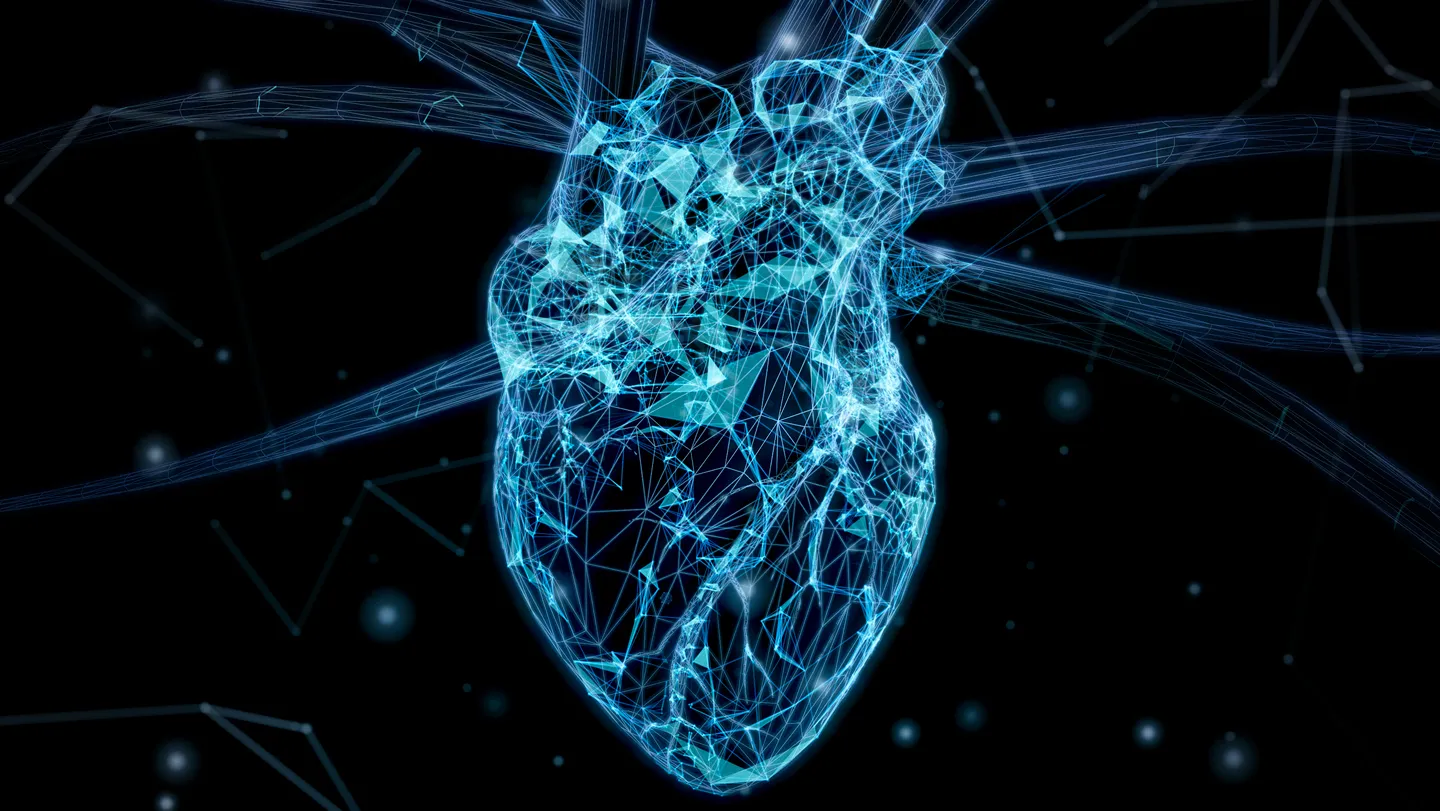
Virtual replicas of individual patients’ hearts have allowed doctors to refine and personalize a lifesaving medical procedure for dangerous rhythm disturbances. Like flight simulators for physicians, these "digital twins" give doctors a way to preview different intervention options on computer models of a patient’s anatomy before ever entering the treatment room. This innovative approach, demonstrated in a recent small-scale trial, has shown significant promise in precisely identifying the origins of abnormal heartbeats and streamlining the procedural timeline for intervention.
The technology represents a significant leap forward in the management of arrhythmias, a class of conditions characterized by irregular heartbeats. These can range from a minor nuisance to a life-threatening medical emergency, often necessitating invasive procedures to correct. Traditional methods of diagnosis and treatment planning for complex arrhythmias can be time-consuming and rely heavily on physician experience and real-time intra-procedural adjustments. The introduction of patient-specific computational models, or digital twins, offers a paradigm shift by enabling pre-procedural simulation and optimization.
The Genesis of Digital Cardiac Twins
The concept of digital twins, while gaining traction across various industries, has found a particularly fertile ground in medicine, especially in complex fields like cardiology. The development of these virtual heart models is rooted in advancements in medical imaging, computational fluid dynamics, and artificial intelligence. High-resolution imaging techniques, such as cardiac magnetic resonance imaging (MRI) and computed tomography (CT) scans, provide the raw anatomical data. This data is then meticulously processed and translated into a three-dimensional, dynamic computational model.
This process typically involves several key stages:
- Data Acquisition: Detailed anatomical and physiological data is gathered from a patient, often through non-invasive imaging like MRI or CT scans. Electrophysiological data, such as electrocardiograms (ECGs) and intracardiac electrograms, are also crucial for understanding the electrical activity of the heart.
- Model Reconstruction: Sophisticated software algorithms are used to reconstruct a precise 3D geometric model of the patient’s heart chambers, valves, and surrounding structures.
- Physiological Simulation: The anatomical model is then imbued with physiological properties, including tissue electrical conductivity, contractility, and blood flow dynamics. This allows the model to accurately mimic the heart’s electrical and mechanical behavior.
- Personalization: Crucially, these models are personalized to the individual patient, incorporating their specific anatomical variations and the unique characteristics of their arrhythmia.
The simulation then aims to replicate the electrical propagation patterns within the heart. By introducing virtual stimuli or mimicking known triggers for arrhythmia, clinicians can observe how the electrical signals behave in the digital replica. This allows them to pinpoint the exact location and mechanism of the aberrant electrical pathways that cause the faulty beats.
A Small Trial, Big Implications for Arrhythmia Treatment
The recent trial, though limited in scope, has provided compelling evidence of the efficacy of this digital twin approach. Researchers focused on patients suffering from complex ventricular tachycardia (VT), a potentially life-threatening rapid heart rhythm originating in the lower chambers of the heart. VT often arises from scar tissue or abnormal electrical circuits within the heart muscle, making it notoriously difficult to locate and ablate.
In the trial, each participating patient underwent detailed cardiac imaging to create their personalized digital twin. This virtual model was then used by electrophysiologists to simulate various ablation strategies. The simulations aimed to predict which areas, when targeted with radiofrequency ablation (a procedure that uses heat to destroy abnormal tissue), would be most effective in terminating the VT.
The results indicated that the pre-procedural simulations led to:
- Enhanced Precision in Locating the Arrhythmia Source: The digital twins allowed for a more accurate identification of the critical arrhythmogenic areas compared to traditional methods. This meant less guesswork and a more targeted approach during the actual procedure.
- Reduced Procedure Time: By having a clear roadmap derived from the simulations, electrophysiologists were able to navigate the heart and deliver treatment more efficiently. This can translate to shorter anesthesia times, reduced radiation exposure, and a quicker recovery for the patient.
- Improved Procedural Success Rates (Preliminary): While larger studies are needed, the initial findings suggest a trend towards higher success rates in terminating the arrhythmia, potentially reducing the need for repeat procedures.
"This technology is akin to having a crystal ball for the heart," commented Dr. Anya Sharma, a leading electrophysiologist not directly involved in the trial but familiar with the technology. "For years, we’ve relied on sophisticated mapping systems within the heart itself to guide us. While invaluable, these systems still require real-time interpretation and can be limited by the complex electrical signals present during an arrhythmia. Digital twins allow us to perform that complex interpretation in a controlled, virtual environment beforehand."
Background: The Challenge of Arrhythmia Management
Arrhythmias affect millions worldwide and pose a significant public health challenge. They are a major cause of stroke, heart failure, and sudden cardiac death. While pharmacological treatments exist, they are not always effective and can have side effects. For many patients with persistent or severe arrhythmias, catheter ablation has become the gold standard treatment.
Catheter ablation involves inserting thin, flexible tubes (catheters) through blood vessels into the heart. These catheters are equipped with electrodes that can map the heart’s electrical activity and deliver energy (often radiofrequency or cryoablation) to destroy the abnormal tissue causing the arrhythmia.
However, the success of catheter ablation, particularly for complex arrhythmias like VT, depends heavily on the electrophysiologist’s ability to accurately identify the origin of the faulty electrical signals. This process can be intricate, especially when the arrhythmia is unstable or when multiple potential targets exist. The ability to "rehearse" the procedure on a patient’s digital twin before the actual intervention offers a significant advantage in overcoming these challenges.
Chronology of Development and Application
The journey from conceptualizing digital twins to their clinical application in cardiology has been a gradual one, marked by several key milestones:
- Early 2000s: Initial research into computational modeling of cardiac electrophysiology began to gain momentum, driven by advancements in computing power and mathematical algorithms.
- Mid-2010s: The integration of advanced medical imaging with computational modeling started to yield more patient-specific simulations, laying the groundwork for "digital twins."
- Late 2010s – Early 2020s: Small-scale clinical trials began to explore the feasibility and efficacy of using these digital twins for planning and guiding cardiac procedures, initially for simpler arrhythmias like atrial fibrillation.
- Present: The technology is now being rigorously tested and refined for more complex arrhythmias like ventricular tachycardia, as demonstrated by the recent trial. Regulatory approvals and wider clinical adoption are anticipated in the coming years.
The development process itself involves a collaborative effort between cardiac electrophysiologists, biomedical engineers, computer scientists, and imaging specialists. Each discipline contributes its expertise to ensure the accuracy, reliability, and clinical utility of these virtual models.
Supporting Data and Technological Advancements
The effectiveness of digital twins is underpinned by several key technological advancements:
- High-Resolution Imaging: Technologies like 4D CT and advanced MRI sequences provide detailed, dynamic anatomical data. For example, a standard cardiac MRI can provide over 100 cross-sectional images of the heart, which can be reconstructed into a high-fidelity 3D model.
- Computational Power: Modern supercomputers and advanced graphics processing units (GPUs) are capable of running complex simulations of electrical propagation in near real-time. This allows for rapid iteration and testing of different ablation strategies.
- Machine Learning and AI: Artificial intelligence algorithms are increasingly being used to automate parts of the model creation process, analyze complex simulation outputs, and even predict patient responses to interventions. Some studies have shown AI models can identify subtle patterns in electrical signals that human eyes might miss.
- Electrophysiological Mapping Systems: Integration with advanced electrophysiological mapping systems, which provide real-time electrical data during procedures, allows for validation and refinement of the digital twin’s predictions.
While specific figures for the trial’s success rates and procedure time reductions are not detailed in the initial report, industry benchmarks for complex VT ablations often cite procedure times ranging from 2 to 4 hours and success rates that can vary widely depending on the complexity of the VT and the patient’s underlying heart condition. If digital twins can demonstrably reduce these times and improve success, the impact on healthcare efficiency and patient outcomes could be substantial. For instance, reducing average procedure time by 30 minutes could free up significant operating room capacity, allowing for more procedures to be performed annually.
Potential Reactions and Future Outlook
The medical community’s response to this technology is generally enthusiastic, albeit with a healthy dose of scientific caution. Leading cardiology societies are closely monitoring the progress of these digital twin applications.
"The potential for personalized medicine in electrophysiology is immense," stated a spokesperson for the International Society of Electrophysiology. "We are eager to see the results of larger, multicenter trials that can validate these findings and establish clear guidelines for the integration of digital twins into routine clinical practice. The ability to pre-plan and optimize interventions will undoubtedly enhance patient care."
The future outlook for digital cardiac twins is exceptionally bright. As the technology matures and becomes more accessible, it is poised to become an indispensable tool in the management of a wide range of cardiac conditions. Beyond arrhythmias, researchers are exploring its use in:
- Congenital Heart Disease: Planning complex surgical repairs in children with heart defects.
- Heart Failure: Simulating the effects of different therapeutic interventions, such as cardiac resynchronization therapy.
- Structural Heart Disease: Optimizing the placement of prosthetic valves or other devices.
Broader Impact and Implications
The widespread adoption of digital cardiac twins carries significant implications for the healthcare landscape:
- Enhanced Patient Safety: By reducing procedural uncertainty and improving targeting, the risk of complications associated with invasive cardiac procedures could be lowered.
- Cost-Effectiveness: While the initial investment in technology and training may be substantial, the potential for reduced procedure times, fewer complications, and improved long-term outcomes could lead to significant cost savings for healthcare systems.
- Democratization of Expertise: Sophisticated simulations can help standardize the quality of care, potentially bringing the expertise of highly specialized electrophysiologists to a wider patient population, even in less specialized centers.
- Accelerated Medical Training: Digital twins can serve as powerful training tools for new electrophysiologists, allowing them to practice complex scenarios in a safe, virtual environment before working with live patients.
In conclusion, the advent of patient-specific digital cardiac twins represents a transformative step in cardiovascular medicine. By enabling precise pre-procedural planning and simulation, this technology is set to revolutionize the treatment of complex arrhythmias, offering the promise of safer, more effective, and more efficient cardiac interventions for patients worldwide. The continued research and development in this field underscore a future where personalized, data-driven approaches become the cornerstone of advanced medical care.