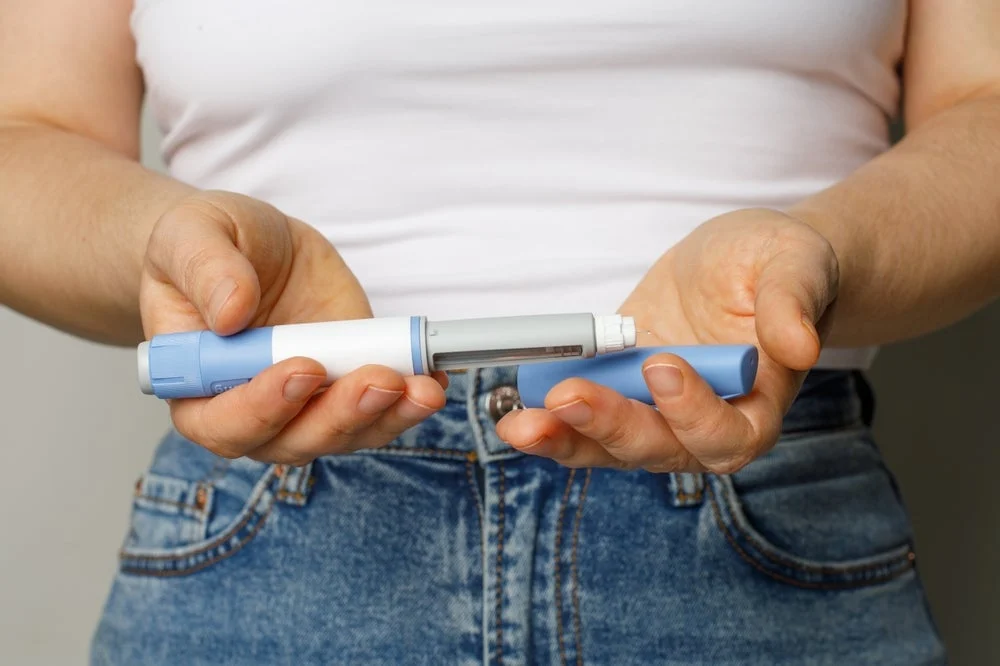
The U.S. Food and Drug Administration (FDA) has granted approval for a higher-dose formulation of Novo Nordisk’s blockbuster weight-loss medication, Wegovy (semaglutide). This pivotal regulatory decision, allowing for the introduction of Wegovy HD at a 7.2mg dosage, arrives at a critical juncture for the Danish pharmaceutical giant, as patents safeguarding the drug’s market exclusivity in India and China are set to expire imminently. This timing leaves the immensely successful therapy vulnerable to a wave of biosimilar competition in these significant emerging markets.
The newly authorized Wegovy HD, officially slated for release to American patients in April 2026, is indicated for weight management in adults who are obese or overweight and have at least one weight-related comorbidity, such as hypertension, type 2 diabetes, or dyslipidemia. This expanded indication and higher dosage aim to provide enhanced efficacy for patients struggling with significant weight challenges. The approval was underpinned by robust clinical evidence derived from the comprehensive STEP UP trial program. Within this program, the 7.2mg dose of semaglutide demonstrated statistically significant additional weight loss compared to previously approved lower doses, while crucially maintaining a comparable safety profile. This consistency in safety is paramount for patient acceptance and physician confidence in prescribing higher dosages for long-term weight management.
The strategic timing of Wegovy HD’s FDA approval, granting it a 7.2mg strength, is particularly noteworthy. It was granted just one day prior to the March 20, 2026, expiry of patents protecting semaglutide, the active pharmaceutical ingredient in Wegovy and its sibling drug Ozempic, in both India and China. This development marks a significant turning point for Novo Nordisk’s global commercial strategy for its GLP-1 receptor agonist franchise.
The Biosimilar Onslaught: India and China at the Forefront
The patent expiry in India is particularly consequential. With Wegovy officially off-patent in the subcontinent, the market is bracing for an influx of biosimilar alternatives. Industry reports indicate that at least twelve major Indian pharmaceutical manufacturers are poised to introduce their versions of semaglutide. Among these, Natco Pharma has signaled an aggressive market entry strategy, planning to offer its semaglutide biosimilar for an astonishingly low price of approximately $14 per month. This starkly contrasts with the current retail price of Wegovy in India, which ranges between $108 and $173 per month, highlighting the potential for dramatic price reductions and increased patient access. This rapid commoditization of a once premium therapeutic underscores the intense competitive landscape that now confronts Novo Nordisk.
Similarly, Chinese drugmakers are actively preparing to capitalize on the expiration of Wegovy’s patent in their domestic market. Sixteen biosimilars for semaglutide are currently under development across China, indicating a robust pipeline of potential competitors. United Laboratories is among the leading contenders, with its semaglutide product currently in Phase III clinical trials for obesity and undergoing pre-registration for type 2 diabetes. The sheer volume of development in China suggests a highly competitive and potentially fragmented market, where early movers could capture significant market share.
Global Competitive Landscape and Market Entry Strategies
Beyond these key Asian markets, the competitive pressure is mounting globally. Sandoz, a leading player in the biosimilar and generic medicines space, is reportedly targeting the Canadian market with its Ozempic (semaglutide) copy. According to statements made by Sandoz CEO Richard Saynor in November 2025, this semaglutide biosimilar could be available for the type 2 diabetes market by the second quarter of 2026. While this initial focus is on Ozempic for diabetes, the underlying semaglutide molecule is the same, and market entry for obesity indications typically follows. The company’s strategic planning suggests a phased approach to market penetration, leveraging existing regulatory pathways and physician familiarity with the molecule.

The accelerated development and approval of biosimilars for semaglutide are driven by several factors. The immense commercial success of Wegovy and Ozempic has created a massive market opportunity, incentivizing generic and biosimilar manufacturers to invest heavily in research and development. Furthermore, the growing global obesity epidemic, coupled with increasing healthcare costs, creates a strong demand for more affordable treatment options. The ability of biosimilars to offer comparable efficacy at a fraction of the price could significantly broaden access to these life-changing medications, particularly in low- and middle-income countries.
The CNPV Program: A Catalyst for Accelerated Review
Wegovy HD’s FDA approval also highlights its designation as the fourth drug to receive a nod under the Commissioner’s National Priority Voucher (CNPV) pilot program. This innovative framework is designed to expedite the review process for drugs that address critical unmet medical needs, enhance treatment affordability, offer a potential cure for a disease, or promote manufacturing on American soil. By providing accelerated review timelines, the CNPV program aims to incentivize pharmaceutical companies to prioritize the development of drugs that align with these national health objectives.
The CNPV program, a component of broader U.S. government initiatives aimed at bolstering domestic pharmaceutical manufacturing and reducing drug costs, has previously awarded priority vouchers to prominent pharmaceutical entities. Companies such as Merck, Regeneron, Sanofi, Revolution, and Dompé Farmaceutici have benefited from this scheme. These awards are part of a sustained effort, influenced by previous administrations, to foster the development and accessibility of critical medicines for American citizens. Most recently, Johnson & Johnson’s combination therapy for multiple myeloma, Tecvayli (teclistamab) and Darzalex Faspro (daratumumab), secured FDA clearance under the CNPV umbrella, underscoring the program’s application across diverse therapeutic areas.
However, the implementation of the CNPV program has not been without scrutiny. Since its inception, some stakeholders within the pharmaceutical industry have raised questions regarding the transparency and criteria used for selecting voucher awardees. These discussions often revolve around ensuring equitable access to the expedited review process and preventing any potential for undue influence or favoritism in the allocation of these valuable regulatory incentives.
Novo Nordisk’s Strategic Response and Future Outlook
Novo Nordisk, while celebrating the FDA’s approval of Wegovy HD, is acutely aware of the impending competitive challenges. The company has been strategically investing in expanding its manufacturing capacity for semaglutide to meet the soaring global demand. Simultaneously, it is actively pursuing the development of next-generation weight-loss therapies, including oral formulations and combination therapies, to maintain its leadership position in the long term.
The approval of Wegovy HD represents a significant step in Novo Nordisk’s efforts to maximize the commercial lifecycle of its highly successful semaglutide franchise. By offering a higher dosage, the company aims to cater to a broader spectrum of patient needs and potentially enhance treatment outcomes. This move is a direct response to the clinical data suggesting that higher doses can lead to greater weight loss, a critical factor for patients and healthcare providers in managing obesity.
The implications of Wegovy HD’s approval and the concurrent patent expiries are far-reaching. For patients, it signifies a future with potentially more accessible and affordable weight-loss treatments, especially in markets where biosimilars are likely to drive down prices. For Novo Nordisk, it marks a transition from a period of unbridled market exclusivity to one of intense competition, requiring agile strategic adjustments and a continued focus on innovation. The company’s ability to navigate this evolving landscape will be crucial in determining its sustained dominance in the lucrative obesity and diabetes markets. The coming years will undoubtedly witness a dynamic interplay between originator and biosimilar manufacturers, shaping the future of GLP-1 receptor agonist therapies worldwide. The success of Wegovy HD will be closely watched, not only for its clinical impact but also for its role in Novo Nordisk’s strategy to defend its market share against an intensifying biosimilar threat.