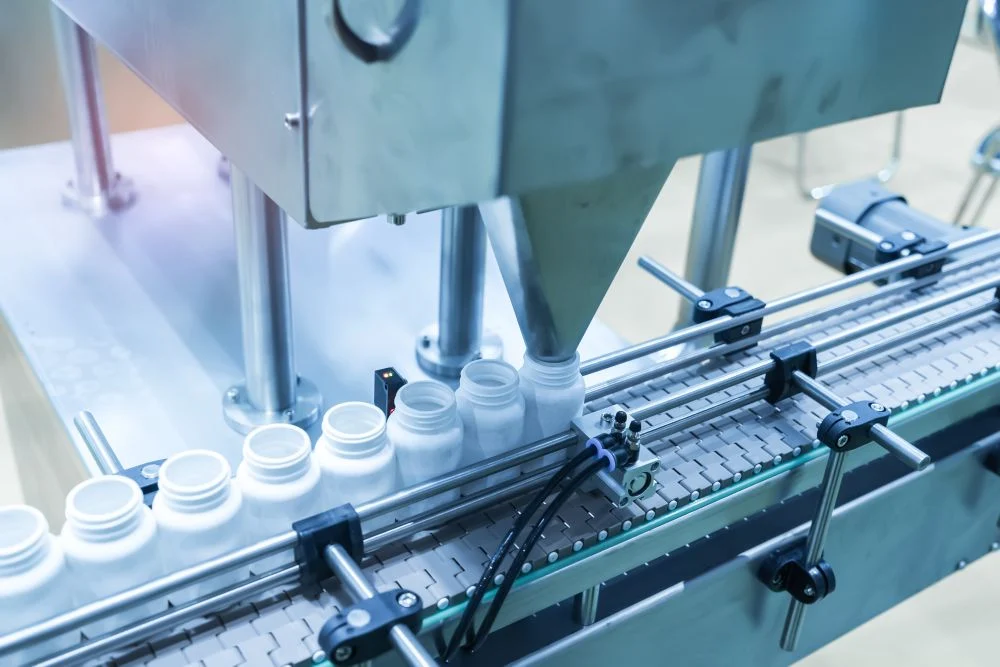
The U.S. Food and Drug Administration (FDA) has announced the initial cohort of seven pharmaceutical companies selected to participate in its groundbreaking PreCheck Pilot Program, an initiative designed to significantly enhance the resilience and security of the nation’s drug supply chain. This program aims to expedite the construction and readiness of new pharmaceutical manufacturing facilities within the United States, addressing critical vulnerabilities exposed by global supply chain disruptions and a historical reliance on overseas production.
Among the prominent companies chosen for this inaugural phase are pharmaceutical giants Eli Lilly and Regeneron. Their participation underscores the program’s ambition to attract leading industry players and leverage their expertise in establishing advanced manufacturing capabilities domestically. The selection process was rigorous, with the FDA evaluating companies based on several key factors, including the specific types of products to be manufactured, the current stage of facility development, the anticipated timeline for bringing these products to the U.S. market, and the incorporation of innovative approaches in facility design and manufacturing operations.
Program Genesis and Objectives
The FDA PreCheck Pilot Program emerged as a direct response to a strategic imperative to strengthen U.S. pharmaceutical manufacturing. Its roots trace back to an executive order signed by President Donald Trump, which signaled a clear intent to re-shore critical industries, including pharmaceutical production. Launched in February 2026, with its initial unveiling in June 2025, the program represents the FDA’s first dedicated policy framework aimed at bolstering domestic pharmaceutical manufacturing capacity.
The overarching objective of PreCheck is to foster a more robust and secure supply of medicines for American patients. Historically, the U.S. has been heavily dependent on foreign countries for the manufacturing of pharmaceuticals and their essential active pharmaceutical ingredients (APIs). Data reveals that over half of the pharmaceuticals distributed in the U.S. are produced overseas, with a stark figure of only 11% of API manufacturers for FDA-approved products being based domestically. This reliance creates significant risks, including potential disruptions due to geopolitical tensions, trade disputes, or unforeseen global health crises. The PreCheck program seeks to mitigate these risks by encouraging and streamlining the establishment of U.S.-based manufacturing operations.
The Seven Selected Participants and Their Contributions
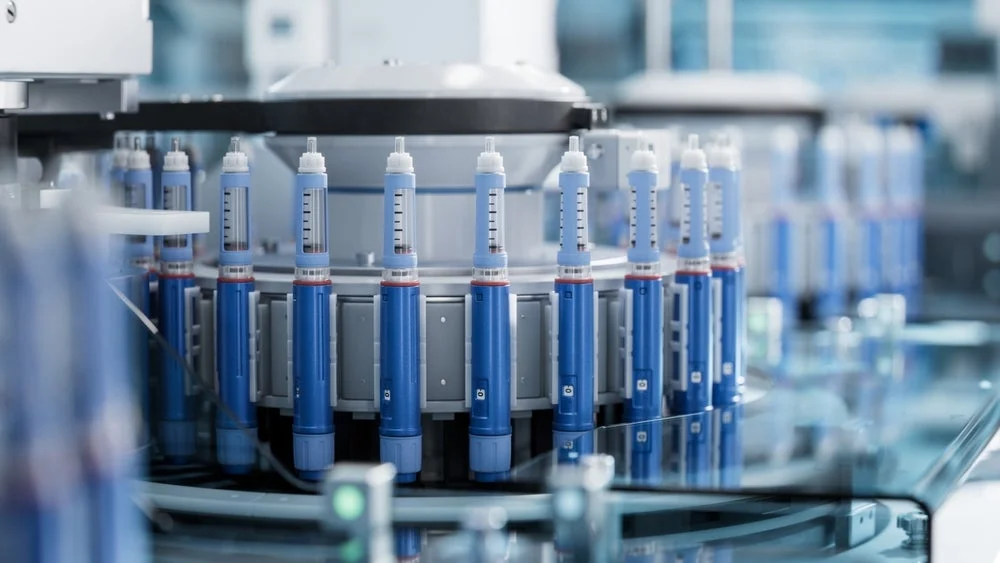
The seven companies selected for the PreCheck Pilot Program represent a diverse range of therapeutic areas and manufacturing specializations. Eli Lilly’s selected facility, located in Lebanon, Indiana, is slated to focus on the manufacturing of drug substance. This is a crucial component in the pharmaceutical production process, forming the core of any medication.
Regeneron, another key participant, will be establishing a facility in Saratoga Springs, New York. This site is designed for a broader scope of production, encompassing biotechnology drug substance, sterile injectables, and novel protein therapeutics. The inclusion of these advanced modalities highlights the program’s forward-looking approach, aiming to support the manufacturing of cutting-edge treatments for a variety of diseases.
The remaining five companies in this initial cohort are Amneal Pharmaceutical, Cellares, FUJIFILM Biotechnologies, Kriya Therapeutics, and Kyowa Kirin. These companies will contribute to the domestic production of therapies targeting critical areas such as oncology, hematology, chronic diseases, and rare diseases. Geographically, three of these facilities will be situated in North Carolina, with others located in New Jersey and New York, further diversifying the geographic footprint of U.S. pharmaceutical manufacturing.
A Two-Step Process for Enhanced Collaboration
The PreCheck Pilot Program operates through a carefully structured two-step process designed to facilitate early and frequent interaction between the FDA and participating companies. This collaborative approach aims to proactively identify and address potential challenges, thereby minimizing delays in the drug approval and market entry process.
1. Facility Readiness Phase: The initial stage, known as the Facility Readiness phase, is dedicated to fostering open communication regarding facility design, construction, and pre-production activities. Companies are encouraged to provide comprehensive information about their proposed facilities, including detailed site operations layouts, quality control (QC) methodologies, and adherence to regulatory standards. This phase allows the FDA to offer guidance and address any concerns related to facility infrastructure and operational readiness before significant investments are finalized.
2. Application Submission Phase: The second portion of the scheme, the Application Submission phase, shifts the focus to the critical aspects of Chemistry, Manufacturing, and Controls (CMC). This phase is designed to streamline the review of applications by ensuring that the manufacturing processes and controls are robust and compliant from an early stage. By integrating CMC considerations into the pilot program, the FDA aims to expedite the approval process for new drugs manufactured in these facilities.
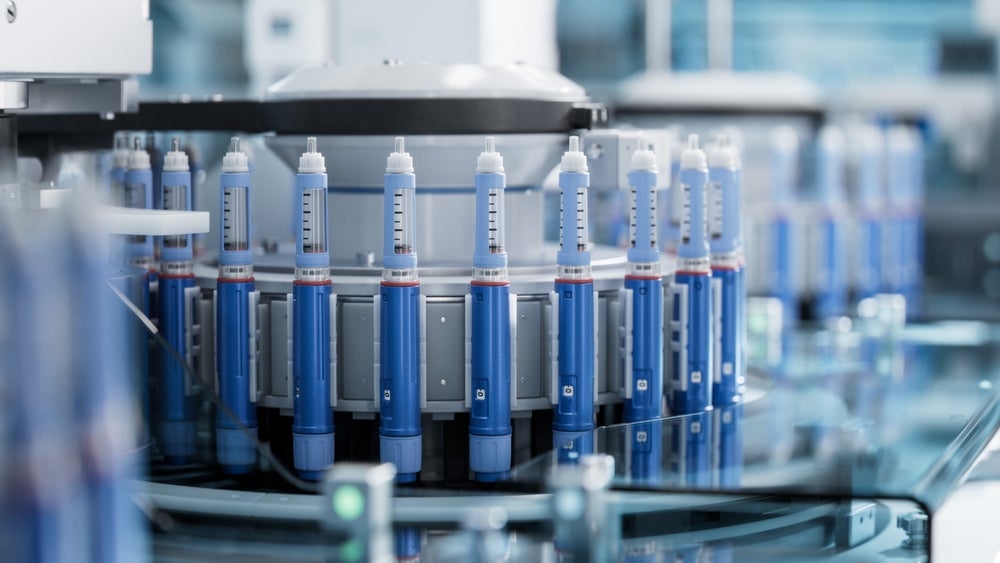
This structured engagement model is intended to demystify the regulatory landscape for new manufacturing sites, reducing uncertainty for companies and accelerating their path to market. The FDA’s ability to identify potential facility issues early on is a significant advantage, preventing costly delays that could impact patient access to essential medications.
Broader Context and Governmental Support
The PreCheck Pilot Program is not an isolated initiative but part of a larger, concerted effort by the Trump administration to reassert U.S. leadership in pharmaceutical manufacturing. This broader strategy has involved various policy levers, including the strategic use of tariffs, which has prompted many drugmakers to invest billions of dollars in expanding their manufacturing footprints within the United States. Furthermore, a legislative focus on partnerships with Chinese companies has encouraged some to explore domestic collaborations and secure their supply chains.
U.S. Health Secretary Robert F. Kennedy Jr. has been a vocal proponent of this initiative, emphasizing its importance for national health and security. He stated, "President Trump is rebuilding America’s pharmaceutical manufacturing base because our nation’s health and security depend on it. The FDA’s PreCheck Pilot Program will help bring pharmaceutical manufacturing back to the US, strengthen our drug supply chains, create high-quality American jobs, and ensure patients have reliable access to safe, effective medicines. This is another important step toward making America healthier, stronger, and more self-reliant." This statement highlights the administration’s view of domestic pharmaceutical manufacturing as a cornerstone of national sovereignty and economic prosperity.
Addressing Supply Chain Vulnerabilities
The statistics surrounding global pharmaceutical manufacturing paint a stark picture of the vulnerability the U.S. supply chain faces. With a significant majority of drugs and APIs produced internationally, disruptions can have immediate and severe consequences for patient care. The COVID-19 pandemic served as a wake-up call, exposing the fragility of a supply chain heavily reliant on a few key global producers. The PreCheck program, therefore, is a proactive measure to build resilience against future shocks.
Beyond the PreCheck initiative, the FDA has been exploring other avenues to bolster domestic drug production and expedite access to medicines. In October, the FDA debuted a pilot scheme aimed at fast-tracking the approval of generic drugs. This program, operating within the Abbreviated New Drug Application (ANDA) framework, incentivizes drugmakers to test and produce their therapies in the U.S. by offering faster review times. This dual approach, addressing both innovative and generic drug manufacturing, signifies a comprehensive strategy to onshore pharmaceutical production and enhance market competition.
Anticipated Impacts and Future Outlook
The implications of the FDA PreCheck Pilot Program extend far beyond the seven selected companies. By successfully demonstrating a streamlined pathway for new manufacturing facilities, the program has the potential to serve as a blueprint for future expansions and investments in the U.S. pharmaceutical sector.
Economic Benefits: The establishment of new manufacturing facilities will undoubtedly create high-skilled jobs across various disciplines, including research and development, engineering, manufacturing, and quality assurance. This influx of investment can revitalize local economies and contribute to overall economic growth.
Enhanced Patient Access: A more robust domestic supply chain means a greater likelihood of uninterrupted access to essential medicines for American patients. Reduced reliance on overseas production can also lead to greater price stability and predictability, shielding consumers from the volatility of global markets.
National Security: The ability to produce critical medicines domestically is increasingly recognized as a matter of national security. By reducing dependence on foreign suppliers, the U.S. can ensure its ability to respond effectively to public health emergencies and maintain a secure supply of pharmaceuticals essential for defense and public well-being.
Innovation Driver: The program’s emphasis on innovation in facility development and manufacturing operations could spur advancements in pharmaceutical production technologies. This can lead to more efficient, sustainable, and cost-effective manufacturing processes, benefiting both industry and patients.
The success of the PreCheck Pilot Program will likely depend on its continued implementation and the willingness of other pharmaceutical companies to engage with its framework. As the program progresses, further data and insights will emerge, providing a clearer picture of its long-term impact. However, the initial selection of prominent industry players and the clear governmental backing suggest a strong commitment to revitalizing U.S. pharmaceutical manufacturing and securing the nation’s access to life-saving medicines. The program represents a significant step towards a more self-reliant and resilient healthcare ecosystem for the United States.