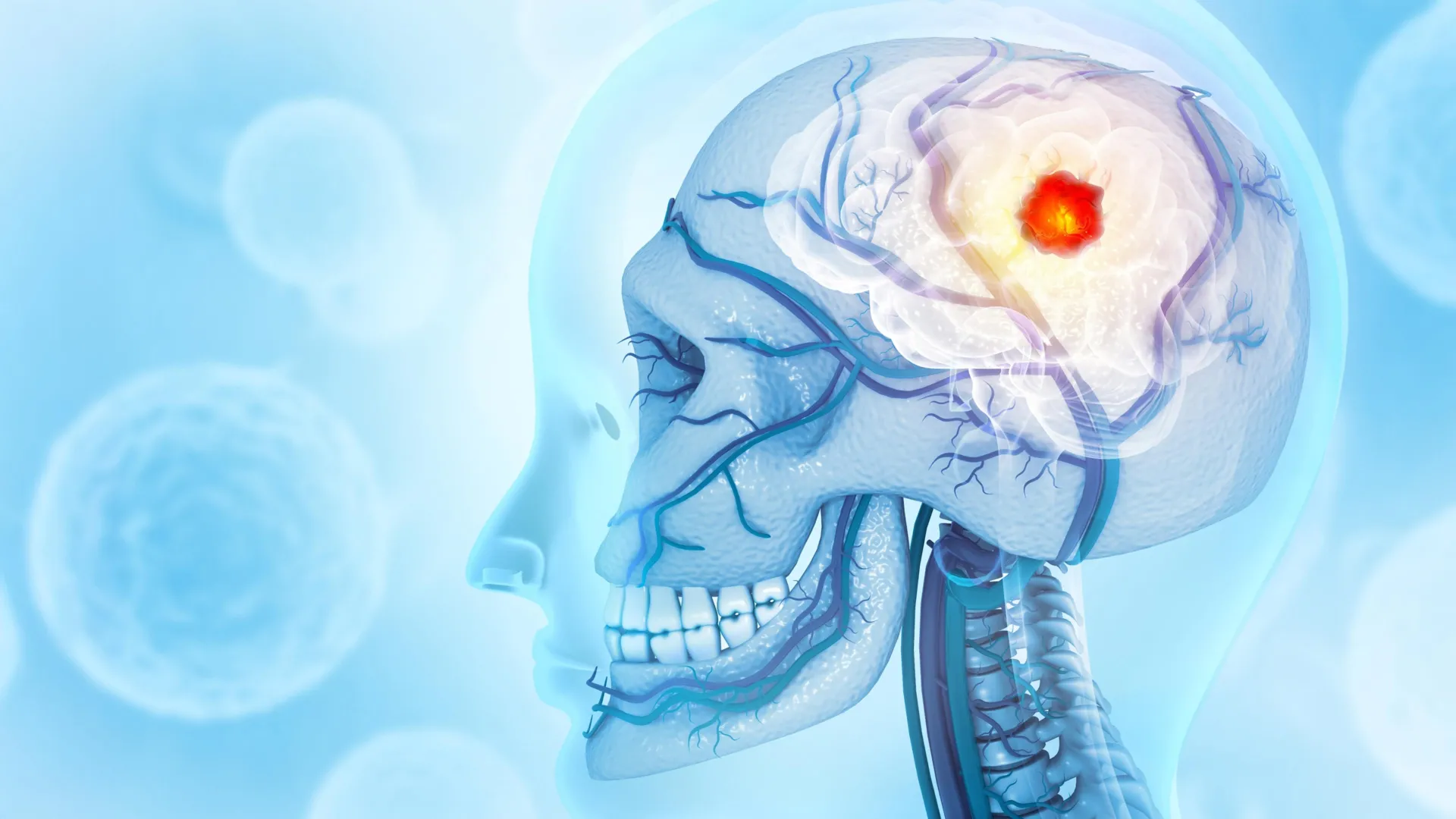
The medical community has long viewed glioblastoma multiforme (GBM) as a localized, albeit highly aggressive, malignancy confined within the blood-brain barrier. However, groundbreaking research from the Montefiore Einstein Comprehensive Cancer Center (MECCC) and the Albert Einstein College of Medicine, published on October 3 in the journal Nature Neuroscience, has fundamentally challenged this paradigm. The study reveals that glioblastoma is a systemic disease that actively erodes the skull, alters the biological composition of bone marrow, and hijacks the body’s immune system to facilitate its own growth. Perhaps most significantly, the findings suggest that certain FDA-approved medications used to treat bone loss may inadvertently accelerate the progression of this lethal cancer.
The Persistent Challenge of Glioblastoma
Glioblastoma is the most common and deadliest primary brain tumor in adults. According to data from the National Cancer Institute (NCI), approximately 15,000 individuals in the United States are diagnosed with the condition annually. Despite decades of intensive research and the development of sophisticated neurosurgical techniques, the prognosis remains grim. The current standard of care, often referred to as the Stupp Protocol, involves maximal safe surgical resection followed by a combination of radiation therapy and chemotherapy, typically using the alkylating agent temozolomide. Even with this aggressive intervention, the median survival time for patients is approximately 15 months, with a five-year survival rate of less than 7%.
The failure of conventional therapies has often been attributed to the tumor’s high degree of heterogeneity and its ability to infiltrate surrounding healthy brain tissue, making complete surgical removal nearly impossible. However, the new findings from the Einstein team suggest that the medical field’s focus on the brain alone may have been too narrow. By treating glioblastoma as a local disease, clinicians may have been overlooking the tumor’s "long-range" effects on the skeletal and immune systems.
Decoding the Skull-Brain Interface
The traditional view of the skull is that of a static, protective casing for the brain. However, recent anatomical discoveries have revealed a much more dynamic relationship. Scientists have identified a network of microscopic, vascularized channels that connect the brain’s outer lining (the meninges) directly to the bone marrow of the skull. These channels allow for a bidirectional exchange of immune cells and molecular signals, bypassing the traditional systemic circulation.
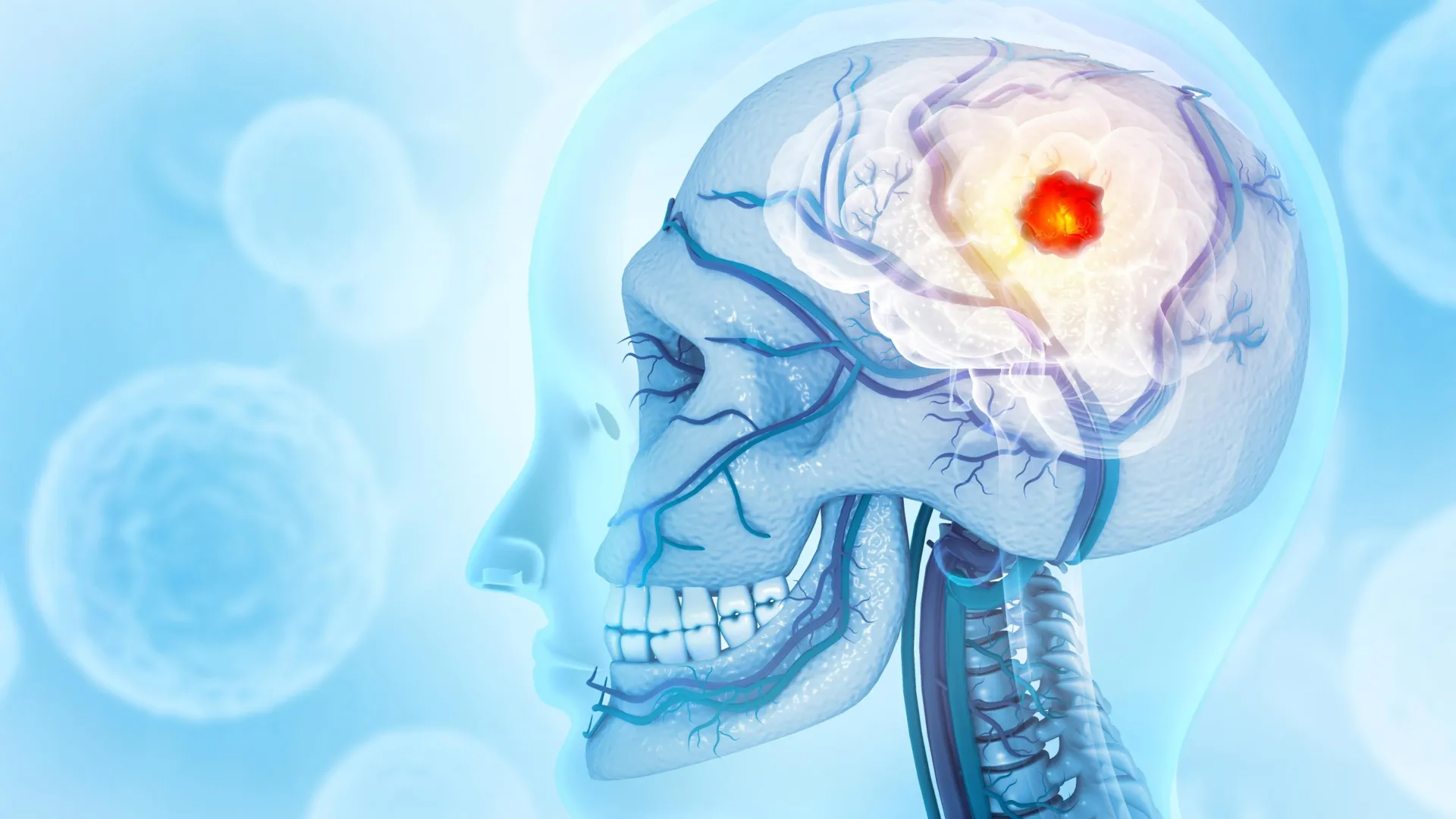
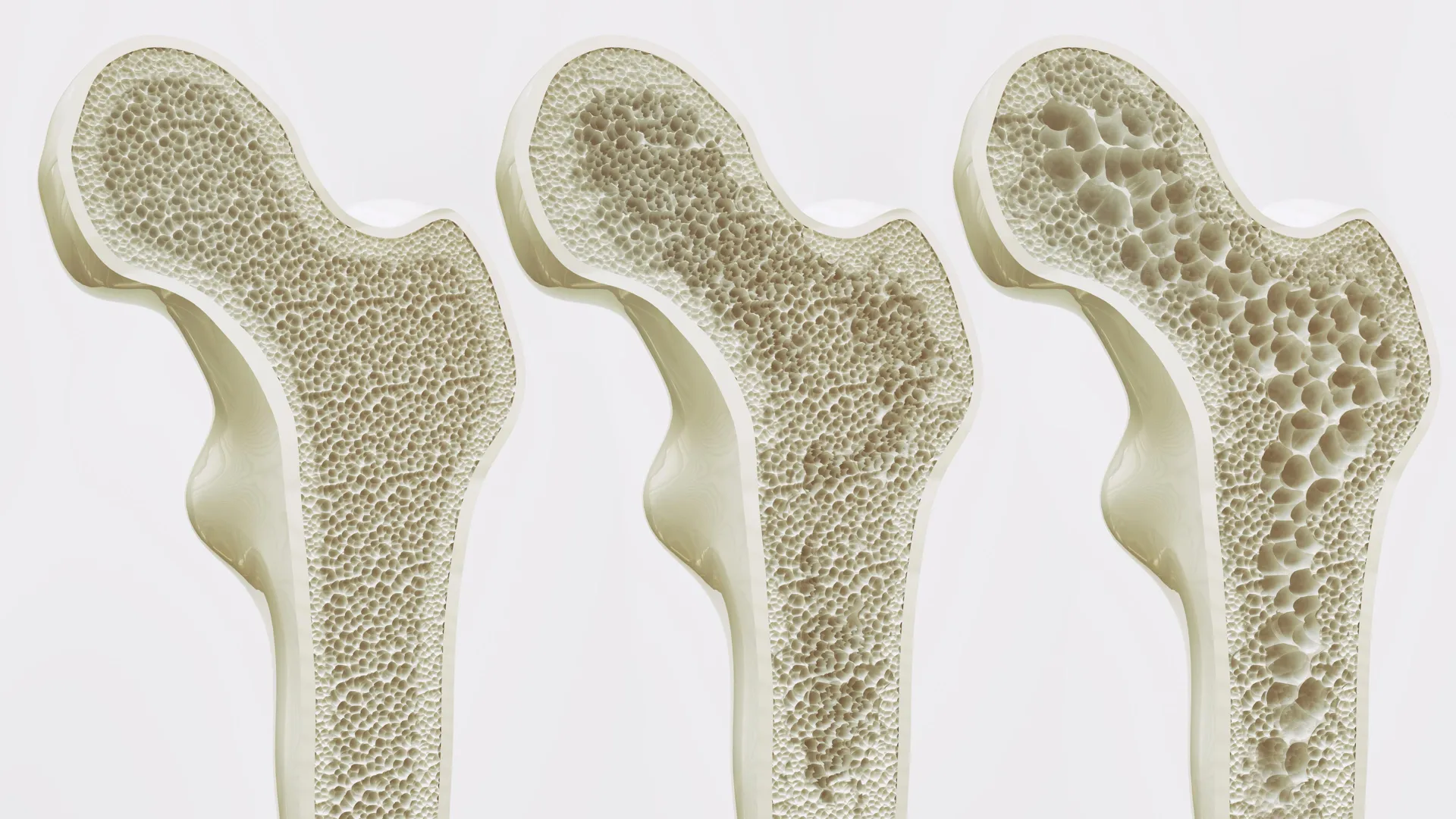
Inspired by these discoveries, the research team, led by Jinan Behnan, Ph.D., an assistant professor at Einstein and a member of the MECCC, sought to determine if glioblastoma exploited these pathways. Using high-resolution imaging and mouse models of the disease, the researchers observed a startling phenomenon: the presence of a brain tumor triggered significant erosion of the skull bone. This degradation was most pronounced along the cranial sutures—the fibrous joints where the various bones of the skull fuse together.
Crucially, this bone loss was not a generalized reaction to neurological stress. When the researchers induced strokes or other forms of traumatic brain injury in mice, no such skull erosion occurred. Similarly, cancers originating in other parts of the body did not produce this effect. The erosion appeared to be a specific pathological hallmark of glioblastoma and other highly aggressive primary brain tumors. To validate these findings in humans, the team analyzed CT scans of patients diagnosed with glioblastoma, confirming that human patients exhibited similar thinning of the skull in regions corresponding to the tumor’s location.
The Enlargement of Cranial Channels
As the glioblastoma eroded the bone, the microscopic channels linking the brain to the skull marrow began to expand. The study found that these channels increased in both size and number, creating a "highway" for molecular communication between the malignancy and the immune-producing marrow. The researchers hypothesized that the tumor sends specific signaling molecules through these widened gaps to "recruit" or "reprogram" the immune cells housed within the skull.
"Our discovery that this notoriously hard-to-treat brain cancer interacts with the body’s immune system may help explain why current therapies have failed," stated Dr. Behnan. By altering the bone marrow, the tumor essentially creates an external support system that feeds its growth and protects it from the body’s natural defenses.
A Pro-Inflammatory Shift in Immune Landscapes
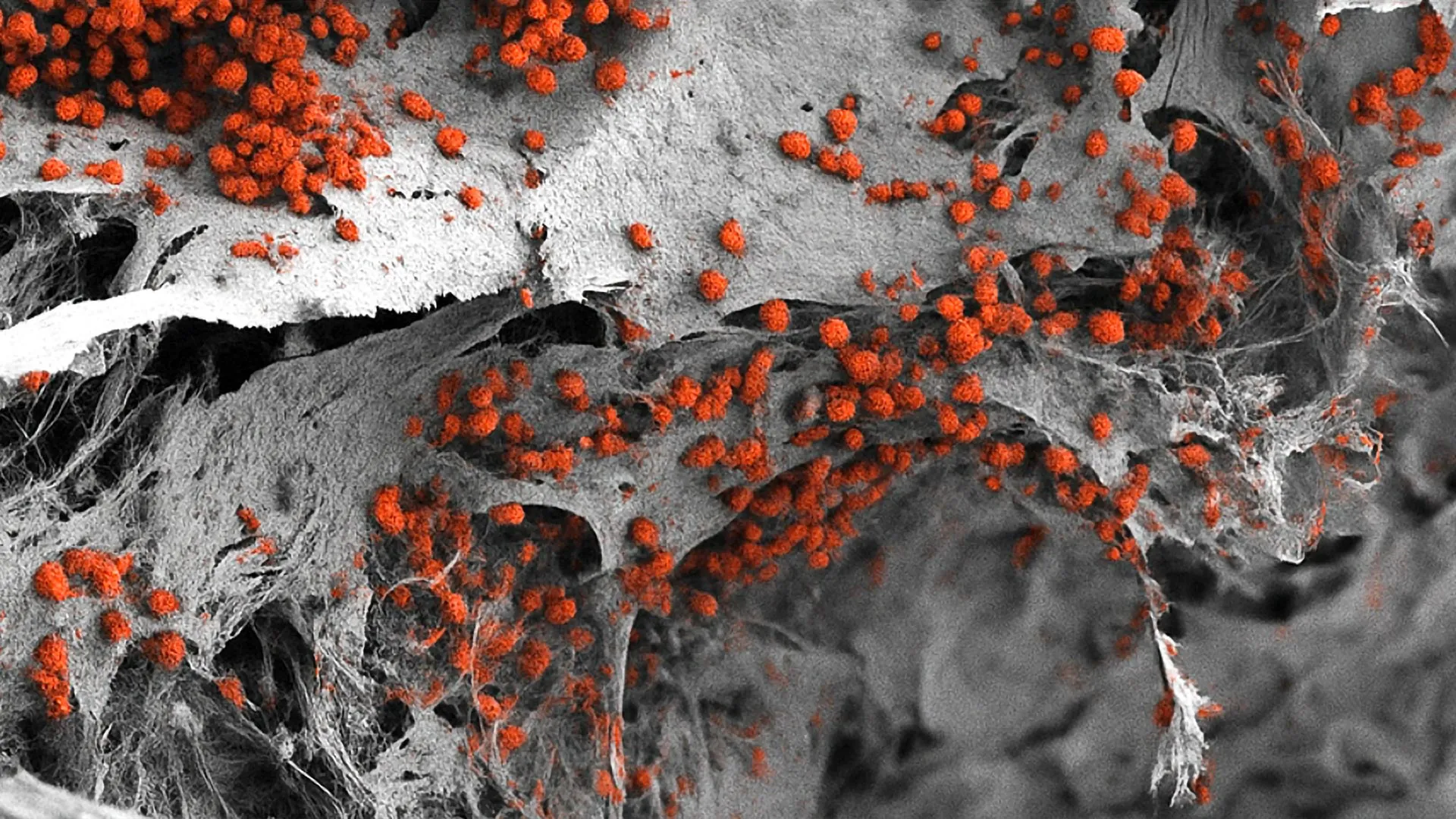
To understand how the tumor was altering the marrow, the researchers utilized single-cell RNA sequencing, a technology that allows for the detailed analysis of the genetic expression of individual cells. They discovered a dramatic shift in the immune-cell population within the skull marrow of glioblastoma-affected subjects.
Under normal conditions, bone marrow produces a balanced array of cells, including B cells (which produce antibodies) and T cells (which attack infected or cancerous cells). In the presence of glioblastoma, however, the marrow’s production shifted heavily toward pro-inflammatory myeloid cells. The levels of neutrophils—cells associated with acute inflammation—nearly doubled. Conversely, several types of B cells, which are essential for a robust immune response, were nearly eradicated.
Dr. E. Richard Stanley, a co-author of the study and professor at Einstein, noted that the influx of these pro-inflammatory cells from the marrow to the tumor makes the glioblastoma increasingly aggressive. "This indicates the need for treatments that restore the normal balance of immune cells in the skull marrow," Dr. Stanley explained. He suggested that future treatment strategies might involve suppressing the overproduction of neutrophils while simultaneously working to restore the population of B and T cells.
Systemic Disruption: Skull vs. Femur Marrow
One of the most intriguing aspects of the study was the discovery that glioblastoma affects different parts of the skeletal system in different ways. While the marrow in the skull was reprogrammed to become pro-inflammatory, the marrow in the femur (the thigh bone) showed a different reaction. In the femur, the cancer appeared to suppress the genes necessary for producing various immune cells altogether.
This distinction highlights the complexity of the body’s systemic response to brain cancer. The tumor appears to exert a localized influence on the nearby skull marrow to recruit inflammatory "helpers," while simultaneously exerting a broader suppressive effect on distant marrow sites to weaken the overall immune system. This dual-action strategy allows the tumor to thrive in a protected, pro-tumor environment while the body’s wider defenses are compromised.
The Risks of Anti-Osteoporosis Medications
Given the observed bone erosion, the researchers investigated whether drugs designed to prevent bone loss—commonly prescribed for osteoporosis—could mitigate the damage or slow the tumor. They tested two FDA-approved medications: zoledronic acid (a bisphosphonate) and denosumab (a monoclonal antibody).
The results were unexpected and serve as a cautionary note for oncologists. While both drugs successfully halted the erosion of the skull bone, they did not inhibit the cancer. In fact, zoledronic acid was found to actually fuel tumor progression in certain types of glioblastoma.
Furthermore, both drugs appeared to interfere with the efficacy of immunotherapy. When combined with anti-PD-L1 drugs—a class of immunotherapy designed to help T cells recognize and kill cancer cells—the bone-loss medications blocked the beneficial effects. This suggests that the structural integrity of the bone and the specific environment of the marrow are deeply intertwined with how the body responds to modern cancer treatments. For patients with glioblastoma who may also be suffering from bone density issues due to age or steroid use (common in brain cancer management), these findings could necessitate a significant change in how their comorbidities are managed.
Implications for Clinical Practice and Future Research
The findings published in Nature Neuroscience have immediate implications for the design of clinical trials and the development of new therapeutics. By identifying the skull marrow as a key player in glioblastoma progression, the research opens up a new "extra-cranial" target for intervention.
- New Diagnostic Tools: The observation of skull thinning via CT scans suggests that bone density and skull structure could potentially serve as biomarkers for tumor aggressiveness or treatment response.
- Combination Therapies: Future treatments may need to combine traditional neuro-oncology approaches with "marrow-tuning" drugs that can reverse the pro-inflammatory shift observed in the study.
- Immunotherapy Optimization: Understanding why bone-loss drugs interfere with PD-L1 inhibitors could lead to more effective protocols for immunotherapy, which has so far seen limited success in treating glioblastoma compared to other cancers like melanoma or lung cancer.
The study involved a massive international collaboration, featuring researchers from Osaka University in Japan, Karolinska Hospital in Sweden, Duke University, and the University of California, San Francisco. This global effort underscores the urgency of finding new solutions for glioblastoma.
As the medical community digests these findings, the focus will likely shift toward a more holistic view of neuro-oncology. The realization that a brain tumor can "reach out" and reshape the surrounding bone and the systemic immune landscape is a sobering reminder of the disease’s complexity. However, it also provides a roadmap for the next generation of therapies—ones that do not just target the tumor in the brain, but also dismantle the supportive infrastructure the cancer builds within the very bones of the patient.