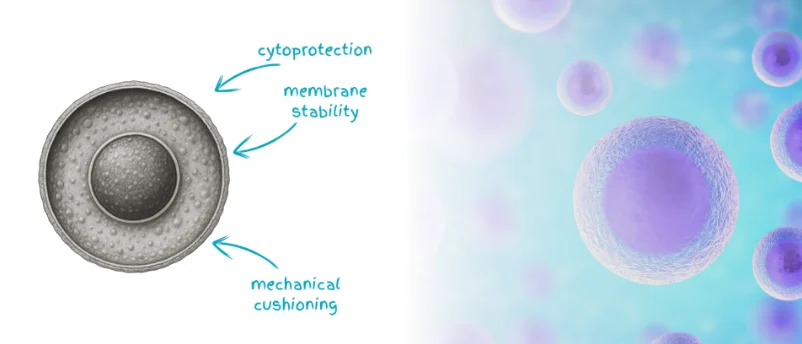
BioTechniques, a leading voice in life science news and methodologies, has officially announced the release of a pivotal new eBook, developed in close association with PHCbi, a global leader in biomedical equipment. This comprehensive digital resource, titled "Monitoring Metabolism: A Powerful Indicator of Cell Culture Health and Progression," is designed to serve as an indispensable guide for researchers, particularly those operating within the rapidly evolving fields of cell and gene therapy. The publication consolidates previously featured insights and new material into a singular, easily accessible format, underscoring the critical importance of metabolic surveillance in ensuring robust, reproducible, and effective cell culture outcomes.
The eBook addresses the fundamental question of why monitoring cellular metabolism is not merely beneficial but essential for gauging the health and trajectory of cell cultures. It meticulously details the methodologies and advanced technologies available for conducting such monitoring, alongside providing specialized perspectives on its application in the intricate landscape of cell and gene therapy research and manufacturing. By packaging these crucial resources into one downloadable feature, BioTechniques and PHCbi aim to empower scientists with the knowledge and tools necessary to optimize their cell culture processes, enhance product quality, and accelerate therapeutic development.
The Indispensable Role of Metabolic Surveillance in Cell Culture
Cell culture, a cornerstone of modern biological and biomedical research, relies heavily on maintaining an optimal environment for cellular proliferation, differentiation, and function. While macroscopic observations like cell density and viability provide initial insights, these often fall short in revealing the underlying physiological state of the cells. This is where metabolite monitoring emerges as a powerful, high-resolution diagnostic tool. Cellular metabolism encompasses the myriad biochemical reactions that sustain life, including nutrient uptake, energy production, biosynthesis of cellular components, and waste excretion. These processes are inherently dynamic and exquisitely sensitive to environmental fluctuations, genetic modifications, and operational parameters within a bioreactor or culture vessel.
Monitoring key metabolites—such as glucose, lactate, amino acids, ammonia, and oxygen—provides real-time or near real-time snapshots of cellular activity. For instance, high glucose consumption coupled with excessive lactate production, often termed the "Warburg effect," can indicate metabolic stress, hypoxia, or suboptimal culture conditions, even in the presence of adequate oxygen. Conversely, a stable metabolic profile suggests cells are thriving and performing their intended functions efficiently. Deviations from an expected metabolic signature can serve as early warning indicators of contamination, nutrient depletion, product inhibition, or cellular senescence, allowing researchers to intervene proactively before irreversible damage or significant yield losses occur.
In therapeutic applications, particularly in the biopharmaceutical industry for the production of recombinant proteins, antibodies, and viral vectors, and especially within the burgeoning cell and gene therapy (CGT) sector, metabolic integrity directly correlates with product quality, efficacy, and safety. Suboptimal metabolism can lead to reduced protein yield, altered glycosylation patterns, decreased viral titer, or compromised cell viability and potency for cell-based therapies. Therefore, comprehensive metabolic monitoring is not merely a research tool but a critical component of quality control and process analytical technology (PAT) strategies, ensuring the consistency and regulatory compliance of therapeutic products.
Advancements in Metabolite Monitoring Technologies
The evolution of cell culture practices has been paralleled by significant advancements in metabolite monitoring technologies, moving from laborious, low-throughput endpoint assays to sophisticated, real-time, and often automated systems. Historically, researchers relied on manual sampling followed by off-line analysis using techniques like High-Performance Liquid Chromatography (HPLC), Gas Chromatography-Mass Spectrometry (GC-MS), Nuclear Magnetic Resonance (NMR) spectroscopy, or enzymatic assays. While highly accurate, these methods are labor-intensive, provide only discrete data points, and carry a risk of sample contamination or perturbation, making them unsuitable for continuous process monitoring.
The contemporary landscape of metabolite monitoring is dominated by the integration of in-line and at-line sensors, offering unprecedented temporal resolution and enabling dynamic process control.
In-line sensors are directly immersed in the culture medium, providing continuous, real-time data without the need for sampling. Examples include optical sensors for pH and dissolved oxygen, and electrochemical sensors for glucose, lactate, and glutamine. These sensors are often integrated into bioreactor systems, allowing for automated feedback loops that can adjust parameters like nutrient feed rates, gas flow, or pH control agents in response to metabolic shifts.
At-line systems involve automated sampling from the bioreactor, followed by rapid analysis in a dedicated analytical module adjacent to the culture vessel. These systems often employ microfluidics and miniaturized analytical techniques, providing high-throughput analysis of multiple metabolites with minimal manual intervention. Examples include automated cell culture analyzers that can simultaneously measure glucose, lactate, ammonia, amino acids, and cell viability parameters.
The advent of biosensors has further revolutionized the field, enabling highly specific and sensitive detection of a wide array of metabolites. These sensors leverage biological recognition elements (e.g., enzymes, antibodies, nucleic acids) coupled with transducers (e.g., electrochemical, optical, piezoelectric) to convert a biochemical event into a measurable signal. Ongoing research focuses on developing non-invasive, label-free biosensors that can provide even richer metabolic information without perturbing the culture environment.
Moreover, the integration of these monitoring technologies with advanced data analytics, machine learning, and artificial intelligence holds immense promise. By analyzing vast datasets of metabolic profiles, researchers can develop predictive models for cell culture performance, identify critical process parameters, and design optimized feeding strategies, paving the way for truly intelligent biomanufacturing.
Metabolite Monitoring: A Cornerstone for Cell and Gene Therapy
The application of metabolite monitoring takes on heightened significance within the complex and often individualized realm of cell and gene therapy (CGT). CGT products, which include autologous and allogeneic cell therapies, gene-modified cells, and viral vectors, are inherently complex, living entities whose efficacy and safety are profoundly influenced by their manufacturing processes. Unlike traditional small molecule drugs or biologics, CGT products are often characterized by their unique biological activity, viability, and potency, making process control paramount.
For autologous cell therapies, such as CAR-T cell therapies, where patient-specific cells are harvested, engineered, expanded, and re-infused, the manufacturing window is often tight, and the starting material can vary significantly from patient to patient. Real-time metabolic monitoring allows for the rapid assessment of cell health, proliferation rates, and activation status, ensuring that the final product meets stringent quality attributes. Detecting metabolic stress early can trigger process adjustments, safeguarding the viability and potency of these precious, patient-derived cells.
In allogeneic cell therapies and induced pluripotent stem cell (iPSC) applications, where large-scale expansion and differentiation are common, metabolite monitoring helps to maintain consistent culture conditions across multiple batches and large bioreactor volumes. It aids in optimizing differentiation protocols, ensuring the purity and desired phenotype of the cell product, and minimizing the risk of unwanted cell populations.
For viral vector production, essential for gene therapies, the metabolic state of the producer cells directly impacts vector yield and quality. Monitoring glucose consumption, lactate production, and amino acid profiles can help optimize infection timing, medium replenishment, and harvest strategies, thereby maximizing the production of high-titer, functional viral particles.

Furthermore, regulatory bodies worldwide, including the FDA and EMA, are increasingly emphasizing the implementation of Process Analytical Technology (PAT) for CGT manufacturing. PAT, which involves the design, analysis, and control of manufacturing processes through timely measurements of critical quality and performance attributes, finds a natural fit with advanced metabolite monitoring. By providing continuous, data-driven insights into the cellular state, metabolite monitoring facilitates a deeper understanding of the process, enables proactive risk mitigation, and supports robust quality-by-design (QbD) principles. This ultimately contributes to accelerated regulatory approval and safer, more effective therapies for patients.
Historical Context and the Genesis of the eBook
The journey toward sophisticated cell culture monitoring has been a gradual but persistent one, driven by increasing demands for higher quality, reproducibility, and scalability in biological research and biopharmaceutical production. In the early days of cell culture, monitoring was largely rudimentary, involving visual inspection under a microscope, manual pH checks, and basic glucose measurements. As cell culture technology advanced with the introduction of chemically defined media, serum-free conditions, and bioreactor systems in the latter half of the 20th century, the need for more precise and dynamic control became apparent.
The late 20th and early 21st centuries saw the emergence of various "omics" technologies—genomics, proteomics, transcriptomics—which provided unprecedented insights into cellular biology. Metabolomics, the large-scale study of metabolites within a biological system, quickly followed, offering a functional readout of cellular physiology. This era marked a shift from simply observing cells to actively understanding and manipulating their internal processes. The integration of metabolomics with real-time analytical tools paved the way for the advanced monitoring solutions we see today.
Recognizing the escalating importance of this field, BioTechniques initially launched its "In Focus" series dedicated to metabolite monitoring in cell culture. This series, a collaborative effort with industry leaders, provided foundational articles, expert interviews, and case studies highlighting various aspects of the technology and its applications. PHCbi, with its long-standing commitment to advancing life science research through innovative laboratory equipment—including state-of-the-art CO2 incubators, bioreactors, and ultra-low temperature freezers that are integral to maintaining optimal cell culture environments—served as the key sponsor for this insightful series. The success and positive reception of the "In Focus" articles underscored a clear demand from the scientific community for a consolidated, authoritative resource. This demand directly prompted the strategic decision to bundle all these valuable insights, along with new content, into a single, comprehensive eBook, thereby creating a definitive "one-stop resource" that simplifies access to critical knowledge.
Industry Perspectives: BioTechniques and PHCbi on Collaboration
The release of this eBook is a testament to the synergistic partnership between BioTechniques and PHCbi, each bringing unique strengths to the endeavor.
From BioTechniques‘ perspective, the publication reflects its core mission to serve the global life science community by providing timely, high-quality, and practical information. A representative from BioTechniques‘ editorial team stated, "Our commitment has always been to deliver cutting-edge scientific content that directly addresses the challenges and opportunities faced by researchers. Metabolite monitoring is undeniably a critical area, especially with the rapid expansion of cell and gene therapies. Consolidating our ‘In Focus’ series into this comprehensive eBook, in collaboration with PHCbi, allows us to offer an unparalleled resource that we believe will significantly aid scientists in optimizing their work and accelerating discoveries. This initiative underscores our dedication to facilitating knowledge transfer and supporting the advancement of biomedical science."
PHCbi, as a company deeply invested in providing the infrastructure for advanced biological research, views its sponsorship and association with the eBook as an extension of its commitment to scientific excellence. A spokesperson for PHCbi commented, "At PHCbi, we understand that the integrity and health of cell cultures are paramount to successful research and therapeutic development. Our advanced laboratory solutions, from precision incubators to bioreactor systems, are designed to create optimal conditions for cellular growth. This eBook, by elucidating the ‘why’ and ‘how’ of metabolite monitoring, perfectly complements our mission. We are proud to partner with BioTechniques to provide the scientific community with this invaluable resource. It empowers researchers to leverage metabolic insights to ensure the robustness of their cell cultures, ultimately contributing to the development of safer and more effective therapies. Our collaboration reflects a shared vision for innovation and quality in the life sciences."
This joint effort exemplifies how industry and publishing can converge to produce impactful educational tools, bridging the gap between technological innovation and practical application in the laboratory.
Broader Impact and Future Outlook
The launch of "Monitoring Metabolism: A Powerful Indicator of Cell Culture Health and Progression" carries significant implications across the scientific and biopharmaceutical landscape. For individual researchers, it democratizes access to expert knowledge, providing a foundational understanding and practical guidance that can immediately enhance experimental design, troubleshooting capabilities, and the overall quality of their cell culture work. This heightened understanding will inevitably lead to more reproducible results, fewer failed experiments, and a more efficient allocation of resources.
On an industrial scale, particularly within biopharmaceutical manufacturing, the eBook’s insights can contribute to tangible improvements in process development and optimization. By fostering a deeper appreciation for metabolic control, it encourages the adoption of advanced monitoring technologies and PAT strategies, leading to higher product yields, reduced manufacturing costs, and, critically, enhanced product consistency and safety profiles. This is particularly vital in the CGT space, where manufacturing costs are high, and product variability can have profound clinical consequences.
Looking ahead, the principles and technologies outlined in this eBook will continue to evolve. Future trends in metabolite monitoring are likely to include further miniaturization of sensors, integration with single-cell analysis techniques, the development of non-invasive, label-free imaging modalities for metabolic flux, and the widespread adoption of AI-driven platforms for predictive modeling and automated process control. The fusion of multi-omics data (genomics, transcriptomics, proteomics, metabolomics, fluxomics) will provide an even more holistic understanding of cellular states, enabling unprecedented levels of control over biological systems.
Ultimately, the beneficiaries of such advancements are not just scientists and industry stakeholders but also patients. By ensuring the highest quality and consistency in cell and gene therapy products and other biopharmaceuticals, robust metabolite monitoring plays a direct role in accelerating the delivery of safer, more effective, and more accessible life-saving treatments. This eBook serves as a crucial waypoint in that journey, providing a solid foundation for the next generation of biological discovery and therapeutic innovation.
Researchers eager to delve into this essential subject matter and gain a competitive edge in their cell culture endeavors are encouraged to access this invaluable resource. The eBook, which serves as a complete compendium of metabolite monitoring resources, is available for free download from the BioTechniques platform.