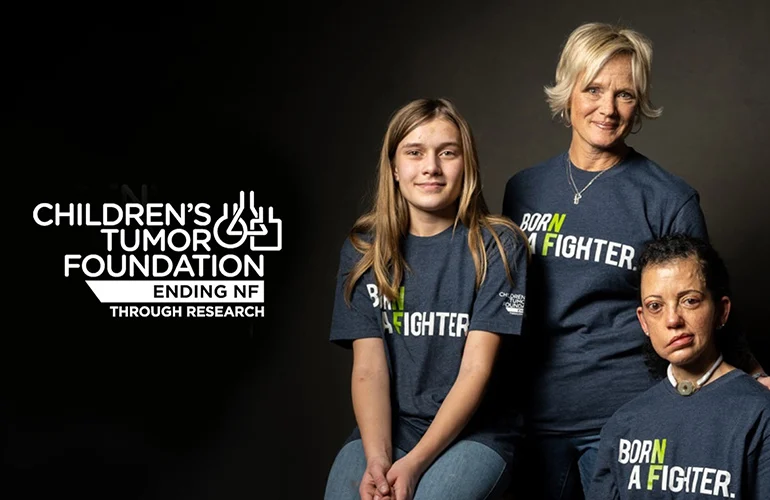
More than 5,000 potentially life-changing treatments for rare diseases are currently languishing on the shelves of pharmaceutical companies, dormant and undeveloped, according to Annette Bakker, PhD, CEO of the Children’s Tumor Foundation (CTF). These are not merely nascent ideas but often drug candidates that have undergone significant preclinical research, extensive toxicology studies, and even early-stage clinical trials before being deprioritized or abandoned. This vast reservoir of scientific investment and therapeutic promise represents a critical missed opportunity in the fight against rare diseases, a gap that non-profit organizations like CTF are now strategically positioned to bridge. The foundation, renowned for its work in neurofibromatosis (NF), is pioneering a novel approach to reactivate these dormant assets, transforming them from corporate write-offs into potential lifelines for patients with unmet medical needs.
The Unseen Crisis: Thousands of Promising Drugs Dormant
The sheer volume of shelved assets – exceeding 5,000 by CTF’s estimates – underscores a systemic challenge within the pharmaceutical industry. Drug development is an inherently risky and costly endeavor, with average costs for bringing a new drug to market often exceeding $1 billion and timelines stretching over a decade. Companies frequently initiate numerous research programs, but only a fraction progress to regulatory approval. When a drug candidate is "shelved," it means active development has ceased. Crucially, as Bakker points out, these decisions are often driven by commercial considerations rather than a lack of efficacy or safety concerns.
Several factors contribute to this phenomenon. Major pharmaceutical companies, through mergers and acquisitions, frequently acquire smaller biotechs primarily to secure a single, high-priority asset, subsequently shelving other promising candidates from the acquired portfolio. Alternatively, partnerships between burgeoning biotechs and larger pharma entities may dissolve, leaving the smaller company without the necessary financial or operational resources to continue independent development. In more dire scenarios, a biotech company might cease operations entirely, rendering its valuable research data and intellectual property inaccessible, effectively erasing years of scientific progress. Many of these shelved assets already possess compelling preclinical data, and some have even completed Phase 1 clinical trials, demonstrating initial safety in humans. The potential to bypass these arduous and expensive early stages of drug development is a significant draw for organizations like CTF.
A Catalyst for Change: The Children’s Tumor Foundation’s Strategic Pivot
The Children’s Tumor Foundation is not new to the complexities of drug discovery and development. For decades, it has operated as a critical drug discovery engine for neurofibromatosis, a group of debilitating genetic conditions that manifest as tumors growing on nerves throughout the body. NF affects approximately 1 in 2,000 people globally, encompassing three main types: NF1, NF2, and Schwannomatosis. These conditions can lead to a wide range of symptoms, including skin lesions, bone deformities, learning disabilities, vision and hearing loss, and inoperable or malignant tumors.
CTF’s historical impact is substantial. The foundation played a pivotal role in funding early-stage research into the use of MEK inhibitors as a therapeutic strategy for NF. This foundational work directly contributed to the understanding and validation of MEK inhibition as a viable treatment pathway. Today, this technology underpins the only two FDA-approved treatments for NF: Koselugo (selumetinib) for NF1-related plexiform neurofibromas, approved in 2020, and the more recently approved treatments targeting NF2 and Schwannomatosis. These approvals represent significant milestones, offering the first-ever systemic therapies for conditions previously managed primarily through surgery or radiation, often with limited success. Building on this track record of fostering successful drug development from nascent research, CTF is now strategically repositioning itself to tackle the challenge of reactivating dormant pharmaceutical assets.
Understanding Neurofibromatosis and the Orphan Drug Imperative
Neurofibromatosis, as a group of rare diseases, exemplifies the challenges inherent in developing treatments for small patient populations. The rarity means that traditional market incentives for large pharmaceutical companies are often insufficient to justify the enormous investment required for drug development. This is where regulatory frameworks like the Orphan Drug Act of 1983 in the United States become crucial. The Act provides incentives such as extended market exclusivity, tax credits for clinical research costs, and fee waivers for regulatory submissions, aiming to encourage the development of drugs for conditions affecting fewer than 200,000 people in the U.S. While the Orphan Drug Act has significantly increased the number of treatments for rare diseases, many conditions still lack approved therapies, and even for those with treatments, there remains considerable room for improvement. The 5,000 shelved drugs represent a stark reminder of this persistent gap.
From Shelf to Success: The Gomekli Blueprint
CTF’s vision for rescuing shelved drugs is not merely theoretical; it is informed by a tangible success story: Gomekli. Dr. Bakker recounts how she successfully convinced Pfizer to license a shelved drug candidate, later known as Gomekli (binimetinib), to SpringWorks Therapeutics, a spin-off company established in 2017. Gomekli, a MEK inhibitor, was initially developed by Array BioPharma and acquired by Pfizer. Despite promising early data, it was not deemed a priority within Pfizer’s vast oncology pipeline for specific rare indications.
The journey of Gomekli from Pfizer’s shelf to FDA approval via SpringWorks Therapeutics serves as a powerful blueprint for CTF’s current strategy. SpringWorks Therapeutics was founded with a unique model: to identify and advance promising clinical-stage assets that have been deprioritized by large pharmaceutical companies. In 2023, Gomekli received FDA approval for the treatment of certain rare solid tumors, specifically those driven by specific genetic mutations, including some forms of NF2-related schwannomatosis. This approval was a monumental achievement, demonstrating that a strategic, focused approach could unlock the potential of overlooked compounds. The commercial success of this model was further validated when SpringWorks Therapeutics was acquired by Merck KGaA for $3.4 billion, underscoring the significant value that can be generated by shepherding these "lost" assets to market.
This case highlights several critical elements: the inherent value of the shelved drug (preclinical and early clinical data already existed), the catalytic role of an external champion (Dr. Bakker), the formation of a dedicated entity (SpringWorks) with the singular focus and agility to advance the compound, and ultimately, the market validation of its therapeutic benefit. However, Dr. Bakker acknowledges that replicating this success on a large scale is challenging. The initial breakthrough with Pfizer was facilitated by specific "champions" within the company, such as Freda Lewis-Hall and Lara Sullivan, who recognized the potential and were willing to collaborate. Securing similar internal advocates in other pharmaceutical giants has proven difficult, as Dr. Bakker notes, "the pharma companies we are calling are not opening the door."
Navigating the Labyrinth of Rare Disease Drug Development
Developing drugs for rare diseases presents a unique set of formidable challenges, often described by Dr. Bakker as "ten times harder" than for common conditions. One of the most significant hurdles is patient recruitment for clinical trials. A rare disease, by definition, affects a small number of individuals, often scattered across vast geographic areas and multiple countries. For instance, while NF affects roughly 1 in 2,000 people, the specific subset of patients with inoperable plexiform tumors targeted by drugs like Gomekli is even smaller. This demographic sparsity makes identifying, contacting, and enrolling a sufficient number of eligible patients for clinical trials an arduous, time-consuming, and expensive undertaking. Delays in recruitment can extend trial timelines by years, significantly increasing costs and postponing potential treatments.
Beyond recruitment, rare disease drug development faces other scientific and logistical complexities:
- Limited natural history data: For many ultra-rare diseases, there is insufficient understanding of the disease’s natural progression, making it difficult to design appropriate endpoints for clinical trials.
- Heterogeneity: Even within a rare disease, patient populations can be highly heterogeneous, responding differently to treatments due to genetic or environmental factors.
- Lack of validated biomarkers: The absence of reliable biomarkers can hinder early diagnosis, patient stratification, and objective measurement of treatment efficacy.
- Funding challenges: Smaller patient populations mean smaller market potential, which can deter private investment despite orphan drug incentives.
- Regulatory navigation: While orphan drug designations help, navigating regulatory pathways for novel therapies in rare diseases still requires specialized expertise.
CTF’s Innovative Ecosystem: Bridging the Gaps
Recognizing these inherent difficulties, CTF is building a comprehensive ecosystem designed to overcome the barriers to rare disease drug development, particularly for shelved assets. Their strategy centers on leveraging their unique strengths as a patient-centric non-profit.
-
Patient Networks: Unlike pharmaceutical companies that must build patient registries from scratch, rare disease non-profits inherently possess established, trusted networks of patients and their families. CTF, through its long-standing engagement with the NF community, has direct access to patient groups, advocacy organizations, and clinical centers specializing in NF. This invaluable network drastically simplifies and accelerates patient recruitment for clinical trials, addressing one of the most significant bottlenecks in rare disease research. Patients are often highly motivated to participate in trials, and their trust in a foundation like CTF can facilitate engagement.
-
Preclinical Hub: CTF has developed and continues to expand a robust preclinical hub, a network of advanced research models, including cell lines, patient-derived xenografts (PDX), and genetically engineered mouse models (GEMMs) specifically relevant to NF. This hub allows CTF to efficiently screen potential drug candidates, assess their efficacy in relevant biological systems, and gather critical data before moving to human trials. Once a pharmaceutical company licenses a shelved asset to CTF or a spin-off entity facilitated by CTF, the drug can be rigorously tested within this established preclinical framework, saving immense time and resources that would typically be spent on building these models and conducting initial validation.
-
Scientific Expertise and Collaboration: CTF fosters a collaborative environment, bringing together leading scientists, clinicians, and researchers globally. This intellectual capital is crucial for identifying the most promising shelved assets, designing appropriate preclinical and clinical study protocols, and interpreting complex data. The foundation acts as a neutral convener, facilitating partnerships between academia, industry, and patient advocacy groups.
-
Strategic Licensing and Spin-offs: CTF’s model involves working with pharmaceutical companies to license shelved assets. This could involve direct licensing to CTF for development, or more likely, facilitating the creation of new spin-off companies, similar to SpringWorks Therapeutics, that are solely dedicated to advancing these specific compounds. This approach provides pharmaceutical companies with a pathway to potentially recoup some value from assets they have written off, without expending additional internal resources.
"The idea is to create an ecosystem that makes sure that once we have the drug, we can be really efficient," Dr. Bakker emphasizes. This efficiency stems from minimizing redundant work, accelerating timelines, and strategically deploying resources where they are most impactful.
The Economic and Human Dividend of Drug Rescue
The implications of CTF’s strategy extend far beyond the immediate benefit to NF patients. Rescuing shelved drugs offers a substantial economic and human dividend:
- Reduced R&D Costs: By leveraging drugs that have already completed preclinical and early clinical development, the cost of bringing a new therapy to market can be drastically reduced. The hundreds of millions of dollars already invested in these compounds are not lost, but rather capitalized upon. This cost-efficiency makes rare disease drug development more economically viable.
- Accelerated Development Timelines: Skipping years of preclinical and toxicology work, and having existing safety data, means that rescued drugs can potentially enter clinical trials almost immediately. This significantly shortens the time to market, bringing much-needed therapies to patients faster.
- Maximizing Scientific Investment: The collective global investment in pharmaceutical R&D is immense. Reactivating shelved assets ensures that this investment is not wasted, transforming liabilities into valuable assets for public health.
- Addressing Unmet Needs: For patients with rare diseases, the wait for an effective treatment can be a lifetime. Each rescued drug represents renewed hope and a potential solution for conditions that currently have no, or inadequate, therapeutic options.
- New Drug Development Model: CTF’s approach champions a new paradigm in drug discovery, where non-profits act as catalysts and facilitators, bridging the gap between large pharma’s commercial priorities and the urgent needs of patient communities. This model could inspire similar initiatives for other disease areas.
Challenges and the Path Forward: Scaling a Collaborative Model
Despite the clear benefits and the successful blueprint of Gomekli, scaling this model faces significant hurdles. The primary challenge, as highlighted by Dr. Bakker, is the reluctance of pharmaceutical companies to "open the door." Sharing shelved assets requires a shift in corporate mindset, moving beyond strict commercial secrecy and towards a more collaborative, patient-focused approach. Companies may be wary of potential liabilities, intellectual property concerns, or simply the administrative burden of engaging with external organizations for assets they have deemed non-strategic.
To overcome this, CTF and similar non-profits must continue to build trust, demonstrate the tangible benefits of their model (both humanitarian and potentially financial for the licensor), and advocate for policies that encourage such collaborations. This could involve government incentives, public-private partnerships, or industry-wide frameworks for asset sharing. The narrative needs to shift from "writing off a loss" to "unlocking latent value" for both patients and the broader healthcare ecosystem.
The Children’s Tumor Foundation’s ambitious endeavor to rescue pharma’s shelved rare disease drugs represents a beacon of hope for millions of patients worldwide. By transforming overlooked compounds into viable therapies through strategic partnerships, scientific rigor, and patient advocacy, CTF is not just developing drugs; it is redefining the landscape of rare disease research, proving that collaboration and ingenuity can indeed turn dusty shelves into pathways to healing. The success of this model will depend on the willingness of the pharmaceutical industry to embrace a more open, collaborative future, driven by a shared commitment to addressing the profound unmet needs of the rare disease community.