The therapeutic landscape for glucagon-like peptide-1 (GLP-1) receptor agonists has undergone a monumental transformation, extending far beyond its initial applications in type 2 diabetes and obesity. This expansion into a broad spectrum of conditions, including cardiovascular disease, chronic kidney disease, obstructive sleep apnea, and metabolic dysfunction-associated steatohepatitis (MASH), has created an unprecedented demand for a new generation of biospecimens. These specialized biological samples, meticulously collected and comprehensively annotated, are now crucial for understanding the intricate mechanisms of these potent drugs and for advancing future therapeutic innovations.
The Unstoppable Rise of GLP-1 Agonists
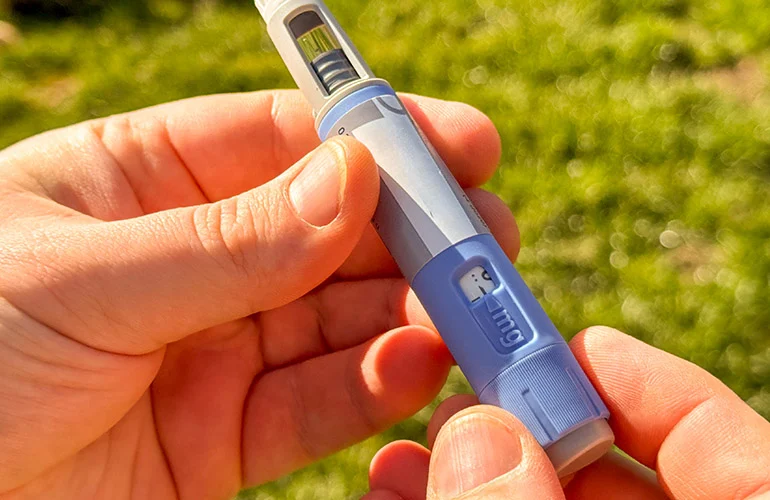
GLP-1 receptor agonists, initially heralded for their efficacy in glycemic control and weight management, represent one of the most significant pharmaceutical breakthroughs of the 21st century. Drugs like semaglutide (Ozempic, Wegovy) and tirzepatide (Mounjaro, Zepbound) have not only reshaped treatment paradigms for metabolic disorders but have also opened doors to addressing a cascade of related comorbidities. Semaglutide, a GLP-1 receptor mono-agonist, paved the way, receiving its initial approval for type 2 diabetes as Ozempic in 2017. Four years later, its approval as Wegovy for chronic weight management in 2021 marked a pivotal moment, ushering in the "weight-loss era" of these drugs.
The innovation continued with tirzepatide, a dual agonist targeting both GLP-1 and glucose-dependent insulinotropic polypeptide (GIP) receptors. Approved as Mounjaro for type 2 diabetes in 2022 and subsequently as Zepbound for obesity in 2023, tirzepatide showcased enhanced efficacy, further demonstrating the potential of multi-receptor engagement. The pipeline for next-generation candidates is even more ambitious, exploring triple agonists that incorporate glucagon receptor activity or entirely novel pathways involving amylin and FGF21 biology. This intense competition, initially dominated by pharmaceutical giants Novo Nordisk and Eli Lilly, is now diversifying with the emergence of oral small molecules, monthly dosing regimens, and a growing wave of contenders from global markets, particularly China.
A Chronology of Expansion: From Glycemia to Systemic Health
The rapid evolution of GLP-1 therapies is best illustrated by a remarkable timeline of regulatory approvals and clinical breakthroughs:
- 2017: Semaglutide (Ozempic) receives FDA approval for type 2 diabetes, establishing GLP-1 as a cornerstone treatment.
- 2021: Semaglutide (Wegovy) is approved for obesity, fundamentally altering the approach to chronic weight management and igniting widespread public and medical interest.
- 2022: Tirzepatide (Mounjaro), a pioneering dual GIP/GLP-1 agonist, secures approval for type 2 diabetes, demonstrating superior efficacy.
- 2023: Tirzepatide (Zepbound) gains approval for obesity, solidifying the dual-agonist approach in weight loss.
- March 2024: Wegovy achieves a landmark approval to reduce cardiovascular risk in patients with obesity or overweight and established heart disease, expanding its utility beyond metabolic control. This followed robust clinical trial data showing significant reductions in major adverse cardiovascular events (MACE).
- December 2024: Zepbound becomes the first medication of any kind approved for obstructive sleep apnea, highlighting the systemic benefits of weight loss and metabolic improvement.
- January 2025: Ozempic receives approval to slow the progression of chronic kidney disease in individuals with type 2 diabetes, underscoring the renoprotective effects of GLP-1s.
- August 2025: Wegovy makes history as the first GLP-1 approved for Metabolic Dysfunction-Associated Steatohepatitis (MASH) with moderate-to-advanced fibrosis, addressing a critical unmet medical need in liver disease.
- December 2025: The Wegovy pill, the first oral GLP-1 formulation specifically for weight loss, is approved, offering a more convenient administration route that could significantly improve patient adherence and access.
- April 2026: Orforglipron (Foundayo), developed by Eli Lilly, becomes the first oral small-molecule GLP-1 to win approval for obesity. Its rapid new-drug clearance, the fastest since 2002, signals a new era of competitive, orally administered GLP-1 agents.
This incredible trajectory demonstrates a profound shift from targeting isolated metabolic parameters to addressing a constellation of interconnected health conditions, collectively representing a massive public health burden.
Affordability and Accessibility: Addressing the Financial Barrier
Despite their groundbreaking efficacy, the high list prices of GLP-1 drugs, often exceeding $1,000 per month, have presented significant barriers to access for many patients. This challenge was starkly highlighted by a late 2023 survey, revealing that while one in eight American adults were taking a GLP-1 drug for various conditions, half reported difficulty affording them. Manufacturers have initiated discounted cash-pay programs, bringing costs down to $350-$500, but these efforts still left a considerable gap.
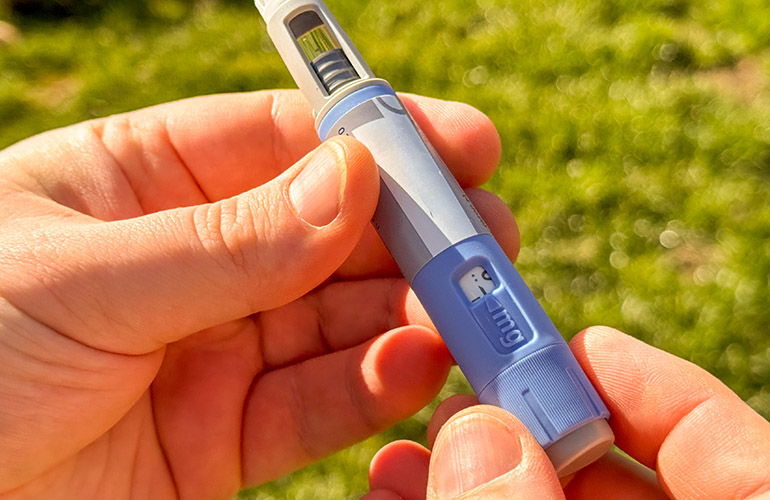
A major turning point for patient access arrived on July 1, 2026, when Medicare began covering GLP-1 drugs for weight loss, with patient out-of-pocket costs projected at approximately $50 per month. This policy change is expected to dramatically increase the uptake of these medications, particularly among older adults who are disproportionately affected by obesity and related comorbidities. The decision reflects a growing recognition of obesity as a chronic disease deserving of comprehensive medical treatment and underscores the long-term cost-effectiveness of preventing and managing associated health complications like cardiovascular events and kidney disease.
The Evolving Demand for Biospecimens: A Research Imperative
This rapid expansion of GLP-1 indications has profound implications for pharmaceutical research and development, particularly in the realm of biospecimen procurement. As Cathie Miller, Ph.D., director of product management operations at BioIVT, a leading global biospecimen and ADME-Tox services provider, explains, the original biospecimen collections, optimized for weight loss and diabetes research, are no longer sufficient. "If you think about what GLP-1s were first developed for, a lot of it was around weight loss, so a lot of the data that goes with those specimens, and a lot of the specimens that were collected, were very specific to weight loss," Miller stated. "As the science has evolved, and we’ve gotten a better understanding of how these drugs can potentially work for other diseases, those original samples the biobanks collected are no longer as relevant."
The new research questions demand a fundamentally different type of biological material. For instance, the exploration of GLP-1s in oncology requires tumor samples and comprehensive oncology cohorts. Neurodegeneration studies necessitate cerebrospinal fluid (CSF) or even brain tissue, alongside detailed neurological annotations. Each new indication, from MASH to chronic kidney disease, requires clinically annotated collections that capture the specific comorbidities, disease stages, and treatment histories relevant to these novel contexts. The "weight-loss-era" biobanks, while invaluable for their original purpose, simply do not possess the diversity and depth of samples needed for these burgeoning areas of investigation.
A Pivot from Tissue to Biofluids: Adapting to New Realities
One of the most significant shifts in biospecimen procurement is the increasing reliance on biofluids rather than traditional tissue biopsies, especially for conditions where tissue is difficult or impossible to source from living donors. Miller highlighted this trend: "Some of these diagnoses people are looking for, the actual tissue is hard to source, so we’re seeing a drive toward the biofluids that represent that. It’s not just blood-derived biofluid, plasma, serum, or whole blood; we’re seeing a lot of interest in urine, feces, or saliva that support these different areas." She contrasted this with a decade ago when "it was predominantly tissue. People needed oncology tissue resections and matched normals."
This pivot is reflected directly in BioIVT’s business operations. Historically, their tissue-to-biofluid business was approximately 60% tissue to 40% biofluids. Today, this ratio has inverted to roughly 60% biofluids to 40% tissue. While the expansion of GLP-1 indications is a significant driver, it is not the sole factor. Advancements in biological discovery and analytical techniques mean that researchers can now derive a wealth of information from biofluids that previously required tissue. The burgeoning fields of exosomes and liquid biopsy analysis, which enable non-invasive disease detection and monitoring through circulating biomarkers, are also profoundly contributing to this shift.
The global biospecimen procurement market, valued at approximately $5 billion in 2024, is projected to more than double to over $11 billion by 2033. This growth underscores the critical role of these materials in drug and diagnostic development. However, the industry faces persistent challenges, with roughly four in five researchers reporting that they have had to narrow the scope of their studies due to an inability to obtain high-quality, well-annotated specimens. This highlights the urgent need for robust, specialized biobanking infrastructure capable of meeting the dynamic demands of modern drug discovery.
New Indications, New Specimen Requirements: Deep Dives
Metabolic Dysfunction-Associated Steatohepatitis (MASH): The FDA approval of Wegovy for MASH in August 2025 marked a watershed moment for liver disease research. This, coupled with promising data from FGF21-mimic compounds like efruxifermin (Akero Therapeutics, now part of Novo Nordisk), which showed cirrhosis reversal despite missing primary endpoints in Phase 2b trials, has drastically altered specimen requirements. Sponsors now require hepatocytes exhibiting actual disease characteristics, such as liver-fattiness scores or other MASH-like features, rather than normal liver cells. Furthermore, there’s a growing need for longer-term in vitro liver models capable of simulating the chronic, fibrotic processes central to MASH pathology.

Brian Ogilvie, Ph.D., vice president of scientific consulting at BioIVT, elaborated on this impact on their ADME (Absorption, Distribution, Metabolism, Excretion) portfolio: "On MASH there have been a lot of developments, and that really affects our ADME portfolio in terms of hepatocytes. People are asking, for example, do you have scores for liver fattiness? It may be difficult to get a true diagnosis or pathological confirmation of MASH, but they’re looking for any indications, so they can look at samples that have those characteristics. We also have services like HEPATOPAC, where we’ve done a lot of work on drugs trying to treat MASH." This exemplifies how a new indication creates demand for both a novel class of biospecimen and specialized in vitro services.
Neurodegeneration: For conditions like Alzheimer’s and Parkinson’s, the relevant tissue (brain tissue) is largely inaccessible in living donors, driving demand towards cerebrospinal fluid (CSF). "On the neurological side, we’re seeing huge demand for CSF, both normal and associated with neurological diseases," Miller noted. This demand persists despite recent clinical trial disappointments. Oral semaglutide’s EVOKE and EVOKE+ Phase 3 trials in early Alzheimer’s, reported in late 2025, did not show a statistically significant slowing of disease progression against placebo, although the drug did demonstrate positive effects on Alzheimer’s-related biomarkers. Similarly, the largest GLP-1 trial in Parkinson’s, Exenatide-PD3, found no benefit in 2025. These biomarker-positive but outcome-negative results underscore the need for well-characterized CSF samples to further elucidate mechanisms, identify responsive patient populations, and refine therapeutic strategies.
Oncology: The link between obesity, metabolism, and certain cancers has brought GLP-1s into the oncology research spotlight. "On oncology, it’s really the tumors that are driven by metabolism, driven by obesity," Miller explained. This includes cancers such as breast (especially post-menopausal), colorectal, endometrial, liver, pancreatic, and certain kidney cancers. The interest is fueled by a growing body of observational evidence suggesting that GLP-1 use is associated with lower rates of several obesity-related cancers, including reduced breast cancer incidence. While no oncology indication has yet received approval for GLP-1s, the potential for these drugs to mitigate cancer risk or improve outcomes in specific metabolic-driven cancers represents a significant area of active investigation. This necessitates the procurement of tumor samples from patients with these specific cancer types, coupled with comprehensive metabolic and treatment histories.
The Imperative of Clinical Annotation
What truly distinguishes these new-era biospecimens is the depth and quality of their clinical annotation. As Miller emphasized, "If it’s a biobank like BioIVT’s, we collect as much medical history as the donor will provide. We collect the historical medical information, any current or past medications, any past or current treatments… we’ll know whether, after being on a GLP-1, the donor did or did not develop a cancer. That’s where we’re making a concerted effort to add that kind of information." This granular clinical data, meticulously linked to each sample, transforms a mere biological specimen into an invaluable research tool, allowing investigators to correlate molecular findings with real-world patient outcomes and treatment responses.
Broader Impact and Future Implications
The expanding roster of GLP-1 indications and the subsequent shift in biospecimen demand represent more than just a logistical challenge; they signify a fundamental evolution in drug discovery. This paradigm shift will accelerate the development of precision medicines tailored to specific patient populations and disease contexts. It underscores the interconnectedness of various physiological systems and the potential for a single therapeutic class to exert broad beneficial effects.
For pharmaceutical companies, the ability to access high-quality, appropriately annotated biospecimens will be a critical competitive advantage, enabling them to navigate complex clinical trials and accelerate regulatory approvals for new indications. For academic researchers, these specialized samples will unlock deeper insights into disease pathogenesis and therapeutic mechanisms, fostering innovation. Ultimately, for patients, this dynamic landscape promises a future with more effective, comprehensive, and accessible treatments for a wider array of chronic and debilitating conditions, moving beyond symptomatic relief to addressing the underlying drivers of health and disease. The journey from diabetes to MASH, powered by GLP-1 science and supported by evolving biospecimen capabilities, is just the beginning of a transformative era in medicine.