The biopharmaceutical industry is grappling with a critical challenge: the silent erosion of invaluable "tacit knowledge" during technology transfer processes. This phenomenon, where unwritten expertise and nuanced operational insights fail to transition effectively between teams or organizations, is intensified by the industry’s increasing reliance on outsourcing, significant workforce shifts, and the inherent complexity of advanced therapeutic modalities like cell and gene therapies. The consequences are far-reaching, impacting everything from development timelines and product quality to financial performance and, ultimately, patient access to life-saving treatments.
Technology transfer, the systematic movement of documented processes and knowledge from one operational unit to another—be it from R&D to manufacturing, a pilot plant to a commercial site, or between internal departments and external contract development and manufacturing organizations (CDMOs)—is a cornerstone of drug development and commercialization. While formal documentation captures explicit knowledge, the unspoken, experience-based understanding that enables processes to truly succeed often remains elusive. As of 2022, over 86% of biopharmaceutical companies engaged in some form of outsourcing, a trend driven by the desire to mitigate risks and accelerate development timelines. However, this reliance on external partners inherently multiplies the points at which tacit knowledge can be fragmented and lost, posing a significant threat to operational continuity and product integrity.
The Unseen Challenge of Tacit Knowledge
The concept of "tacit knowledge," often described as "know-how" or "intuition," is distinct from "explicit knowledge," which can be readily articulated, documented, and shared. In the intricate world of biopharmaceutical manufacturing, tacit knowledge encompasses a vast array of insights: the subtle cues an operator uses to determine if a bioreactor run is proceeding optimally, the undocumented tweaks to a purification protocol that consistently yield higher purity, or the troubleshooting heuristics developed over years of hands-on experience. It is the accumulated wisdom that resides within individuals and teams, often acquired through trial, error, and direct observation. This deeply embedded expertise is challenging to articulate, let alone codify, making its transfer particularly difficult.
The Pharmaceutical Dossier Association (PDA)’s Technical Report No. 65 specifically advocates for the capture of this elusive knowledge, highlighting its profound impact on patient outcomes when poorly managed during transfer. Similarly, the International Society for Pharmaceutical Engineering (ISPE) Good Practice Guide on Knowledge Management in the Pharmaceutical Industry underscores that tacit knowledge is "arguably underappreciated" within an industry often characterized by its document-centric regulatory environment. This oversight creates a critical vulnerability, as processes that appear perfectly defined on paper may falter without the accompanying, unwritten operational intelligence. Without the tacit understanding of how to interpret anomalies, react to unexpected variables, or fine-tune sensitive equipment, even the most meticulously documented procedures can fall short in a real-world manufacturing setting.
The Evolving Landscape of Biopharma Outsourcing
The biopharmaceutical industry has witnessed a steady migration towards outsourcing over the past two decades. What began as a strategic move to offload non-core activities or access specialized capabilities has evolved into a fundamental operating model for many companies, particularly smaller biotech firms and virtual companies that rely heavily on external partners for everything from early-stage research to clinical manufacturing and commercial production. The global biopharmaceutical CDMO market, valued at approximately $140 billion in 2023, is projected to grow substantially, reflecting this ongoing trend.
While outsourcing offers undeniable advantages—including reduced capital expenditure, access to cutting-edge technologies, specialized expertise, and the flexibility to scale operations up or down—it inherently introduces complexities in technology transfer. Each handover point, whether between a client and a CDMO or between different CDMOs in a multi-stage process, becomes a potential leakage point for tacit knowledge. The emphasis often falls on contractual agreements and explicit documentation, sometimes at the expense of fostering the deep, person-to-person knowledge exchange that is crucial for complex bioprocesses. This disconnect can lead to delays, increased costs, and quality issues if the receiving organization lacks the full, nuanced understanding of the process developed by the originator.
Workforce Dynamics: A Looming Knowledge Drain
The challenge of knowledge transfer is further compounded by significant demographic and economic shifts within the biopharma workforce. The U.S. alone sees approximately 11,000 baby boomers reaching retirement age each day, representing an unprecedented exodus of experienced professionals from all sectors, including highly specialized manufacturing and R&D roles within biopharma. These departing experts carry with them decades of invaluable tacit knowledge—the institutional memory of how specific processes evolved, the nuances of particular equipment, and the informal networks crucial for problem-solving. A survey by the Biotechnology Innovation Organization (BIO) highlighted that experienced talent retention is a top concern for many biotech companies.
Compounding this demographic shift, biopharma layoffs surged by 16% in 2025, with manufacturing and CDMO functions frequently among those affected. While these workforce reductions might be driven by economic pressures, strategic realignments, or M&A activities, they inadvertently dismantle teams and sever the informal channels through which tacit knowledge is traditionally shared and preserved. The cumulative effect is a rapid depletion of critical human expertise, leaving organizations reliant on documented procedures that often tell only part of the story. The loss of a single veteran operator, scientist, or engineer can have a ripple effect, impacting the efficiency, quality, and even the safety of complex manufacturing operations that rely heavily on their accumulated, unwritten wisdom.
The Financial Cost of Lost Expertise
The financial ramifications of this knowledge drain are substantial and often underestimated. The pharmaceutical giant Merck, for example, reported a staggering $125 million in value directly attributable to effective knowledge management over a decade. This figure hints at the enormous hidden costs incurred when knowledge is lost—costs that manifest as extended development timelines, increased batch failures, costly reworks, regulatory delays, and ultimately, missed market opportunities. Each failure to successfully transfer a process, each delay in scaling up production due to unforeseen operational hurdles, represents millions of dollars in lost revenue and increased expenditure.
For advanced therapies, where manufacturing costs can be exceptionally high and patient populations critical, these financial losses are amplified, potentially jeopardizing the viability of groundbreaking treatments. A study by the Tufts Center for the Study of Drug Development estimates that the average cost to develop a new drug is well over $2 billion, with manufacturing and process development contributing a significant portion. Inefficient tech transfer adds directly to these costs, pushing innovative therapies further out of reach for patients and investors alike. Furthermore, the cost of a single batch failure in biopharmaceutical manufacturing can range from hundreds of thousands to several million dollars, not including the reputational damage and potential delays to patient access. These financial impacts underscore the urgent need for robust strategies to capture and transfer tacit knowledge effectively.
Regulatory Frameworks and Industry Best Practices
While the industry widely acknowledges the importance of knowledge management, a specific, universally mandated regulatory framework for capturing tacit knowledge remains elusive. Organizations like the PDA and ISPE have published comprehensive guides and technical reports, such as the aforementioned PDA Technical Report No. 65 and the ISPE Good Practice Guide on Knowledge Management in the Pharmaceutical Industry. These documents emphasize the critical role of knowledge management in maintaining a robust Pharmaceutical Quality System (PQS) and improving overall operational effectiveness. They strongly recommend proactive strategies for identifying, capturing, and transferring tacit knowledge as a best practice, underscoring its impact on product quality and patient safety.
However, these are typically guidelines and recommendations rather than strict mandates with prescribed methodologies. The document-centric nature of regulatory compliance, focused on explicit instructions and records, often inadvertently sidelines the less tangible, experience-based knowledge. This leaves individual companies to devise their own approaches, leading to a wide variation in effectiveness. The absence of a prescriptive regulatory framework means that while many companies aspire to better knowledge management, the urgency and specific investment required to tackle tacit knowledge loss might not always be prioritized at the highest level, until a critical failure occurs.
Tech Transfer Hotspots: From Academia to Industry
One of the most significant hotspots for tacit knowledge loss occurs at the crucial juncture between academia and industry. Ryan Chen, Director of Product Marketing at ValGenesis, observes, "Academic to industry packages are often associated with immature processes and undocumented tacit knowledge." The transition of intellectual property, research data, and proof-of-concept findings from a university lab to a commercial manufacturing facility presents a chasm of operational philosophy. Academic research, by its very nature, is often small-scale, exploratory, and flexible, prioritizing innovation and rapid iteration. While this environment fosters creativity, it typically lacks the stringent documentation, standardization, and quality control measures essential for large-scale, regulatory-compliant production.
Patents and scientific publications, while vital for protecting intellectual property and disseminating findings, primarily capture what a product does or what a process achieves, not the intricate "how-to" or the myriad failed attempts and subtle adjustments that led to success. Experienced researchers accumulate a wealth of tacit knowledge from these "failed" experiments – insights into specific reagents, equipment quirks, or unexpected assay variations. This collective wisdom is informally transferred through mentoring, direct collaboration, and ongoing dialogue within research teams. However, when a scientist moves to a new role, a lab closes, or a technology is licensed out, this invaluable, unwritten expertise frequently vanishes, leaving the industrial partner to painstakingly rediscover critical operational details. This gap necessitates a robust, proactive approach to knowledge capture that goes far beyond mere documentation, requiring embedded personnel, extensive training, and a culture that values the sharing of experiential insights. Bridging this gap is crucial for accelerating the translation of groundbreaking scientific discoveries into marketable therapies.
Advanced Modalities: Elevating the Stakes
The advent of advanced therapeutic modalities, particularly cell and gene therapies (CGT), has dramatically elevated the stakes and amplified the complexity of tacit knowledge transfer. These therapies, which often involve manipulating living cells or genetic material, introduce a level of biological variability and process sensitivity unprecedented in traditional small molecule or even biologic manufacturing. "Advanced modalities such as cell and gene therapies introduce greater biological variability, complex potency assays, aseptic processing requirements and sensitivity to operator technique, making transfers more technically demanding," explains Chen. Unlike conventional pharmaceuticals, CGTs are inherently sensitive to factors like cell source, patient variability, and environmental conditions. This makes their manufacturing processes highly dynamic and often bespoke, defying easy standardization.
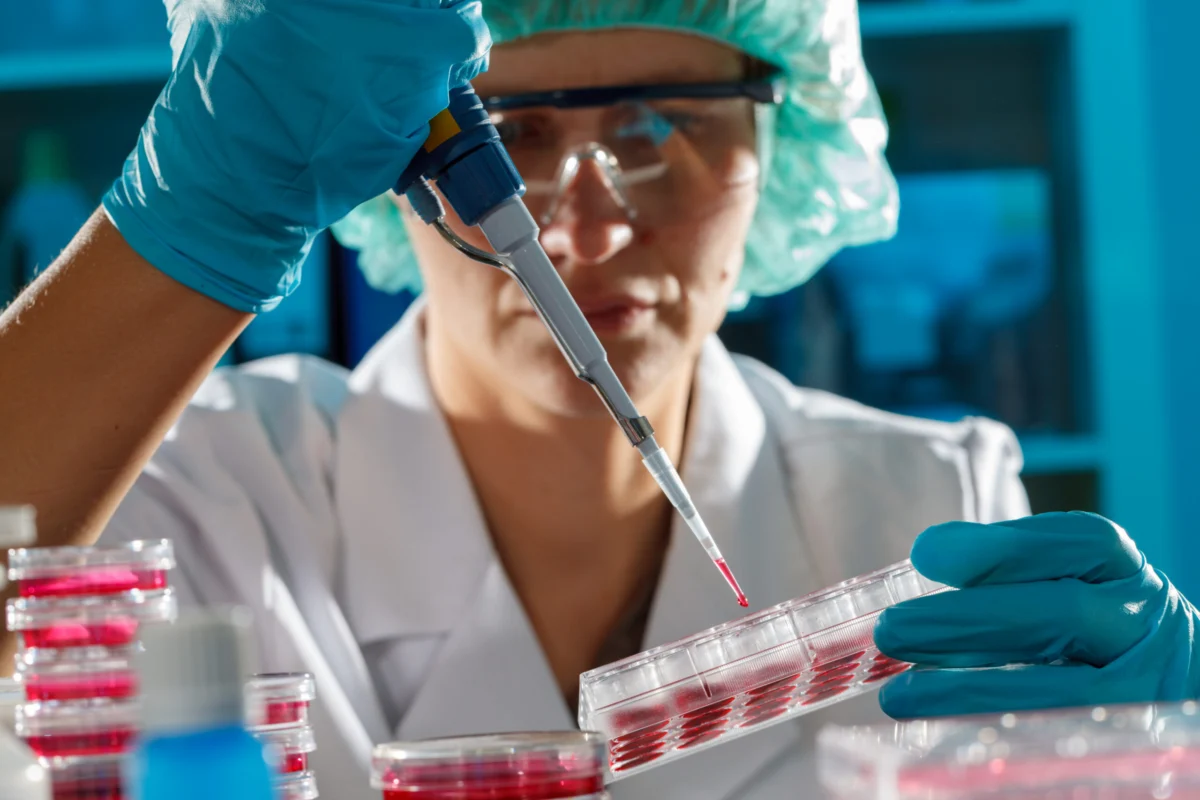
Consider the manufacturing of CAR-T cell therapies, a prominent example within the cell therapy landscape. The process involves intricate steps such as apheresis (collecting patient blood), cell isolation, genetic modification, cell expansion, and final harvesting. Each of these stages often involves significant manual handling, where the skill and experience of the operator directly influence critical quality attributes like cell viability, yield, and potency. Even seemingly minor deviations in technique—how a pipette is handled, the speed of a centrifuge, or the precise timing of a reagent addition—can have profound effects on the final product. Furthermore, the interpretation of complex quality control assays, such as flow cytometry, requires a highly trained eye and a depth of experience that goes beyond simply reading a protocol. Two operators following the same written Standard Operating Procedure (SOP) might achieve different results due to subtle, unwritten nuances in their technique. The vulnerability to contamination in these open, aseptic processes, combined with the inability to terminally sterilize living cells, makes operator technique and tacit troubleshooting skills paramount. As the global CGT market is projected to reach over $100 billion by the early 2030s, according to various market research reports, the ability to efficiently and reliably scale up manufacturing through effective knowledge transfer is not just an operational challenge but a critical determinant of patient access and market success. Global manufacturing networks for these therapies add further layers of complexity, navigating diverse jurisdictional GMP requirements, supply chain variability, and the demanding need for cross-site comparability.
The Imperative of Proactive Knowledge Management
Addressing this multi-faceted challenge requires a paradigm shift from reactive problem-solving to proactive, institutionalized knowledge management strategies. As Chen suggests, "Founders can mitigate these risks by designing for transfer early, institutionalizing knowledge management, investing heavily in analytical readiness, selecting partners with true modality expertise and embedding strong governance and change-control discipline from the outset rather than treating tech transfer as a late-stage operational task." This means integrating knowledge management into the very fabric of drug development, beginning in the earliest R&D phases.
Key strategies for effective knowledge management include:
- Early Design for Transfer: Processes should be developed with scalability and transferability in mind from the outset. This involves standardizing equipment, developing robust assays, and documenting not just the "what" but the "why" and "how" of every critical step. Early engagement between R&D, process development, and manufacturing teams is crucial to embed transferability into the design.
- Institutionalizing Knowledge Management: Moving beyond ad-hoc efforts, companies need dedicated knowledge management systems and a culture that incentivizes knowledge sharing. This could involve formal mentoring programs, structured debriefings ("lessons learned" sessions), expert interviews, and the use of digital tools to capture video recordings of complex manual operations or interactive 3D models of equipment. Establishing communities of practice where experts can share insights regularly also plays a vital role.
- Investing in Analytical Readiness: Robust analytical methods are crucial for understanding process variability and ensuring comparability across sites. Investing in advanced analytical technologies and ensuring that the expertise to operate and interpret these tools is transferred effectively can significantly reduce reliance on subjective operator judgment. This includes developing process analytical technology (PAT) to monitor critical process parameters in real-time.
- Strategic Partner Selection: When outsourcing, choosing CDMOs with demonstrated, deep expertise in the specific modality (e.g., viral vectors, autologous cell therapies) and a proven track record of successful tech transfers is paramount. This goes beyond mere capacity and extends to their internal knowledge management practices and the stability of their workforce. A thorough due diligence process that evaluates a CDMO’s approach to knowledge capture and transfer is essential.
- Strong Governance and Change Control: Establishing rigorous governance frameworks and robust change control processes ensures that any modifications to processes or methods are thoroughly documented, assessed for impact, and communicated across all relevant parties. This prevents the gradual erosion of process understanding over time and ensures that changes are implemented consistently across all manufacturing sites.
Implications for Patients and Public Health
The failure to effectively manage and transfer tacit knowledge has direct and profound implications for patients. Delays in scaling up production, issues with product quality, or even outright manufacturing failures can mean that life-saving therapies are either delayed in reaching the market or are available to a limited number of patients. For diseases with urgent, unmet medical needs, particularly in oncology and rare genetic disorders where advanced therapies offer hope, these delays are not just inconvenient—they are life-threatening.
Moreover, inconsistencies in manufacturing due to lost tacit knowledge can lead to variability in product efficacy and safety, potentially undermining patient trust and regulatory confidence. A compromised manufacturing process, even if it produces a seemingly compliant product, could lead to suboptimal patient outcomes or unforeseen adverse events in the long term. Ensuring the seamless transfer of knowledge is therefore not merely a business imperative but a moral one, directly tied to the ethical responsibility of delivering safe, effective, and accessible medicines to those who need them most. The public health impact of delayed or unavailable innovative therapies underscores the urgency of addressing this critical industry challenge.
The Path Forward: An Integrated Approach
The biopharmaceutical industry stands at a pivotal juncture. The confluence of rapid scientific advancement, evolving business models, and significant workforce transitions demands a comprehensive, integrated approach to knowledge management. This involves leveraging digital transformation, such as advanced analytics, artificial intelligence, and virtual reality for training, to better capture and disseminate tacit knowledge. AI-powered systems could, for example, analyze vast datasets from past manufacturing runs to identify subtle correlations that constitute tacit knowledge, or assist in predictive maintenance based on operational nuances. Virtual reality simulations could provide immersive training for complex manual techniques in cell therapy manufacturing, effectively transferring "muscle memory" and procedural intuition.
It also requires a cultural shift towards valuing and rewarding the sharing of experiential expertise, recognizing it as a critical asset. Companies must foster environments where employees feel empowered to document and share their insights, and where mentorship is formally recognized as a crucial mechanism for knowledge transfer. Regulatory bodies, while currently not mandating specific methods, could play a more active role in encouraging and perhaps eventually standardizing best practices for tacit knowledge capture, especially for complex advanced therapies. Industry-wide collaborations, involving innovators, CDMOs, academic institutions, and technology providers, will be essential to develop and implement robust solutions that can adapt to the evolving landscape of biopharmaceutical manufacturing. By proactively addressing the challenges of tacit knowledge loss, the biopharma sector can safeguard its pipeline of innovation, ensure the consistent quality of its products, and ultimately accelerate the delivery of transformative therapies to patients worldwide. The future of medicine hinges not just on what we discover, but on how effectively we can translate that discovery into reliable, scalable production.